After over 120 years of serving the Freeman community, the private school is closing its doors to students and entering a transitional period.

FREEMAN, S.D. – While the Freeman Academy announced earlier this year that it won't enroll students for the fall academic term due to low enrollment and financial challenges, its story is not over yet.
Matthew Tschetter, a '88 Freeman Academy high school graduate, has been tasked with guiding future plans. As the academy's first executive director, he hopes to lead it in a new direction while still meeting constituents' desires.
"What can we do to make sure the use of the campus continues forward?" Tschetter said of his mission.
Get free, fact-based South Dakota news and information in a weekday email. No spam. Cancel any time.
For over 120 years, Freeman Academy served the community 45 miles southwest of Sioux Falls. The academy was established in 1901 as South Dakota Mennonite College and aimed to provide a Christian education that embraced Anabaptist ideals. It officially opened its doors in 1903, shown in the timeline below detailing the school's history.
The campus has many different buildings still in good shape, even those that have been standing from as long ago as when the school was founded. Tschetter said he wants to keep the campus and buildings presentable because he does not want people to think they are letting the academy go.
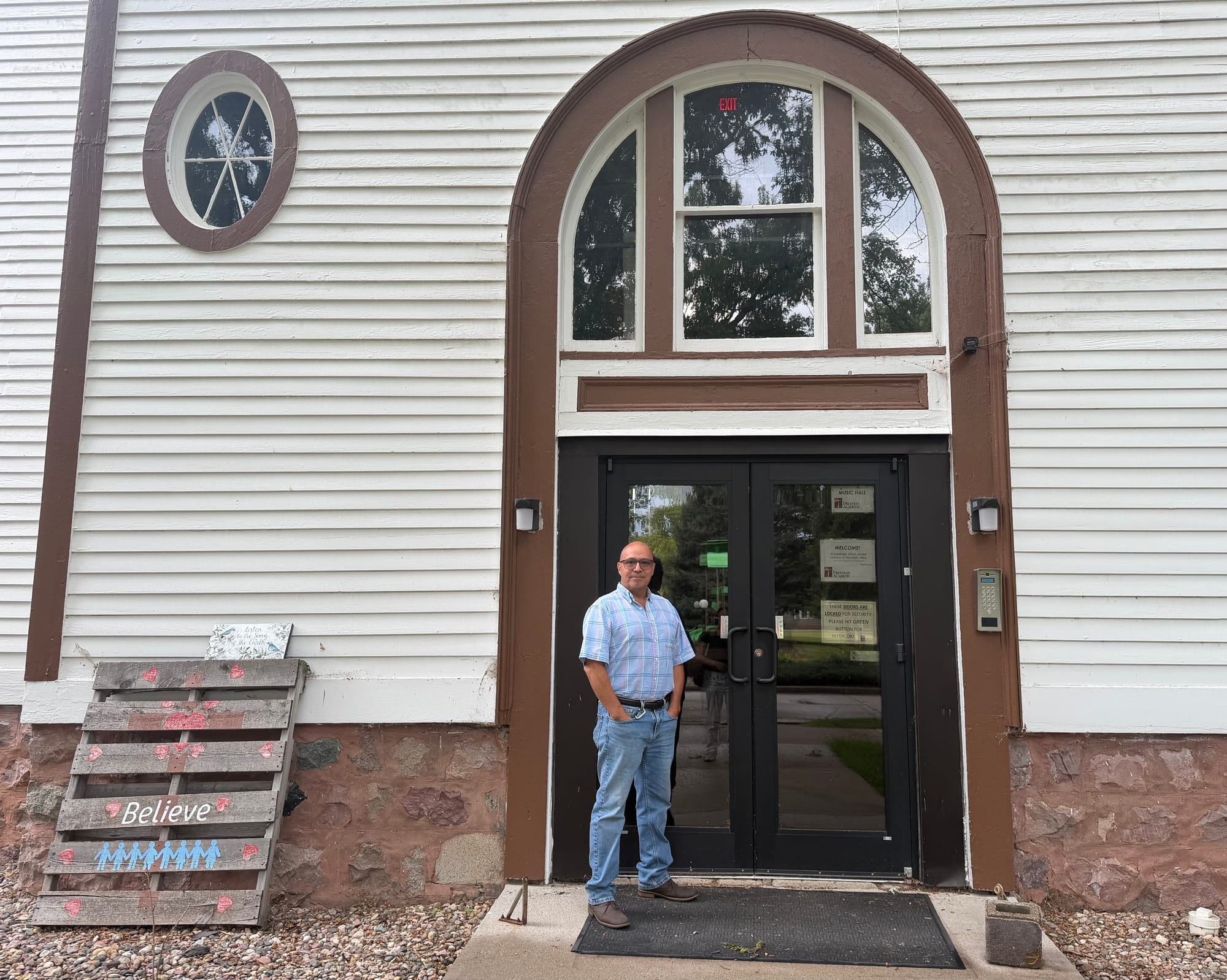
Within this transition, he said he wants to see three themes emerge: community, identity and culture.
"We're trying to make sure people don't lose their identity. We want a place for people to reminisce," Tschetter said.
For example, he may consider opening the library to the community so that Freeman Academy graduates can view their old yearbooks. Other archives related to the academy may be donated to the Heritage Hall Museum & Archives next door.
Connecting with the community
Tschetter said he views the transition as "a new canvas," and that the unknown provides him with an opportunity to re-imagine the academy's usage.
"I can sit with the possibility and the unknown together because they actually help each other," Tschetter said.
He said he wants the academy to frequently collaborate with community members and sees potential for it to become a community hub.
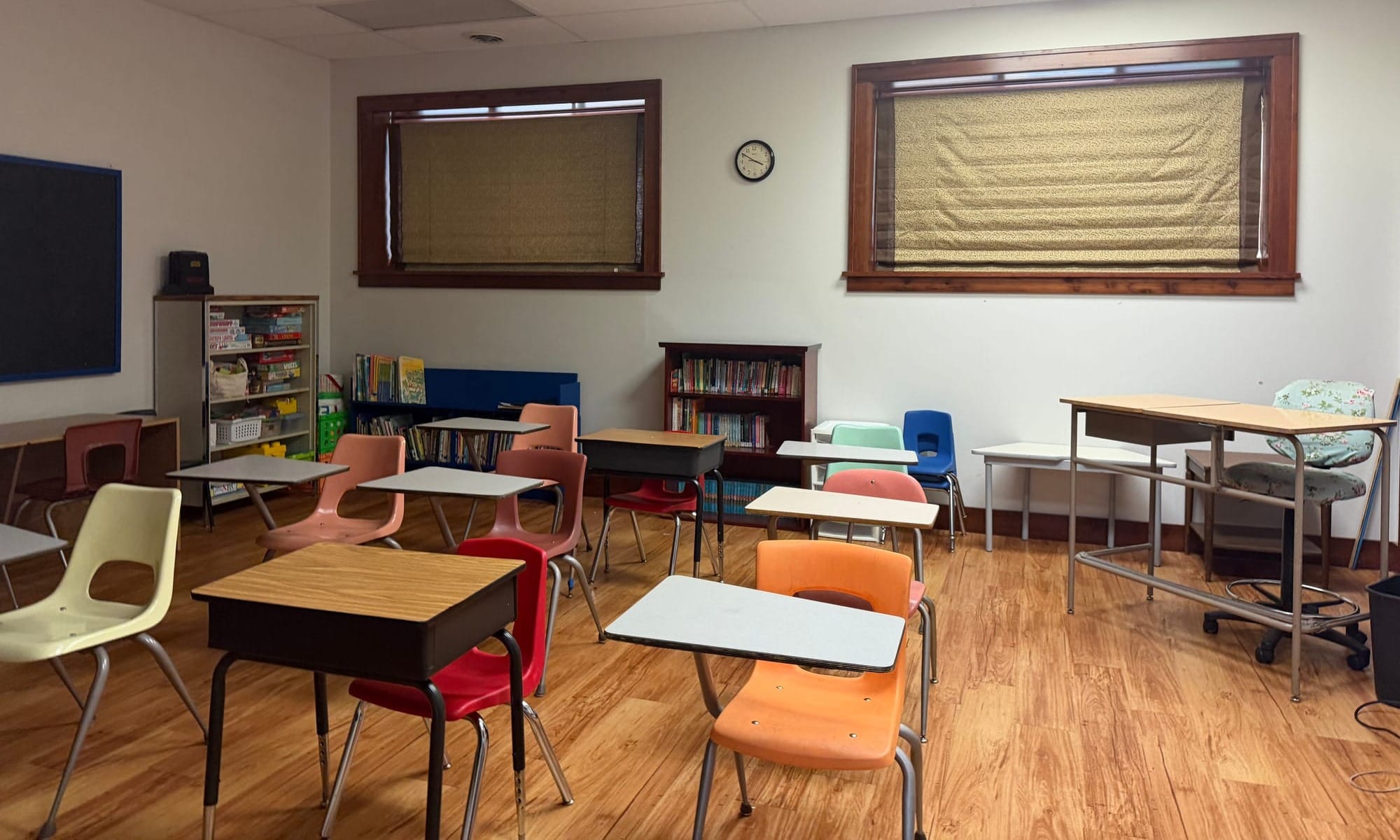
One idea in the works is using the gymnasium to host sports practices during the upcoming fall and winter terms. Conversations are currently in the works of using the gym for basketball practice.
Using empty spaces to host community events will both preserve the buildings while opening them up to the community.
"This space can now be for everybody," Tschetter said.
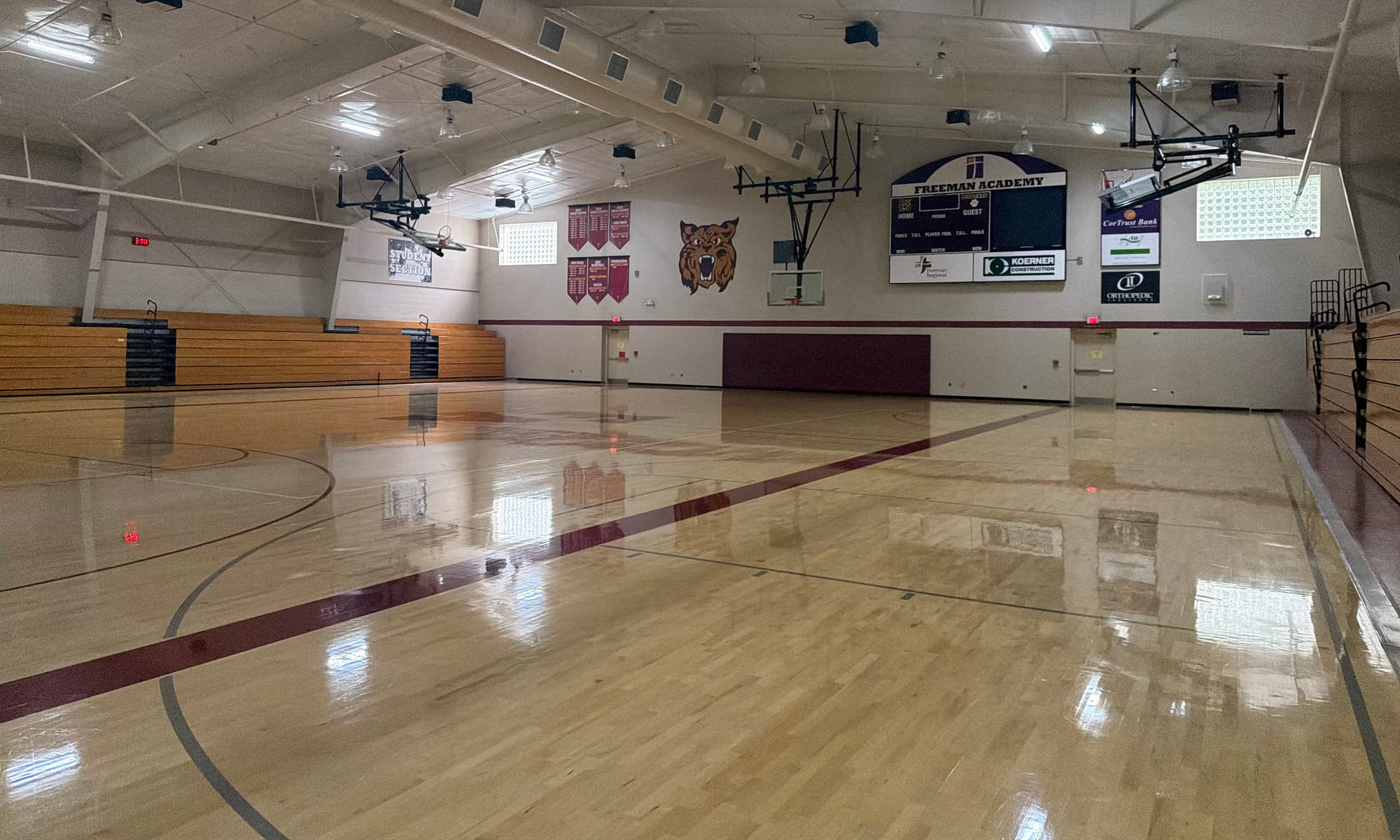
He thinks the cafeteria could be used for a handful of different events. In the past, it has been rented for wedding receptions. He hopes it can continue to be rented for other events.
Empty spaces could also be used to host seminars and symposiums for community members, especially farmers and agriculture businesses as they are a large part of the Freeman community.
Strengthening the Freeman community
Tschetter said those uses, which can create a deeper connection with the community, are vital, especially in a rural community.
According to Tschetter, the challenges Freeman Academy has faced as a private school in a small, rural town are not unique.
Data from the South Dakota Department of Education's 2025-26 Fall Enrollment Census Count reports 85 nonpublic (private) schools and 49 nonpublic (private) school districts in the state of South Dakota. Of these 49 districts, 11 – not counting Freeman Academy, which was included in the 2025 census count – are in towns with fewer than 5,000 people, displayed in the graphic below.
Aside from challenges with enrollment and finances, incentivizing people to return to their rural community and be excited about it can be difficult.
"(People) don't come back to Freeman," Tschetter said. "That has an impact on a small private school. How do you maintain it when you don't have alumni returning?"
S. Roy Kaufman, a retired pastor who graduated from Freeman Academy in '62 and Freeman Junior College in '64, said rural communities need to find ways to better support people.
After graduating from Freeman Junior College, Kaufman moved away from the community for a while to get his bachelor's degree and served at churches in Iowa, Illinois and Saskatchewan, Canada. When he returned about 25 years ago and became a pastor at his home church, he had slightly lost a connection with school but had a deep empathy for people in the church that did.
 Amina Aidarkhanova
He said that although he was grieved, he also let out a sigh of release, for he sees the school's closing as an opportunity to strengthen the rural community of Freeman through increasing resources for agricultural and manufacturing workers, creating more creative opportunities and providing more adult education programs.
"I would hope that the Freeman Junior College Corp. and the community, Mennonite churches and the community that it supported, would become the agents of this community revitalization for the larger Freeman community," Kaufman said.
Correction on Aug. 12, 2026: The decision to close the academy happened in January. An earlier version of the story incorrectly stated the month.
South Dakota News Watch is an independent nonprofit. Read, subscribe for free and donate at sdnewswatch.org. Elena Tittel's internship was funded with support from the Nonprofit Newsroom Internship Program created by The Scripps Howard Fund and the Institute for Nonprofit News. Contact: elena.tittel@sdnewswatch.org.