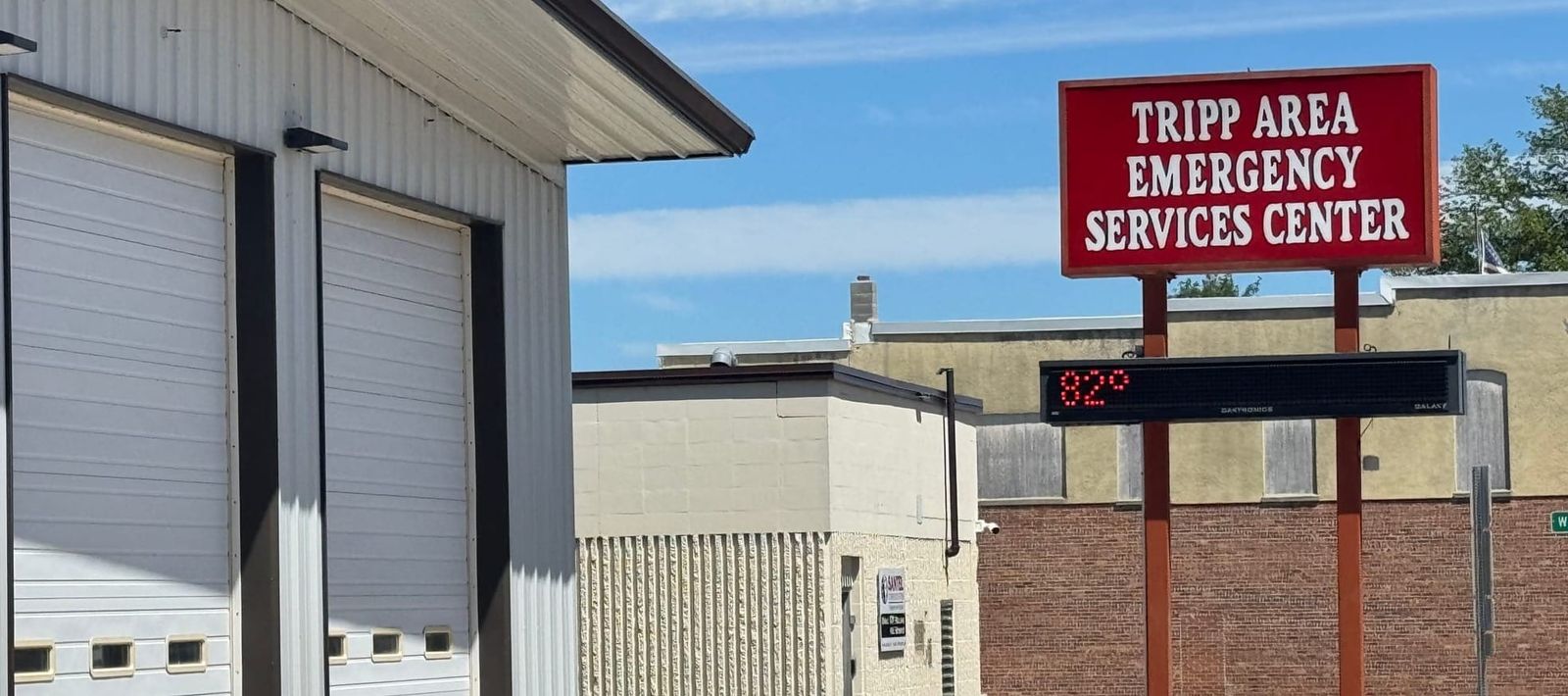
The small town south of Mitchell had no new homes built in nearly 30 years, stalling potential growth. But now, a coordinated local effort is leading to new houses and new opportunities.

TRIPP, S.D. – Until a few years ago, the outlook for growth and prosperity seemed somewhat bleak in this rural town of about 560 people located 35 miles south of Mitchell.
The population had fallen precipitously, dropping by 34% since 1970 and suffering a 21% decline since 2000. In 2018, the Good Samaritan Society closed the local nursing home. And around that time, the town's grocery store shuttered after the longtime owner retired.
Added to that was the painful fact that no new houses had been built within the city since the 1990s and that a significant number of occupied and unoccupied homes were dilapidated and unsightly.

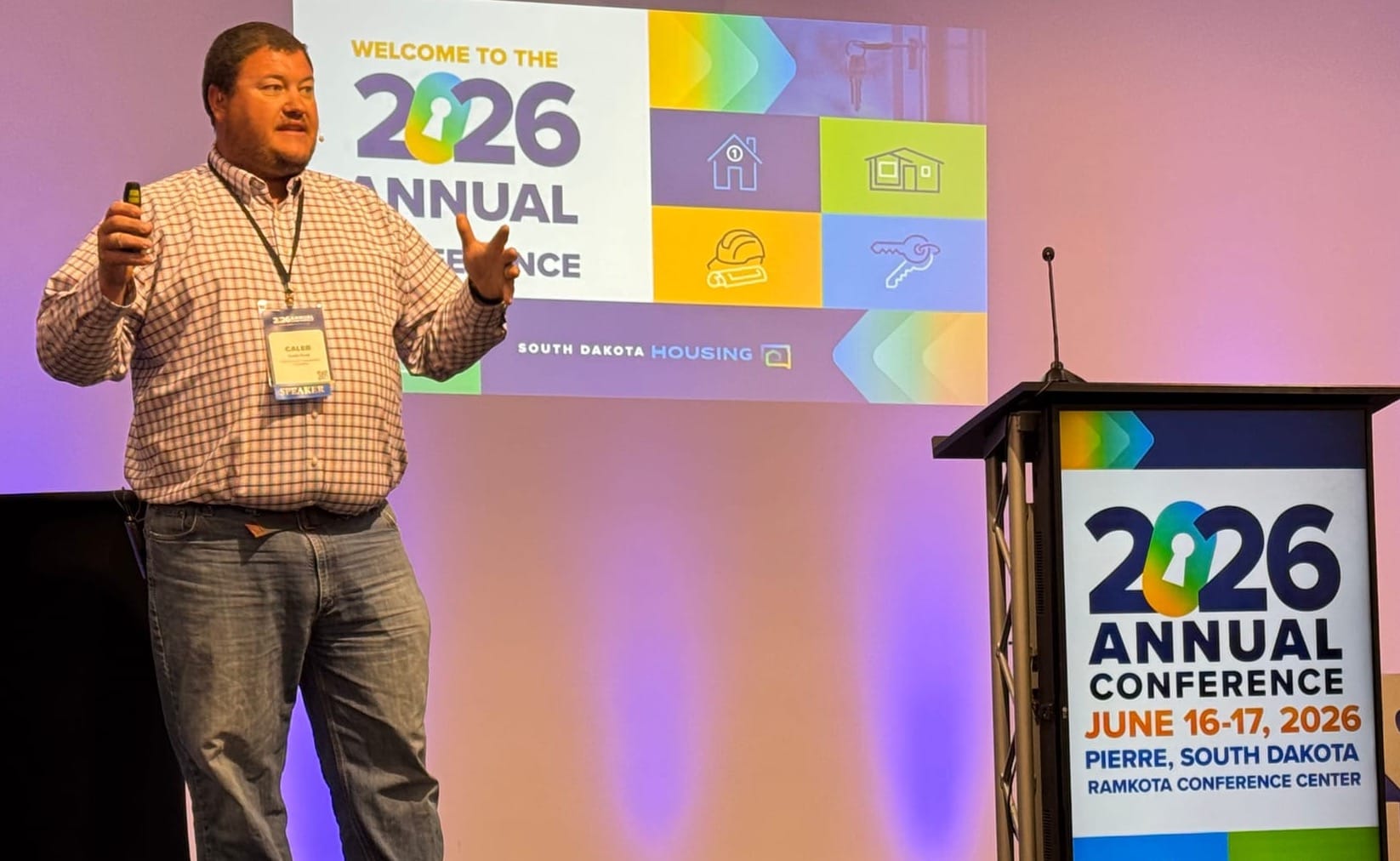
"There were a lot of doom and gloom signals here," said Caleb Finck of the Tripp Development Corp. (TDC). "We'd hire new teachers and they'd be so excited to work for the local school district, but they would leave because there was nowhere in town for them to live."
But a recent groundswell of community leadership, investment and hard work has fueled a new sense of vibrancy in Tripp, much of it centered around creation of new housing.
A vision emerges to generate new housing
In conjunction with other municipal agencies, the reenergized all-volunteer nonprofit TDC has made it a mission to find new housing or the land to build on wherever or whenever an opportunity presents itself.
Rather than shoot too high and lead to potential burnout, the group has set reasonable expectations, hoping to develop one new house each year, said Finck, a farmer and former lawmaker who also works for the South Dakota Office of School & Public Lands.
 Bart Pfankuch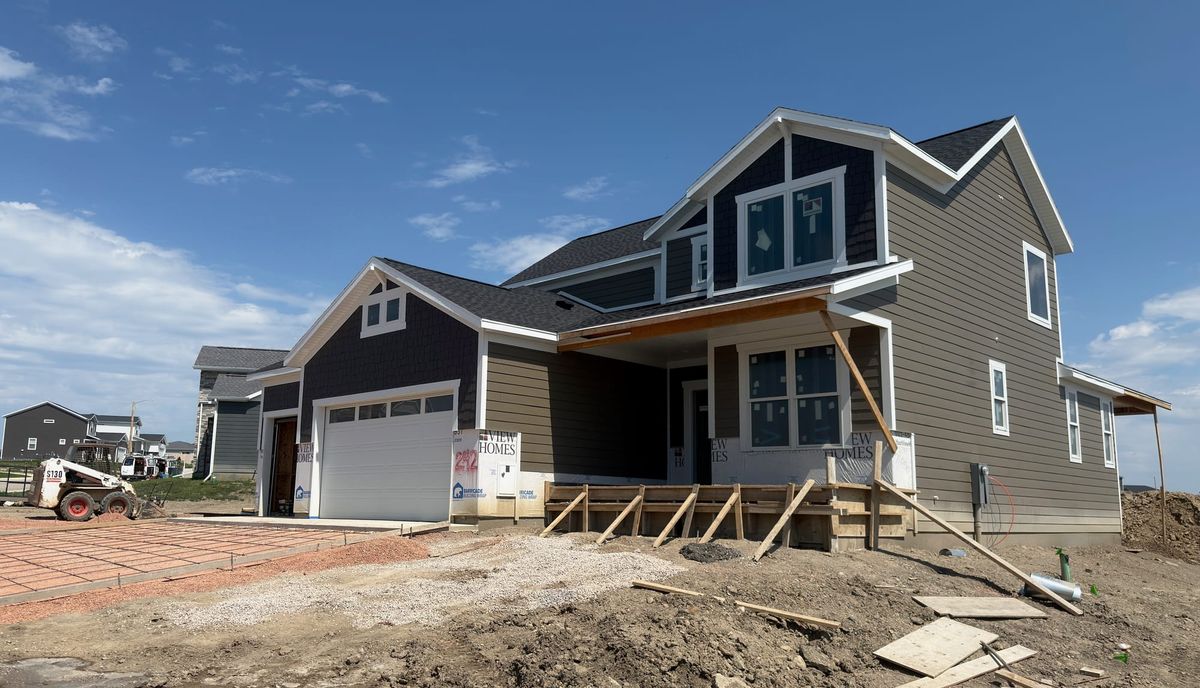
At the heart of the rebirth of housing efforts in Tripp lies a sense of determination that can be a model for other South Dakota communities hoping to jumpstart housing efforts, said Paula Jensen, senior vice president at Dakota Resources, a statewide nonprofit community development agency.
"Most of all, Tripp has a possibility mindset," Jensen wrote to News Watch in an email. "Too often, small towns turn down good projects because they don't have the money or they're wary of the risk. Tripp chose to build the leadership, the relationships and the finances to say 'yes.' Any rural community can learn from that shift from 'we should' to 'we did.'"
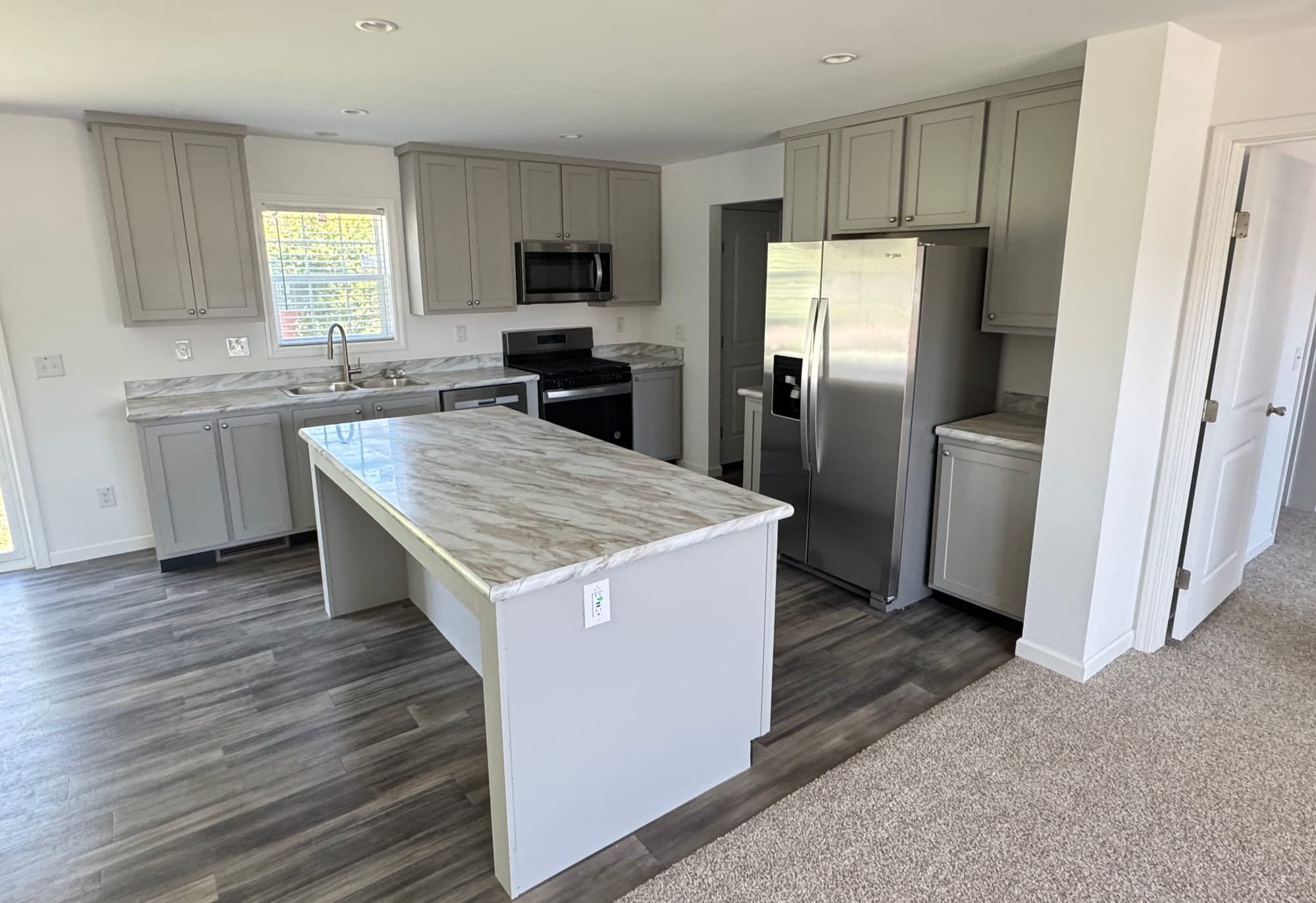
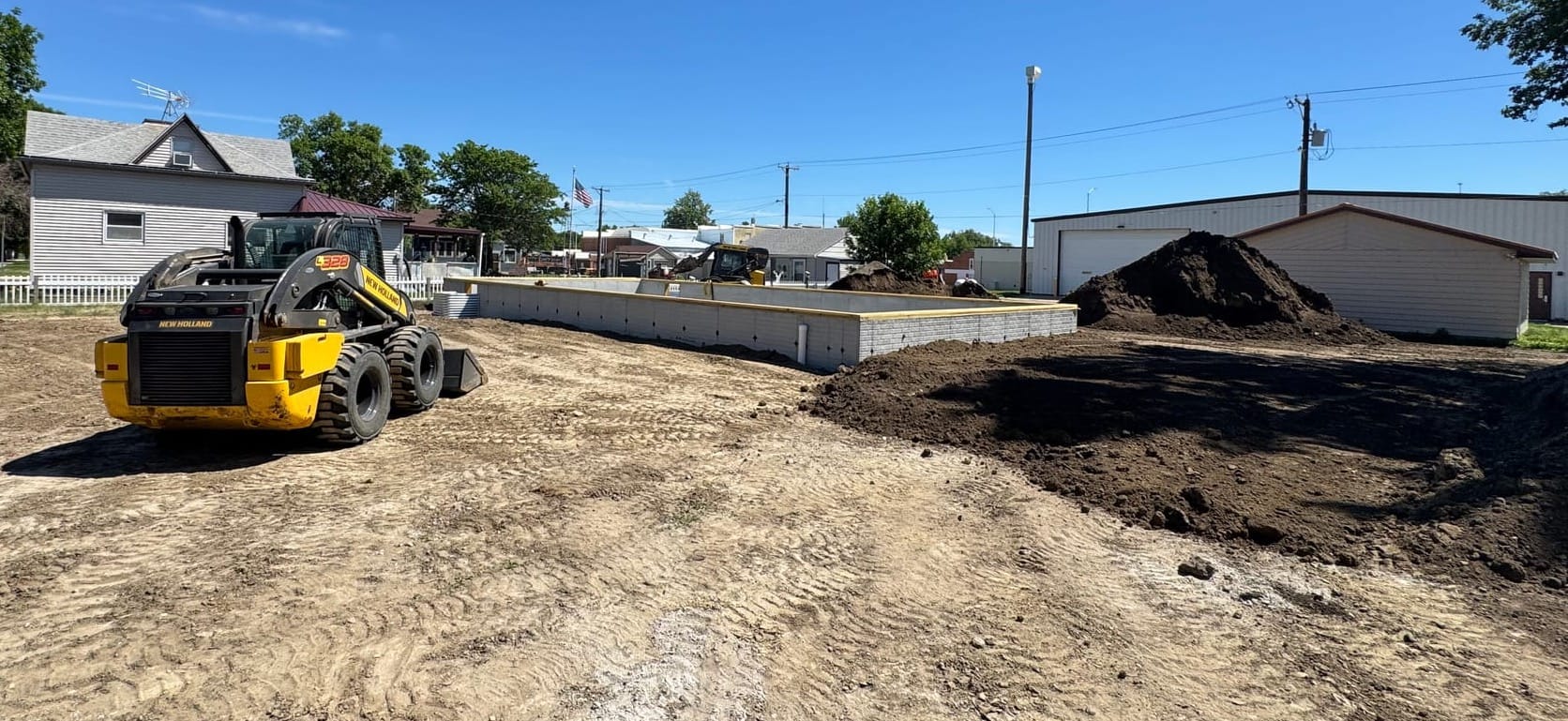
Since reestablishing the TDC in the early 2020s, the organization has led development of two new "spec" homes, acquisition of two Governor's Houses built by South Dakota prison inmates and cleared several lots for future development. That momentum has prompted the recent development of three other homes by private individuals, Finck said.
The city now has a thriving grocery store (but no nursing home), and the TDC and other local nonprofits have embarked on an effort to raise $5 million to build a new community pool and park facility, he said.
Community puts up funds to get started
Like many small, rural South Dakota towns, Tripp was simply not on the radar of private developers who seek to build and sell homes quickly and at a solid profit margin.
The TDC recognized that and saw it as a challenge, and the community stepped up big time, Finck said.
"When we decided to step out and do this, we went to the community and said, 'We want to build some housing, but we don't have the money to do it,'" he said. "And I'm not kidding you when I tell you that in two weeks' time, we had $80,000 worth of capital put together."
Some of the money was donated, and some was provided as no-interest loans to the corporation, he said.
The TDC has also been aggressive about tapping into funding and management resources that exist in South Dakota to help with housing.
On two of its new housing projects, the TDC tapped into the Housing Opportunity Fund managed by the South Dakota Housing and Development Authority. That program requires a community or development group to raise half the funding needed to pay for new houses, then provides the rest as a zero-interest loan.
The TDC also tapped the opportunity fund to solve a problem few could foresee – that a lack of recent comparable home sales created an "appraisal gap" in which a home that cost $250,000 to build would only appraise at $200,000, preventing a buyer from obtaining lending. The housing authority covered that gap with a second mortgage loan, Finck said.
The new energy surrounding housing in Tripp can become contagious and lead to unforeseen improvements in the community at large, said Chas Olson, director of the South Dakota Housing Development Authority.
"Those small wins in small towns help build momentum and they help with a mind shift in the community that we might have more of a future than we thought," Olson said. "And so others begin to spruce things up."
The TDC has also obtained coaching from Dakota Resources and has access to the agency's loan fund to get capital to buy or build homes or prepare lots for development, Jensen said.
The agency helped the TDC create a mission statement, form strategic committees, enact a communication plan and develop a funding model. After that, the TDC surveyed the community members to get their input and held a retreat to get organized, she said.
A community effort
"Because of the formation of those TDC committees, housing work doesn't rest on one or two people. Many board members and local experts share the load," Jensen wrote. "Once they had that foundation in place, access to capital meant they could act on their plans."
As with other communities that have taken on the challenge of building new housing outside the private sector, the TDC has scoured the lending landscape for unique funding opportunities. In early 2026, for example, the TDC received a $35,000 grant from Bank West and the Federal Home Loan Bank in Iowa, further providing start-up money to fuel housing growth.
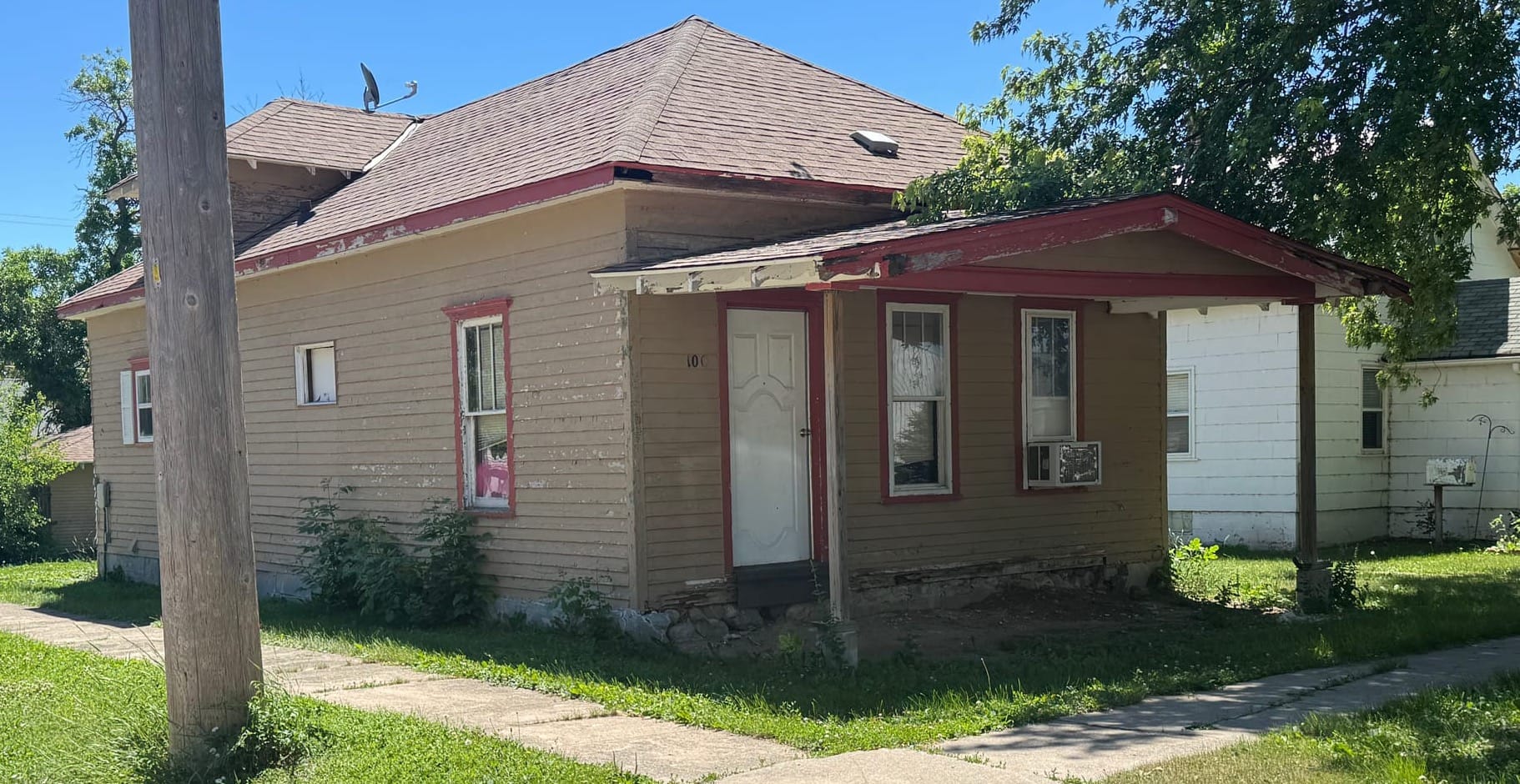
In partnership with the city of Tripp, the TDC has identified old properties it would like to either buy and replace or fix up to livable status. During the process of cleaning up nearly a dozen homes, "we evicted a lot of raccoons," Finck said.
To spread the good will even further, when a local property needed to be torn down to free up a lot for development, the TDC provided a training opportunity for local firefighters by allowing controlled burning of the house, Finck said.
Get free, fact-based South Dakota news and information in a weekday email. No spam. Cancel any time.
Some supporters of new housing have stepped up with their own money to speed up development. Local "retired" farmer and part-time developer Lennis Mehlhaff, 71, worked with Finck to buy one of the new Governor's Houses that arrived in Tripp this summer.
On a sunny day in June, Mehlhaff and his wife, Judy, were at the home site working to get the house ready for sale. Lennis said he has been concerned for some time that too many people who grow up in Tripp feel compelled to leave for bigger cities, in part because they cannot find a decent place to live.
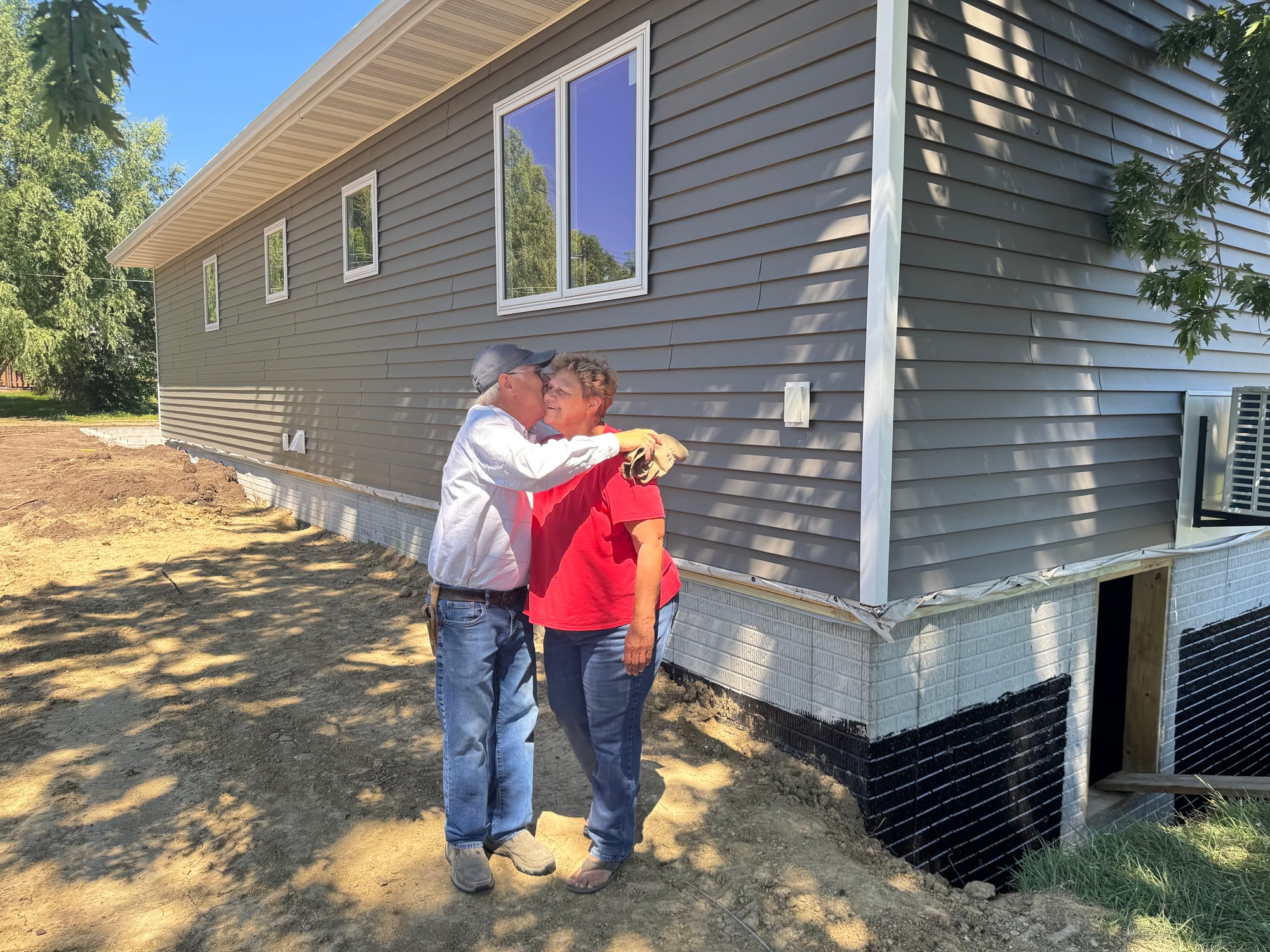
"We just don't have the homes for these families," Mehlhaff said. "We need this in Tripp to hopefully attract some young people."
New housing is the key to attracting people and employers to Tripp, Finck said. Whether the target group is young families, new workers for the schools or other businesses or former residents who want to return to their hometowns, Finck said no growth can happen without housing.
"We had to ask ourselves, 'What do we want our future to look like?' so we didn't just let happenstance shape our story in Tripp," he said. "With some actual planning, we have drawn our line in the sand and said, 'This is what we want to happen in our community, and let's get after it.'"
South Dakota News Watch is an independent nonprofit. Read, subscribe for free and donate at sdnewswatch.org. Contact content director Bart Pfankuch: 605-937-9398/ bart.pfankuch@sdnewswatch.org.