As a new foundation launches to help fund media organizations, two upcoming discussions will focus on how people get their news in order to ensure access to trusted information.
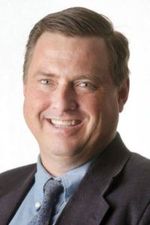
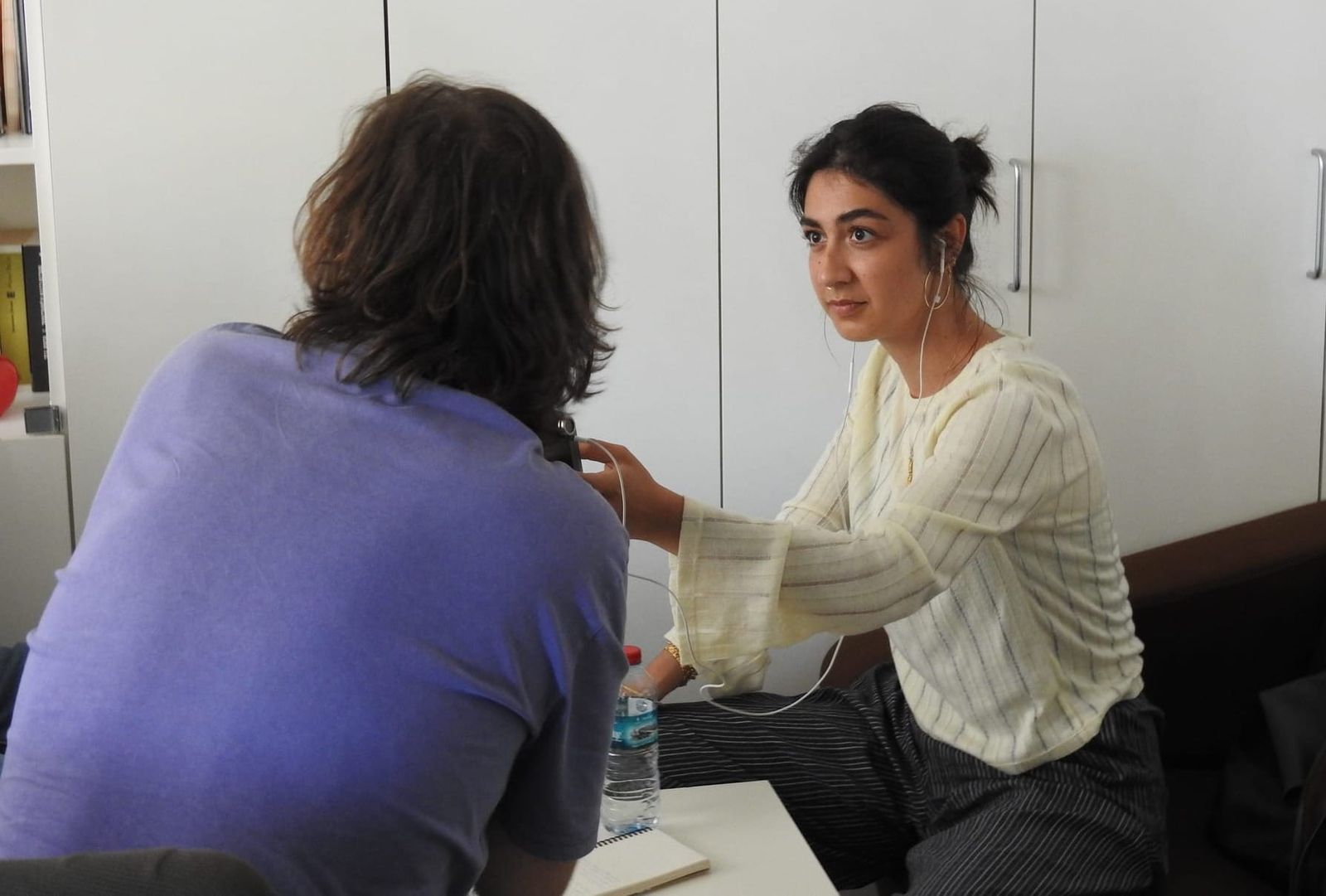
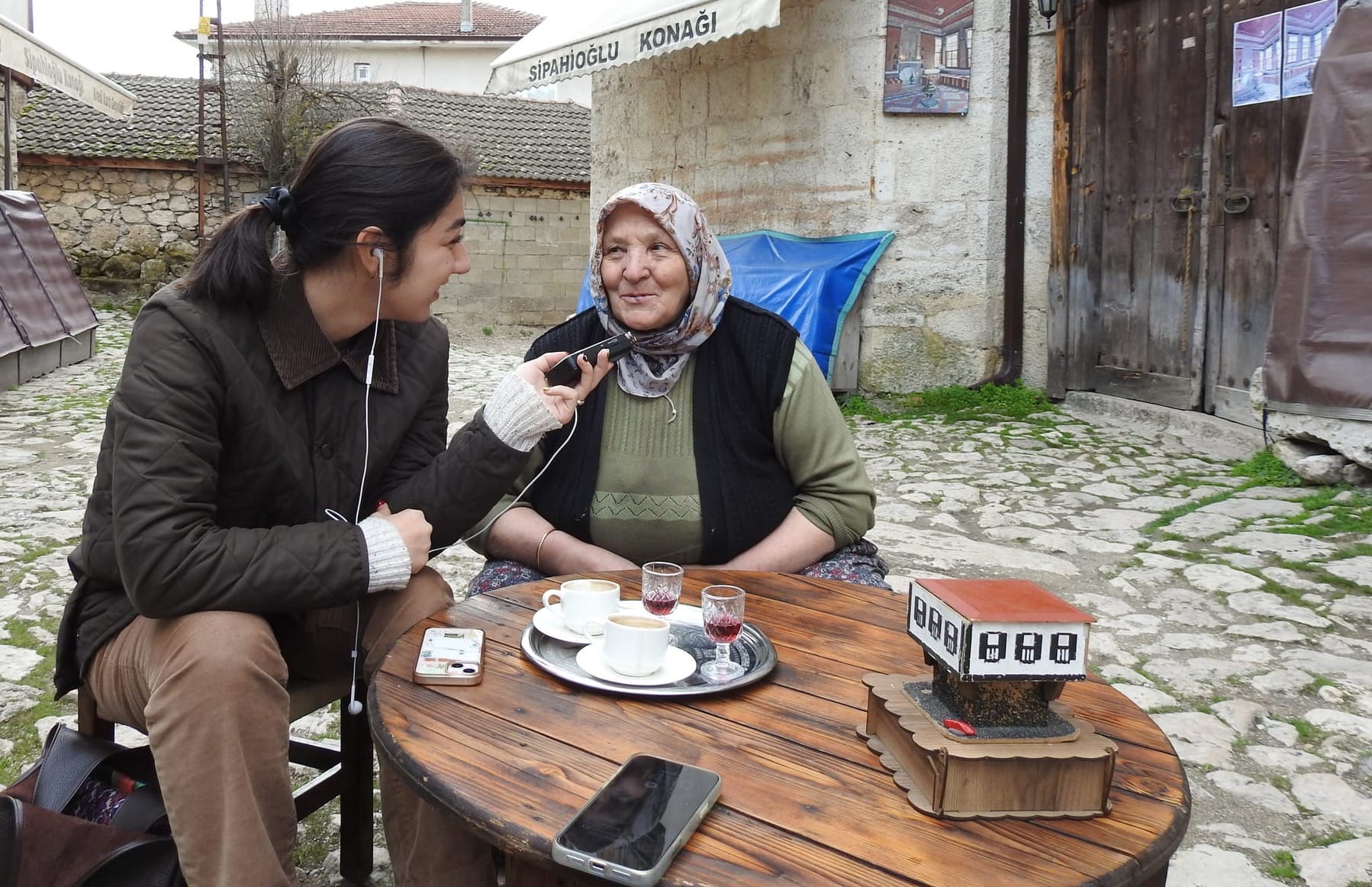
Eda Uzunlar spent part of this year traveling across the nation of Turkey to learn how people get their news, and now the Rapid City native plans to conduct similar research in the United States.
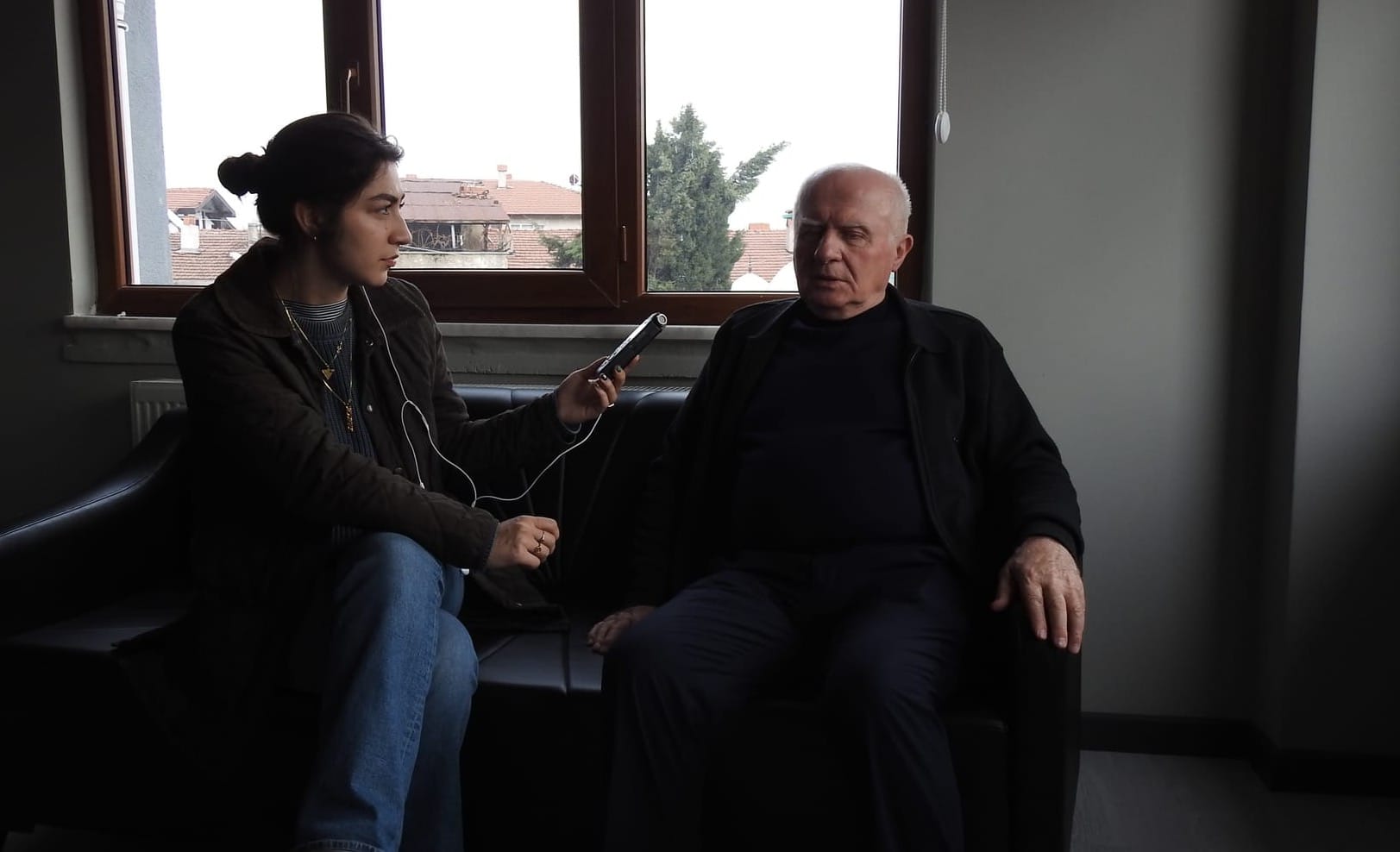
As part of a scholarship through the U.S. Fulbright Program, Uzunlar interviewed Turkish residents across the country to discover how news travels at a time when established media outlets in many areas are in decline and "news deserts" are on the rise.
Get free, fact-based South Dakota news and information in a weekday email. No spam. Cancel any time.
“We went into those villages to see how people got their local news when there was no professional media to rely on,” Uzunlar told News Watch in an interview. “It was just so interesting to see how people use their discernment to understand how trust works within their communities and to know who to pass stories onto to make sure that they stay true.”
Uzunlar, whose parents are from Turkey but who was raised in Rapid City, will host two community discussions in South Dakota in October to similarly find out how South Dakota residents are getting news as a time of great change in how media operate and how information is shared. South Dakota is the first U.S. state she plans to analyze as part of her ongoing research.
“I would love to give them a takeaway that we are all much, much more similar than we think we might be different, and there is so much resilience across the world when it comes to overcoming 'newslessness,'” she said.
The two events — titled “You Can Trust Me” — will serve as mutual information-sharing sessions. Uzunlar will provide some of her research findings while also prompting participants to share their experiences with how they obtain news and how they decide what information or news sources are trustworthy.
Building trust in local media and preserving the ability of those outlets to continue informing the public will also be among the key topics discussed during the upcoming forums.
Uzunlar's project aims to hear from media consumers, especially residents of small towns and remote communities where media options may be lacking, to find ways to continue to inform the public even while some traditional media sources such as newspapers are shuttering or reducing news gathering efforts.
News deserts present in South Dakota
The big-picture goal is to determine what ways may be possible to prevent the formation of more news deserts, or places where no local media exists to inform and connect people, Uzunlar said. Furthermore, the research seeks to identify ways of keeping people informed even if their city doesn't have a local newspaper, digital news outlet, or TV or radio station.
According to research by the Local News Initiative at Northwestern University, South Dakota has seven counties that are considered news deserts because they do not have any local media based there. Those counties are largely rural and include Buffalo, Butte, Hanson, Jackson, Lyman, Stanley and Ziebach.
Another 33 of the state’s 66 counties have only one local news source, according to the initiative.
“There are places in this country where people are kind of feeling hopeless because they don't have connections to their community,” Uzunlar said. “They don't have a newspaper telling them how to connect to their community or what's going on in their community, and it's hard to live in those situations.”
Three statewide media institutions – South Dakota News Watch, South Dakota Public Broadcasting and the South Dakota NewsMedia Association – are all co-sponsors of the events.
 Carson Walker
The two free discussions, which are open to everyone and will include a light meal and refreshments, are scheduled as follows:
- Thursday, Oct. 1, 2026, 6 p.m. Mountain Time, South Dakota Public Broadcasting office, 415 Main St. in Rapid City
- Thursday, Oct. 8, 2026, 6 p.m. Central Time, South Dakota Public Broadcasting office, 601 N. Phillips Ave. in Sioux Falls
New foundation to support news outlets
The topic of maintaining media viability is of great interest to the South Dakota NewsMedia Association, the trade group for newspapers and digital media outlets across the state.
Dave Bordewyk, executive director, said SDNA will use the October presentations as a platform to introduce the organization’s new nonprofit charitable foundation that will seek funding that can be used to help newspapers and other media survive and thrive in South Dakota.
The association has long had a foundation, but it didn’t carry the 501(c)(3) nonprofit tax status necessary to make grants to for-profit organizations, which includes the vast majority of media outlets in South Dakota, Bordewyk said.
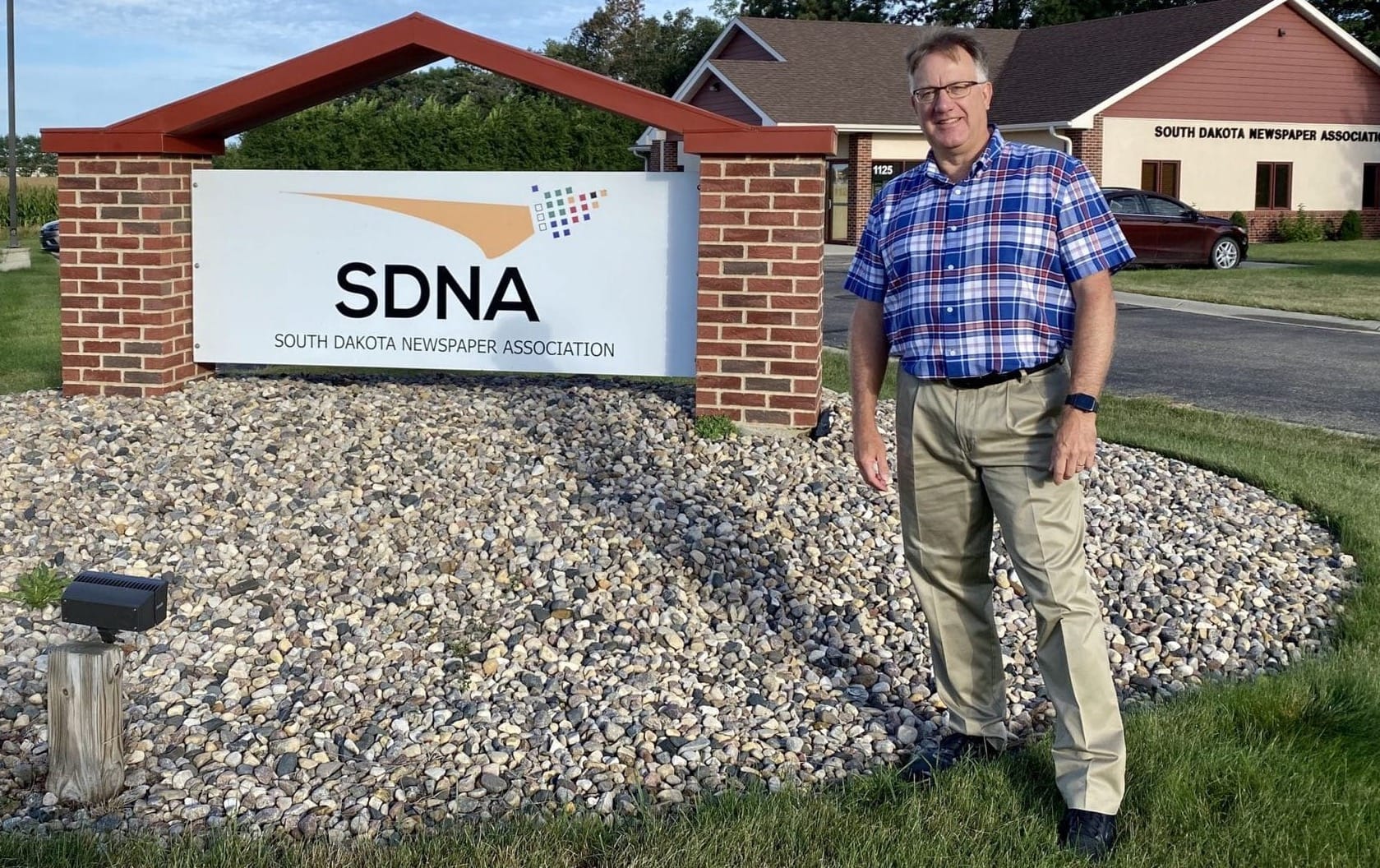
“It wasn’t a fully fledged charitable foundation, so our hands were really tied in terms of what we were able to do,” Bordewyk told News Watch. “Now we’ll have much more flexibility to raise money and to distribute funding from the foundation.”
The goal is to raise money that can be used by a wide range of statewide media — including print, digital and broadcast media — to strengthen their financial situation and subsequently improve their ability to continue to inform the public.
“The need is real among many community journalism outlets across the state,” Bordewyk said. “Being able to maintain their economic stability is job No. 1 and remains a challenge for many institutions.”
 Carson Walker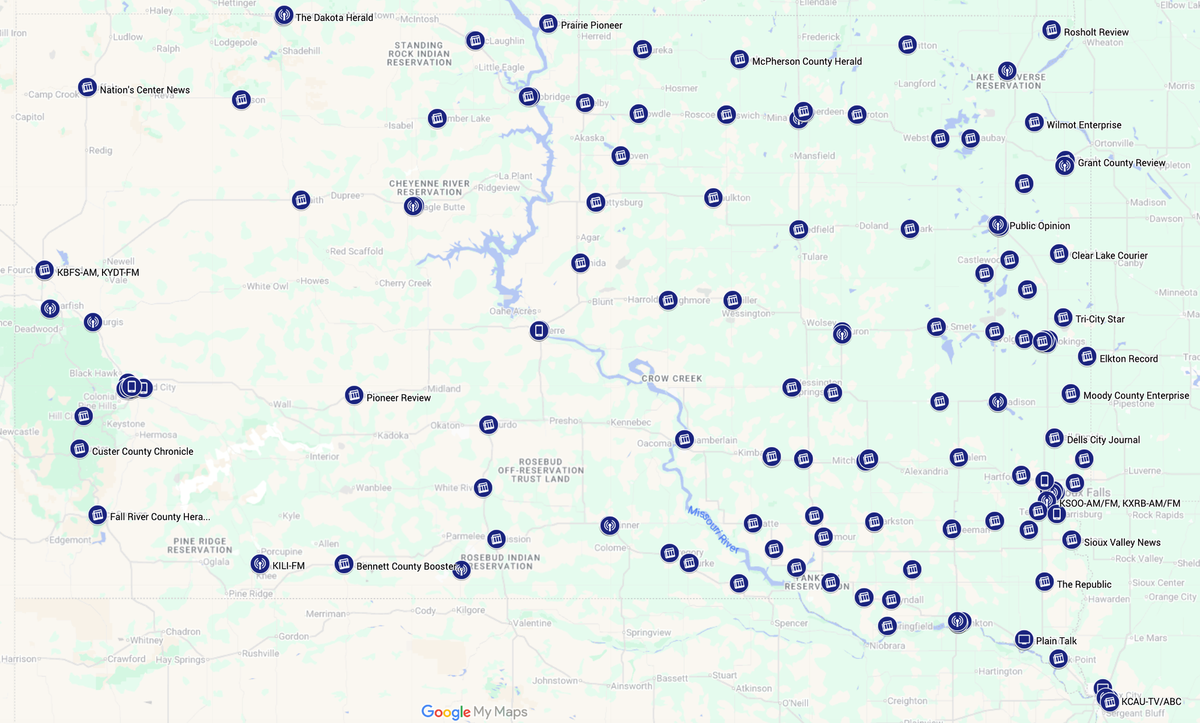
At this time, even though some newspapers have closed or shifted focus, South Dakota remains well-served by statewide, regional and local news sources, including the 107 members of SDNA, Bordewyk said.
Creating the new foundation is a way to keep that tradition of news gathering, information sharing and providing government accountability alive and well across the state, he said.
“We’ve seen across the country that charitable giving and funders willing to support local journalism can be part of that solution,” he said.
South Dakota News Watch is an independent nonprofit. Read, subscribe for free and donate at sdnewswatch.org. Contact content director Bart Pfankuch: 605-937-9398/ bart.pfankuch@sdnewswatch.org.