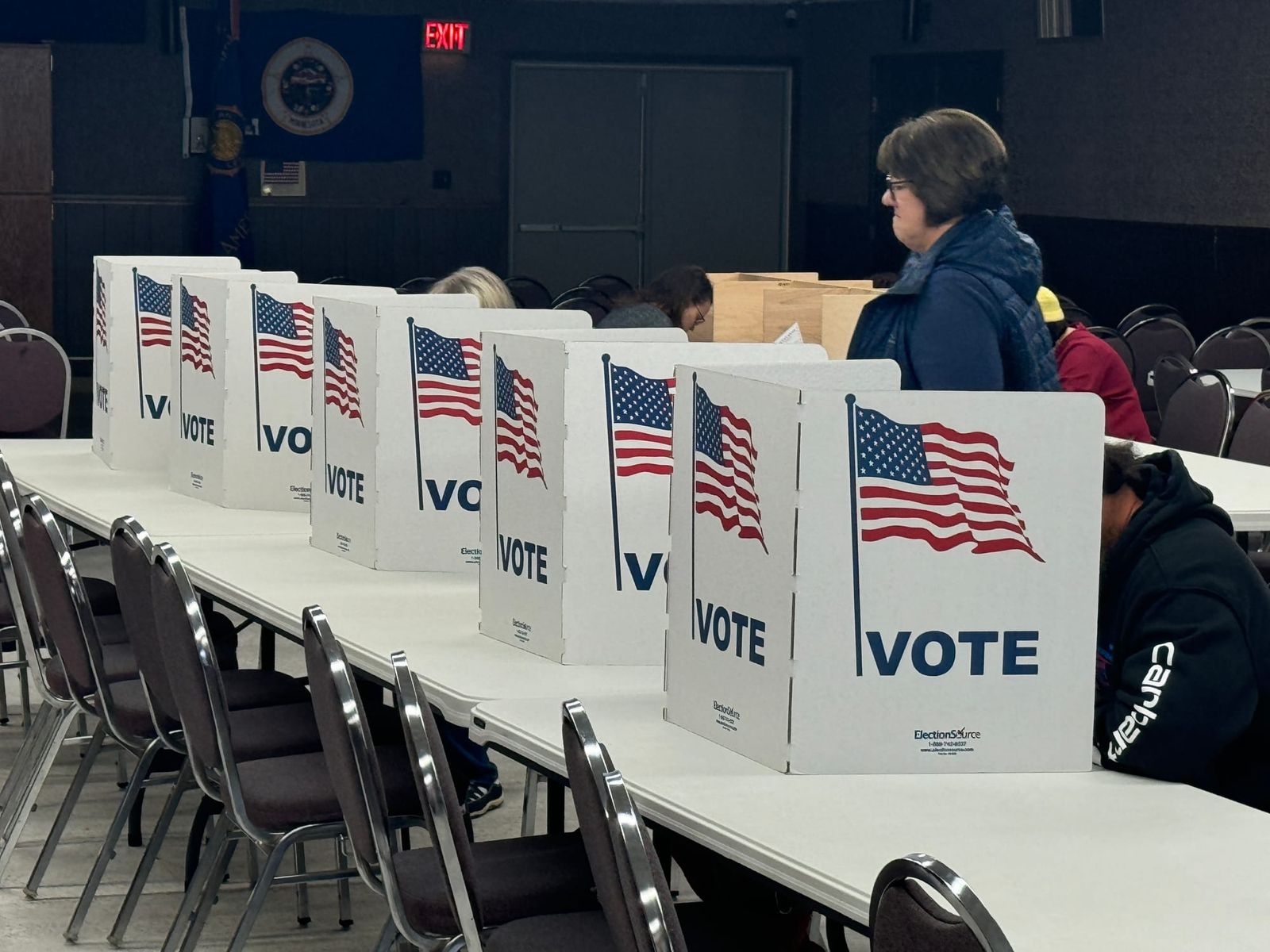
A snapshot of the election before the midterm, including voter registration numbers, absentee ballots cast and details on election observers.

South Dakota voters will go to the polls this year for the final time today after a year of unprecedented elections that included a gubernatorial primary runoff, a mayoral runoff in the state's largest city and combined municipal, school and primary elections.
This year's general election ballot includes votes for several statewide offices, federal seats, the state Legislature and constitutional amendments.
You can find your polling place on the South Dakota Secretary of State's Voter Information Portal.
Here's what to know for Election Day:
Absentee ballot, party registration counts
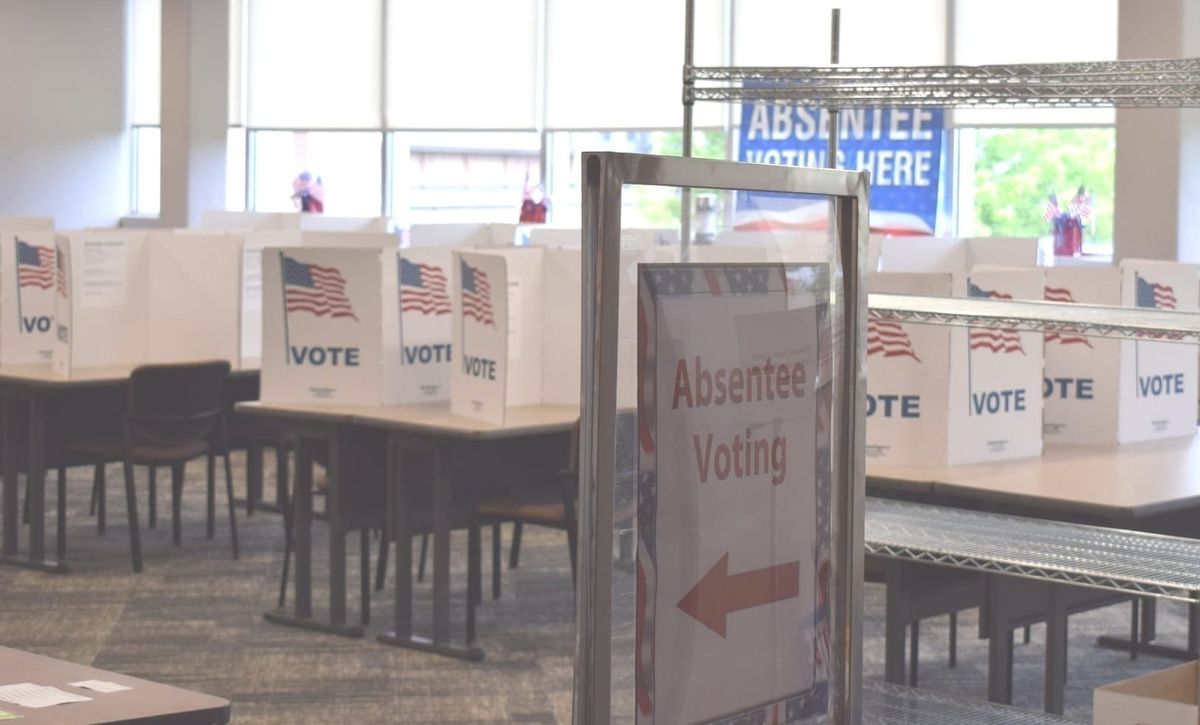
As of Oct. 30, the Secretary of State's office reported that 78,788 South Dakotans had voted early. That includes mail-in ballots and 37,323 walk-in absentee ballots cast early at county auditor's offices across the state.
Nationwide, more early ballots have been cast this year than in any other midterm election at 48 million.
In June and July, Republicans saw a spike in registration, likely due to the party's closed primary system in the state. Just before the gubernatorial runoff on July 28, Republican registration was at an all-time high in the state with 328,829 voters.
Now, as voter registration has closed before the general election, Republicans have added more voters since July for a total of 331,782. There are 135,276 registered Democrats and 157,580 Independent and non-party affiliated voters in the state. Another 2,793 voters are registered as Libertarians.
Polling places: More people – but not all voters
The election also comes as nationwide conversations about the importance of midterms mount. At the federal level, President Donald Trump has placed heavy scrutiny on the validity of upcoming elections, and representatives from the United States Department of Justice will be deployed to watch voters at polling places.
Federal election monitors will be in Minnehaha County in Sioux Falls during the Nov. 3 general election to observe election procedures and assess compliance with federal voting rights laws, according to the Department of Justice's Civil Rights Division.
Federal voting laws include the Voting Rights Act, the Help America Vote Act and other federal laws intended to protect voting rights and ensure accessibility.
Get free, fact-based South Dakota news and information in a weekday email. No spam. Cancel any time.
The DOJ monitors will not interfere in the process, the press release sent by the South Dakota Secretary of State’s office said. The DOJ will identify themselves to election officials and follow state and local election laws. The monitors will observe, take notes and “report any concerns through their designated DOJ leadership.”
Monitors will not speak to voters inside polling places or carry firearms.
The Voting Rights Act authorizes federal observers by order of a federal court. Election monitoring and federal observation has taken place in South Dakota in the past, including in the 2024 general election.
The South Dakota branch of the American Civil Liberties Union (ACLU) will also deploy volunteer election observers at polling places in Sioux Falls, Rapid City and Aberdeen this year.
Double your impact. One-time and recurring donations are matched through Dec. 31.
Samantha Chapman, advocacy manager for the South Dakota ACLU told News Watch that not much should change with federal election observers in the picture as long as both voters and poll workers know their rights. But ACLU observers will be watching for misconduct.
"One thing that I emphasize to our election observer volunteers is that these federal monitors do not have any additional kind of authority at the polls than our election observers do. They don't have any special rights that our election observers don't have. They have to follow all the same laws that our election observers are following, and they have to follow the directions of precinct workers as well," Chapman said. "Our election observers will be watching to see how you know how these DOJ monitors are engaging, and if they do, if they are acting in a way that constitutes as as voter intimidation we train our election observers to document that."
Governor: Four-way primary in the past for sitting governor
Gov. Larry Rhoden faced an unprecedented challenge this year as he went up against in the Republican gubernatorial primary. The competition was virtually unprecedented in a year where a sitting governor is running, though Rhoden has not yet been formally elected to the office – he took over for former Gov. Kristi Noem after she stepped down to lead the Department of Homeland Security.
Rhoden triumphed over U.S. Rep. Dusty Johnson, once considered a shoo-in for the office, state House Speaker Jon Hansen and Aberdeen businessman Toby Doeden.
 Molly Wetsch
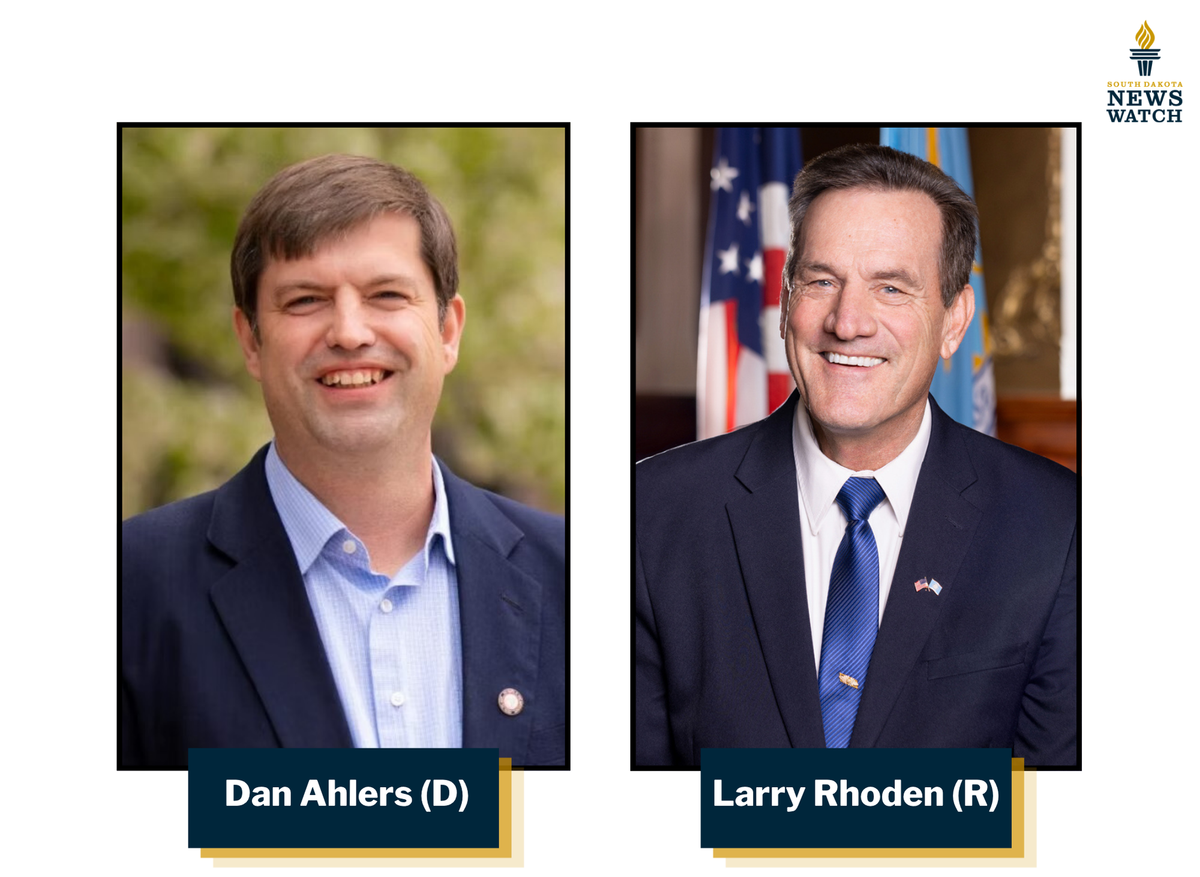
Rhoden and Doeden received 25% and 31% respectively in the primary, and both advanced to a runoff on July 28 – the first of its kind since a 1985 law authorized run-off elections for primaries.
Rhoden now meets Democrat Dan Ahlers in the general election. Ahlers formally announced his campaign in February, four months after Rhoden. The two candidates met for two debates in the run-up to the election.
House, Senate: Well-known Republicans against challengers
In both federal races taking place this year – for South Dakota's lone House seat and junior Senate position – well-known Republicans are up against candidates who have never held political office.
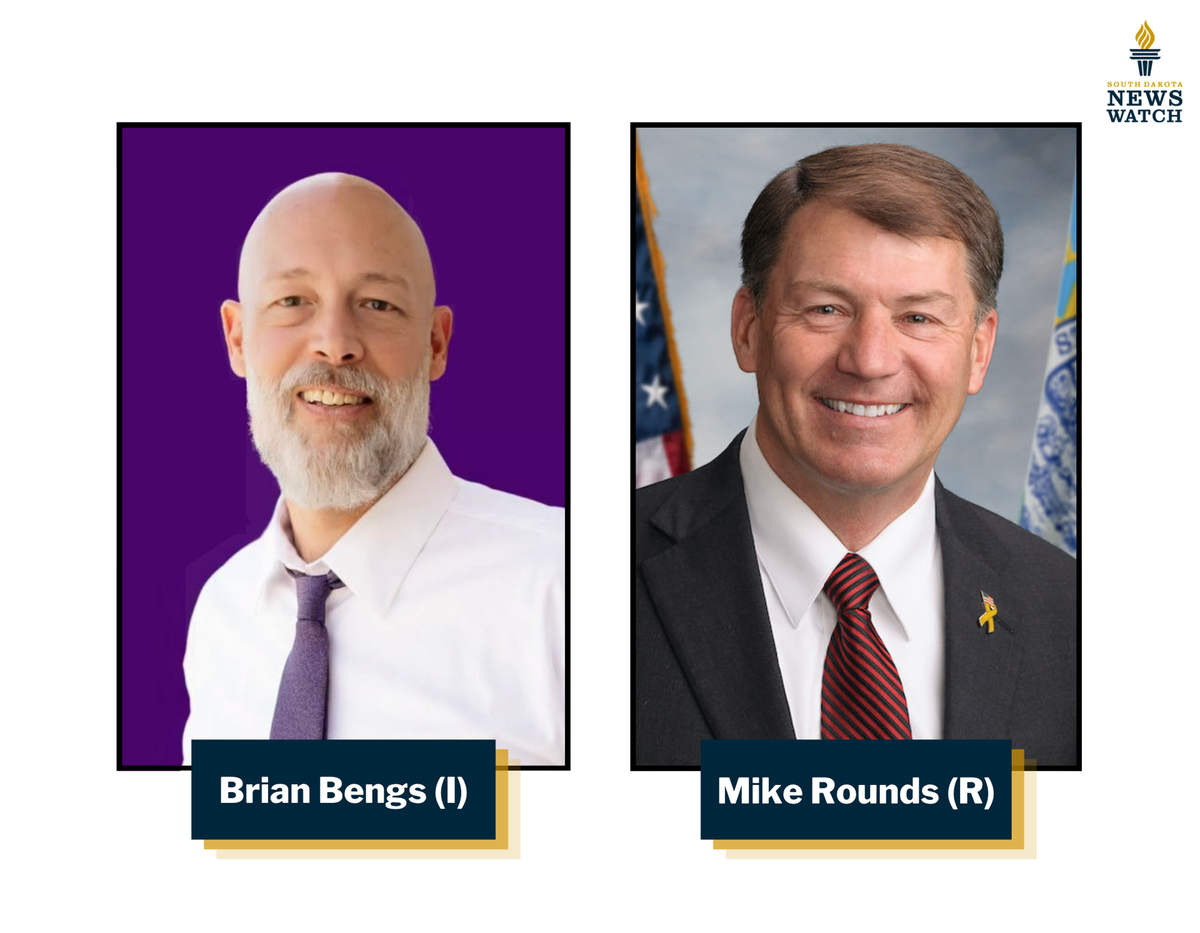
Republican U.S. Sen. Mike Rounds, who's been the chamber since 2015, is running for another term against Brian Bengs, an Air Force veteran running as an Independent. Julian Beaudion, a Democratic candidate for the seat, dropped out of the race in August. Bengs notably ran as a Democrat in 2022 against U.S. Sen. John Thune.
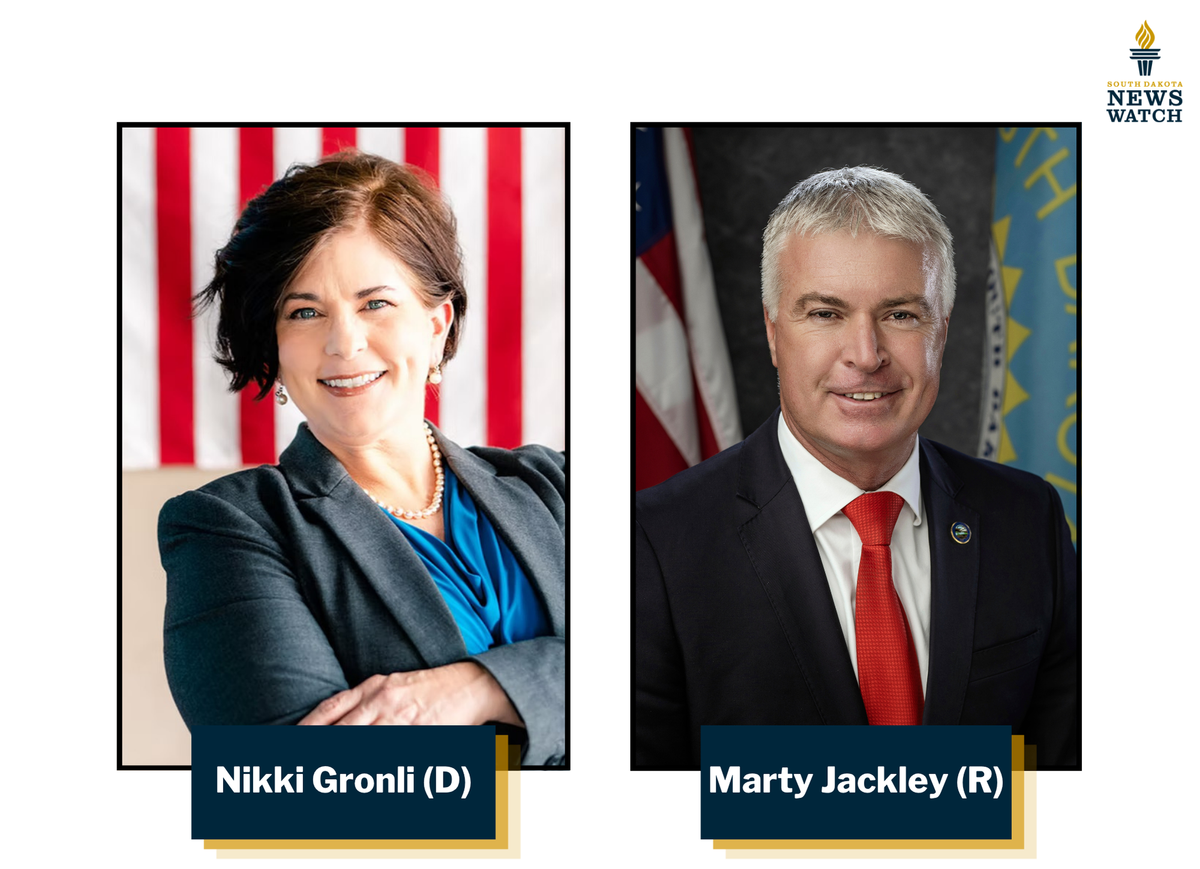
South Dakota Attorney General Marty Jackley is running as a Republican for U.S. House, a spot left available by Johnson when he decided to run for governor. Jackley is up against Nikki Gronli, a Sioux Falls Democrat who served as the state's U.S. Department of Agriculture Rural Development director under former President Joe Biden.
 Emily DeCock
 Molly Wetsch
State Legislature: Every seat up for election
All 105 seats in the South Dakota Legislature are up for election this year. Thirty-five senators, one from each district, and 70 representatives, two from each district, will be elected.
Sixty-three curent legislators, about 60% of the body, are among those running for for re-election this year. That comes after the June primaries saw several incumbents defeated by challengers.
This graphic created by SDPB includes all legislative candidates and links to background on each:
Some sitting legislators are running for a seat representing their district in a different chamber: Rep. Erik Muckey, a Democrat representing District 15, and Rep. John Sjaarda, a Republican representing District 2, are running for Senate seats in their respective districts, among others.
In South Dakota, legislators can only serve four consecutive terms in the House or the Senate before they must vacate the position.
Ballot issues, other offices, voting information
All South Dakota voters will also cast ballots this year on four issues and all constitutional and statutory offices.
The ballot measures deal with Medicaid, voter eligibility, unclaimed property and the threshold needed to amend the state constitution.
Statewide offices up for election: attorney general, secretary of state, treasurer, auditor, School and Public Lands commissioner and Public Utilities Commission.
To read more about the issues and those offices as well as information on voting, read News Watch's comprehensive voter guide at the link below as well as our recent stories about the South Dakota Poll.
 Molly Wetsch
South Dakota News Watch is an independent nonprofit. Read, subscribe for free and donate at sdnewswatch.org. Contact reporter/Report for America corps member Molly Wetsch: 605-531-7382/molly.wetsch@sdnewswatch.org.