
"We’ll reach a point where all the currently available water supply will all be in use, and in that case, the next family or business that comes to South Dakota will have to bring their own water."

BEAR BUTTE STATE PARK, S.D. – Geologists and hydrologists can use scientific charts and graphs to understand the increasing water challenges facing South Dakota, but it only takes a brief visit to Bear Butte State Park near Sturgis for a non-scientist to see the outcome of decreasing water levels.
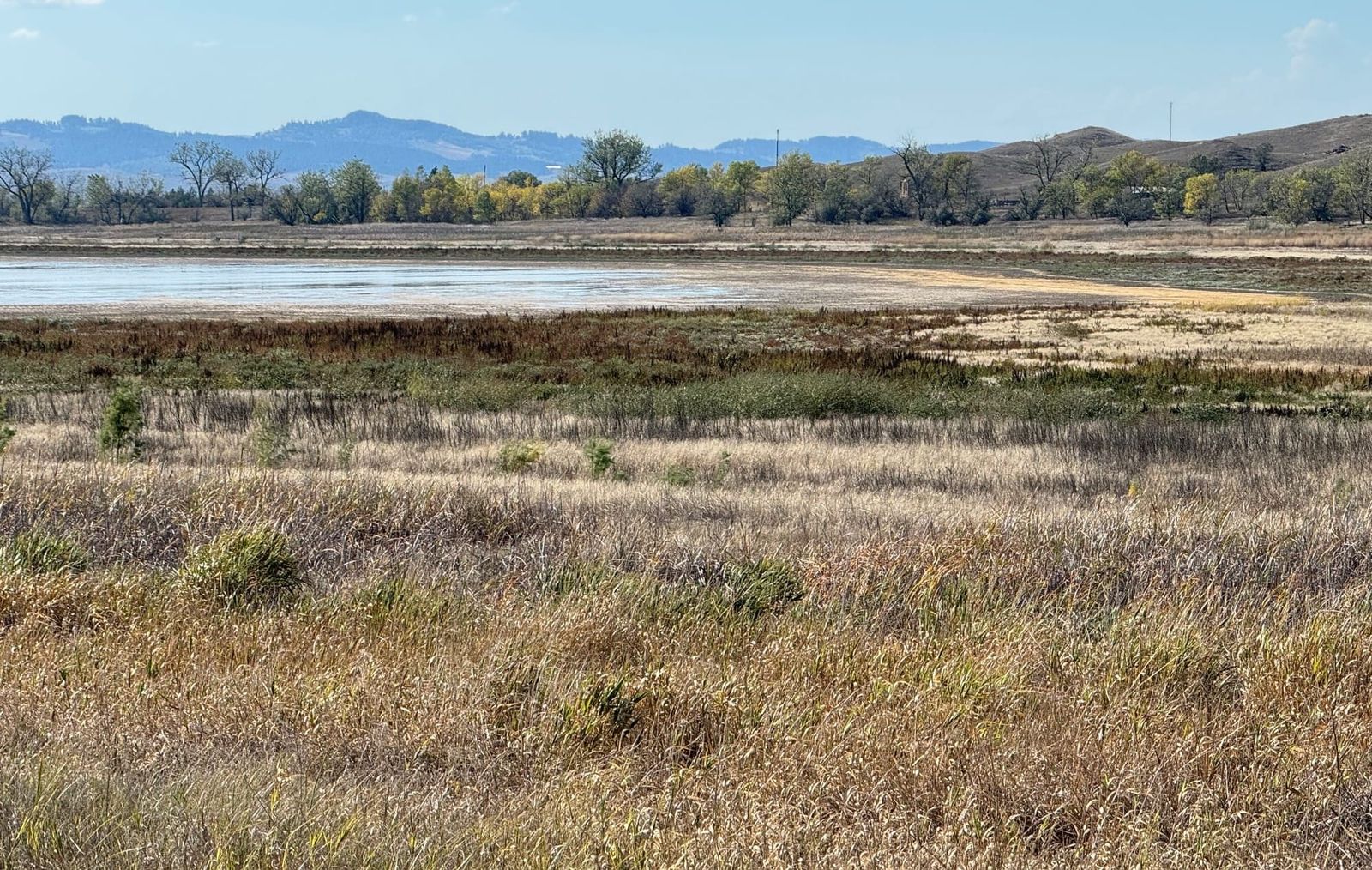
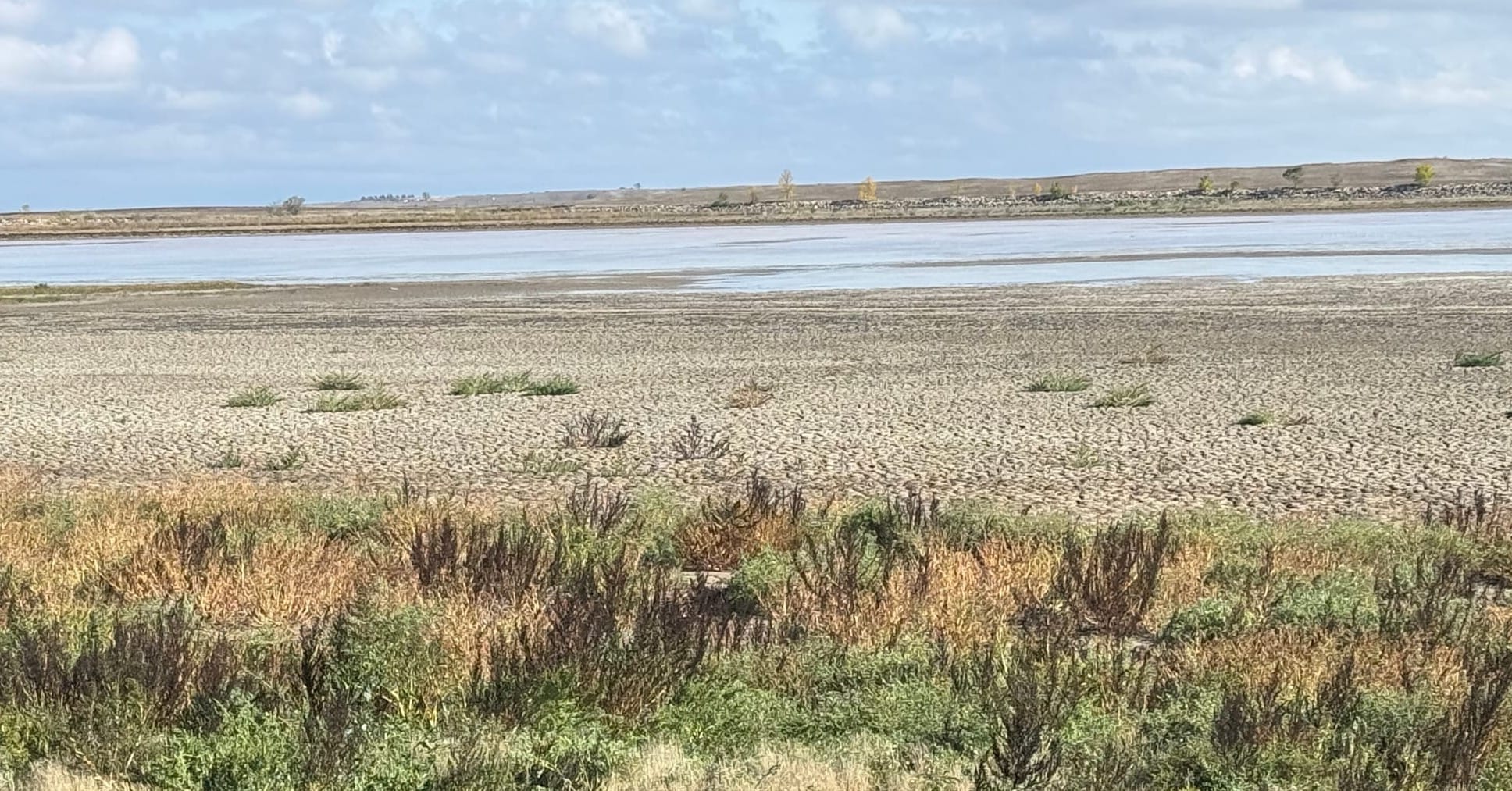
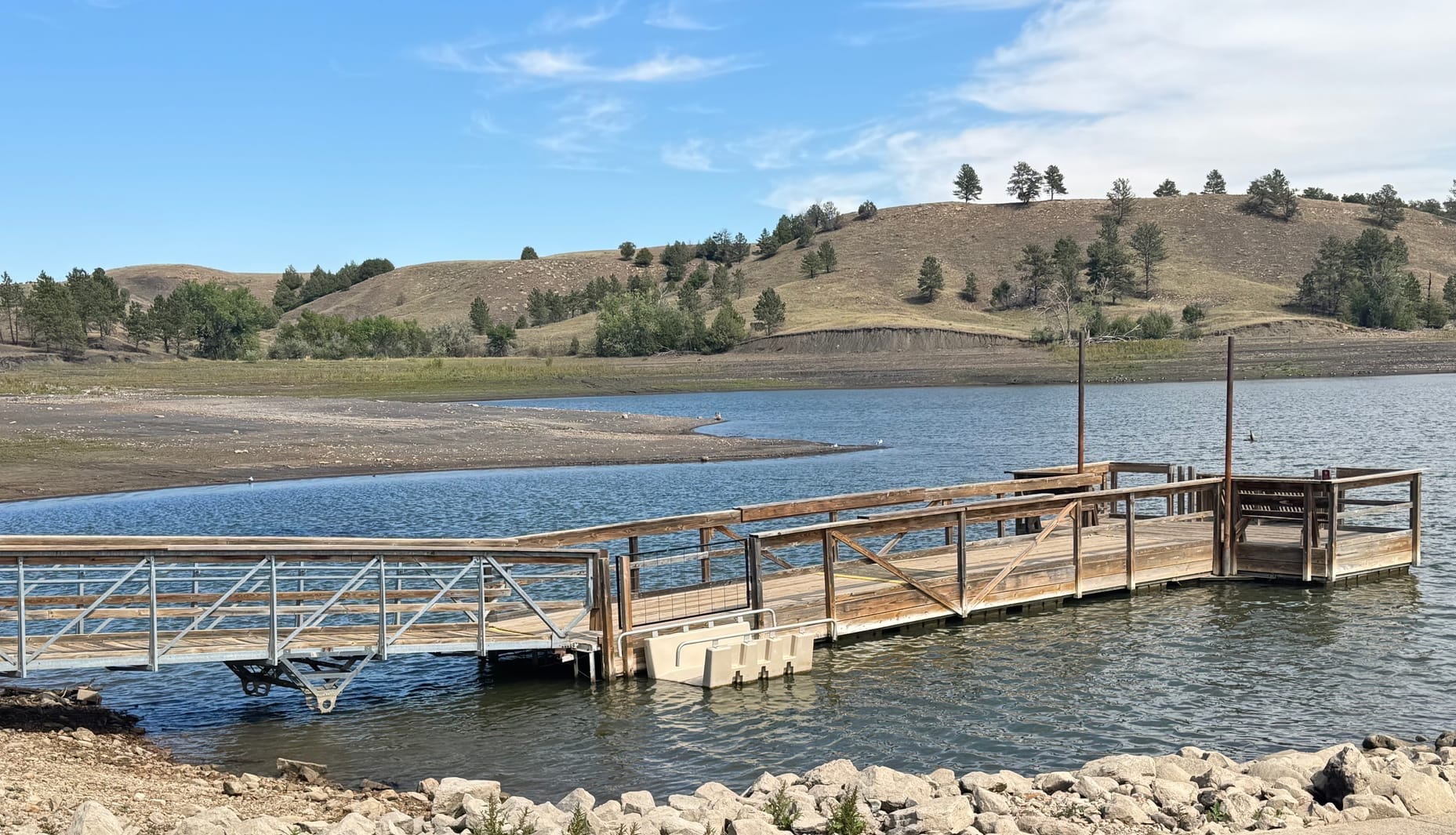
The lake that forms the centerpiece of the state park is usually a 215-acre expanse of fresh water that extends 15 feet deep and is home to walleye, crappie and catfish as well as an array of waterfowl and wildlife.
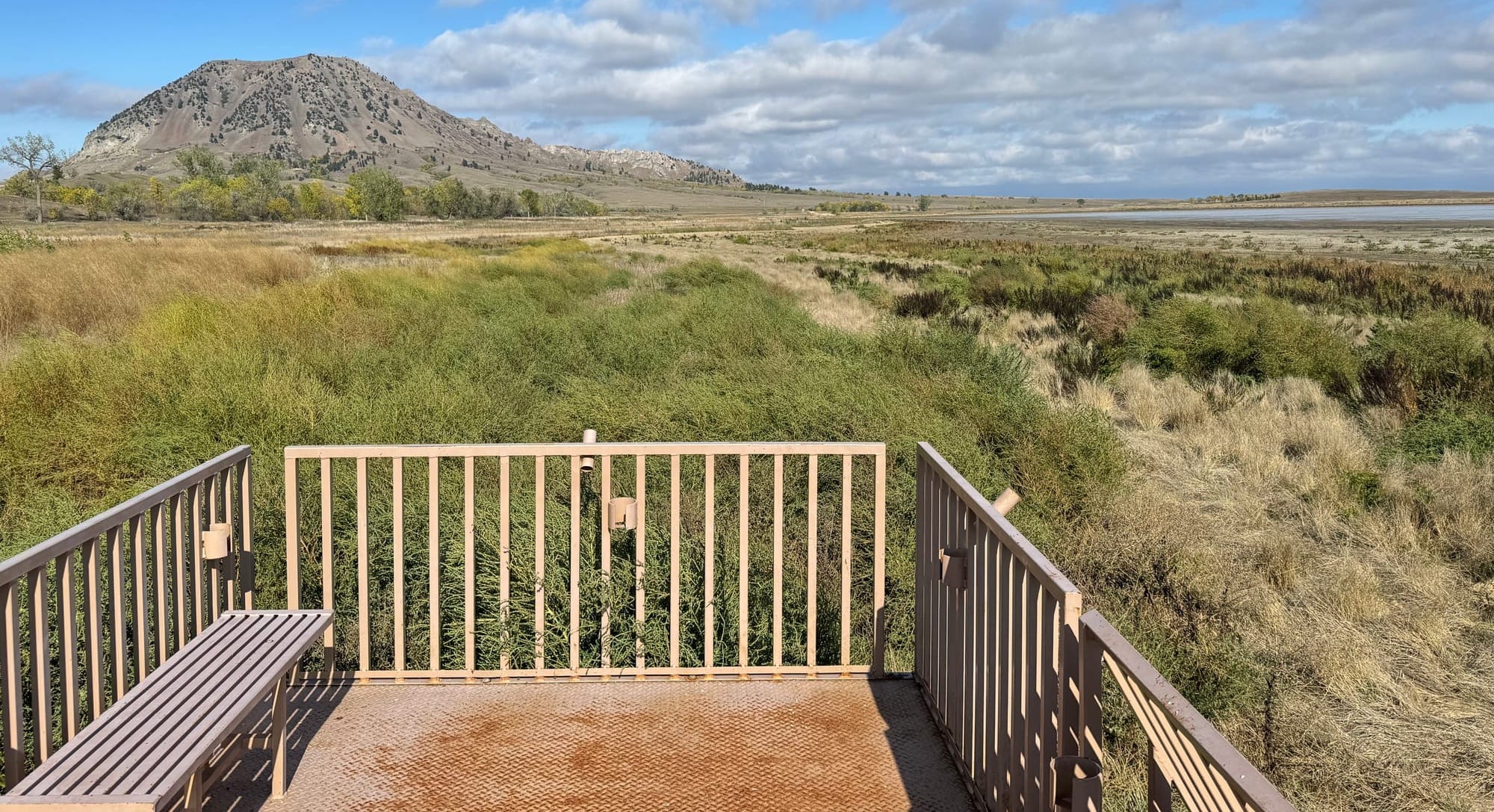
But this year, as lingering drought has combined with falling levels in underground aquifers, the lake is nearly gone. Only a small strip of surface water remains, with depths measured in inches instead of feet. A popular fishing pier is surrounded by hundreds of yards of baked-out lakebed and dried up vegetation.
Get free, fact-based South Dakota news and information in a weekday email. No spam. Cancel any time.
For the past several years in South Dakota, the combined effects of rising population, long-range drought and increased residential, commercial and agricultural water use are causing water shortages across the state.
Scientific readings show that many underground aquifers are drier than normal or seeing reduced water pressure caused by lower volumes.
But the naked eye can also see the outcomes.
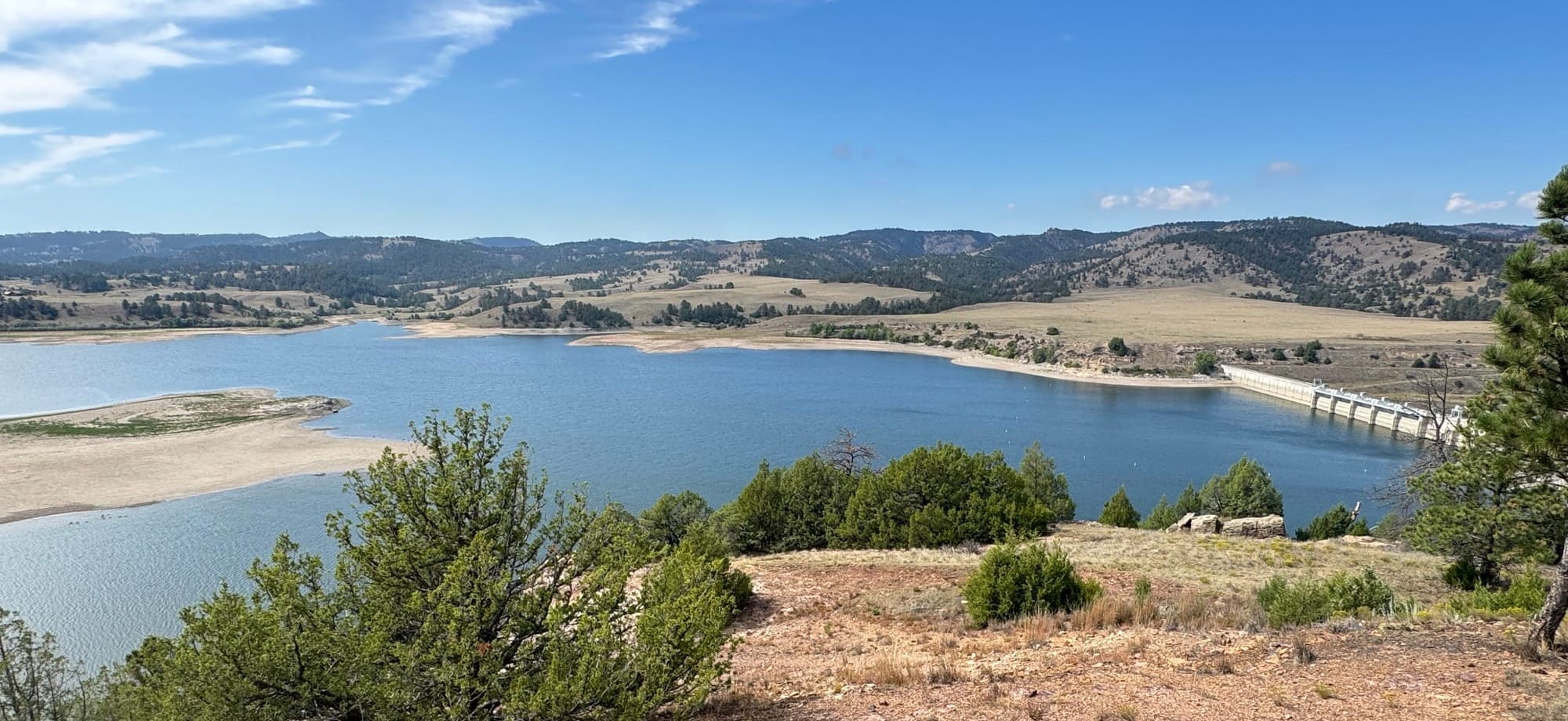
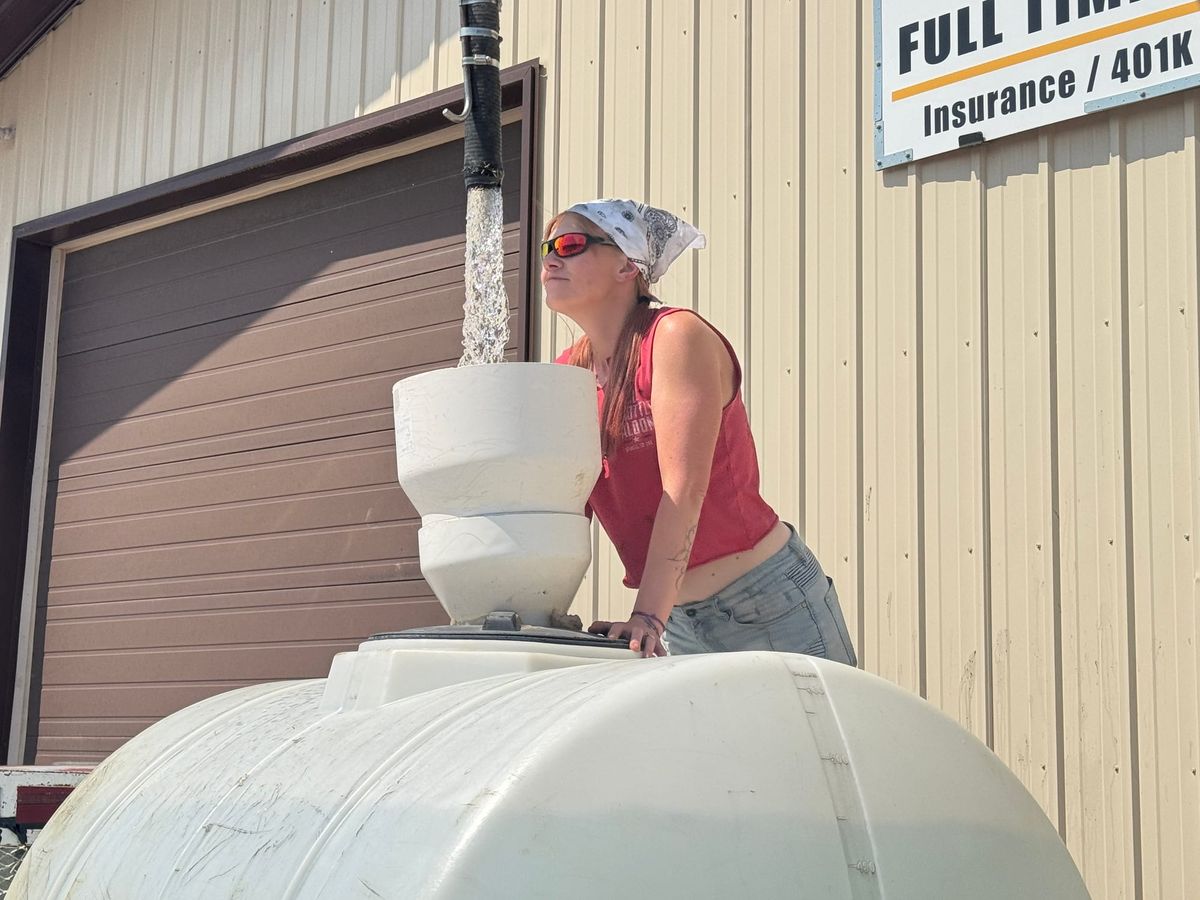
Water level drawdowns in West River areas are visible at Angostura, Bell Fourche and Pactola reservoirs and along the run of Spring Creek though the central Black Hills, which has run dry in spots where water flowed freely for generations. As previously reported by News Watch, wells are running low or dry at rural ranches and homesteads in the western half of the state.
In East River areas, the signs of a pending shortage are showing up at rural water systems that cannot take on new residential, commercial or agricultural customers because the aquifers they rely on are drying up or are fully committed due to existing water rights contracts.
 Bart Pfankuch
Even as some areas in the northeastern part of the state have seen high rainfall this year, the low water levels are causing region-wide concern.
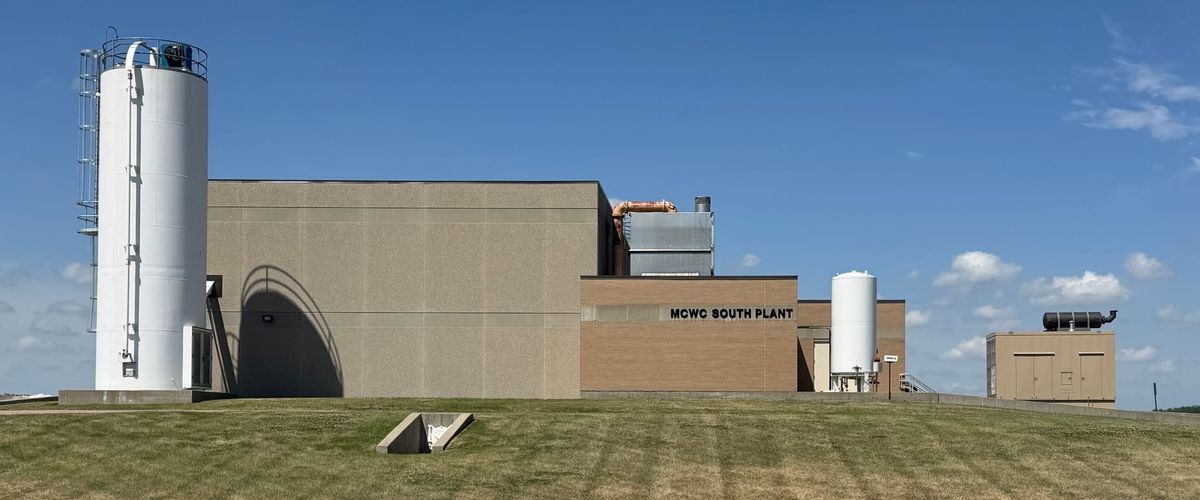
Some of the shortages have shown up in the Big Sioux Aquifer that serves several communities in eastern South Dakota, including in and around Sioux Falls.
"It's definitely a statewide issue," said Jay Gilbertson, manager of the Brookings-based East Dakota Water Development District. "If we continue to draw too much water, we’re going to be in trouble."
Gilbertson and other experts are concerned that drought conditions are preventing aquifers from recharging enough at a time when the number of wells being drilled for water is on a steady rise.
"At some point down the line, if the growth continues, we’ll reach a point where all the currently available water supply will be in use," he said. "In that case, the next family or business that comes to South Dakota will have to bring their own water."
Water woes drawing greater attention
State Sen. Helene Duhamel, a Rapid City Republican who has led efforts to seek new water sources for the state, said water concerns are driving discussion and development of new water project proposals, including expansions of existing systems in East River and a proposal to build a Missouri River pipeline to the Black Hills region.
“As a state, we’ve got to start to recognize that we’re in trouble if the aquifers can’t recharge fast enough and our lakes and reservoirs start to dry up,” Duhamel said. “It’s scary with our population growth and these cycles of drought that appear to be increasingly severe.”
Duhamel was part of a water resources informational meeting held in Sioux Falls in late October where representatives of several rural water systems shared details of their expansion projects that could total $13 billion over the next few decades.
 Bart Pfankuch
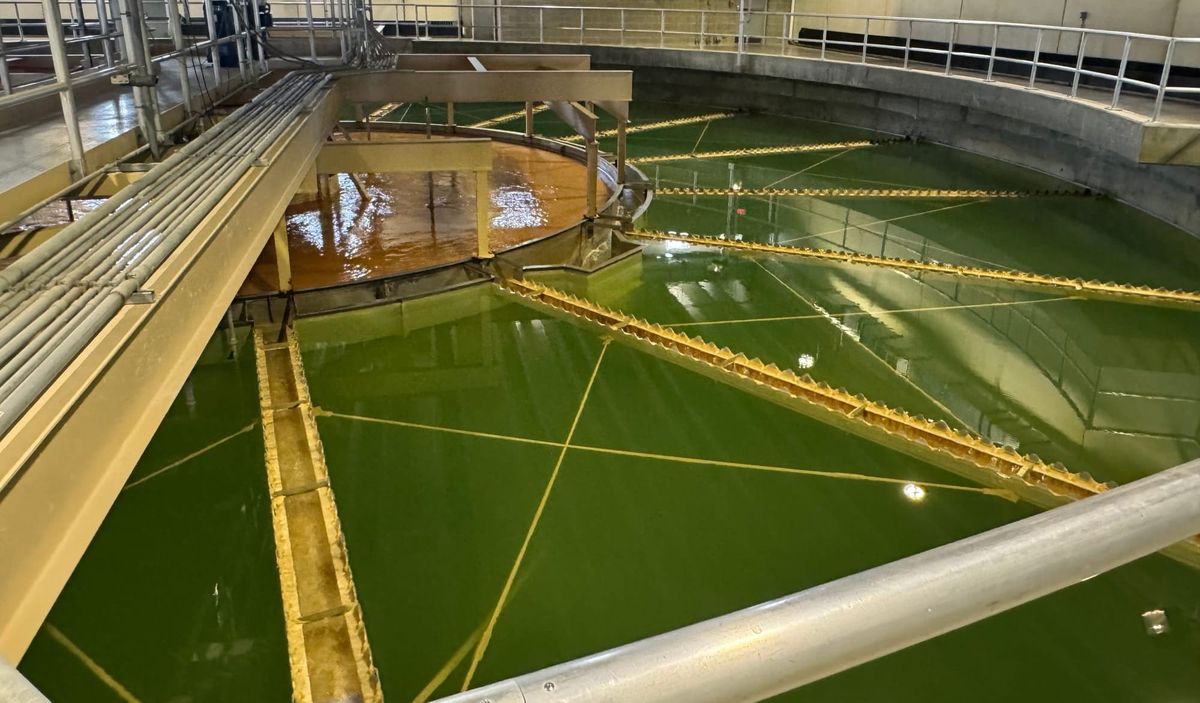
In western South Dakota, unlike the eastern half of the state, very few water systems tap into the Missouri River, which is seen as a nearly inexhaustible source of fresh water but which could someday be tapped for water use by other thirsty states.
Projects to bring more Missouri River water to East River areas are underway or in the planning stages, and a proposed Missouri River pipeline to the western half of the state is being studied.
In the meantime, many West River municipalities and districts have drilled wells into the Madison, Inyan Kara or Minnelusa aquifers to obtain drinking water.
According to the U.S. Geological Survey, less than a dozen municipal wells in four major Black Hills counties drew water from the aquifers in 1960. Now, there are nearly 100 such wells tapping the underground supplies.
The number of smaller systems and individual users tapping the aquifers has also risen over time, the data show.
SD uranium mines seek billions of gallons
Scientists are increasingly concerned over the water levels in the nation’s largest underground water source, the Ogallala Aquifer, that lies below eight states in the center of the nation, ranging from South Dakota to Texas. The aquifer supplies about a third of the water used for irrigation within the nation’s agricultural breadbasket.
A 2022 Nasa Earthdata analysis showed that the Ogallala is not recharging from precipitation fast enough to overcome heavy water use caused by the “human footprint” placed upon it, leading water levels to drop by up to 200 feet in some locations.
“The Ogallala Aquifer provides over 30% of the water for irrigation used in the country. However, overuse is rapidly depleting this aquifer, threatening those who depend on this resource," the mapping analysis states.
Meanwhile, water use concerns are rising in the southern Black Hills due to proposals to mine for uranium in the region.
The Dewey-Burdock in-situ uranium mining project proposed by Powertech USA, a subsidiary of enCore Energy, would use billions of gallons of water annually from the Inyan Kara and Madison aquifers to capture subsurface uranium on more than 12,000 acres of land northwest of Edgemont in the southern Black Hills. In-situ mining uses a closed system that circulates groundwater treated with oxygen and carbon dioxide to capture underground uranium, which is then separated and collected at the surface.
The project was proposed nearly 15 years ago but has been held up by legal challenges, though federal permit approvals were obtained earlier this year.
According to water-use applications filed recently with the South Dakota Department of Agriculture & Natural Resources, the company proposes drilling 1,000 wells into the Inyan Kara aquifer to use nearly 2.4. billion gallons per year, indicating a net water removal of 89 million gallons per year. The company has also proposed to drill two wells into the Madison aquifer and remove about 83 million gallons per year.
The company said it will restore the aquifers “by continued circulation of clean water through the wells until water quality reaches near-pre-existing conditions.”
Public comment on the project is being accepted by DANR until Nov. 9, and can be submitted online by clicking on the Petition/Comment Deadline tab within the Powertech applications listed in the Water Rights section. A hearing on the proposals before the South Dakota Water Management Board is scheduled for Dec. 2, and both proposals have been recommended for approval by the chief engineer of the water rights program.
Drought and water use impacts on the rise
While large, deep-water Black Hills aquifers such as the Madison, Minnelusa and Inyan Kara are lower in volume but still providing sufficient supplies of water, many smaller, shallower alluvial sources tapped by individual users of the aquifer are dry or getting close.
Jeremy Kientz, a fisheries supervisor for the South Dakota Game Fish and Parks Department, said low precipitation levels are the main culprit in causing the depletion of Bear Butte Lake, which is not fed by a spring or a creek.
But low aquifer levels also play a role in the drying up of stock ponds and small lakes across the state, he said.
“It’s all inter-related,” Kientz said. “When the aquifer is full, it’s easier for water to flow above ground, but when the aquifer is low, more water is seeping into the ground.”
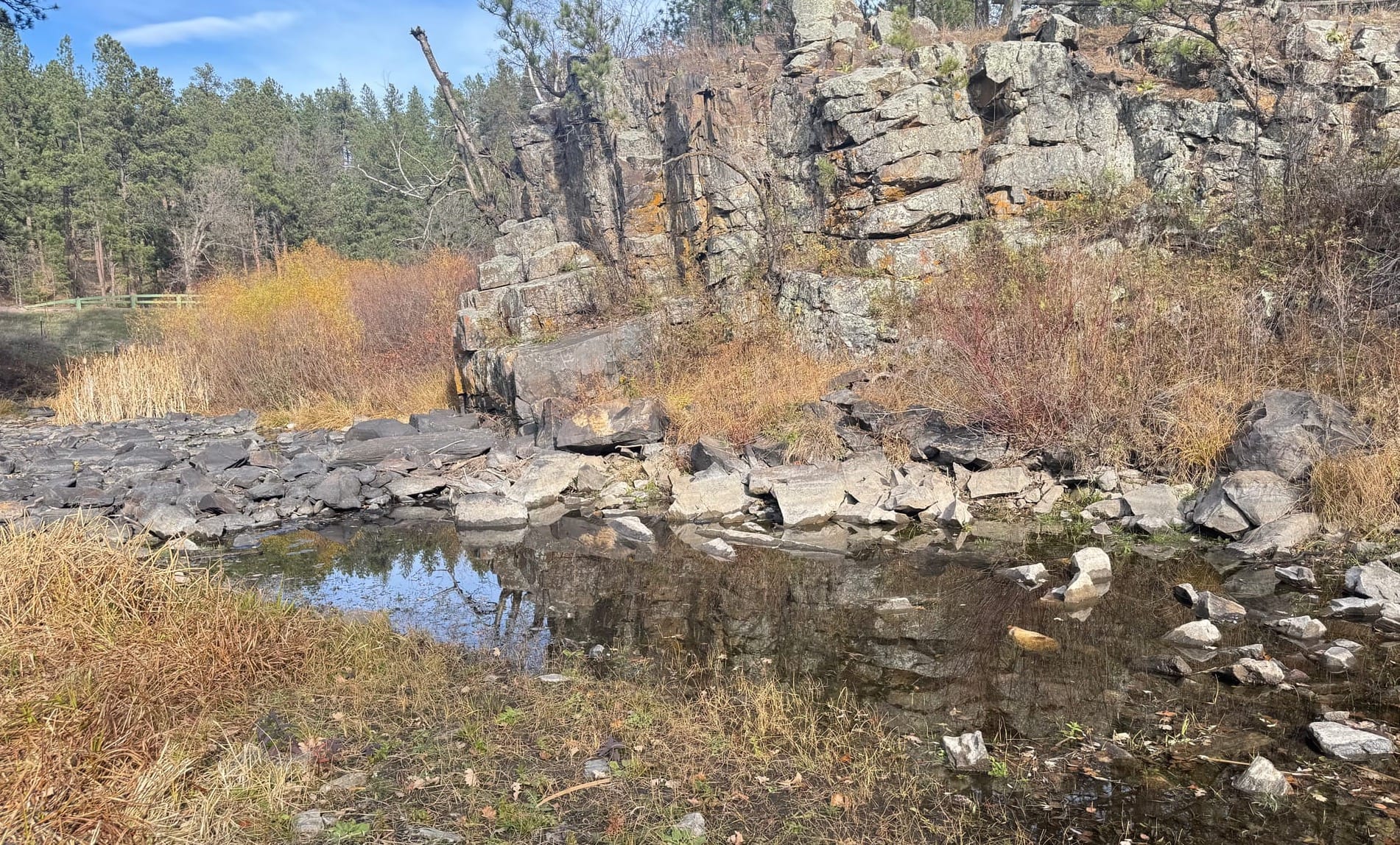
In another indicator of aquifer depletion, Kientz said the agency saw a creek-fed pond behind the GFP Outdoor Campus West in Rapid City run dry this summer.
“We’ve definitely seen less water flow from springs,” he said. “There’s less pressure from the aquifer coming up from those upwellings.”
Even some wells that don't go deep enough into the large aquifers could see reduced flows, according to Mark Anderson, an adjunct geology professor at South Dakota Mines in Rapid City and a former director with the U.S. Geological Survey.
USGS observation wells in and around Rapid City have revealed a downward trend in the "heads," or top levels, of the wells, he said.
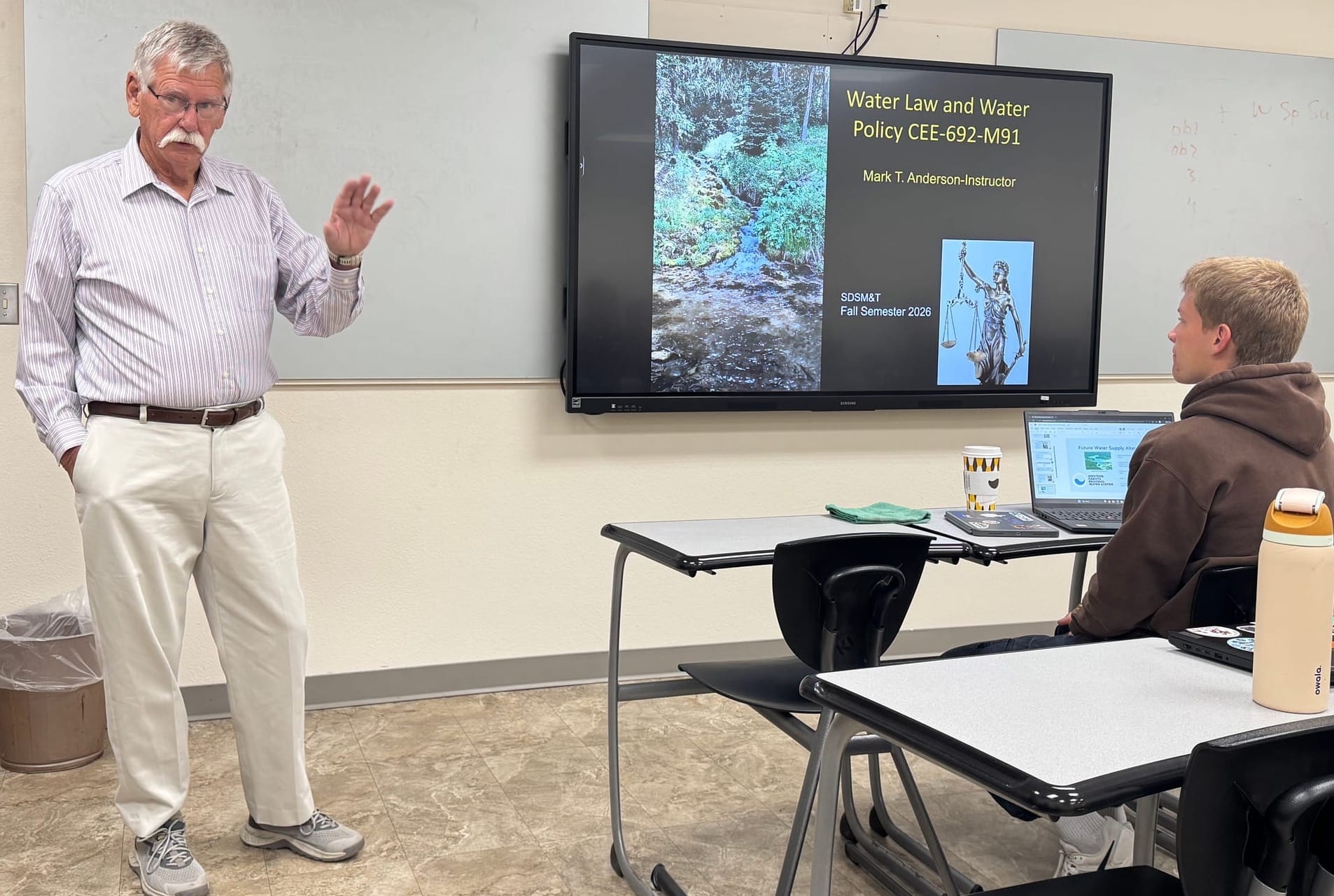
A well at Jackson Springs along Rapid Creek in Cleghorn Canyon monitors the aquifer level of a main water source for the Rapid City metro area, Anderson said. The USGS report shows the water level is showing a steady decline.
The lack of rain and snow across the Black Hills region and decline in aquifer levels is worrisome for the entire state because the high elevation region provides a source of recharge to surface and subsurface water sources all the way to Missouri River and even farther east, Anderson said.
"It's not a pending disaster, but if we have another year of drought like this, we're going to have big concerns in South Dakota," Anderson said. "We can survive a tough year, but if we have these conditions persist, the succession of low precipitation years is certainly a problem."
Legislature appears poised to act
The concern over lower water supplies led one West River lawmaker earlier this year to question if limits on future growth are needed in the Black Hills.
Meanwhile, until new pipeline projects come online, water experts are urging greater water conservation and reuse to protect supplies.
State Rep. Mike Derby has co-chaired an ad hoc legislative water development work group that met twice during the summer to educate lawmakers about water systems and potential shortages showing up across the state.
"It’s a bit of a wake-up call when we see wells drying up in South Dakota,” said Derby, a Rapid City Republican who co-chairs the Joint Appropriations Committee.
 Bart Pfankuch
One of Derby’s goals is to bring urgency to his legislative colleagues on a problem that to some can feel far into the future.
“We’re in that timeline where it’s like, ‘I’m going to plant a tree knowing that I’m not going to be around to get shade from it,’” he said.
Duhamel said the big effort during the 2027 legislative session will be to find money to pay for water projects.
“Everybody is waking up to this big problem we have,” Duhamel said. “The true thing that holds up water projects is that you can only grow at the pace of funding.”
In the 2026 session, Duhamel was the prime sponsor of Senate Bill 231, which passed and created the Water Infrastructure Development Fund, which was seeded with $3 million in state general funds to be used for grants and loans to support future rural water projects.
Duhamel said she will try to appropriate more money into that fund in the upcoming session, and could look to sources such as the contractor’s excise tax or money from unclaimed property.
“Water is life and there’s nothing more basic,” she said. “It’s also the fuel for economic development because if we want to grow this state, we can’t do it without water.”
Duhamel said she senses that legislative support is growing across the state to invest in water resource projects.
“It’s kind of a nonpartisan no-brainer to do something that really matters for our children and our grandchildren,” she said.
South Dakota News Watch is an independent nonprofit. Read, subscribe for free and donate at sdnewswatch.org. Contact content director Bart Pfankuch: 605-937-9398/ bart.pfankuch@sdnewswatch.org.