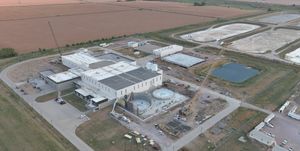
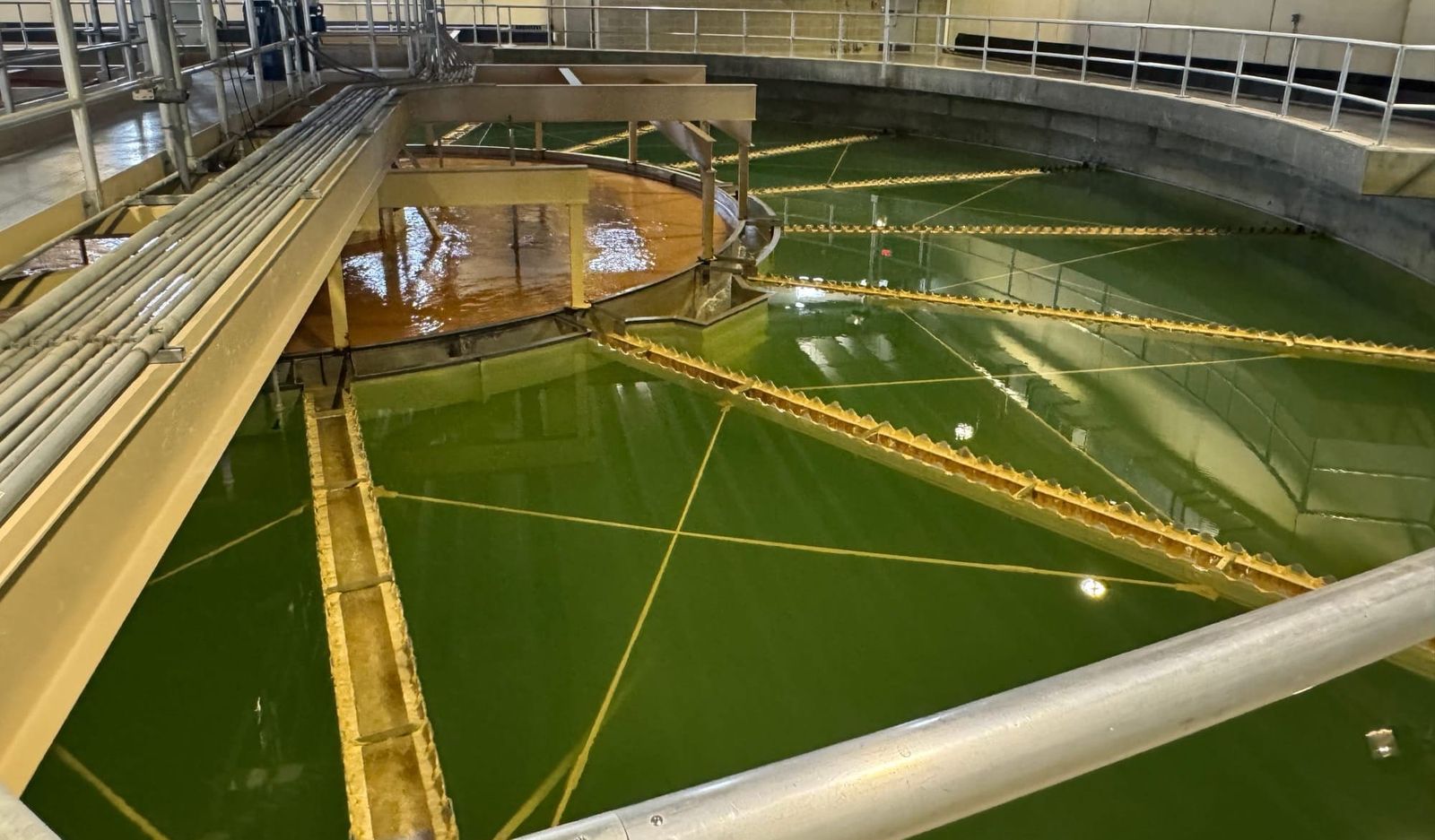
South Dakota water systems will increasingly turn to the Missouri River to provide water for future population, agricultural and industrial growth. But plans will require billions of dollars and decades of construction to keep taps flowing freely.

Compared to several states to the west, South Dakota is not even in the conversation of places in danger of experiencing a water crisis.
Arizona, New Mexico, California and Colorado are increasingly in panic mode trying to find reliable sources of drinking water to quench the thirst of growing populations and future generations.
Over its 137 years of statehood, South Dakota has relied on rivers and reservoirs but mostly on underground aquifers to provide high-quality fresh water in quantities sufficient to accommodate slow but steady population, agricultural and industrial growth.
"We have one of the greatest water resources in the world, the Missouri River, running right through our state. And if we don’t think of ways to utilize it properly, the concern is that other states will figure out a way." – Shane Phillips, executive director of WEB Water
But that comfort level is quickly evaporating, and signs of ongoing or potential water shortages are popping up in all corners of the state. Among them:
- The WEB Water system in Aberdeen has declared several portions of its service area as "moratoriums" in which no further water taps can be added until system capacity increases.
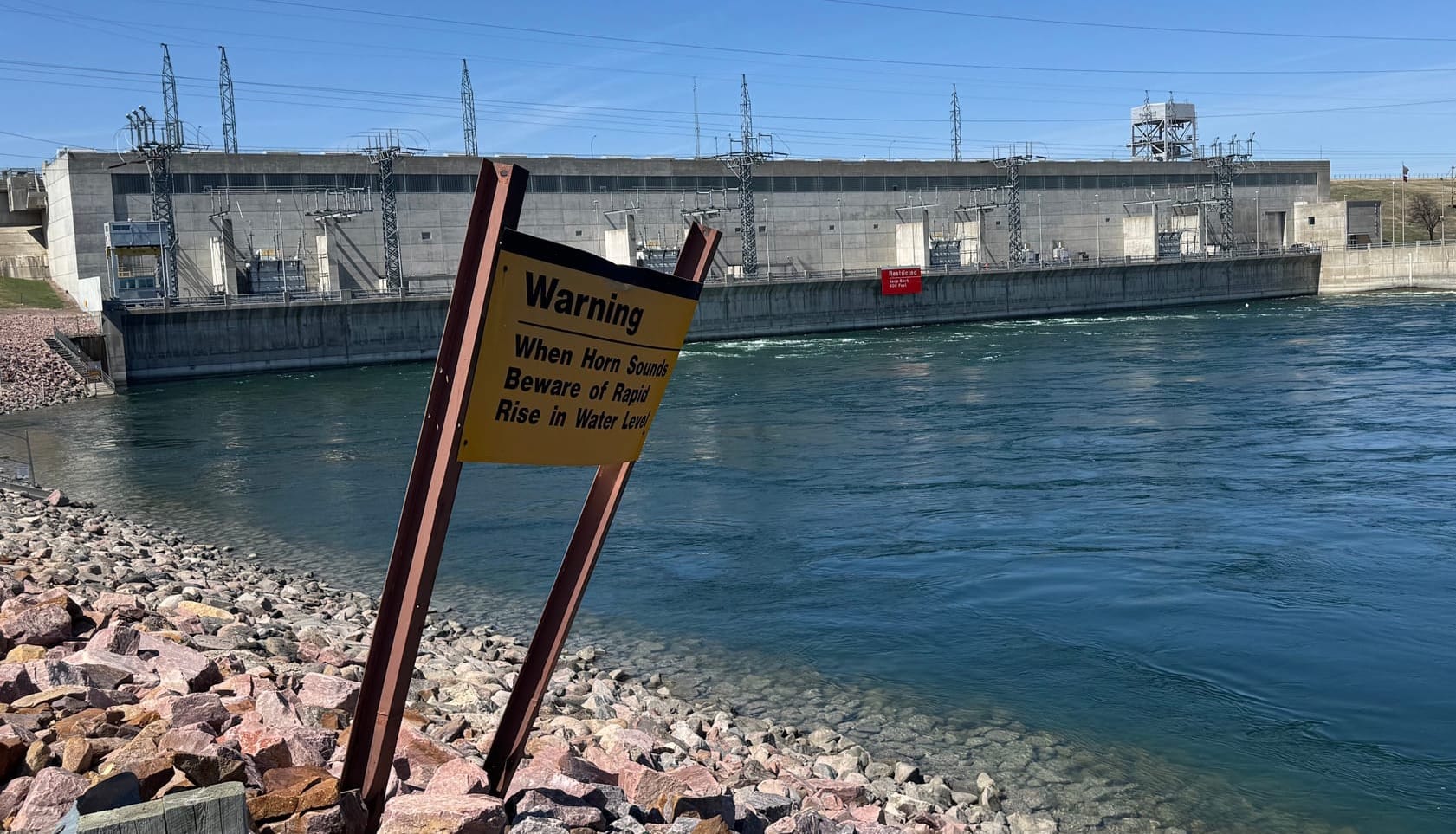
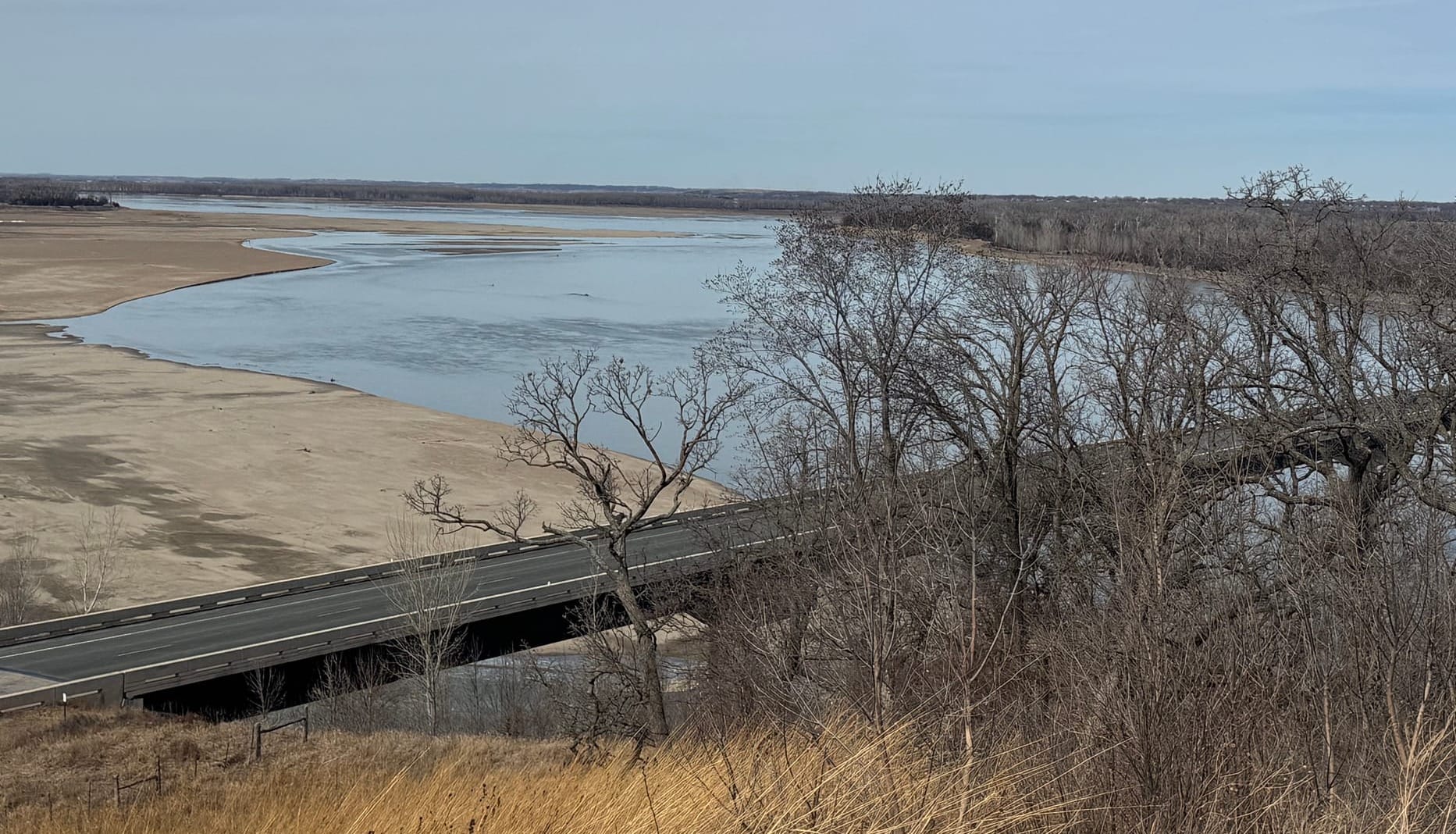
- The U.S. Army Corps of Engineers recently announced that ongoing drought has lowered Missouri River water levels, potentially affecting barge traffic, hydro-electric generation and recreational activities.
- Facing declining water levels in the Big Sioux Aquifer, the Minnehaha County Water Corp. in Dell Rapids has turned away potential high water use industrial employers to maintain service to existing residential and municipal customers.
- A 2025 federal geological survey showed that some of the "sub-aquifers" that provide fresh water to northern Black Hills communities are not recharging as fast as they are being depleted.
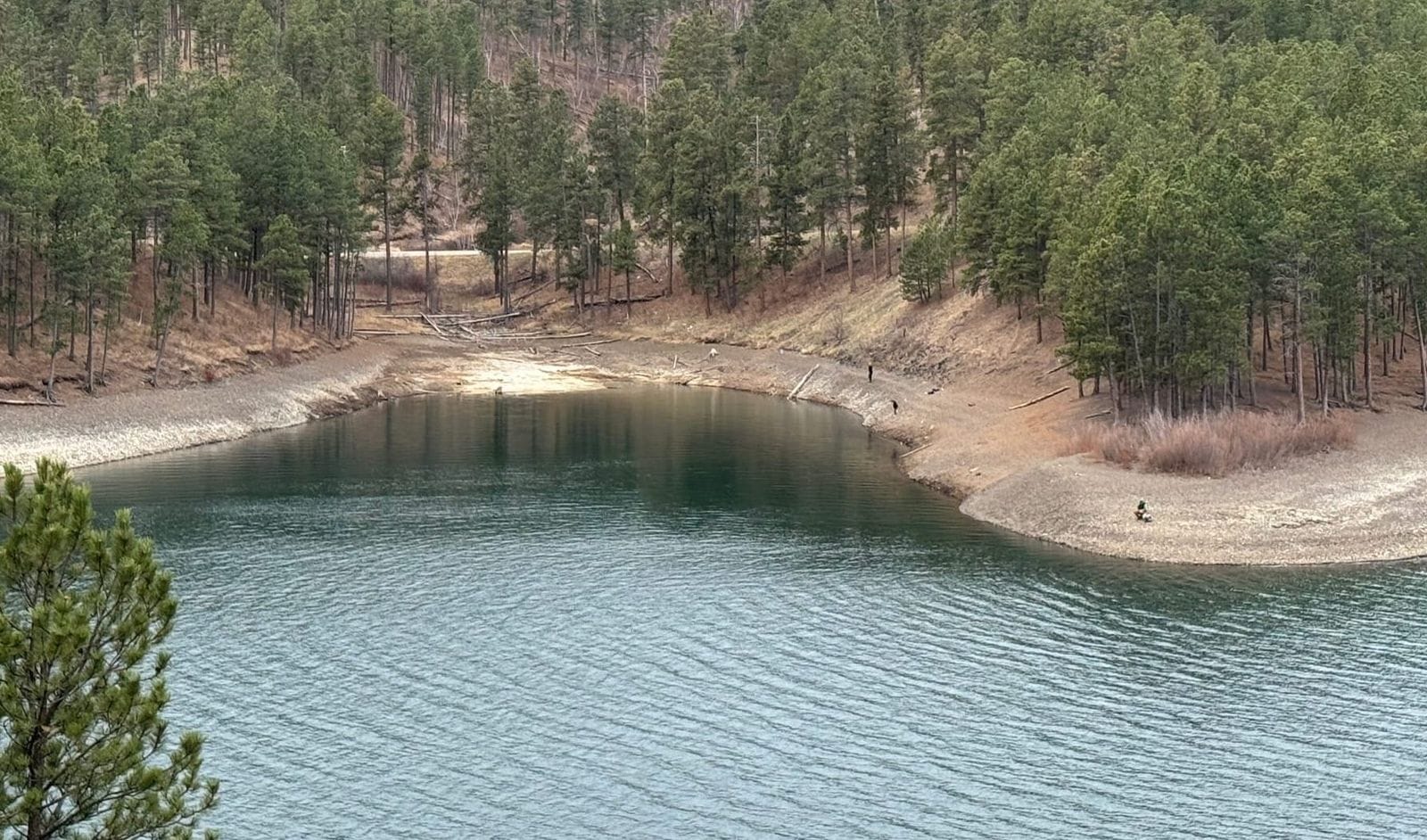
- Due to low water levels in Pactola Reservoir and a forecast of continued drought, Rapid City officials in April enacted summer water use restrictions two months earlier than usual.
Looking 40 years into the future
While those impacts are not seen as harbingers of an immediate or near-term crisis in the state, they are generating concern over what could happen if South Dakota waits too long to begin finding future reliable sources of water.
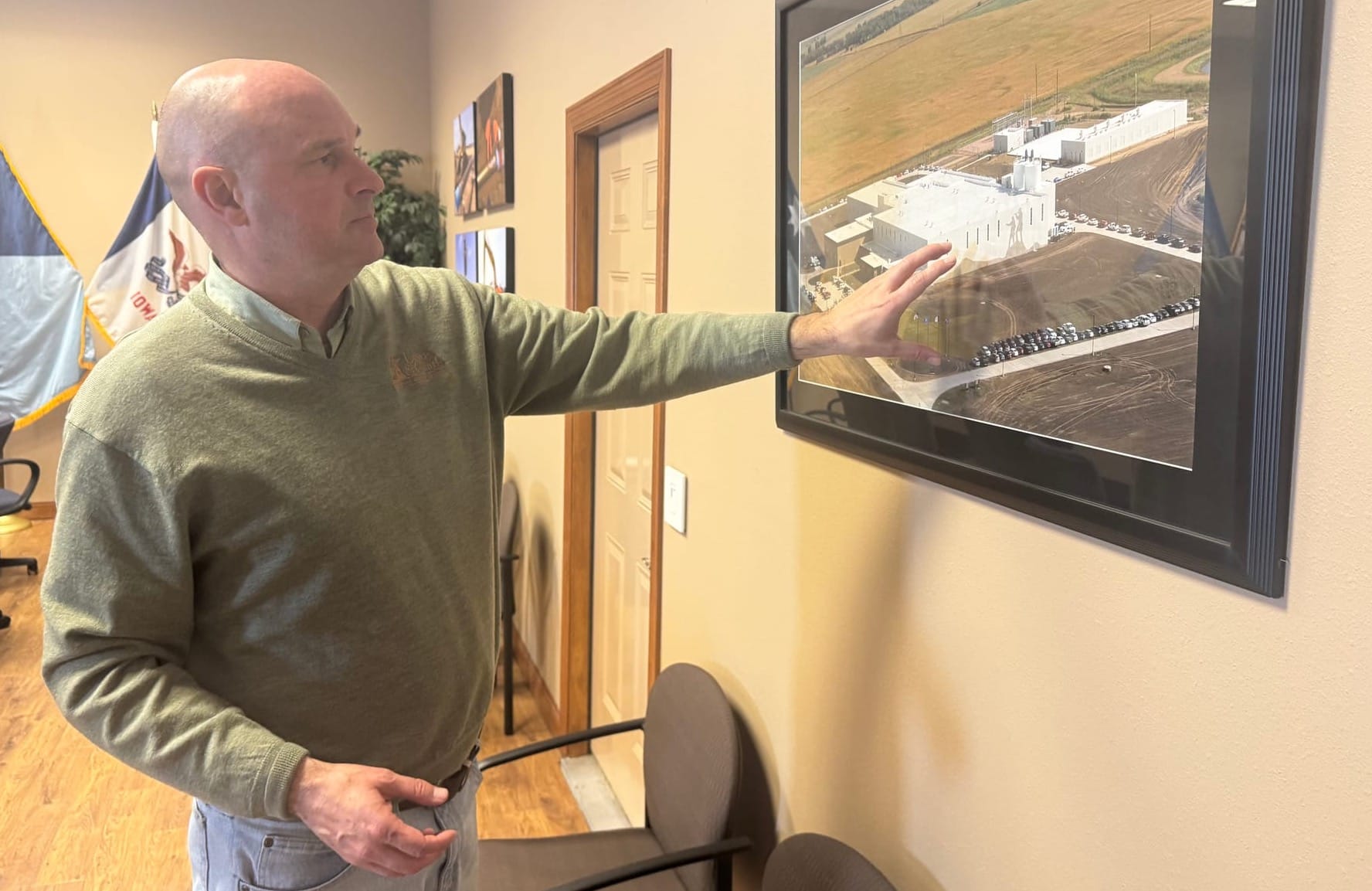
"Statewide, water managers are seeing this and realizing we need to start making plans now for 40 or 50 years into the future," said Shane Phillips, executive director of the WEB system that provides 6 million gallons of water a day to nearly 40,000 people and hundreds of farms and businesses in north-central South Dakota. "If you wait until the need is there, you're already way behind."
In response, local, regional and state water officials are pushing forward with water projects that will surely cost billions of dollars and increasingly tap into one of the world's greatest sources of fresh water and the longest river in the U.S. – the mighty Missouri River.
"There's a tsunami of water projects underway or under discussion in South Dakota right now," said Troy Larson, executive director of the Lewis & Clark Regional Water System, a massive South Dakota-based provider of water to much of the state's southeastern quadrant and parts of Iowa and Minnesota.
To grasp the scope of the proposals, News Watch reviewed documents and conducted interviews to gain an understanding of ongoing or planned major water projects in the state. The four largest:
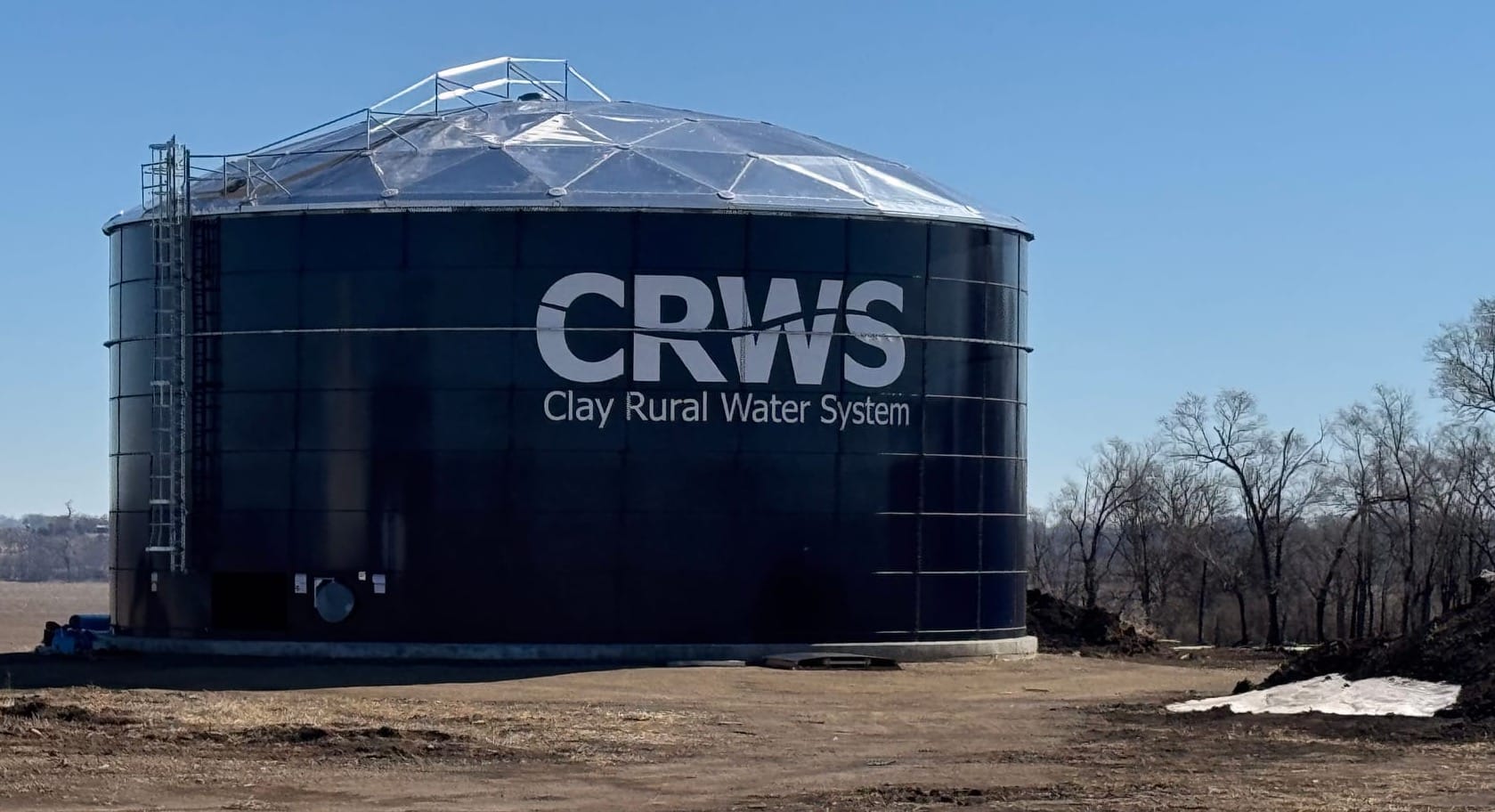
- Lewis & Clark is near completion of its $711 million "base system" that serves 20 communities, including Sioux Falls, with 44 millions of gallons per day (MGD). An expansion to 60 MGD is underway, with a second expansion to 155 MGD planned after that, all with a price tag of unknown billions of dollars.
- WEB water and its new WINS cooperative serving Aberdeen and communities to the east has made $20 million in improvements since 2016. The system is spending $82 million to expand its treatment plant and add a new 50-inch pipeline upgrade.
- Western Dakota Regional Water System representatives recently testified before Congress to seek approval of a feasibility study for a 165-mile, 71-inch pipeline from the Missouri River to Rapid City and more than 50 communities and systems in the Black Hills region. If approved, the project is estimated to cost at least $3 billion and take decades to construct.
- The Dakota Mainstem Regional Water System Inc. is also seeking congressional approval of a feasibility study on an ambitious project to pump Missouri River water to almost the entirety of East River South Dakota and parts of Minnesota and Iowa. The project could include a 96-inch main pipeline and a price tag of up to $10 billion.
"Experts have shown us that we’re straining our aquifers in South Dakota, and we need to act now so our future generations don't have to react," said Kristen Conzet, director of the Western Dakota system. "The cheapest time to do any of this is now if not yesterday."
Larson said the need for water is being driven mainly by population growth and a long-range drought in many areas of the state.
Other water managers said the state needs to be prepared to sustain existing industries such as agriculture production and ethanol and be ready to accommodate new businesses including data centers or other employers that may locate in South Dakota in the future.
Major water projects are paid for through a variety of sources. In a typical example, the $711 million Lewis & Clark base system was funded at 80% from the federal government, 10% from the three states serviced and 10% from customers, Larson said.
A shift to regional systems and the Mighty Mo
For generations, and currently in many regions, South Dakota homes, farms and municipalities mostly tapped into underground aquifers with individual wells to obtain fresh water.
But as the state has grown, and water pipeline and treatment technologies have evolved, the state has moved to a model known as "regional water systems" in which a main provider of water taps a river or reservoir and installs underground pipes for distribution.
The origin of the model dates back about 50 years to a heated battle that took place over how to obtain water from the Missouri River in the north-central part of the state and what to use it for.
The proposed Oahe Irrigation Project was a federal government effort to build a series of canals to provide Missouri River water to agricultural producers in a 190,000-acre area in Brown and Spink counties. But it faced opposition – largely from landowners who opposed the forced taking of their land – and caused heated division among residents, farmers, and local, state and federal officials.
Get South Dakota news and information in a free email on weekdays. Cancel any time.
After extensive lobbying of federal officials, and gaining control over a regional water board, opponents halted the project and its federal funding in 1978.
Roger Schuller, a third-generation farmer from Claremont, was a vocal opponent of the irrigation canals and has since become a historian of South Dakota water projects.
“We were trading a billion-dollar project for a lot less expensive project that would service thousands of people instead of a smaller amount of recipients who farmed,” Schuller, 82, told News Watch. “It changed the direction of water development in South Dakota.”
As the irrigation effort was unraveling, the WEB rural water system was taking shape as its replacement. The pipeline system, which carries fresh water to a wide swath of northeastern South Dakota, remains in operation and is now undergoing a large expansion.
“The WEB project, to my mind, was the start of the rural water revolution as we see it now in this state,” said Schuller, adding that the project fueled both population growth and the development of the ethanol industry in the region. “Water is the key for human consumption and for any industry you want. But you can expect controversy to arise around almost any water project.”
Internal, external race for water system capacity
From a broad perspective, South Dakota is in a race to obtain more Missouri River water on two separate fronts.
First off, the state needs to make investments now and begin building pipeline infrastructure because major systems can take 30 to 50 years to complete, said Kurt Pfeifle, executive director of the Dakota Mainstem project.
"I probably won’t be around when this project gets built," said Pfeifle, 66, who formerly was head of South Dakota Association of Rural Water Systems. "If you’re going to do these big things, you need to start now because it’s not going to get done quickly or be any cheaper than it is now."
But the state is also eager to build new water systems in order to get ahead of other states that could potentially try to tap into the Missouri River as a source for desperately needed water.
The threat of Colorado or New Mexico possibly building a pipeline to the Missouri is a topic that South Dakota water managers approach with caution because they don't want to legitimize a concept with a low likelihood of becoming reality.
But at the same time, it's one they must confront.
Support stories about rural South Dakota with a tax-deductible donation.
While no firm proposals are being considered, the U.S. Bureau of Reclamation did consider a proposal in 2012 backed by several Western states to tap the Missouri River. The idea never took hold, but it called for an $11 billion, 670-mile pipeline to provide water to 1.2 million customers in seven arid states that rely on the faltering Colorado River for water.
Phillips, director of WEB Water, said he has heard estimates that if the city of Denver implemented an additional 1% sales tax, the city could quickly afford to build a pipeline to the Missouri River. If other states tap the Missouri, it could reduce water availability for states that already rely on the river, including South Dakota.
"We have one of the greatest water resources in the world, the Missouri River, running right through our state. And if we don’t think of ways to utilize it properly, the concern is that other states will figure out a way," Phillips said. "It’s a cautionary tale and a reminder that we need to plan for the future now."
 Bart Pfankuch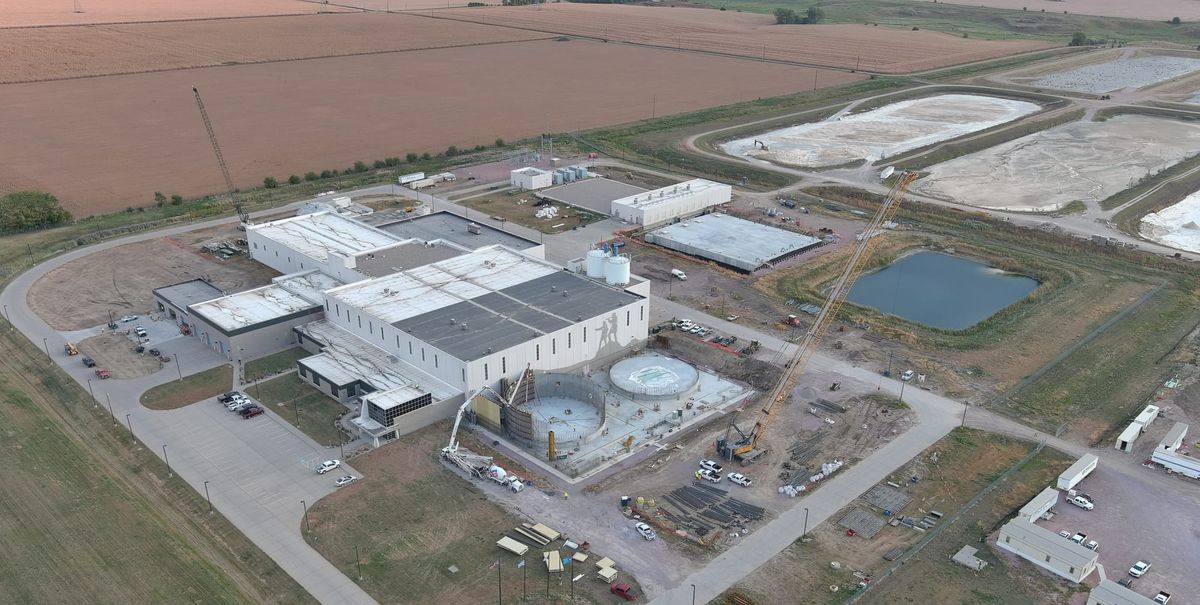
South Dakota News Watch is an independent nonprofit. Read, donate and subscribe for free at sdnewswatch.org. Contact content director Bart Pfankuch: 605-937-9398/bart.pfankuch@sdnewswatch.org.