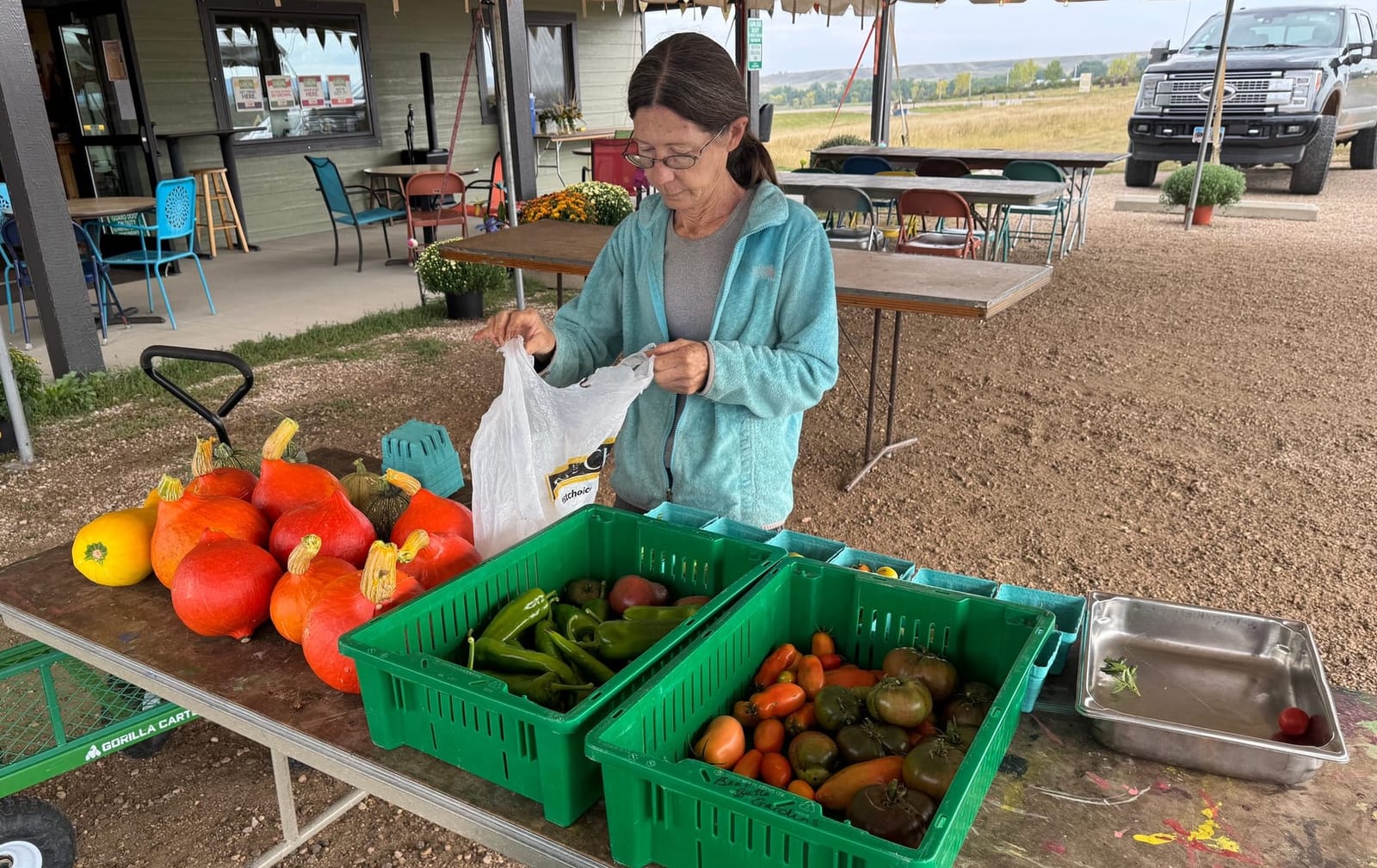

STURGIS, S.D. – Driving up a dirt road to the small produce stand at Bear Butte Gardens just outside Sturgis, one would never imagine the incredibly diverse ways that the organic farm is capitalizing on the rising consumer interest in healthy foods and the farm-to-table movement.
The seasonal vegetables sold at the stand remain a viable revenue stream for co-owners Michelle and Rick Grosek, who have found myriad ways to attract customers and keep their 80-acre, organically certified farm financially strong.
They sell their produce and home-cooked foods to grocers and restaurants. They offer regular farm tours for adults and children. And they hold cooking and gardening classes and special meals like a recent five-course mushroom dinner.
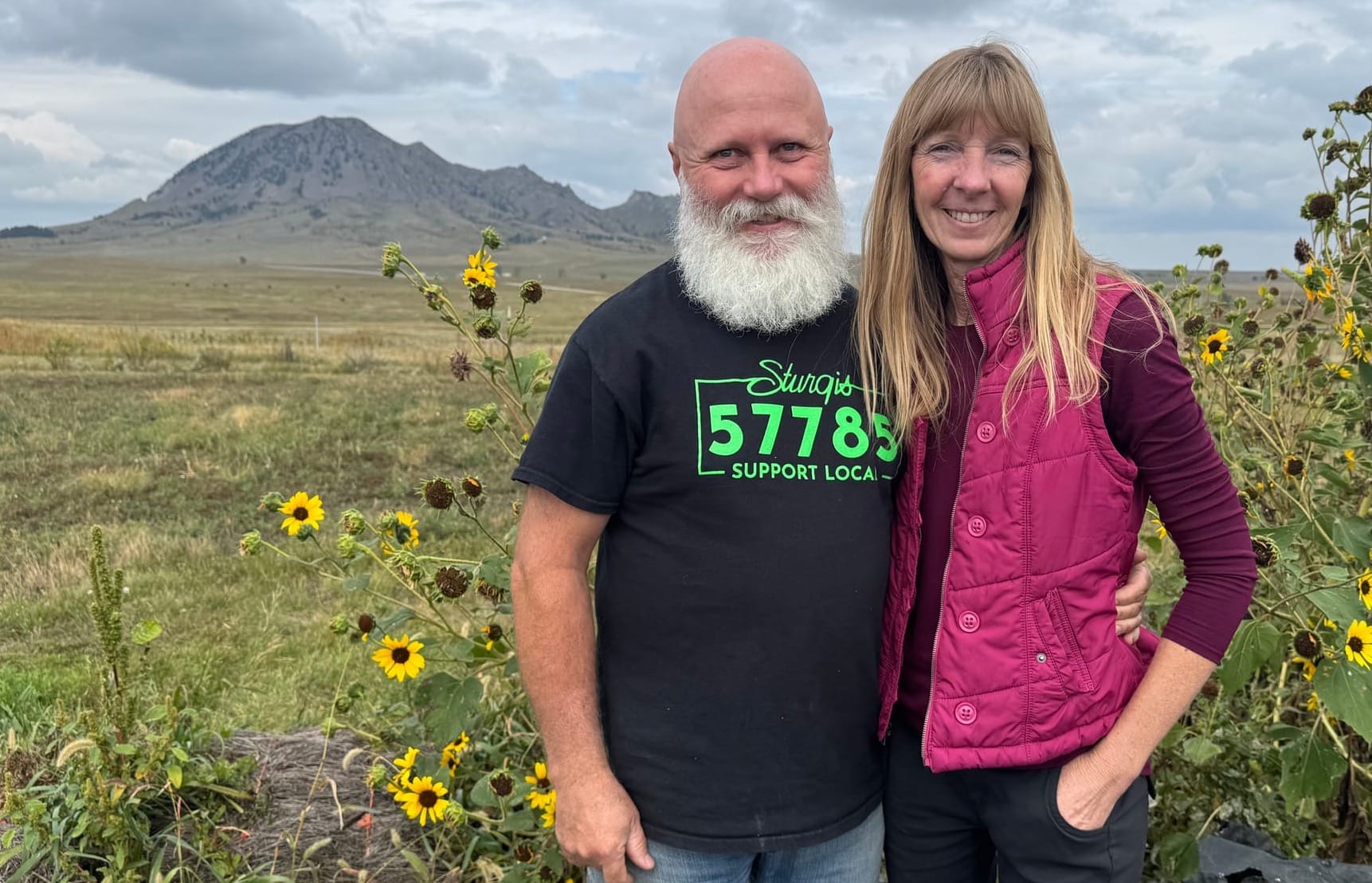
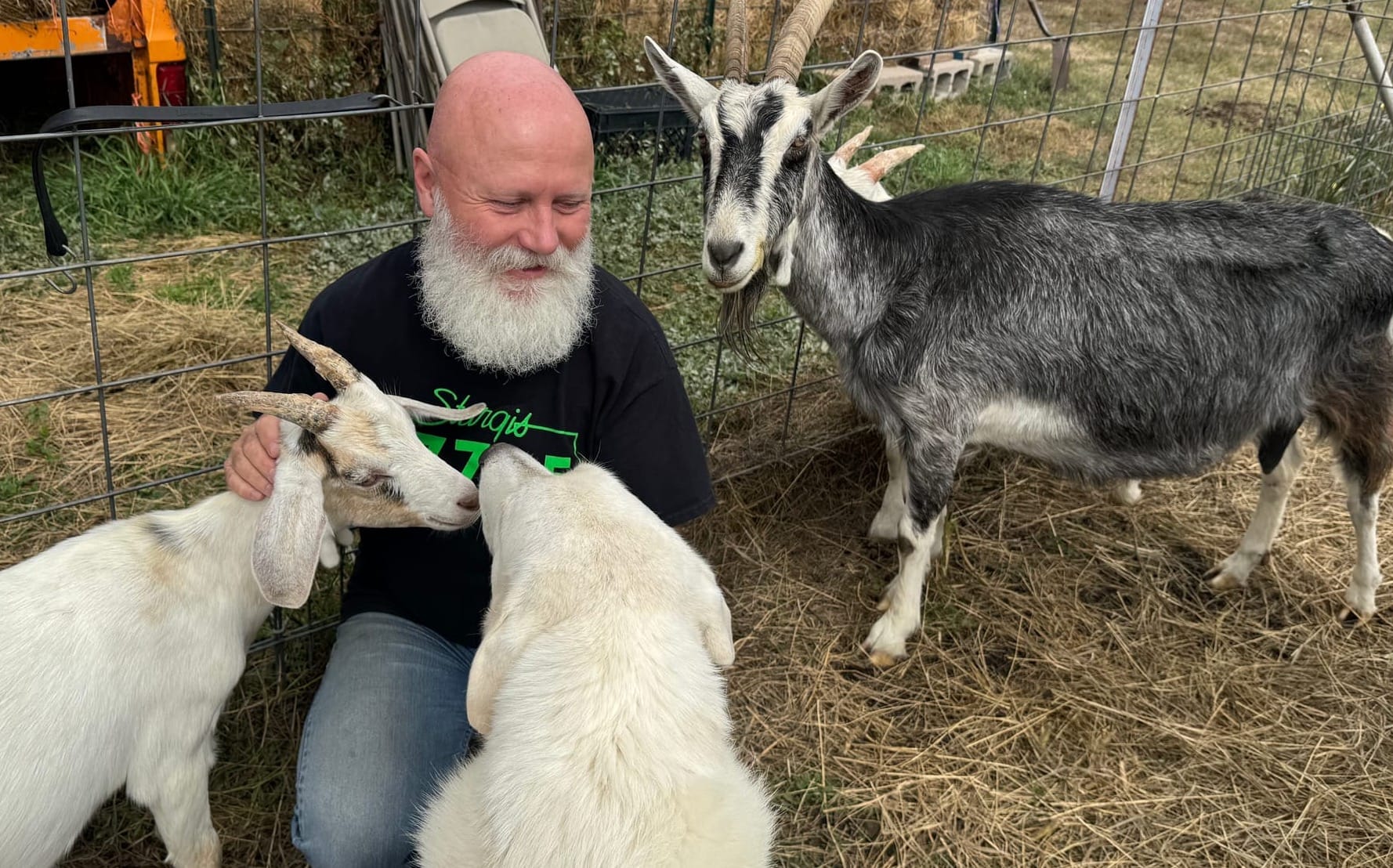
They also host community festivals, including a woolen fiber festival where sheep were sheared and a Winter Wonderland Festival where Rick, whose natural beard outshines the whiskers of any mall Santa, dressed up like Kris Kringle.
Bear Butte Gardens also welcomes travelers, including campers and RVers as well as people who stay in a nightly Airbnb-style rental home that puts them in the middle of the farm and within easy gaze of the 1,200-foot-tall Bear Butte geological formation.
Support stories about rural South Dakota with a tax-deductible donation.
The Groseks are also training to become organic farm inspectors for the U.S. Department of Agriculture.
"We're going strong, but we do a lot of diverse things with our products so we don’t have all our eggs in one basket, so to speak," Michelle Grosek said of the farm that began operating in 2010.
 Bart Pfankuch
She said 2025 was a slow sales year for the farm, likely due to a weak national economy and a reduction in tourists, especially from Canada.
Demand for locally grown foods rising
Despite the minor slowdown in 2025, the demand for locally grown vegetables and meats continues to rise in the U.S. and in South Dakota, said Angela Jackson, an organic transition advisor with the South Dakota Speciality Producers Association.
"The demand for these products is going up for sure," Jackson said. "We have a lot of young families especially who are seeking these products."
Jackson works with the specialty producers group and the USDA to help farmers navigate the process to become formally USDA-certified to legally label their products as organic. The certification provides consumers with guarantees about how foods are grown and processed and can enable producers to charge more for their goods.
In the locally grown food industry, there is a legal distinction between products that can be labeled as "organic" and those that are not. Many local producers use no or minimal pesticides, for example, but only those who go through certification can legally use that term on their products.
South Dakota remains in the bottom third nationally in the number of USDA organically certified farms and livestock operations, and the number of certified producers has fallen in recent years, Jackson said.
USDA data shows that the state had 124 certified producers in 2022 but had 87 as of December. In 2022, the last year the USDA published its national agricultural survey, South Dakota generated $14 million in sales of organic goods.
Jackson said some producers let certifications lapse because the process became too expensive. Some farmers told News Watch that there was simply too much red tape to make certification worth the effort.
"Going from farm to fork is very challenging," said Jackson, who operates a USDA-certified farm, PrairieSun Organics, near Vermillion.
Keeping revenues in South Dakota
Jackson said she is working with a number of South Dakota farmers who are in the process of becoming USDA certified.
But whether certified or not, Jackson said farms that focus on growing healthy foods provide producers with the opportunity to serve a growing consumer base and hopefully keep more agricultural dollars in the state.
"We grow and process foods on the farm and package it for direct sale to the consumer, and there's value in not losing that money to an out-of-state processor," she said. "We capitalize on that and increase our net profit."
Jackson said local producers also protect the environment and provide an overall boost to the local economy not seen when vegetables and other products are imported from other states and countries.
"I believe that it’s better for the environment and it helps rural communities," she said.
Challenges to fast growth in South Dakota
One barrier to expanded production and consumption of locally grown foods in South Dakota is the geography and population of the state itself, said Blake Pulse, a researcher and Ph.D. candidate at South Dakota State University in Brookings.
The low population and spread-out nature of the state make it harder for small producers to get their products in front of interested consumers, Pulse said.
"When you think about South Dakota agriculture, it’s the corn, the soybeans and the cattle, and not necessarily tomatoes and carrots and other fresh fruits and vegetables," he said. "Buying South Dakota-grown products requires more labor on the consumer’s part because we haven’t reached the institutional and grocery store level for those goods yet."
 Bart Pfankuch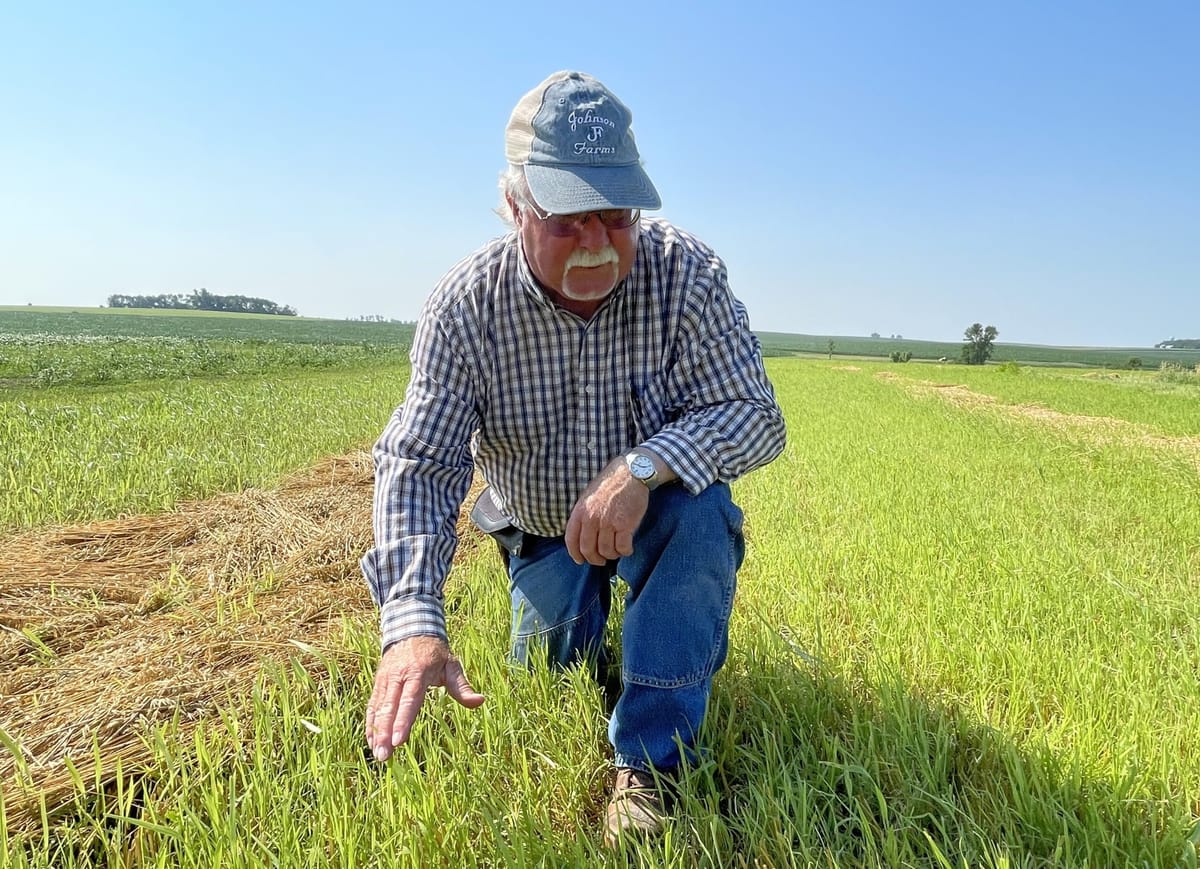
But Pulse said there are positive signs in the supply chain for locally grown and organic foods. One example is food hubs in which producers combine efforts to get products to eager consumer markets, either in small stores and stands or in restaurants.
"It covers the intersection between producer and consumer," he said. "It allows for grouping of products to reach a larger market."
Poultry grower sees strong growth
The challenges in the supply chain have not stunted the growth of Odessa Farms, a small but thriving organic chicken production facility in Butte County.
Owners Meghan and Joe Volk of Nisland have doubled production in each of the past few years as the market for locally grown meat continues to increase in western South Dakota.
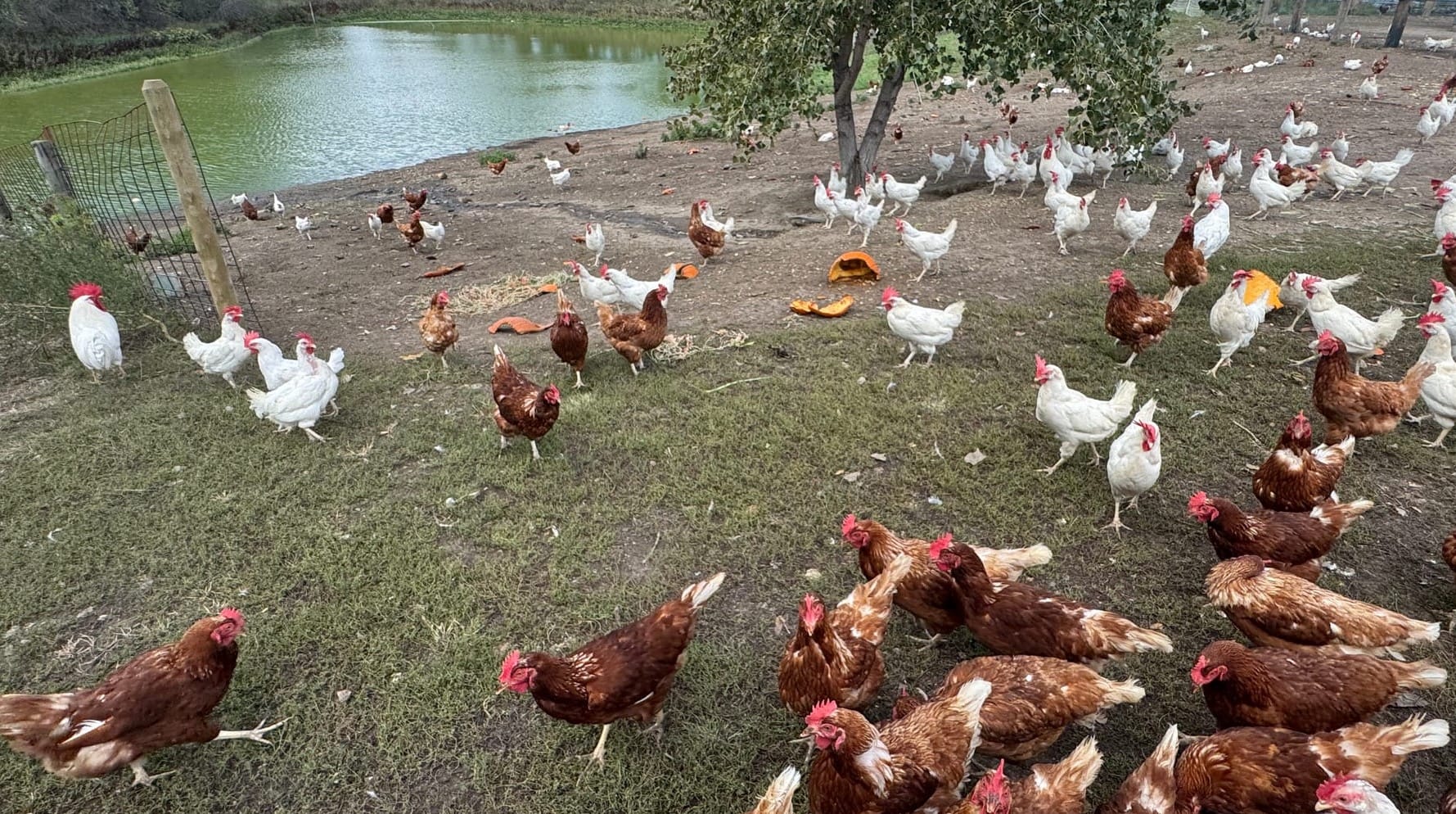
The Volks will raise and process about 5,500 meat chickens this year, selling them to restaurants, individual consumers and a few local organic grocery stores. Their birds arrive from North Dakota as chicks in May and July, then spend their days free-ranging on grass while being fed organic grain.
The birds are allowed to grow a few weeks longer than traditional commercial poultry and have smaller breasts, more dark meat and a richer flavor as a result, Megan Volk said. Prices for their products are a few dollars more per pound than chickens grown on larger production farms, she said.
“There’s a market out there of people who want their food grown locally and humanely, and a big part of our farm is that we want our animals to live the absolute best life they can,” she said. “We don’t compete with Walmart or any big box stores on quantity, but they can’t compete with us for quality.”
This story was produced by South Dakota News Watch, an independent, nonprofit organization. Read more stories and donate at sdnewswatch.org and sign up for an email to get stories when they're published. Contact content director Bart Pfankuch at bart.pfankuch@sdnewswatch.org.