“People seem to feel that they need to know something about it before they can come. There's also a perception that you have to dress up, like tuxedos or dresses and this sort of thing. Neither of those things are true.”

Subscription and single-ticket sales are up for South Dakota's two professional symphony orchestras as the season begins, in part because new audiences are discovering the in-person classical music concerts.
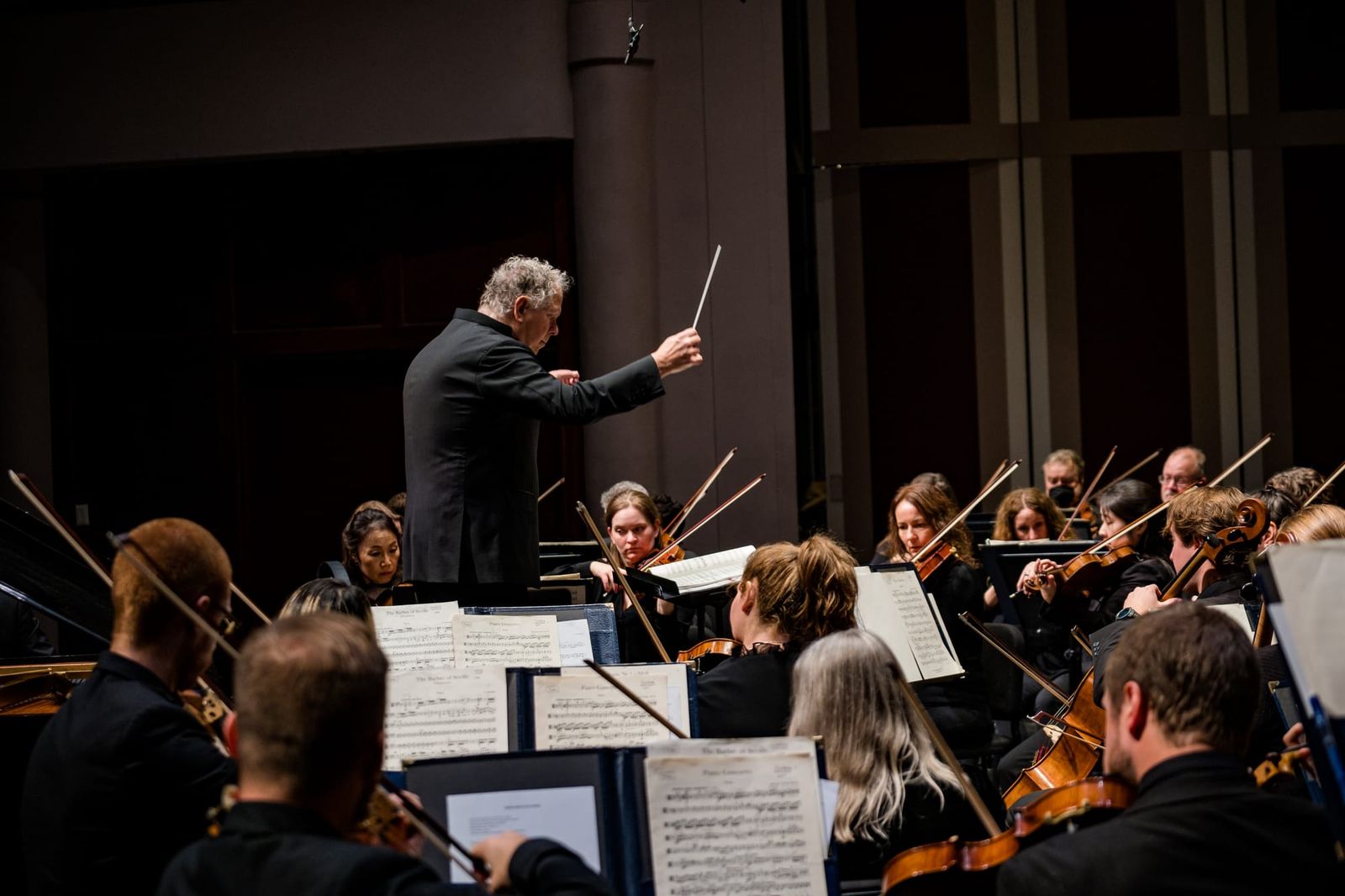
Delta David Gier, who's been music director of the South Dakota Symphony Orchestra in Sioux Falls since 2004, said it works hard to make classical music accessible to everyone. A common misconception is that classical music is elitist, and to attend a concert, people must already have a base of knowledge about it, he said.
“People seem to feel that they need to know something about it before they can come. There's also a perception that you have to dress up, like tuxedos or dresses and this sort of thing. Neither of those things are true,” Gier said.
 Stu Whitney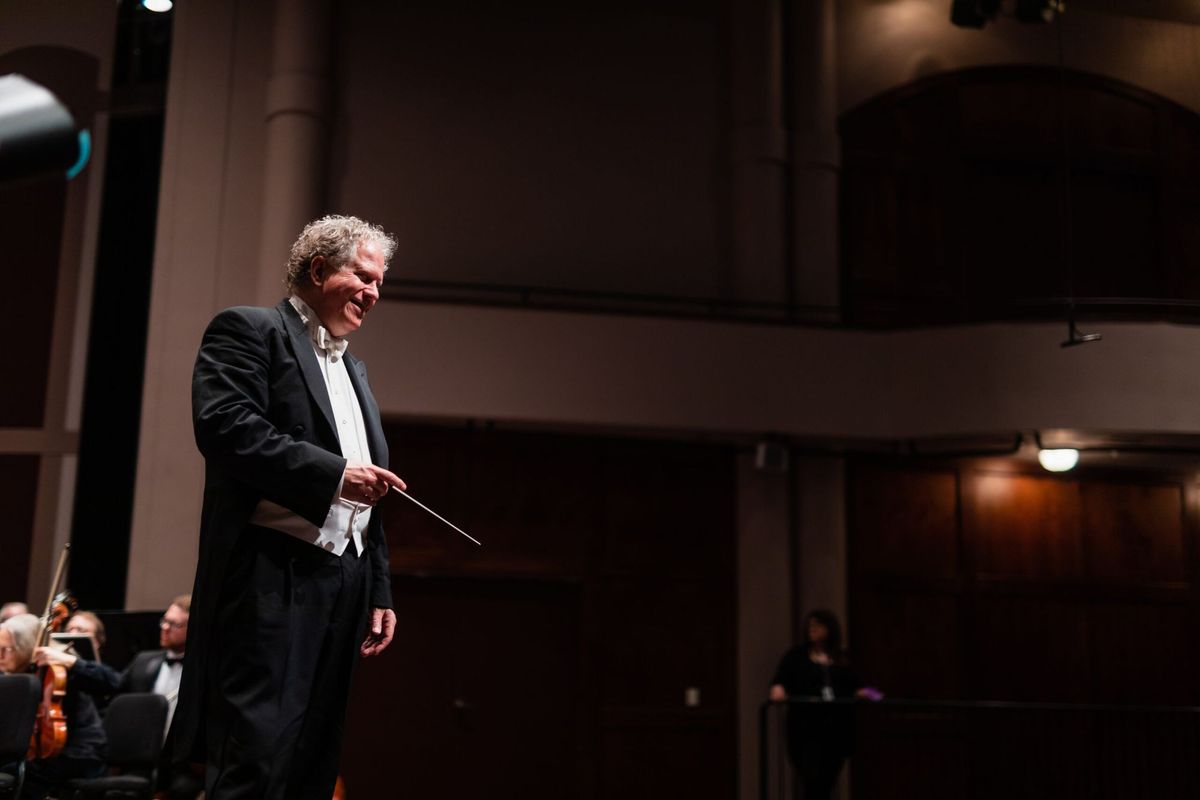
Ticket sales have also remained strong due to SDSO continuing to bring music during the COVID-19 pandemic, albeit with restrictions like social distancing and mask requirements, Gier said.
“A lot of orchestras across the country had to shut down. We figured it out,” he said. “I think that helped us a lot to keep our upward trajectory.”
The Black Hills Symphony Orchestra in Rapid City has seen similar trends in attendance.
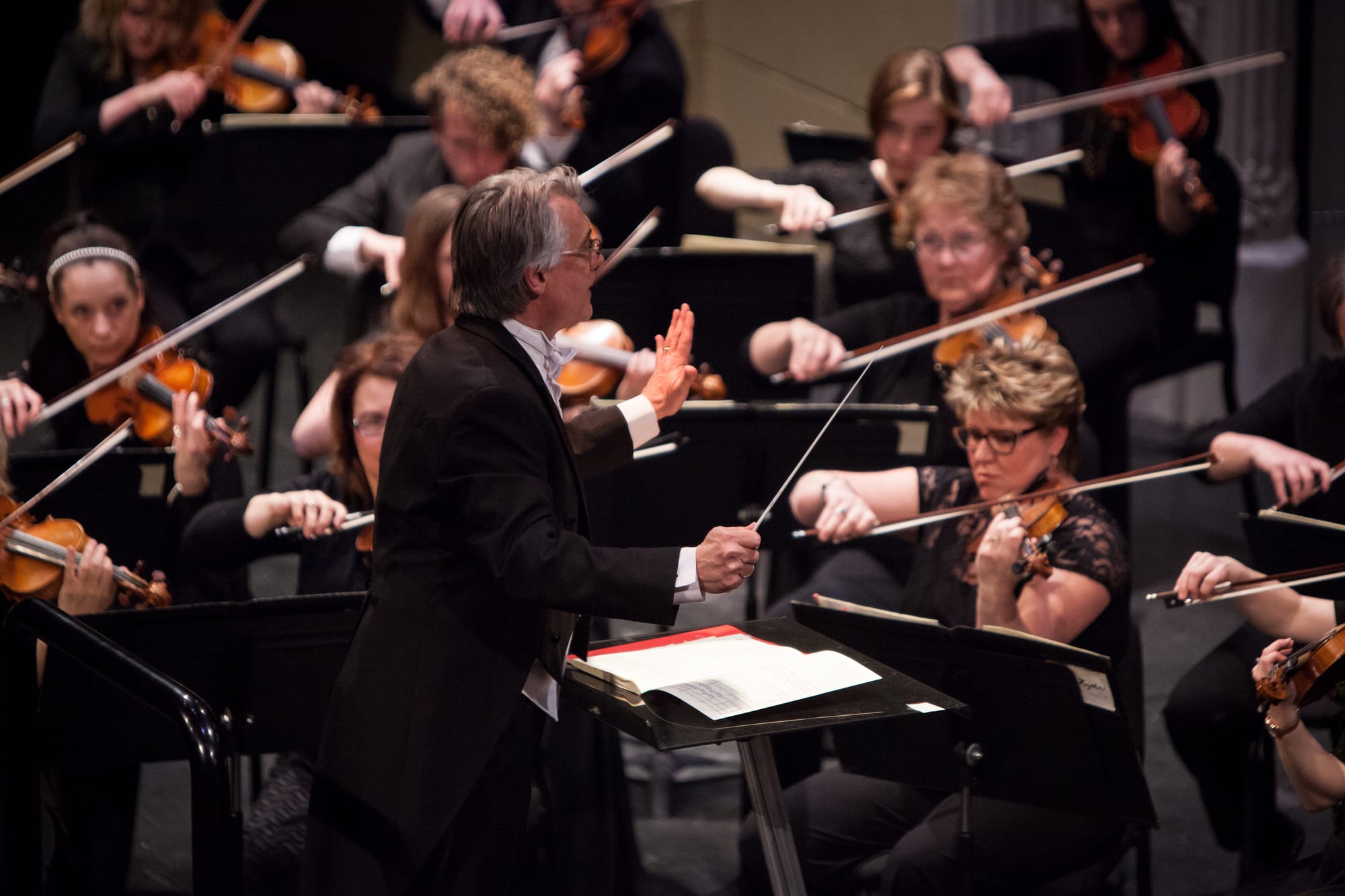
“Right now we're on the upswing for our season tickets and our audience participation, so we're very happy there,” said Bruce Knowles, conductor of the BHSO.
Season ticket sales increased by 20% from 2024 to 2025, said Kirsten Hollenbeck, BHSO executive director. Individual ticket sales were also strong, including two 2025 concerts that sold out. This year's October ticket sales have already exceeded last year's as well, she said.
The BHSO is a community affair, Knowles said. At one time, three-quarters of the string section was made up of former Rapid City students. The musicians are “very dedicated,” he said.
“Its really gratifying to see folks and former students as well that have come back as adults and are playing,” said Knowles, who has conducted the orchestra for 17 years.
Additionally, the BHSO has no full-time musicians. Some are professional musicians who teach and play an instrument, but they don't solely make their living by playing an instrument. That can make scheduling rehearsals tricky.
Get free, fact-based South Dakota news and information in a weekday email. No spam. Cancel any time.
“There's so many things going on, and a lot of musicians also have families and kids, and they got to go to soccer practice and all of that. So it's really interesting," Knowles said.
The Black Hills area is dedicated to supporting the arts, Knowles said.
“You'd be hard pressed to not find a performance of some kind going on every week,” Knowles said.
The BHSO's 94th season begins on Oct. 17 with Danse Macabre, a Halloween-themed concert at The Monument in Rapid City. It will feature roughly 50 musicians and about 70 dancers from area studios.
Different ways to engage
Gier said it is true that since classical music is a fine art, the more a person knows about it, the more they can enjoy it.
“It’s like looking at painting or reading literature, any kind of art. The more you put into it, the more you get out of it, but that doesn't mean that you can't enjoy it," he said.
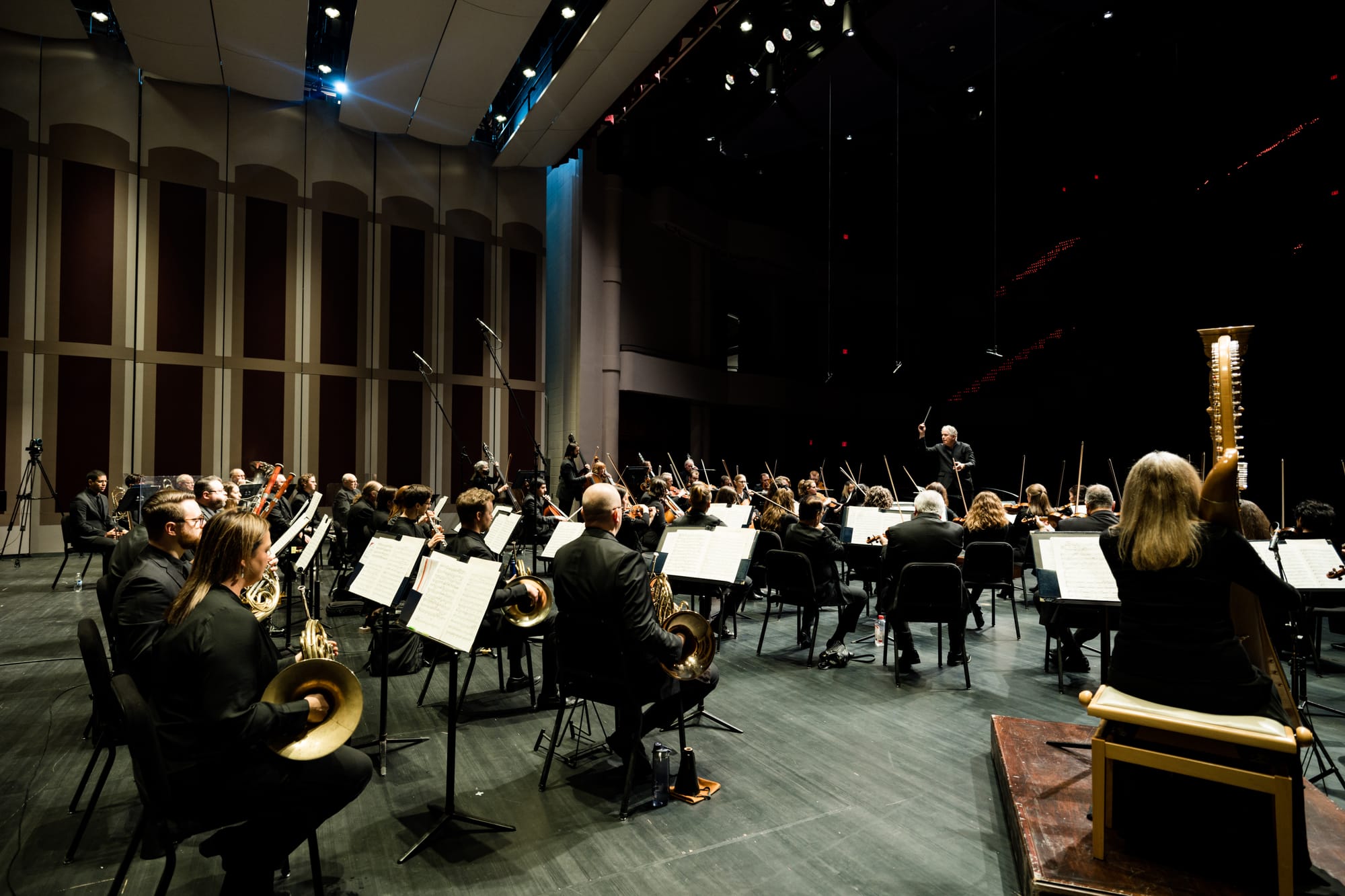
The SDSO offers multiple ways to engage, such as Gier giving pre-concert talks from stage to help people understand what they’re about to listen to, which is included in the ticket price.
“I've been a classical musician. I’ve worked with them all my life. I don't know elitists in classical music. All of us just want to share the music,” he said. “We're willing to do whatever we can to help make it accessible to people to give people a point of entry into music.”
SDSO’s season opened on Oct. 3 with Ravishing Rhapsodies, a program that featured Gabriela Martinez performing Rachmaninoff's "Rhapsody on a Theme of Paganini," Ravel's "Rapsodie Espagnole" and a world premiere by Guatemalan composer Xavier Beteta.
"It felt like an overture to the whole season,” Gier said. "I mean, the orchestra just played fabulously. The audience was big and boisterous, and it had a fantastic soloist. So it was a great way to start the season."
 Stu Whitney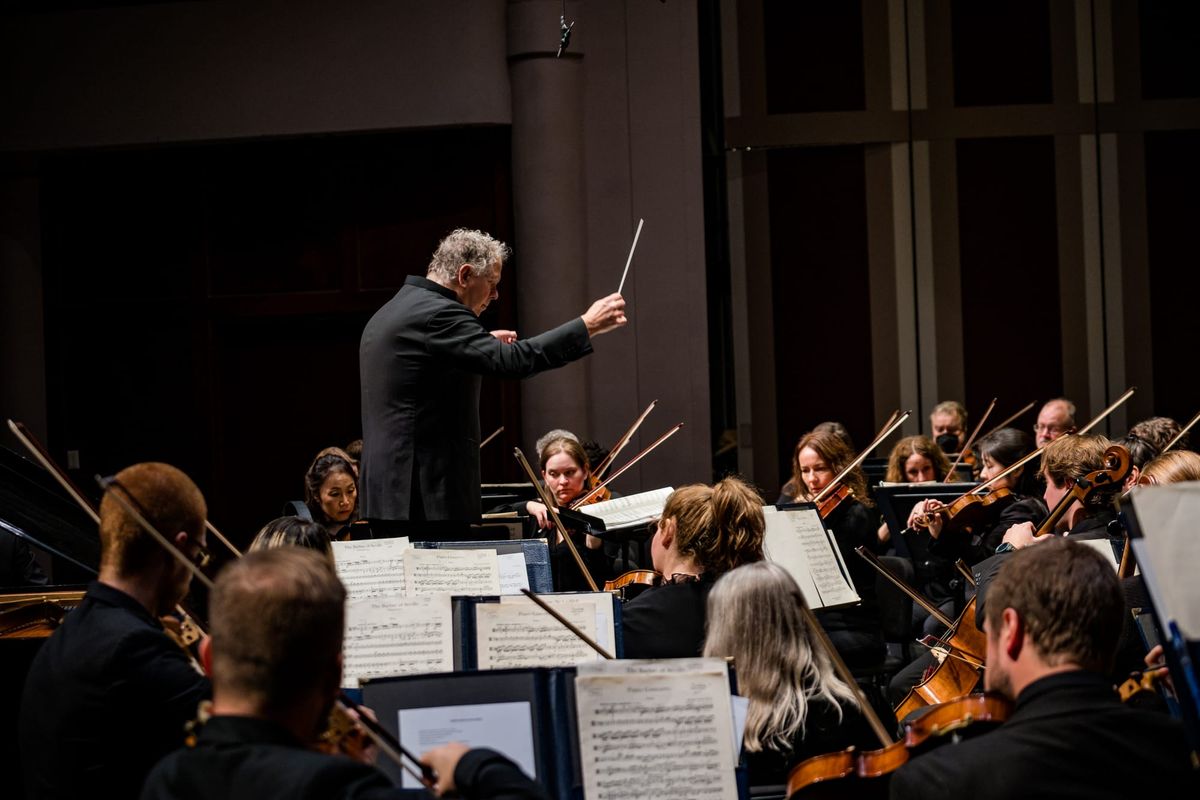
The South Dakota Symphony Orchestra has about 75 contracted players with nine-full time members. The orchestra is in its 105th season.
Gier said upcoming highlights include a November program featuring Dvořák’s New World Symphony, music by Louis Ballard and a work with the Creekside Singers; a February premiere by Pulitzer Prize winner Susie Ibarra; and April performances featuring Strauss and Beethoven.
South Dakota News Watch is an independent nonprofit. Read, subscribe for free and donate at sdnewswatch.org. Contact reporter Emily DeCock: 605-736-4396/ emily.decock@sdnewswatch.org.