How a lifelong statehouse lobbyist also captures the nuances of rural and reservation rodeos. “I fear I'm documenting the end of something.”

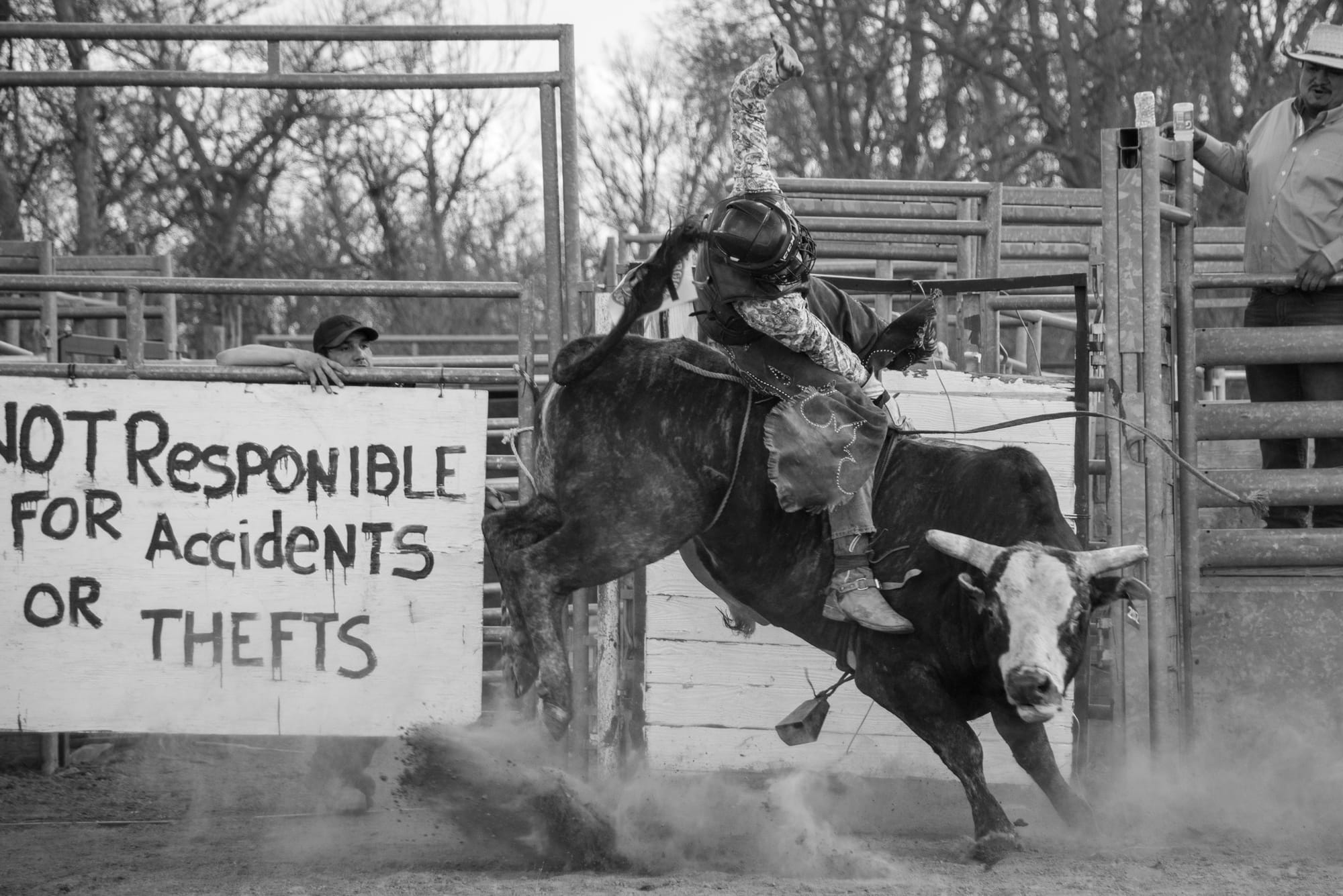
RAPID CITY, S.D. – The massive hand-painted sign, hung on a fence at a bull riding event in Kyle, certainly illustrates the rough-and-tumble nature of South Dakota's official state sport: “Not responsible for accidents or thefts.”
Even more so when you consider the fact that this sign is smack-dab in the middle of one of the most remote regions of the state – no hospitals for about 50 miles. And when you see a young man with one hand flung in the air next to it, holding on for dear life, you've got yourself a true Wild West rodeo.
So, of course, Jeremiah Murphy had to take a photo of it.
Murphy, a lobbyist by trade, began photographing the Indian rodeo circuit in South Dakota and surrounding states about 15 years ago. He describes stumbling into it after a lifetime of dabbling in photography. It was the Crazy Horse rodeo in 2011 that really drew him in, and it was full-steam ahead from there, he told News Watch.
"I just sort of shot rodeos one day at a time, and then one day I looked up and said, 'You shoot a lot of rodeos,'" Murphy said of a conversation he had with himself a few years into his hobby.
Grew up in Sioux Falls, attended OG
“Indian rodeo” refers to the events that take place across the country on tribal lands and in Native communities.
Some are massive and draw in crowds by the thousands, like the annual Crow Fair in Montana or the Rosebud Wacipi, Rodeo and Fair. Some, like the event in Kyle and dozens of others throughout the year, are a bit rougher around the edges, which is just how Murphy likes it.
He gets to know the people on the circuit, even if he doesn't get many chances to chat. He describes himself as "bad company at rodeos" because he's always behind the camera, and building trust with them is a critical part of his job. Many times, he's capturing people in either life-or-death moments or the best moments of their lives.
Sometimes, it's both.
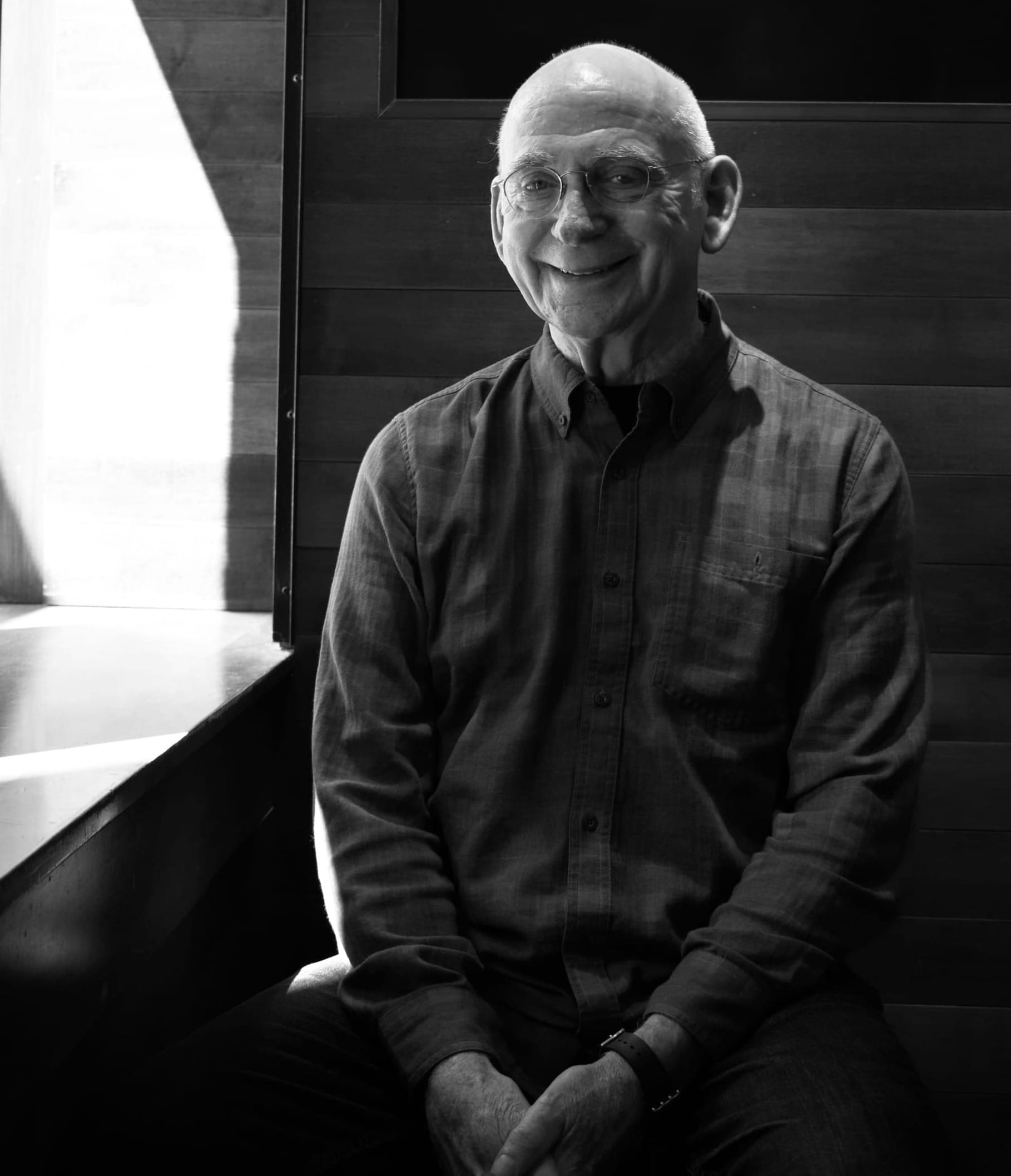
Murphy’s not a country boy himself and doesn't even look the part, really. He was born and raised in Sioux Falls, attended the private O'Gorman High School and frequented the Minnehaha Country Club. One of his oft-told stories is about getting kicked out of a Deadwood rodeo for not having a cowboy hat on.
Murphy said that a conversation with a bull rider at a rough stock show in Kadoka helped him understand why these communities let him into their spaces.
"I said, 'People really treat me well here.' And then he smiled bigger and he said, 'Cowboys like to have their pictures took,'" Murphy said.
Telling the story of those not in the spotlight
Murphy can read these people as well as any born-and-raised rodeo lover, though, and doesn't treat them with the delicate eye of an outsider. His photos illustrate the haphazard nature of rodeo’s most perilous events. But they also have another crucial element – the residents of South Dakota, ones who don’t live in major cities or along the I-90 corridor.
 Molly Wetsch
"It was embarrassing that there's this whole side of South Dakota that, as a Sioux Falls and Rapid City resident, I was really ignorant of. These rodeos will take you to places in Kyle or Red Scaffold, and it's great. There's great stuff out there," Murphy said.
"I'm still trying to look at myself as a photographer. You know, really, I know I'm a lobbyist. I did it for so long, but I'm still working on becoming a photographer." – Jeremiah Murphy
His photos certainly do not shy away from the difficult parts. Not every rider is wearing a brand-new Stetson hat and a pearl-button shirt. Some are sun-weathered, some are sweating, some are in pain. That's what makes Murphy's photos what they are.
"There are a lot of rough ranch kids. There's plenty of rough city kids, too. But that toughness is really, really revered in the real ranching world," Murphy said. "It's hard work. Rodeos are hard. Ranching is hard. I mean, there's a number of people at rodeos in wheelchairs, or missing limbs or missing fingers."
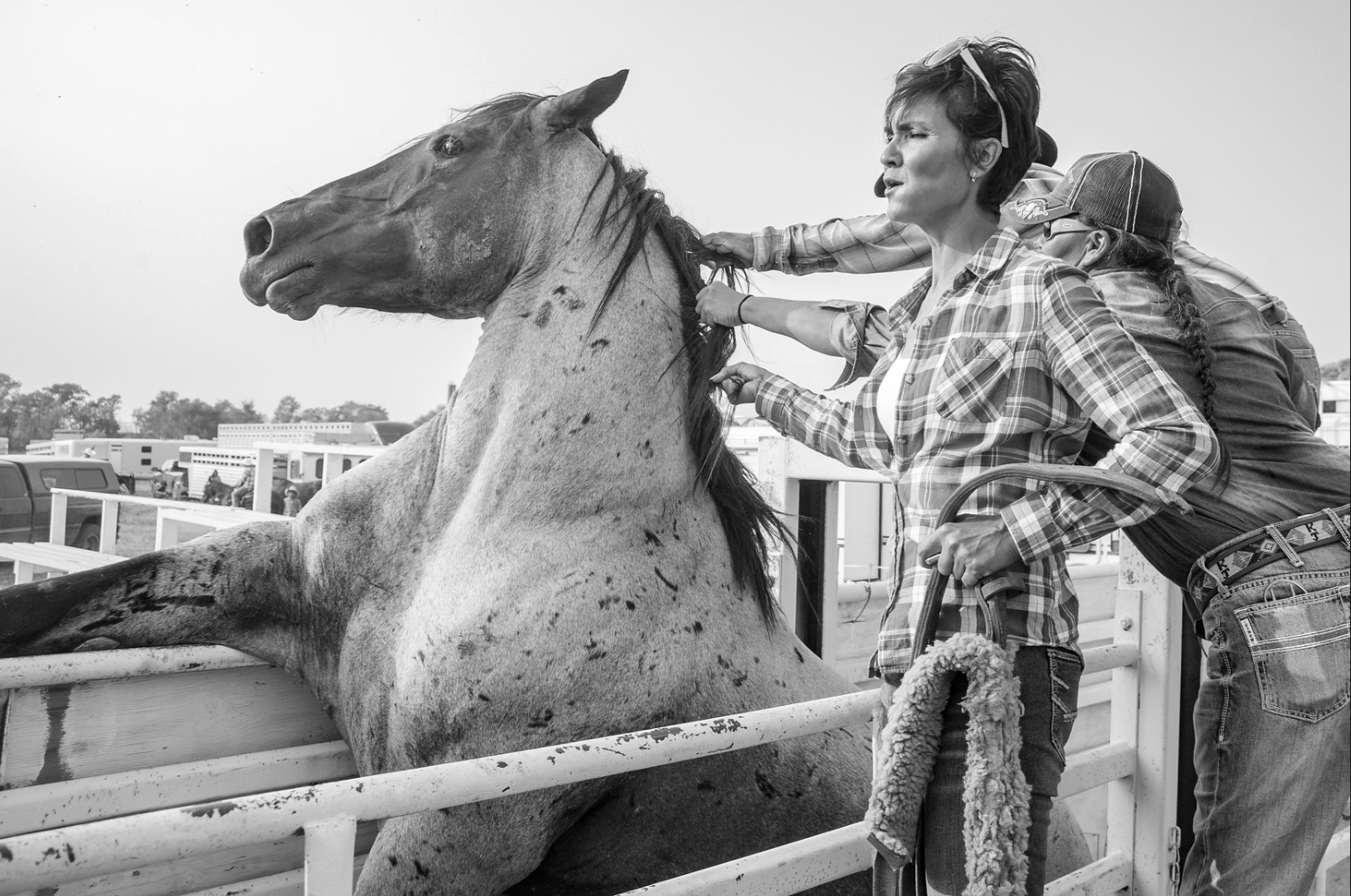
These people, some of whom live in the most difficult economic conditions in the country, are genuine celebrities in Murphy's images. They are not treated as something to pity – because they aren't.
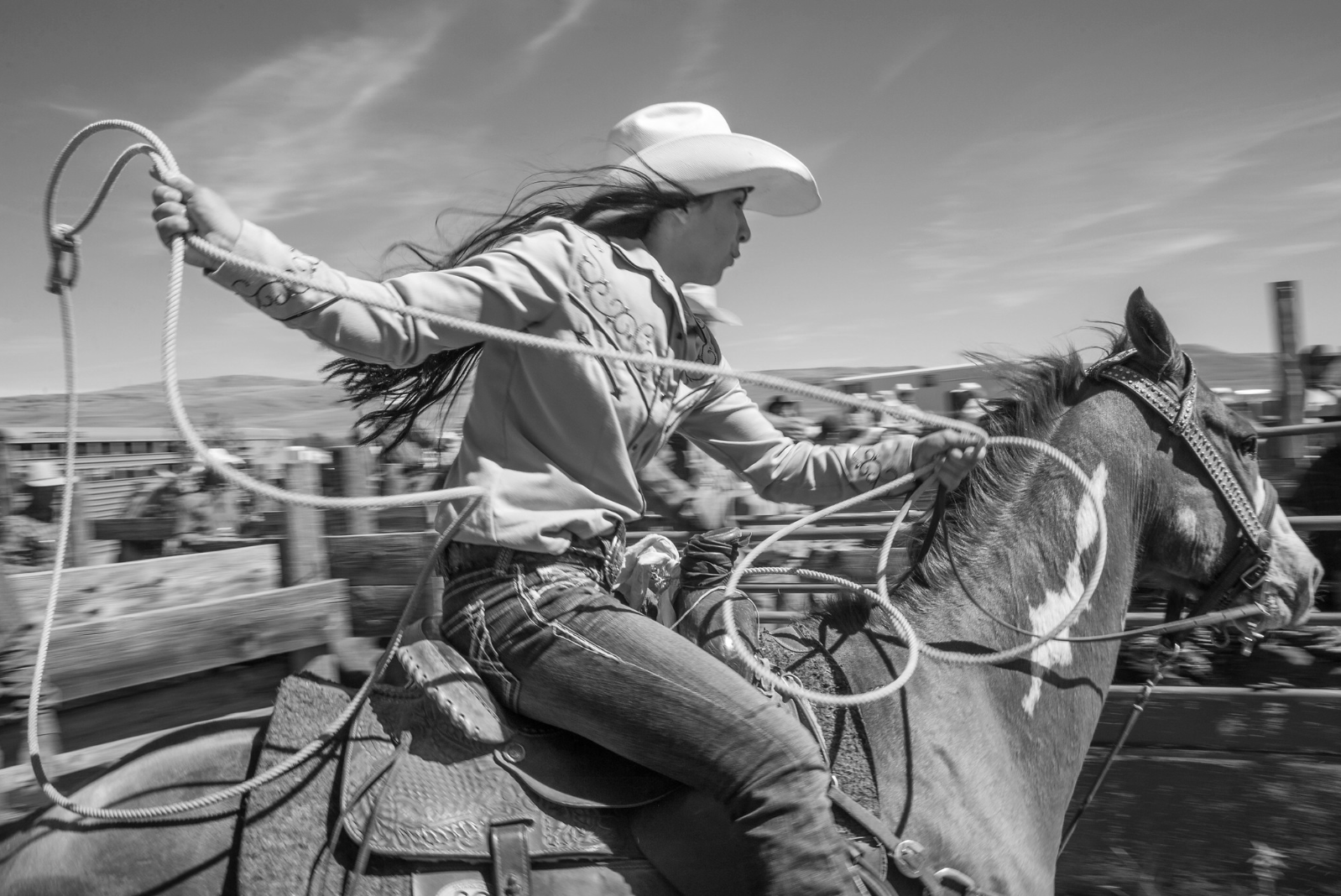
He describes one woman in a photo of his (above): mouth full of chew, close-cropped hair and large sunglasses perched on her head as she wrangles a horse. She is, to Murphy, "Audrey Hepburn in South Dakota."
Featured in national magazine
Last year, Murphy's photographs were featured in The New Yorker magazine, along with a full profile of his life and work, showcasing his photos to a global audience for the first time.
Murphy said that not much has changed in his life since the story published – he still lives in Rapid City and makes it out to every rodeo he can. But he has certainly seen more of a general interest and appreciation for art that captures the modern American West. A print of one of his photos is now hanging in the office of an architecture firm in New York City's Flatiron Building.
 Casey Cep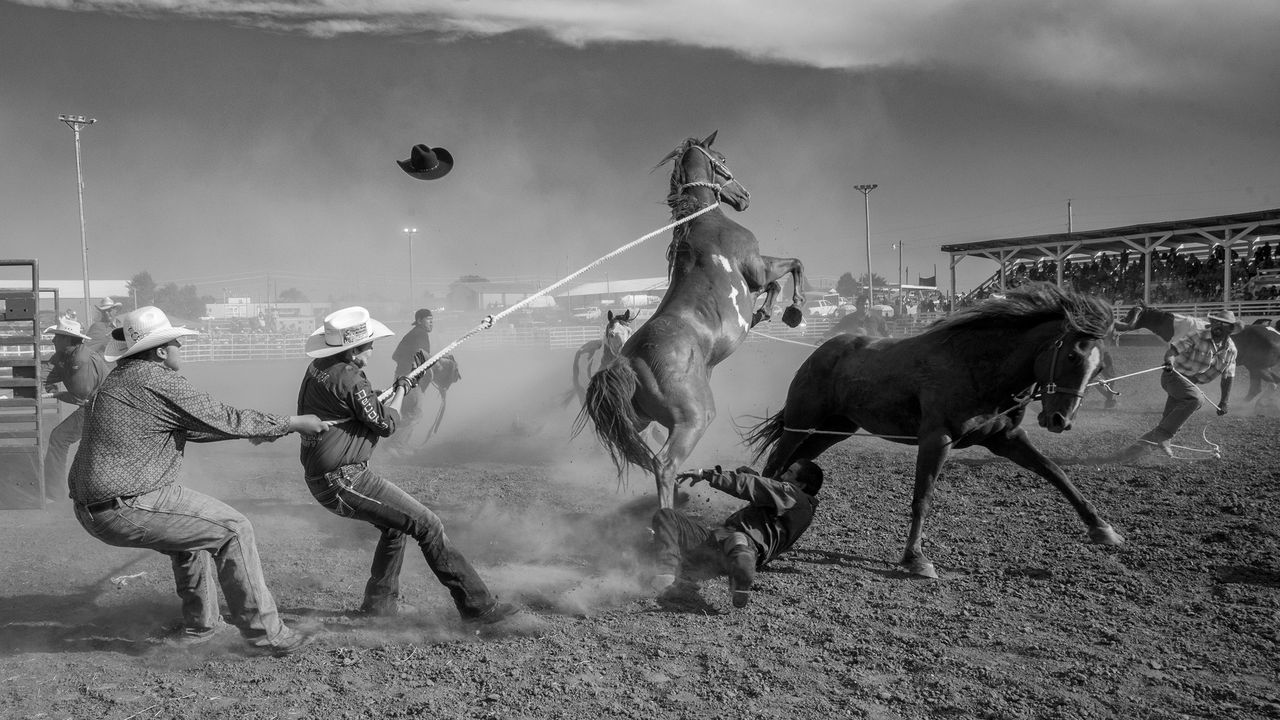
Because of the ongoing success of his photos, Murphy said he's begun looking into exhibitions and has also started selling prints of his popular work. He has quite a bit to go through – he's been to more than 100 rodeos since he began documenting them.
"I'm still trying to look at myself as a photographer. You know, really, I know I'm a lobbyist. I did it for so long, but I'm still working on becoming a photographer," Murphy said.
Murphy's photos are, of course, modern in nature. Some elements, like vests decorated with sayings like "STRAIGHT OUTTA RIDGE" (a reference to rap group NWA), help viewers understand that these photos are not historic – they illustrate a very-much alive tradition in South Dakota.
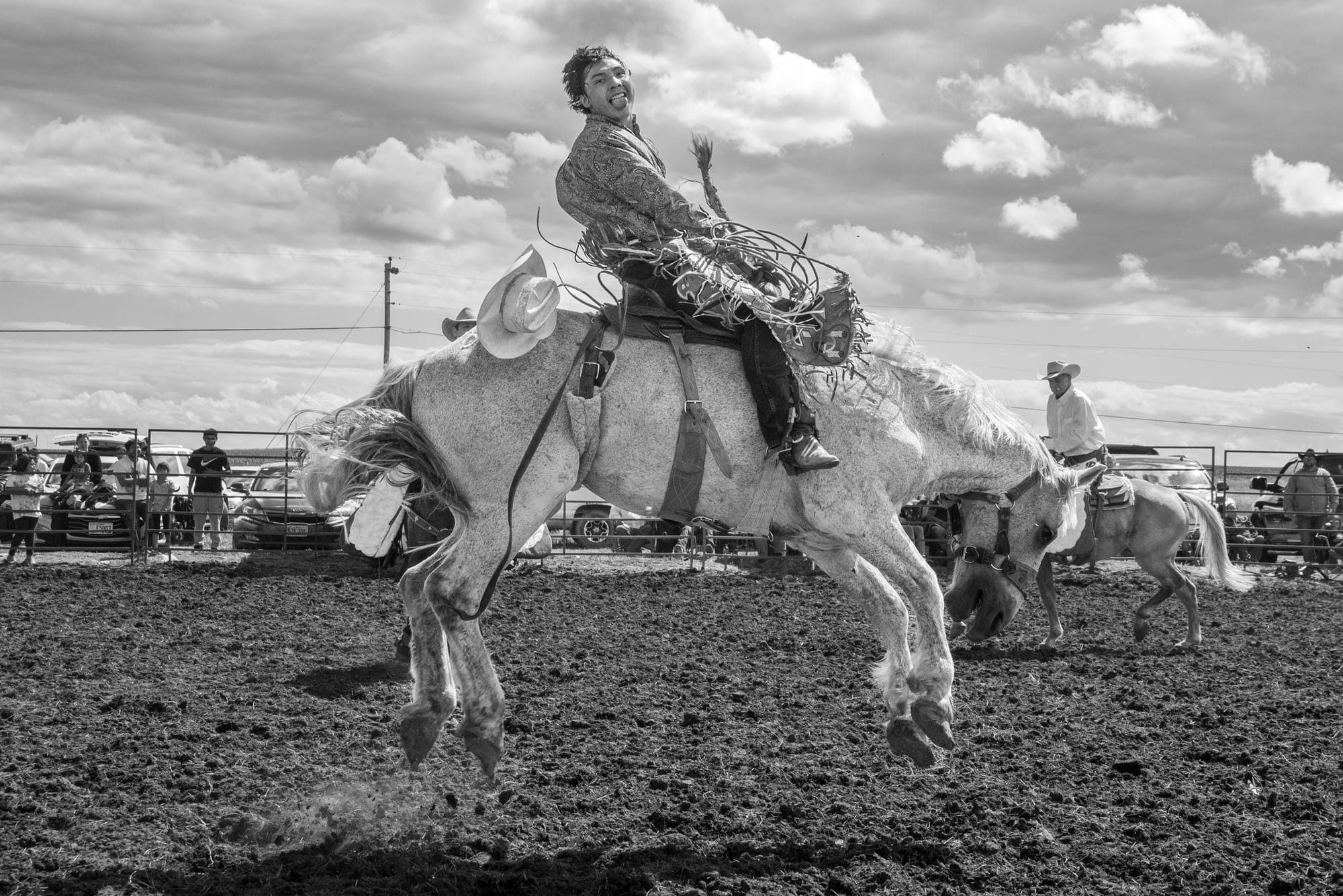
His strict use of black-and-white, though, can't help but call back to days long gone. After all, horses and bulls have bucked people off of them in the same way for hundreds of years. He said that, in his photos, he is primarily drawn to elements that connect viewers to the past and demonstrate the long-standing traditions that make up rodeo. He sees Indian rodeo as the best place to do that, where everything is a bit more off the beaten path.
“I've actually lived long enough that I've seen big structural changes in ways that I don't think we're going back," Murphy said. "But boy, this history, it's so intertwined. I thought, this is as close to what happened 100 years ago as you can get, which was, 'Let's all just meet at Joe's pasture Saturday afternoon and see who's got what.'"
Rodeo community's future uncertain
Also present in his photos is the sense of community that one feels at a rodeo.
While a rider gets on the bull or bronc alone, there's almost always people in the background cheering them on. Most of the time, it's their competitors, which Murphy said is part of what makes Indian rodeo special.
"It's sort of amazing. You know, you've got six or eight guys going for the same pot (of prize money), and they'll be yelling for every single guy. Never mind the fact that if his ride keeps going that well, he's going to knock your 78 off, and you're going to move to second," Murphy said, referring to rodeo scoring systems for bull and bronc riding.
"There's a camaraderie, I think, for doing it. I think being willing to do that work sort of overcomes a lot of other stuff."
Get South Dakota news and information in a free email on weekdays. Cancel any time.
Murphy does worry, though, about the future of this rugged rodeo circuit.
It doesn’t have the same commercial value as the Professional Bull Riders tours that fill arenas in Sioux Falls and Rapid City. By his own observation, there are fewer and fewer people in the grandstands every summer – mostly girlfriends, parents, siblings and friends of the riders.
“I fear I'm documenting the end of something,” Murphy said.
He said that it can be difficult to get people who aren't from the area to find interest in the sport. Though his photos are popular, and he encourages people to come to rodeos themselves, some of the events are struggling to sell tickets and generate enough revenue to keep running year-after-year.
"To this date, I've never run into anybody at a rodeo from Rapid (City) who said, 'Murph! ... You were right, this is great. I came to the rodeo. I'm so glad.' That has not happened once," Murphy said.
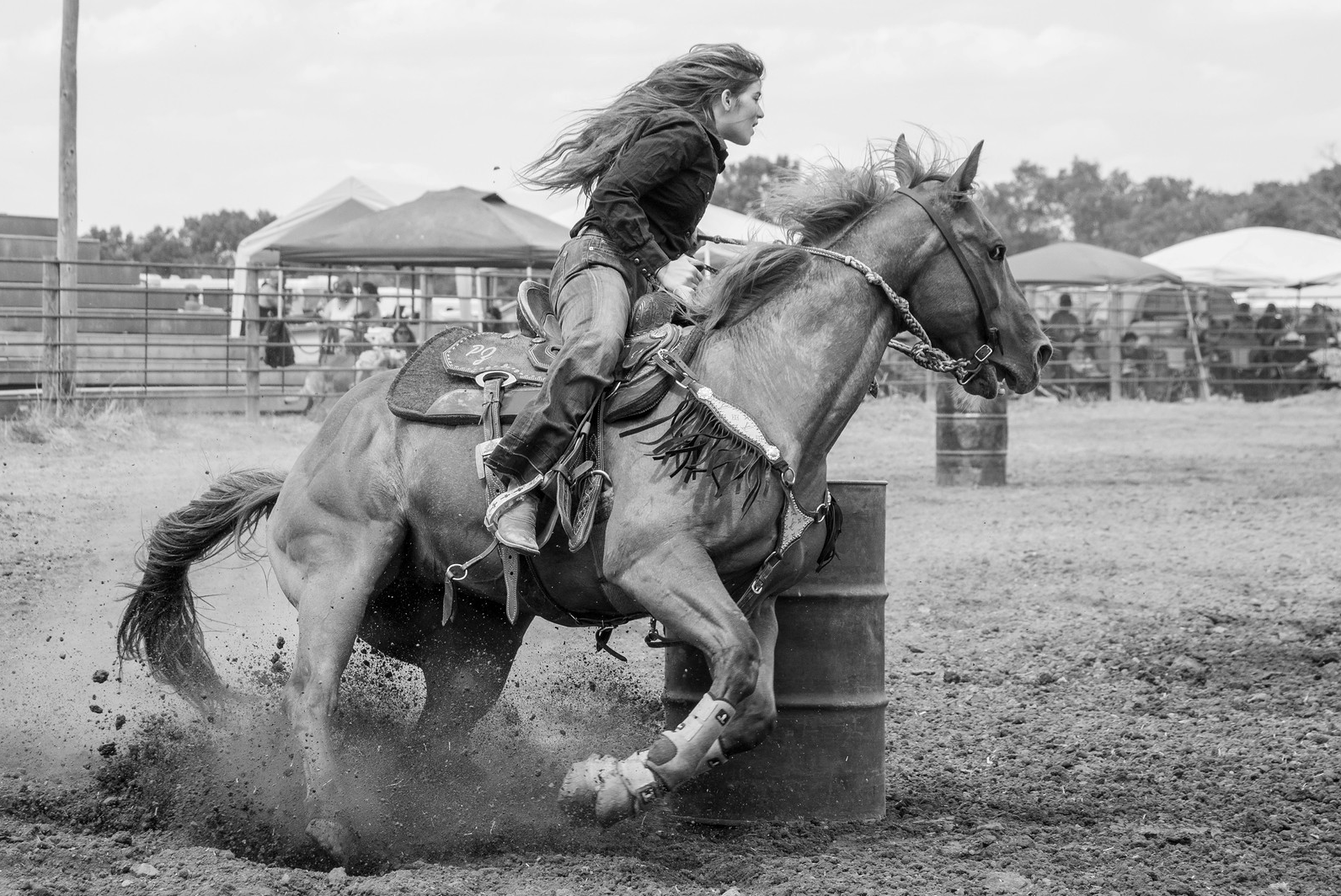
The sheer magnitude of young people involved, though, would give anyone hope for a bright future in the sport.
Bull riders are young by nature, and plenty of ranch kids are deeply involved in rodeo. "East of Wall," a 2025 film that highlighted a ranching family in South Dakota, featured at least half a dozen teens that found themselves drawn to the discipline and hard work of rodeo.

Partner with South Dakota News Watch and support fact-based news and information.
Murphy sees that just about every rodeo, too. He describes younger children who watch their older siblings competing with a sort of awe. One has to assume that they will also be up on that horse someday.
One set of Murphy's photos illustrates just how much the reckless bravery of youth is on display at these events. In the first, a young boy, just 14 is in a pair of shorts, looking like he just might be crushed by a thousand-pound bull. The next, he's up, helmet off and ready to shake the hand of a wrangler.
"A lot of people like the second picture more than the first. I thought that was interesting and sort of spoke well of people," Murphy said. "You get a little bit of relief from seeing that. Watching it through my camera, it just about turned my stomach."
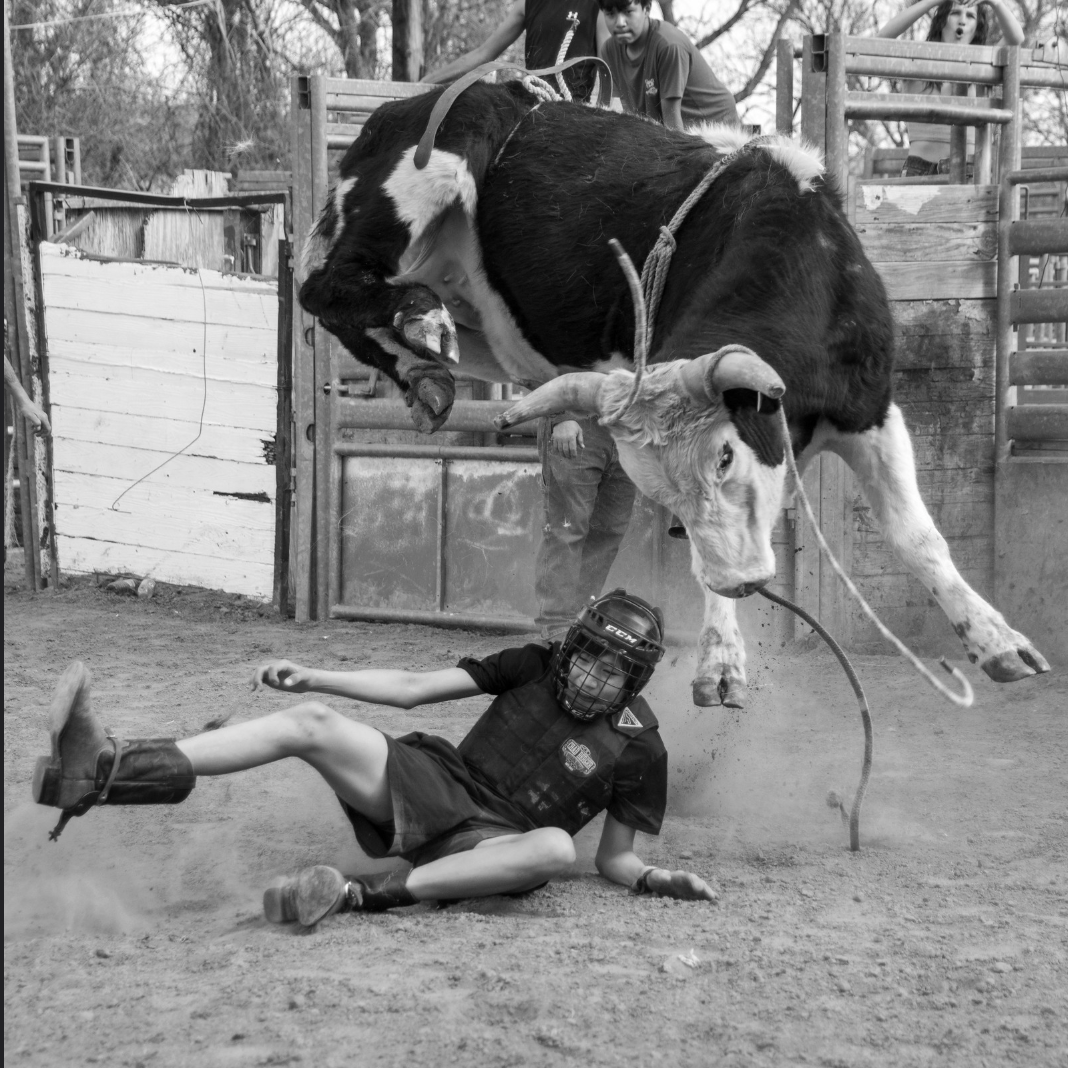
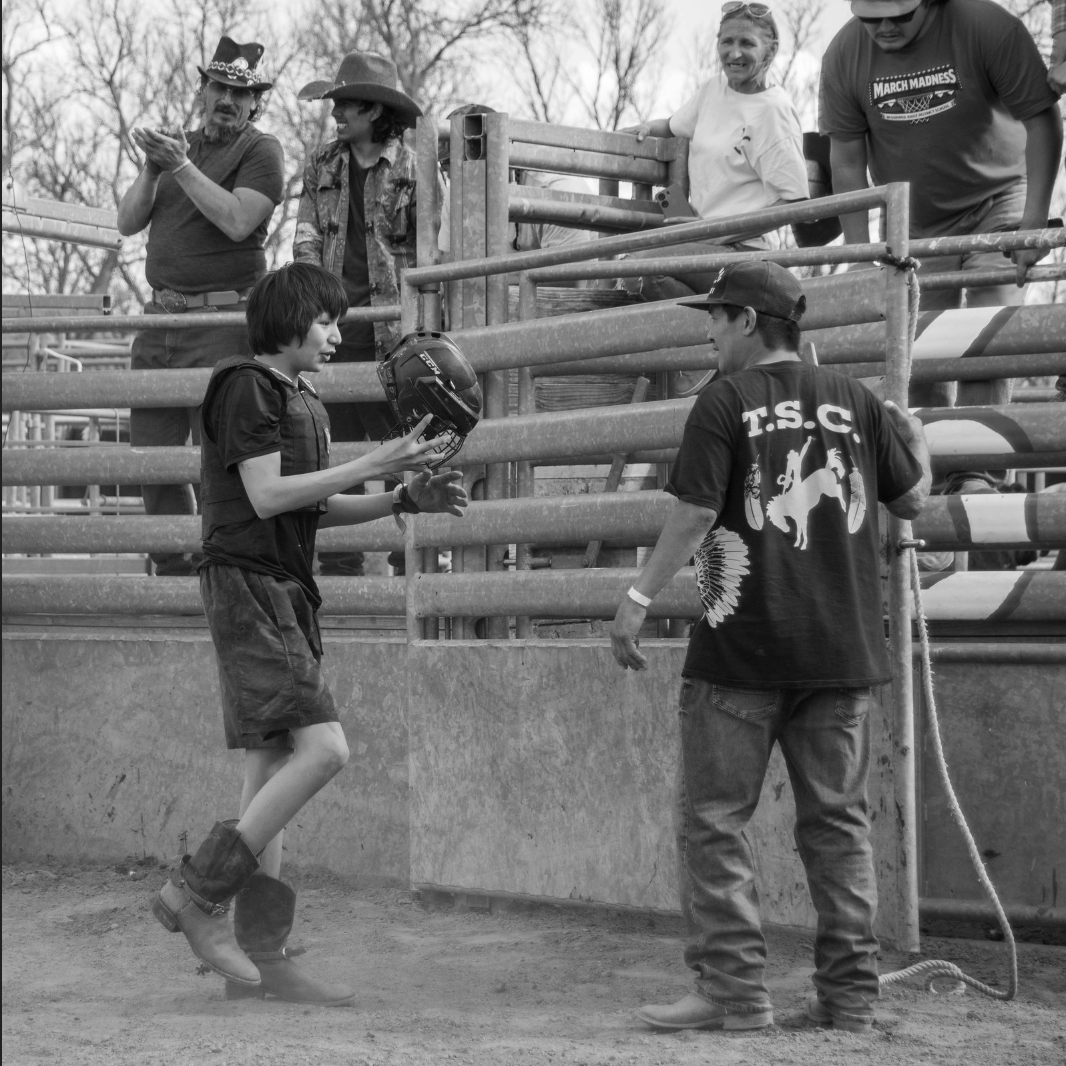
A young rider lays on the ground beneath a bull after being bucked off (left) and heads for the fence after getting back up (right) in Kyle, S.D. (Photo: Jeremiah Murphy)
Murphy has read and witnessed lots of discussions about the death of the West. Some of those conversations are rooted in reality – just look to his own observations of declining attendance and low ticket sales.
His photos, though, are a certain reminder that at least for those who know South Dakota and what this sport means, cowboys will never truly die.
"There's a lot about the declining cowboy culture, which is true, but boy it clings, you know. It clings," Murphy said.
South Dakota News Watch is an independent nonprofit. Read, donate and subscribe for free at sdnewswatch.org. Contact reporter/Report for America corps member Molly Wetsch: 605-531-7382/molly.wetsch@sdnewswatch.org.