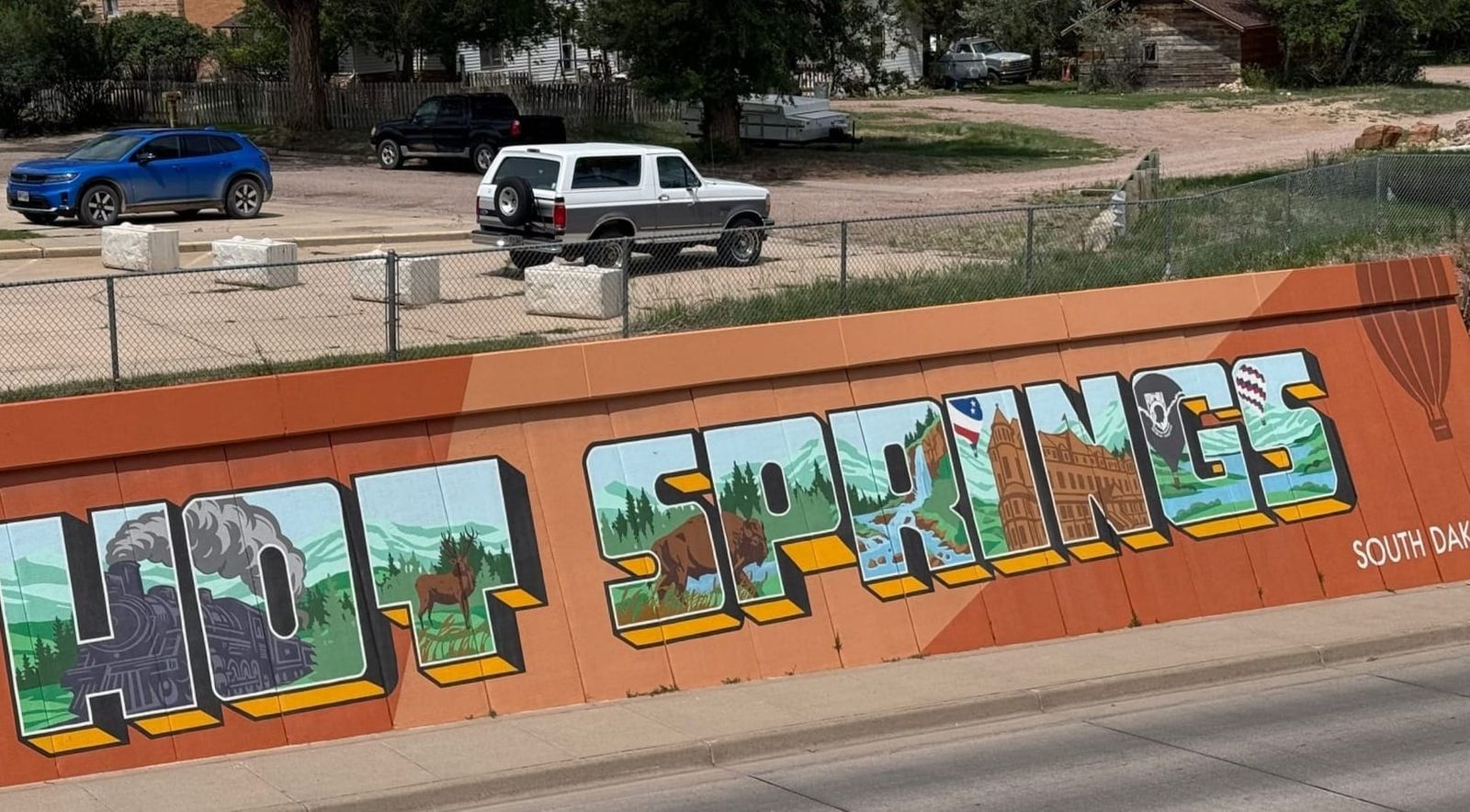
After years of enduring a stifling housing shortage, a rural hospital in Hot Springs is investing in a subdivision project that will benefit the entire community.

HOT SPRINGS, S.D. – In a first-of-its-kind project in South Dakota, the small hospital in this southern Black Hills town is investing in a subdivision project to provide housing for its employees.
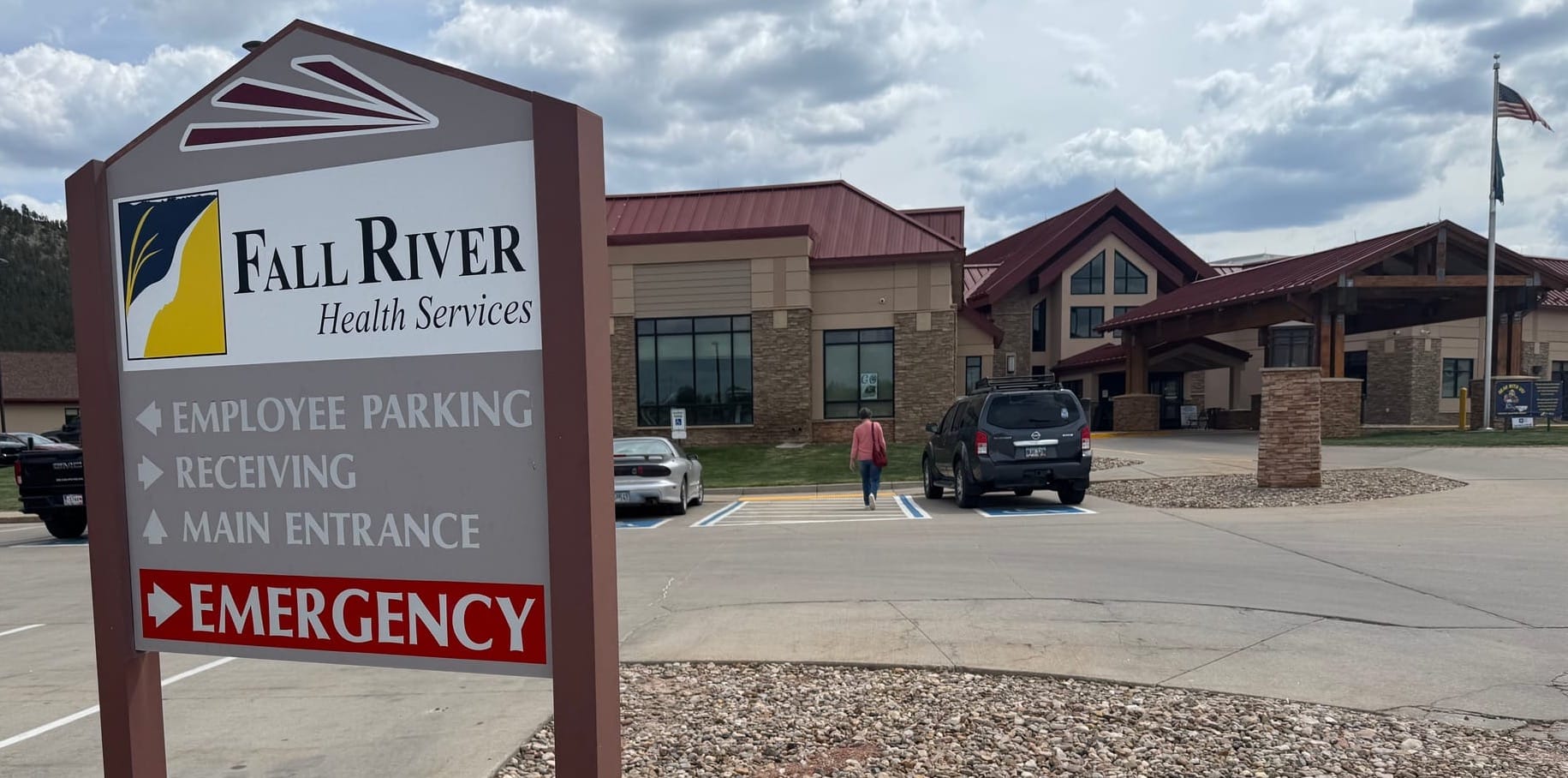
Fall River Health Services, an independent nonprofit medical center in Hot Springs, is paying $2.3 million of the overall $3.4 million cost of infrastructure for a subdivision that could create 48 new affordable housing units a few hundred yards from the hospital campus.
"It's not wages or benefits keeping employees away, it’s simply that housing just isn’t available."
– Jesse Naze, chief financial officer at Fall River Health Services
Like many South Dakota employers, Fall River Health is enduring a long-range worker shortage that has put pressure on its existing staff and driven up costs due to hiring of expensive traveling, short-term medical employees.
As of May 29, the hospital had 19 job openings, most of them in direct patient care, a shortage of 10% of its needed workforce of 190. In the past couple years, the hospital has lost dozens of prospective health care workers because they couldn't find affordable or suitable local housing, said Jesse Naze, chief financial officer at Fall River Health.
"You can't stop providing care, so we need workforce to care for our local population," Naze told News Watch in an interview. "It's not wages or benefits keeping employees away, it’s simply that housing just isn’t available."

The hospital's investment in the Cascade Hills subdivision project is part of a growing trend in which South Dakota employers are finding ways to provide housing for their workers.
Wall Drug president Rick Hustead told News Watch in 2025 that he provides mobile homes and other housing for more than 100 seasonal employees who would otherwise have nowhere to live.
Get South Dakota news and information in a free email on weekdays. Cancel any time.
Similarly, business operators in Keystone have said they provide recreational vehicles as housing for summer workers who arrive under the H-2B Visa program each year.
However, Chas Olson, executive director of the South Dakota Housing Development Authority (South Dakota Housing), told News Watch he isn't aware of any South Dakota project in which an employer invested money on permanent housing that will benefit the business as well as the community at large for years to come.
This story is part of an ongoing South Dakota News Watch series called Engage South Dakota using storytelling, crowdsourcing and community engagement to identify and share potentially replicable housing solutions.
Each story includes the community's response, insights to be learned, evidence of whether the ideas are effective and limitations on the efforts.
Key takeaway for this story: Private businesses facing worker shortages can't wait for developers to build affordable housing, so they're finding unique ways to invest in workforce housing on their own.
Read about other South Dakota housing solutions.
The private hospital with 25 beds saved money for years to be able to invest in the proposed housing project in which some homeowners could see a financial benefit if they take jobs at the hospital and stay for at least five years.
"The hospital is fronting the cash to get this infrastructure put in so we can get this project going," Naze said. "There's only so much local workforce, so we need to attract employees, and this should be a big help."
Evidence: Various sizes and price points
South Dakota Housing has high hopes for the Hot Springs project and in October approved a nearly $1.2 million grant to support the project. The money came from the $200 million Housing Infrastructure Financing Program approved by the Legislature in 2023.
Olson said the authority had been in discussion with officials from Hot Springs and Fall River Health for several years to generate a plan for an affordable housing project.
“We knew they were having issues recruiting and keeping workers there because the (existing) housing is old and aging,” Olson said.
The Cascade Hills project has a solid development plan, highly engaged people managing construction and strong overall community support, he said.
“When you combine all those things, it gave us comfort that the housing will get built,” Olson said.
According to a project summary by South Dakota Housing, the infrastructure grant could help lower lot prices by $30,000 each and allow rents to be up to $100 a month cheaper. The grants typically help pay expenses such as installation of utilities, streets, and curb and gutter.
Support solutions-focused storytelling. Help South Dakota News Watch tell stories that identify and share solutions to the state's biggest challenges.
The current plan for the subdivision is to build a mix of single-family and multi-family buildings that will create 48 total housing units with a wide range of square footages and prices, said Dennis Fischer, a former Hot Springs schools superintendent who now serves on the local hospital and housing boards.
Single-family homes of about 1,300 square feet should cost about $350,000, including the lot. Smaller villas, duplexes and townhomes could come in as low as $285,000, including lot costs, he said. Any of those prices fall within the South Dakota Housing Authority threshold for "affordable" housing projects.
"We're hoping that isn't out of reach for homeowners," he said.
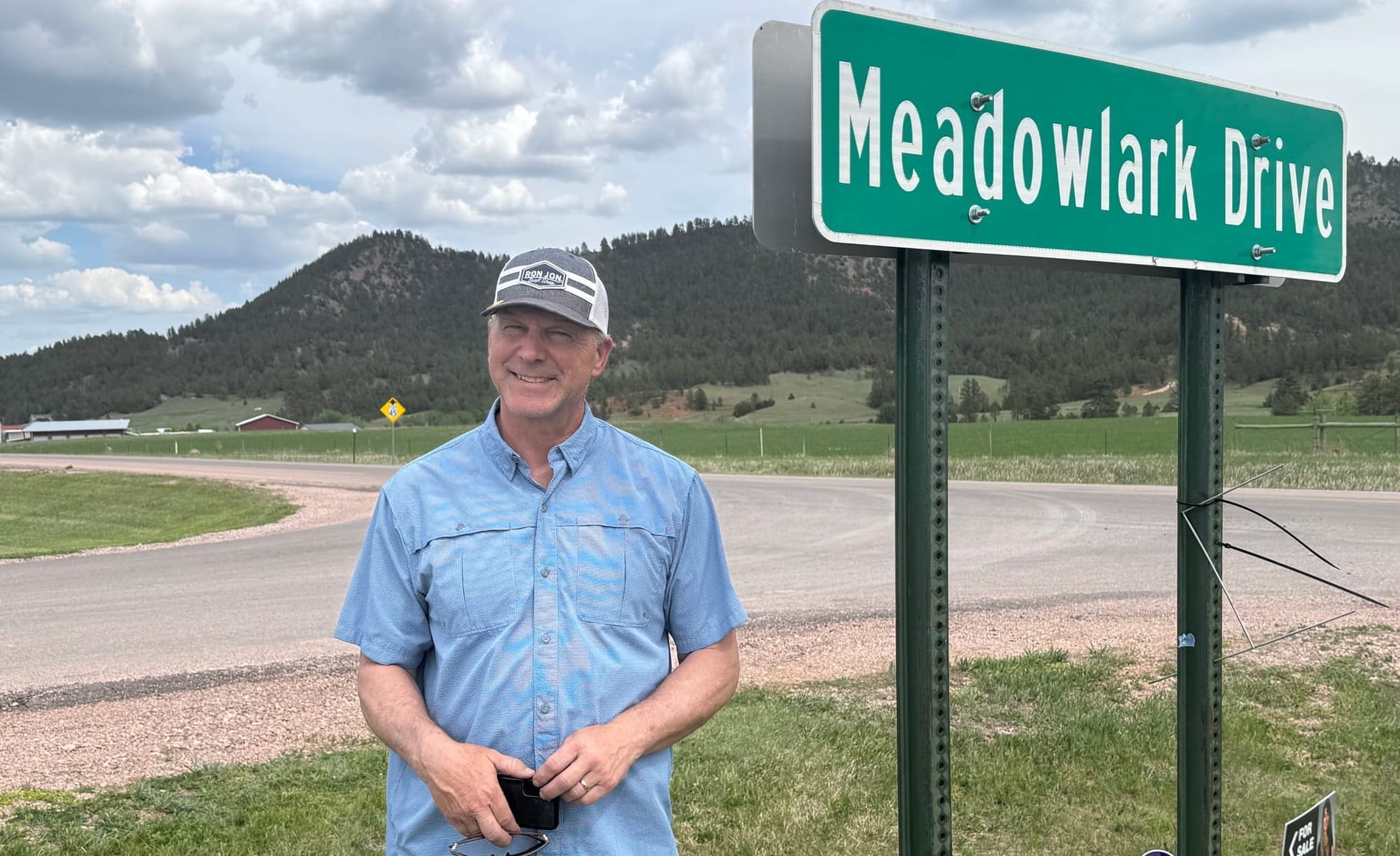
Project managers are working out details of a special mortgage for hospital employees who buy a home in which lot costs of up to $54,000 could be returned if they remain employed for five years, Fischer said.
As of May 27, the subdivision site remained open pastureland, though Fischer said infrastructure work could begin any day, with utility installation and road work the starting points. The 11-acre project on state Highway 71 south of the city will include space for a community park, he said.
The housing units will be built by private developers, who are not yet on board, Fischer said.
The local school district has some of the same hiring challenges as the hospital, he said.
"Teachers who couldn't find housing turned down job offers or left after a couple years because they didn't feel like they were getting ahead in terms of home ownership," he said.
The partnership approach to funding the subdivision has expedited the timeline of the project, Fischer said. "The hospital didn't have deep enough pockets to do it on their own."
Fischer said a hopeful timeline for full development and sale of the housing would be in eight to 10 years, though he acknowledged it could be longer.
Insights: Study shows need for new ideas
A 2023 housing study revealed some of the challenges facing Hot Springs, many of which are common in small cities across the state. The city lost 4.5% of its population from 1990 to 2000 and saw another 10.1% decline from 2000 to 2010, falling from 4,129 to 3,395 over that 20-year period, according to the U.S. Census.
Perhaps more alarming and indicative of the city's increasing position as a retirement community is that 60% of the city's population was age 45 or older in 2022, with a loss of 125 people age 14 or under in the decade prior.
Meanwhile, from 2010 to 2020, Hot Springs lost 121 households, roughly 7% of its housing stock, though some data models anticipated household growth in the near future.
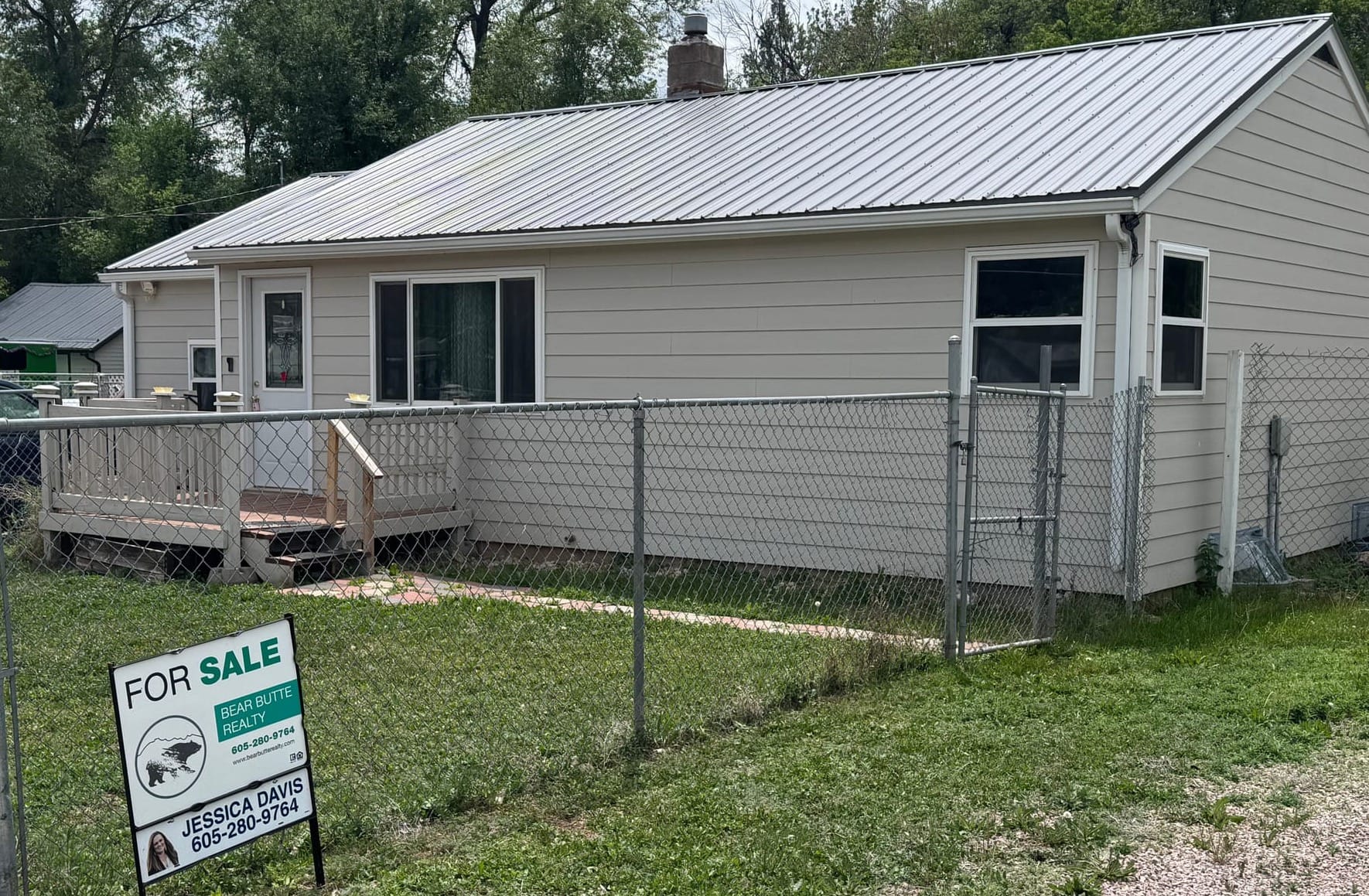
The study also noted strengths and weaknesses in the city's current and prospective housing efforts. Strengths include the city's role as a regional economic center, strong educational and health care systems, abundant outdoor recreation, attractiveness to retirees and generally affordable housing.
Negatives include the increasing population age and declining condition of housing, low-pay jobs, commutable proximity to Rapid City and a lack of available infrastructure.
"We're trying to get people of working age to come here and bring their family and put their kids in our schools and shop at our local stores."
– Aerial Allison, Hot Springs city administrator
The study ultimately called for development of about 100 local rental units, finding more developable land for single-family homes, and improvement or demolition of dilapidated houses and mobile homes.
Interestingly, the study called directly for two components that would be achieved by the Cascade Hills subdivision: promoting employer involvement in housing development and greater development of twin-home and townhouse units.
Limitations: Holistic housing approach needed
So far, the city of Hot Springs and its residents have been big supporters of the Cascade Hills project, said Aerial Allison, city administrator.
With no significant resident opposition and a unanimous city council vote, the city approved a $2.3 million tax increment financing (TIF) district to expedite development, she said.
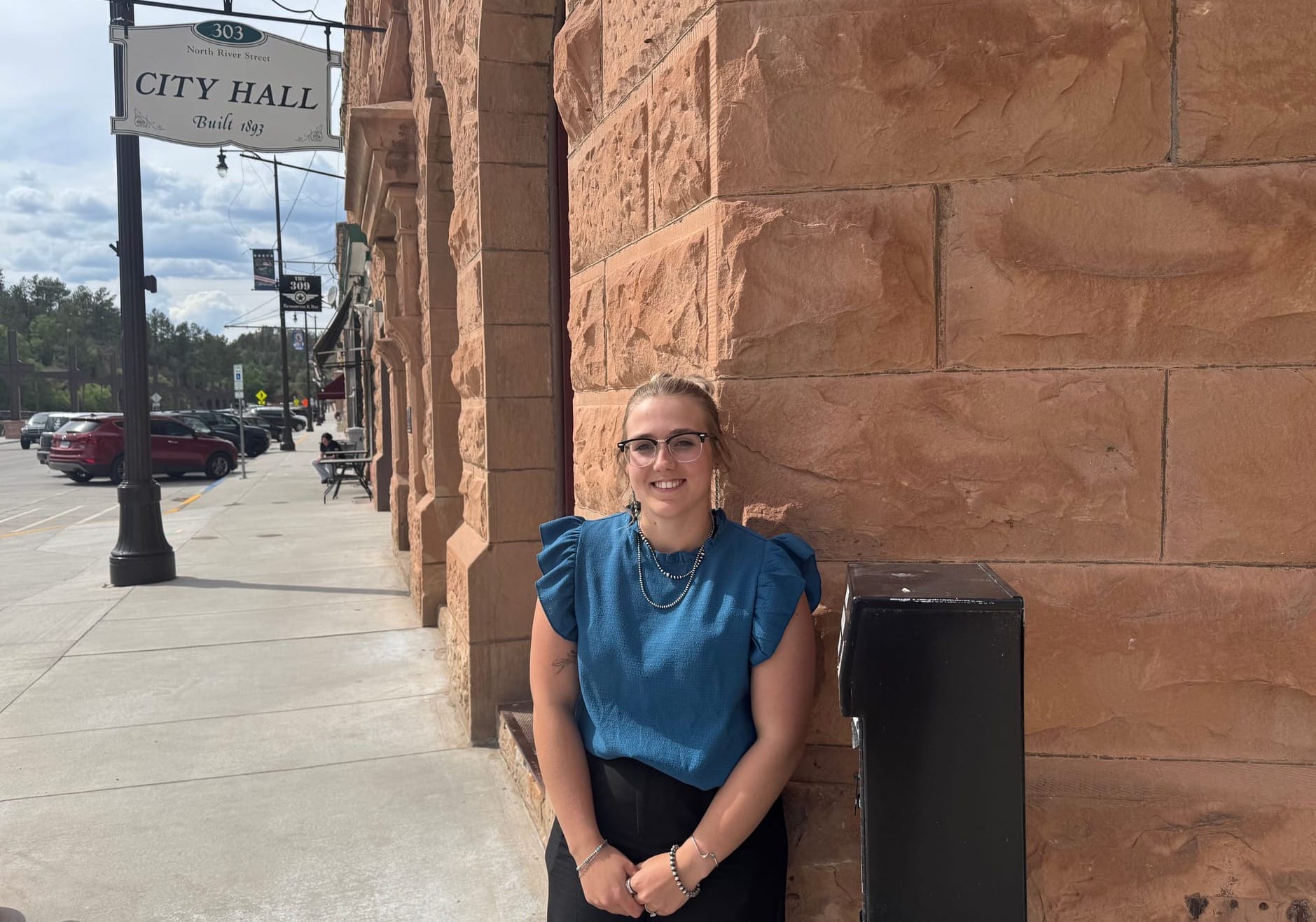
No local tax money is expected to be needed on the project that could generate opportunities for new or existing employers to hire workers and potentially expand, Allison said.
"We've got some job openings (in city government) and I know they've been struggling at the hospital to fill jobs and retain them," she said. "But I think all our employers would see a benefit."
Yet the subdivision is only one part of a larger strategy to increase housing options in Hot Springs, Allison said.
Quality housing has been increasingly hard to come by as the city's reputation as a pleasant retirement community has grown. Adding to the demand is a large number of out-of-state people who moved to Hot Springs and bought homes during and since the COVID-19 pandemic.
"Not to blame them for anything, but we're really excited this project is focused on workforce housing," Allison said. "We're trying to get people of working age to come here and bring their family and put their kids in our schools and shop at our local stores."
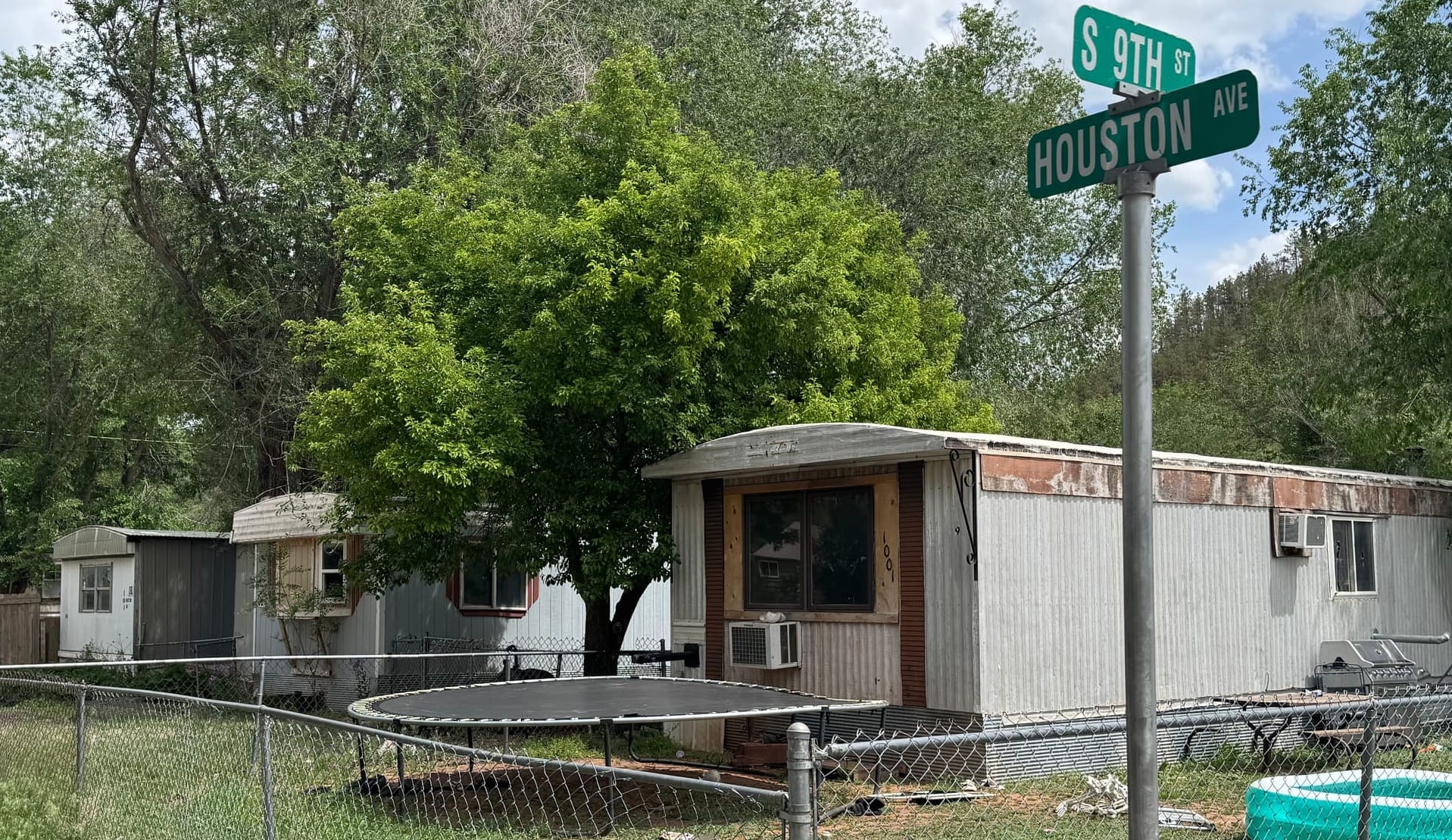
Meanwhile, the city has become more assertive recently in trying to buy and rehabilitate or tear down dilapidated housing, especially in some aging local mobile home parks. Part of that plan is to find suitable housing for people who leave those aged houses, Allison said
The city is also trying to connect homeowners with resources to help pay for home improvements or to upgrade their housing status, she said.
 Bart Pfankuch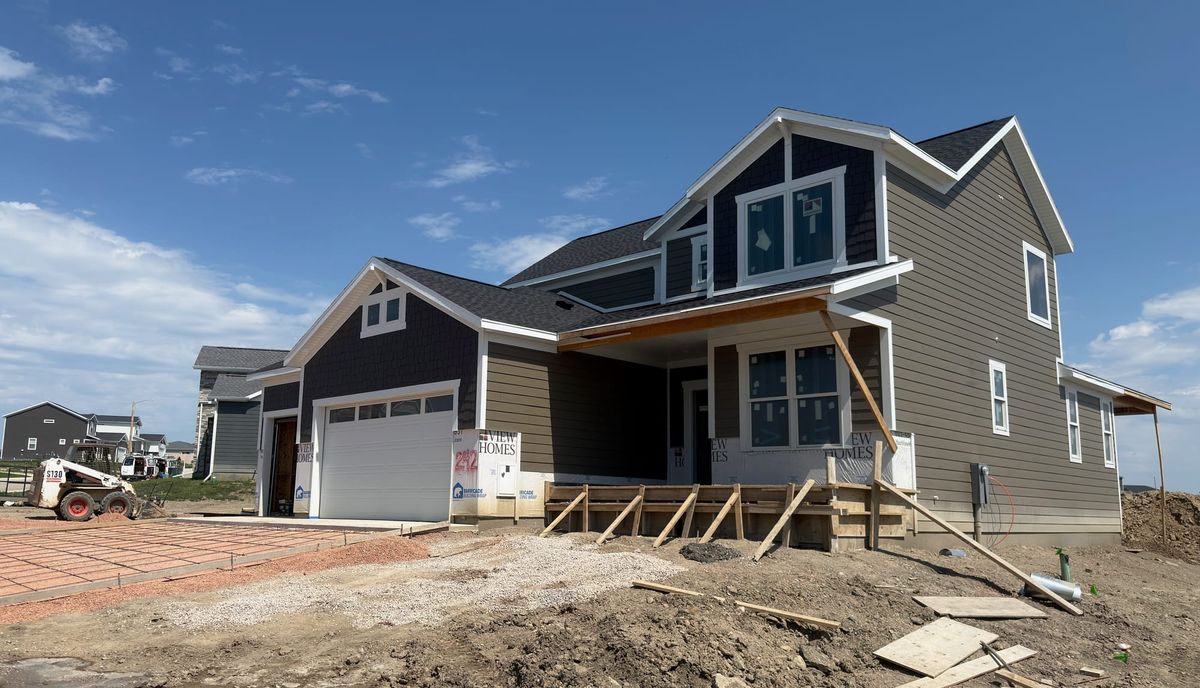
"Our jobs here haven't really kept up with other rising costs, and especially housing costs, so people may need some help," Allison said.
If the Cascade Hills project goes well, and houses get built and sold fairly quickly, it could spur more housing development, population growth and economic activity in the city, she said.
"It's a good first step for us, a really big first step," she said.
South Dakota News Watch is an independent nonprofit. Read, donate and subscribe for free at sdnewswatch.org. Contact content director Bart Pfankuch: 605-937-9398/bart.pfankuch@sdnewswatch.org.