The second installment of our Heard in South Dakota series brought us to the west and southwest region of the state.


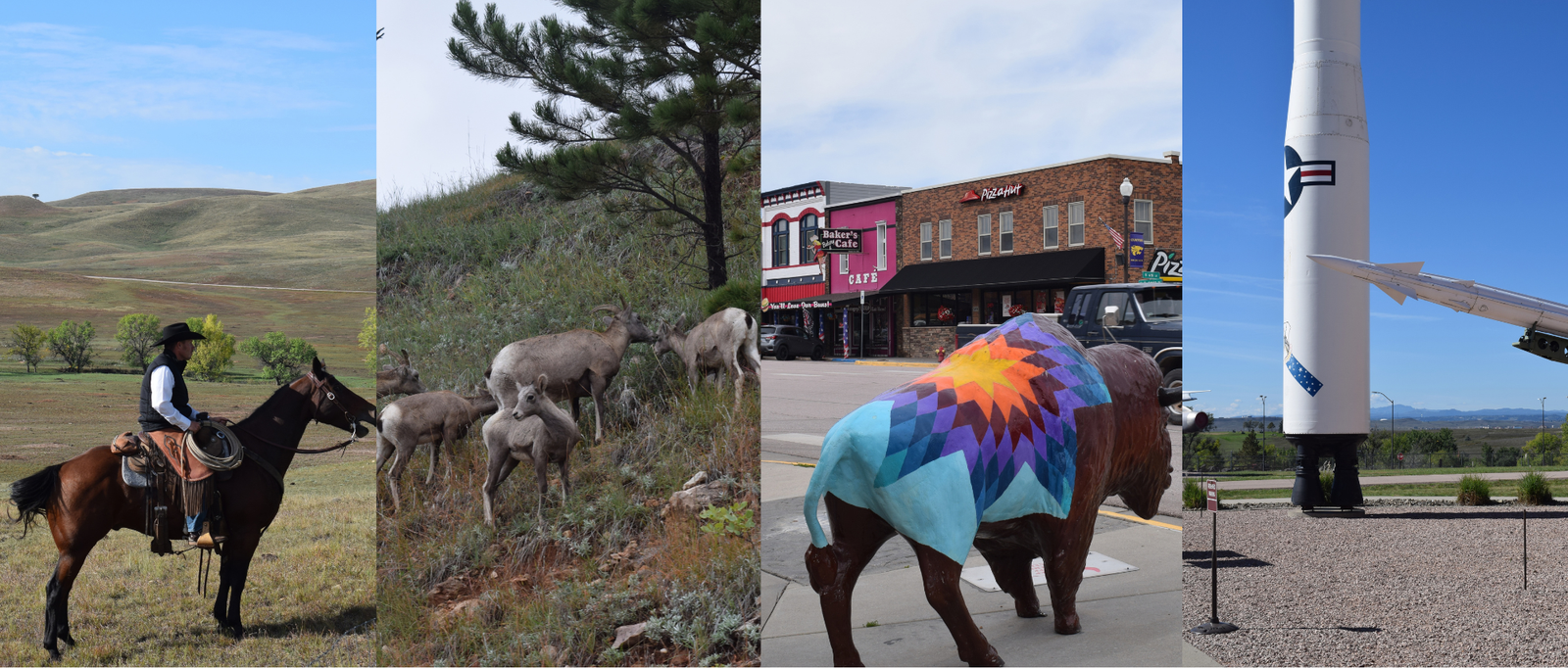
The 577 region is one of the largest in the state and contains some of the area's most iconic and well-visited tourist attractions. That includes Mount Rushmore and the Crazy Horse memorials, Custer State Park and Sturgis, home of the eponymous motorcycle rally.
But it also includes multitudes beyond what you may see in a Kevin Costner film or Travel South Dakota brochure.
 Carson Walker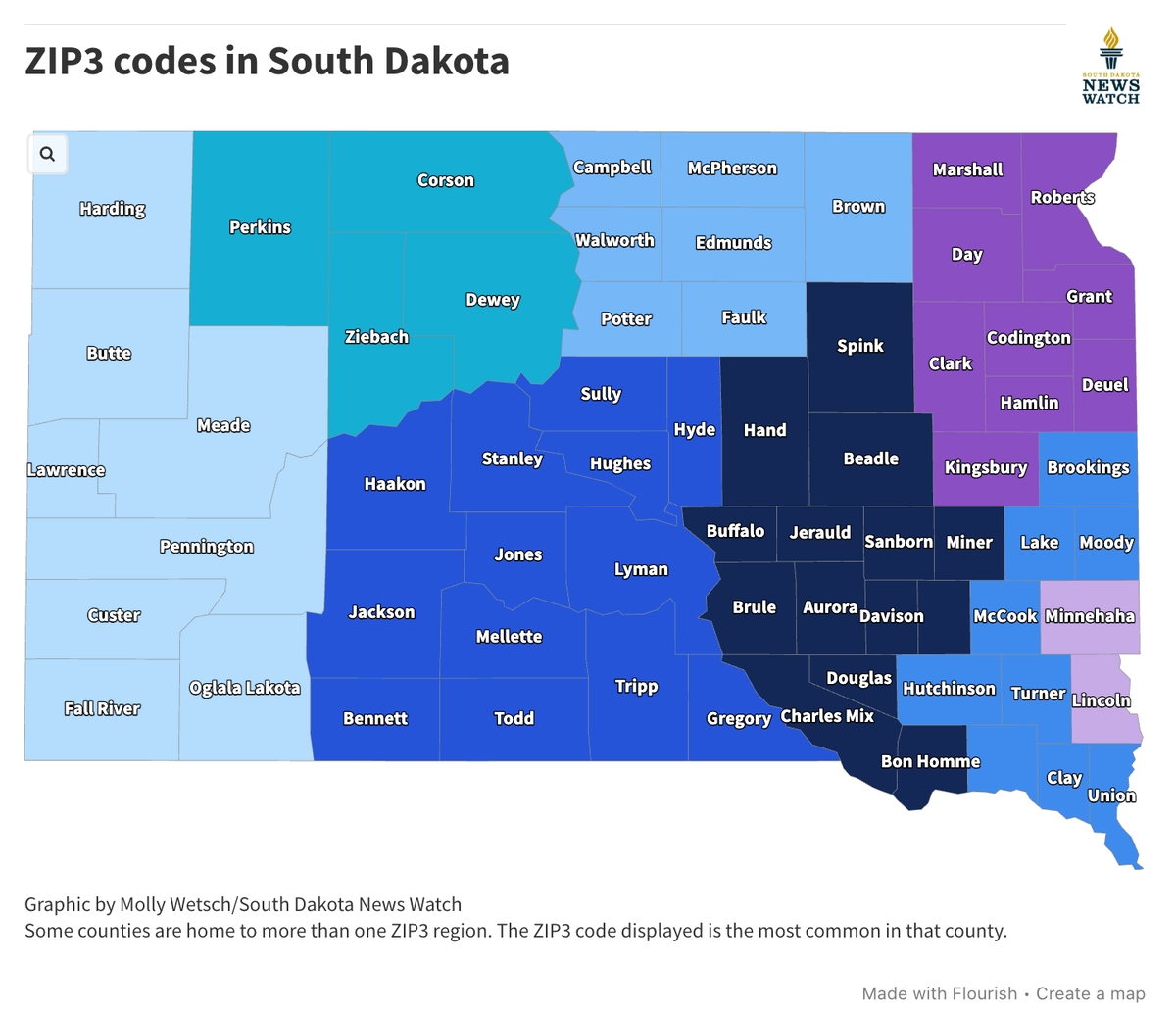
What to know about 577
The 577 region stretches from the northwestern to the southwestern tip of South Dakota. It borders four states – Montana, North Dakota, Wyoming and Nebraska – and Rapid City, the state's second-largest city, serves as a regional hub for many of those neighboring populations.
Parts of the Pine Ridge reservation sit within its borders, one of the largest reservations in the country and home to the Oglala Lakota nation. The region also hosts a large portion of the state's mining, timber and defense industries.
The northernmost area of the region is among the most rural in the state and is actually considered frontier because of the sparse population. Harding County, which borders Montana and North Dakota, is the fourth-largest county in the state by area but has the second-smallest population, at just over 1,000.
Because the region is so large, its population is diverse and faces a wide variety of issues.
News Watch spoke to five individuals in the 577 region who represent the vast array of people that call it home. Issues raised range from young people's concerns about the future to land use.
Mayor Jason Salamun, Rapid City: Cities doing city things
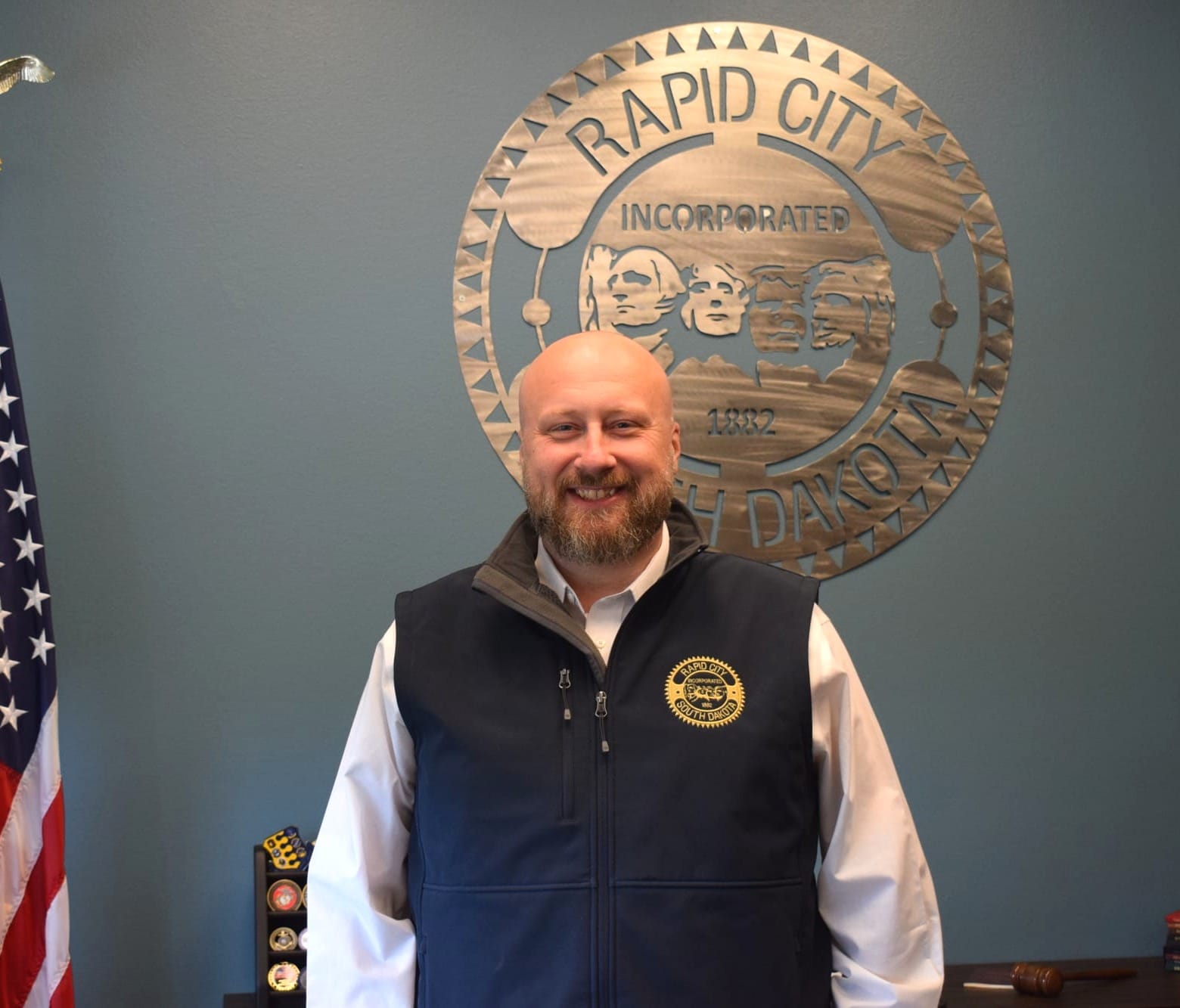
Jason Salamun has been leading the state's second-largest city since 2023. He's been around for much of the growth that he calls "cities doing city things."
The Rapid City metro area now claims about 157,000 residents, a growth of about 40,000 since the turn of the century. Salamun emphasized that residents from five states rely on the city for services. New major developments in the city are starting to reflect that change, Salamun said, many of them just in the past year.
Northrup Grumman recently announced an $18 million office development in the city that will help the company connect with nearby Ellsworth Air Force Base, where its new B-21 bombers will be stationed. The development of a massive sports complex is currently underway, and the city will soon see its first Sanford Health hospital as part of the health care giant's expansion into the western part of the state.
Salamun said he understands some residents' concerns about the speed of the city's growth but said it also must seize the opportunities when they come.
"When you have momentum, it's the hardest thing to get, and it's also very difficult to keep it going, so you cannot take it for granted," he said. "You either are thriving or you're not, and it's a difficult situation. But I would say, if we ever lost what makes us special, then it's not worth it. Growth for growth's sake – that's not anything I'm interested in."
Salamun's goal is not to become a second Sioux Falls. He highlighted the unique industry that already exists in the region – like Ellsworth and the Sanford Underground Research Facility in Lead, as well as a robust engineering school at the South Dakota Mines – as a driver for Rapid City to become a different type of metro area.
Amanda Carlow, Pine Ridge: A future for youth at home
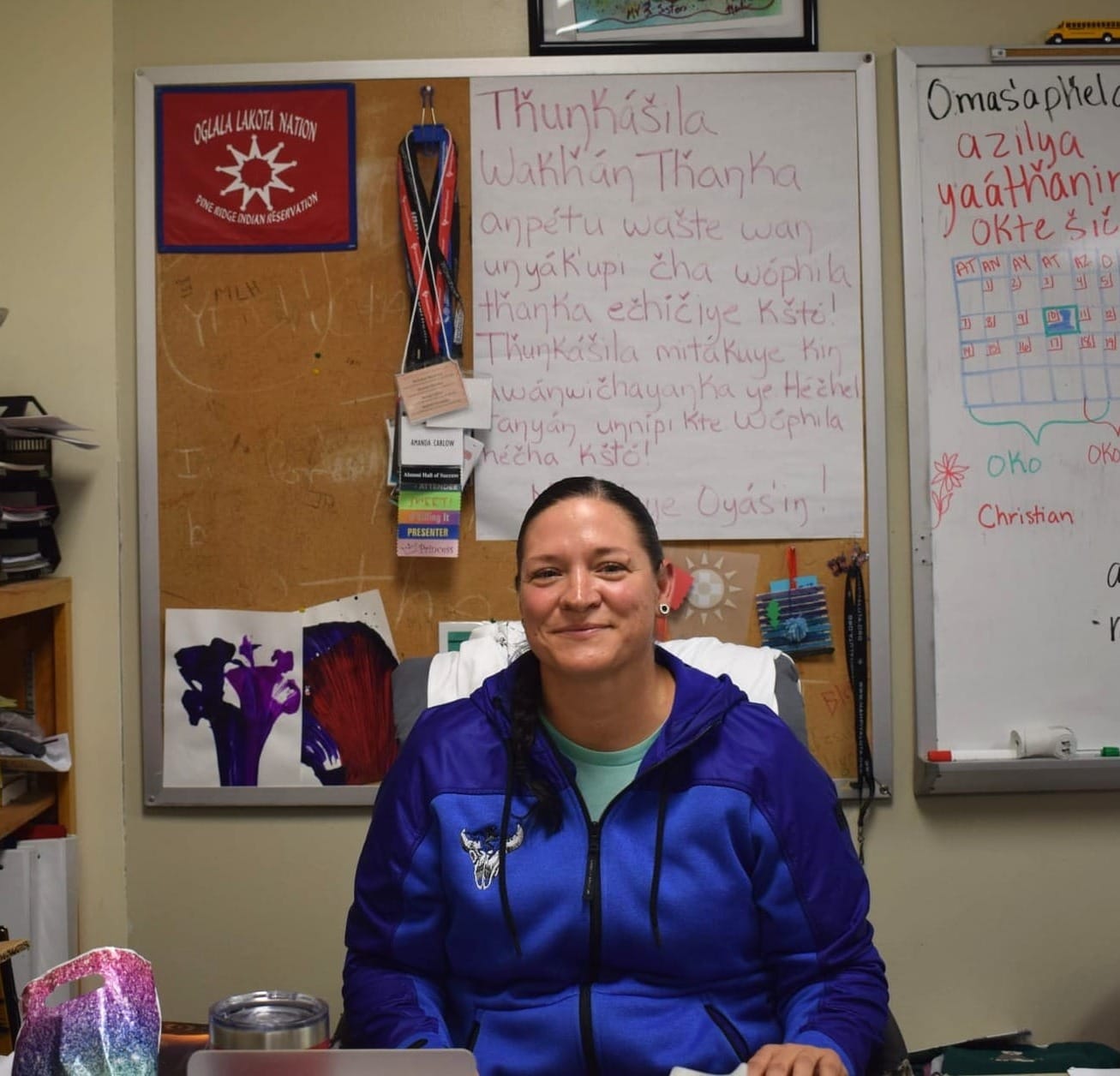
It's been more than two decades since Amanda Carlow played basketball at Maȟpíya Lúta, then called Red Cloud Indian School.
Since then, she's played in colleges across the country, become a Bush Fellow and is an adjunct professor of Lakota language at South Dakota State University. She's weeks away from getting her Ph.D. from the University of Hawaii. Her home, though, is still in Pine Ridge, where she now teaches Lakota at her alma mater.
Carlow told News Watch that coming back to Pine Ridge was always her plan, calling herself a "Rez girl at heart." But she says the narrative about reservation life can also cast a shadow on the young people she works with.
"Everything you could think of in a statistic, we are double or triple whatever the norm is. So, it's definitely a place where people are like, 'God, how do they survive?' But it's a place where it's so rich in culture and tradition, and people who've had to persevere through things," Carlow said.
 Molly Wetsch
Carlow said that her primary focus is reminding her students on Pine Ridge that they don't have to leave to be successful. When News Watch visits her in her classroom on Pine Ridge, a student comes in. They have an exchange in Lakota about a phone charger and Carlow tells them to get to class.
She's helped grow the school's Lakota language immersion program, which now supports children as young as 18 months old through high school and allows students to become certified Lakota language teachers upon high school graduation – a job they could find at Maȟpíya Lúta, if they wanted to.
"This is my home. So when I left and went to school, coming back was always part of my plan. No matter that people were like, 'Oh, don't come back. You're not gonna find a job,'" Carlow said. "With our kids, there's certain people that will say that. But it's like, how are we gonna improve here if the best people are leaving?"
Nathan Feller, Black Hills State: Trying to get fellow students engaged
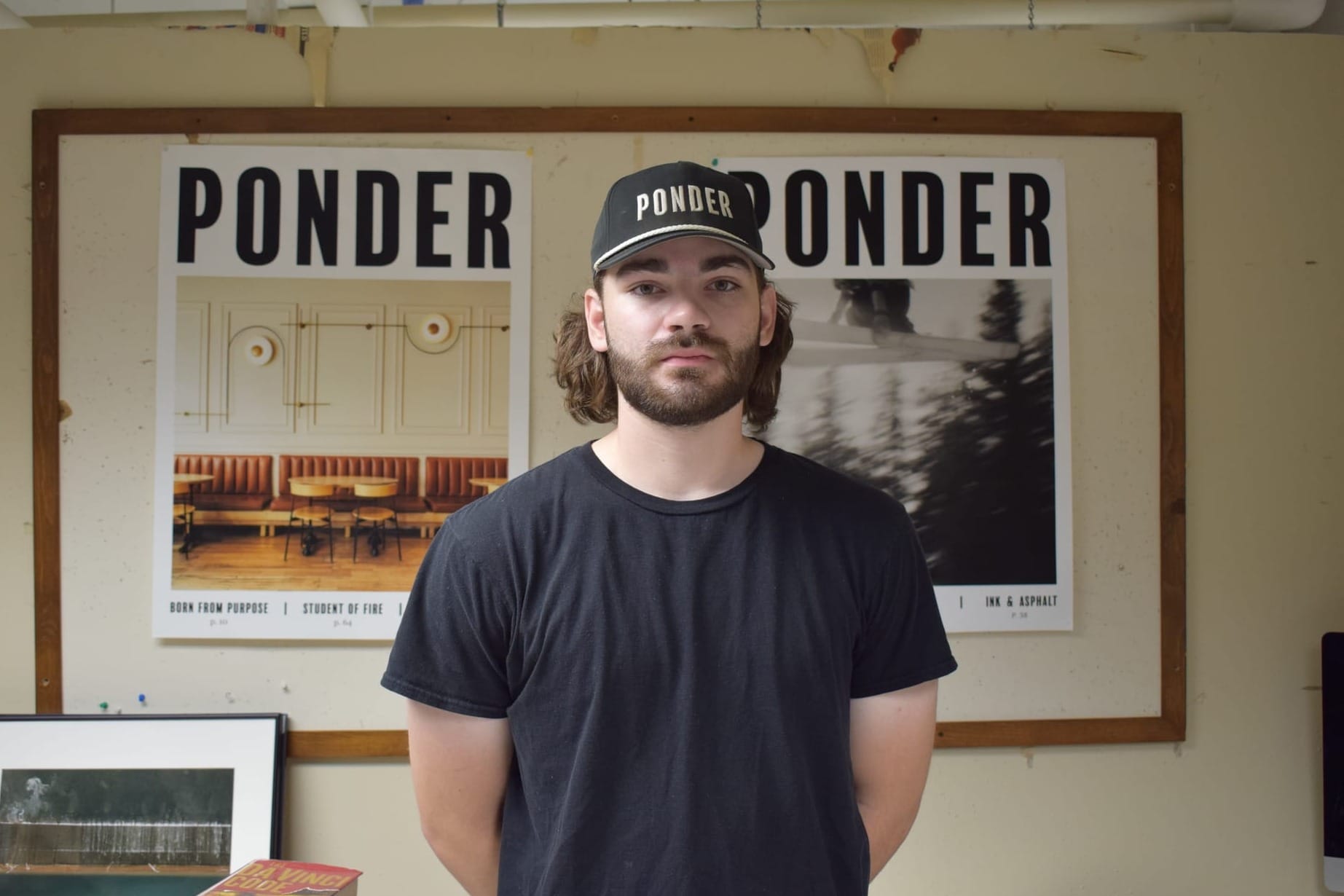
Nathan Feller, a senior at Black Hills State University in Spearfish, is getting ready to graduate with a degree in multimedia journalism. He founded Ponder, a student-created magazine that has won national awards. He was in charge of BHSU’s student newspaper from 2023-2025 and now serves as the student adviser.
Among that success, however, have been struggles. Getting students involved in journalism in a smaller university setting has proven tough for Feller. Finding new people to fill the needed roles is something he’s worried about after staff graduates. Plus, censorship and budget issues have caused BHSU student media to be in a kind of "limbo,” Feller said.
“It's been kind of a battle that I'm disappointed that we're losing, but it's gotten to the point where we don't know what to do anymore,” he said.
Get free, fact-based South Dakota news and information in a weekday email. No spam. Cancel any time.
The most important thing journalists can do, he said, is to remember to keep it small.
“We'll get more powerful stories in journalism – the system will work better if we more or less get rid of these big corporations and break it down into smaller local and regional institutions that can work together.”
Even though the future of media is uncertain, Feller still has big goals in journalism. He said a dream would be to report internationally, potentially be a war correspondent and the “biggest dream of all” – to win a Pulitzer Prize one day.
"Focus on the part of it that makes you happy because that's very easy to forget, especially when you're doing it all day every day. Think about what the goal is. Are you helping people? Are you trying to change lives? Are you trying to change minds? What's your message? And I feel like that's what works for me."
Jeanie Kirkpatrick, Ellsworth AFB: Front door to the Black Hills
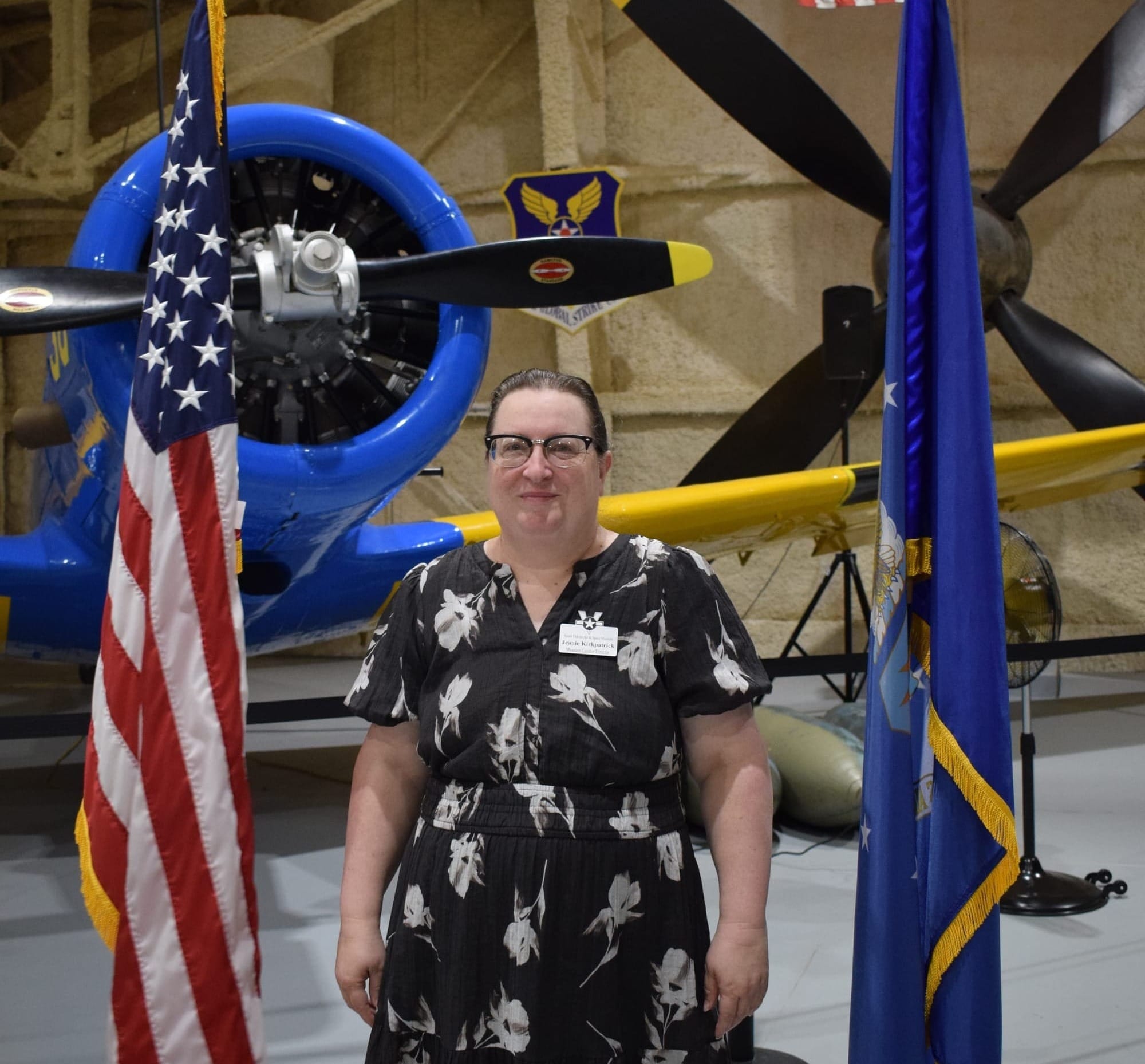
As of the end of September, the South Dakota Air and Space Museum at Ellsworth Air Force Base had seen more than 25,000 people come through its doors, already outpacing the visitor number from all of 2025.
Part of that can be attributed to the experience being free, said Jeanie Kirkpatrick, director of the museum. With rising travel costs, tourists and families are looking for something to do without spending money.
“It gives those tourists a break because they'll know their motel, they won't know the gas prices. They won't know their food. And so they'll look and reach out,” Kirkpatrick said.
 Amina Aidarkhanova
Another reason for the growing attendance could be the growth of Ellsworth Air Force Base and the community's support for the large veteran population.
Kirkpatrick said that people who retire from different branches of the military are moving to the area because of the proximity to a base and Veterans Affairs services. And all of the volunteers at the museum have been involved in the military in some capacity, Kirkpatrick said.
“They like the area. They have access to the base. Having the VA around, especially now with the small VA in Rapid City, that's been great," she said. "I think people are starting to realize what the base is becoming, and they're proud of that."
Eric Jennings, Spearfish: Growth is a balancing act
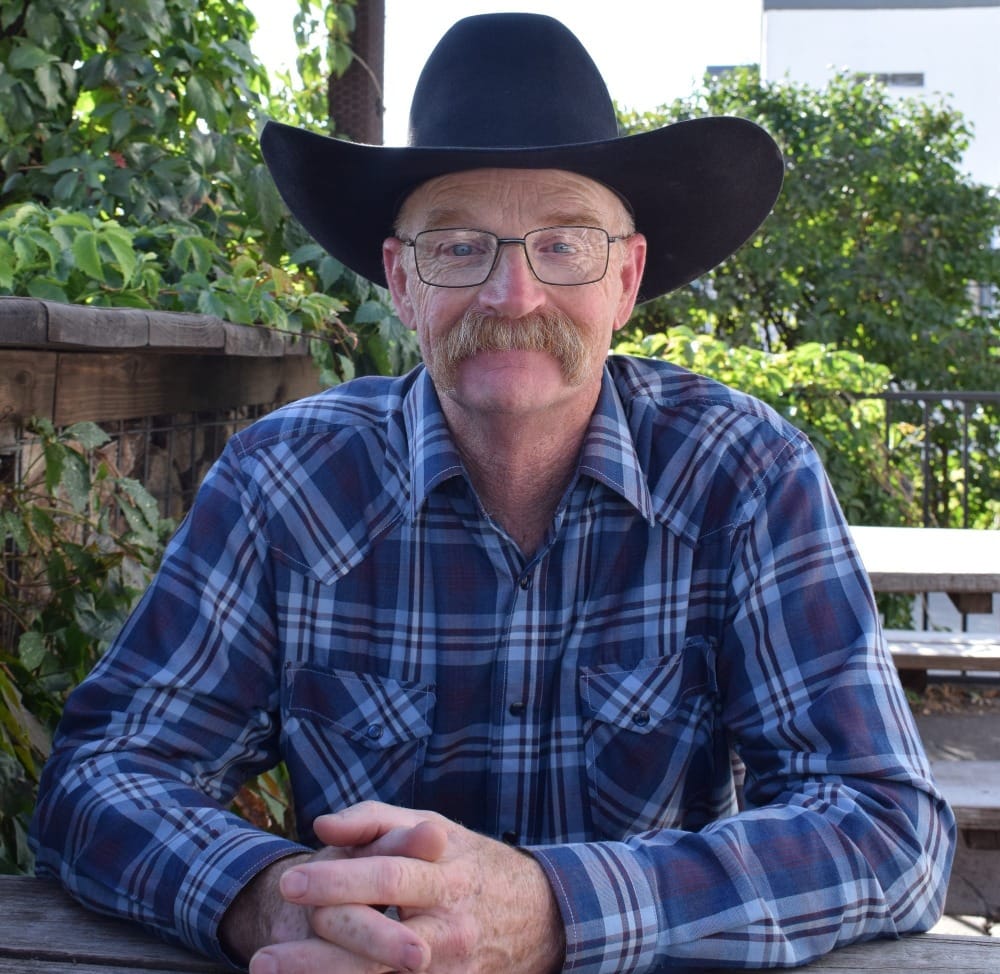
Determining how much development is "too much" is a balancing act, said Eric Jennings, a Spearfish rancher and Lawrence County commissioner.
Housing in Spearfish is in very high demand, Jennings said, a concern that many South Dakota communities can relate to. The price has been driven up, making it beyond what attainable workforce housing price is.
“You know, a starter home here is probably $350,000, and our wages don't support that for the most part,” he said.
 Bart Pfankuch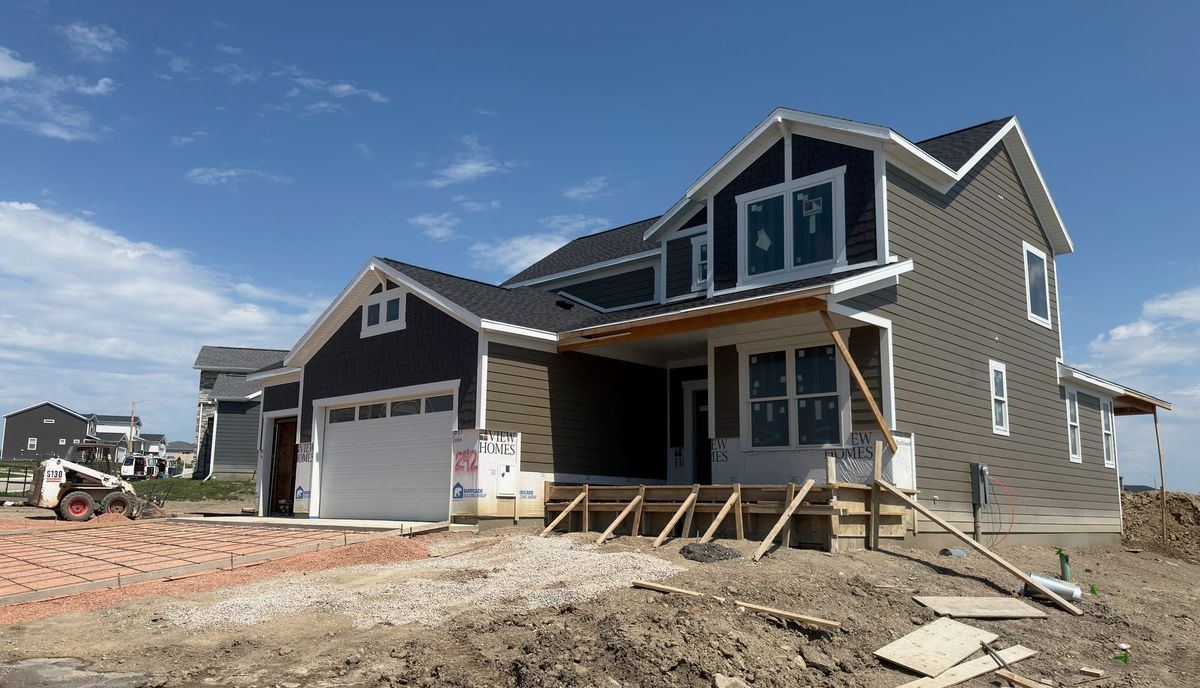
One thing Jennings wrestles with as county commissioner is zoning and land use. He supports private property rights but also understands the need for zoning and organized growth.
"It's a difficult balance. I struggle with the people that move into an area and then want to control it after they get there," he said. "Everybody wants development to stop right after they get their house built.”
The Spearfish community is overall very supportive of the ranching and agriculture lifestyle, Jennings said. Maintaining that is important because the people moving to the Black Hills want to see that culture, he said.
"As you get more and more development, then you start losing the culture of the custom that people moved out here for. They love to go out on these secondary roads and see agriculture. Well, if all they're seeing is houses, then that's not gonna be as much fun and desirable. So maintaining agriculture is really important for the culture of the area and the wildlife, too."
What issues are important to you and your community? Help shape our coverage by filling out this short form. Thank you!
South Dakota News Watch is an independent nonprofit. Read, subscribe for free and donate at sdnewswatch.org. Contact reporter/Report for America corps member Molly Wetsch: 605-531-7382/ molly.wetsch@sdnewswatch.org. Contact reporter Emily DeCock: 605-736-4396/ emily.decock@sdnewswatch.org.