
Title: Content Director
Contact: 605-937-9398 / bart.pfankuch@sdnewswatch.org
Language spoken: English
Demographic expertise: South Dakota, including the Rapid City area, the Black Hills, rural towns and reservations
Topic expertise: agriculture, state government, education, rural issues, Indigenous people, poverty
Potential conflict of interest: Pfankuch serves on the board of the Oyate Prevention Coalition in Rapid City, which works to prevent substance abuse among Native American youth. He will recuse himself from reporting on the organization.
Biography: Pfankuch (pronounced FAN-cook) is Wisconsin native and former editor of the Rapid City Journal. He has worked for more than 30 years as a reporter and editor at newspapers in Wisconsin, Florida and South Dakota, including as reporter or editor at the Eau Claire Leader-Telegram and Capital Times in Wisconsin, and at the Florida Times-Union and Sarasota Herald-Tribune in Florida. He also is a syndicated writing coach who has presented at newspaper conferences across the country. Pfankuch has won more than four dozen state, regional and national journalism awards, including, while at News Watch, agricultural writer of the year from the North American Agricultural Journalists association in 2020, 2021 and 2023 as well as first-place reporting awards in the Great Plains Journalism Awards sponsored by the Tulsa Press Club and South Dakota NewsMedia Association. Pfankuch lives in Black Hawk.
Professional memberships: Investigative Reporters and Editors, North American Agricultural Journalists, South Dakota NewsMedia Association First Amendment Committee
Archive of work: South Dakota News Watch
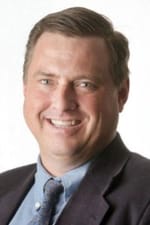
Bart Pfankuch
Total 352 Posts
As 2022 election approaches, vast majority of South Dakota voters see civility declining in America
Editor’s note: This is the fourth and final article based on a recent statewide poll conducted by South Dakota News Watch and the Chiesman Center for Democracy at the University of South Dakota, and is the latest segment in the ongoing “South Dakota Matters” series of polls and panel

Experts: Timing is right for Sanford Health’s $350M expansion in telemedicine
For those who have watched the slow but steady evolution of telemedicine in South Dakota and across the U.S., the recent announcement by Sanford Health that it is building a $350 million virtual health center in Sioux Falls might seem a bit perplexing.
After all, the telemedicine services provided
Statewide poll shows referendum on recreational marijuana legalization in SD could fail in November
Editor’s note: This is the second in a series of articles based on a July 2022 statewide poll conducted by South Dakota News Watch and the Chiesman Center for Democracy at the University of South Dakota, and is the latest segment in the ongoing “South Dakota Matters” series of
Fraudulent farmers live lavishly until caught
BELLE FOURCHE, S.D. – Farmers and brokers who commit organic grain fraud have shown a propensity to spend big money on lavish lifestyles until the authorities catch up with them.
When Belle Fourche organic grain broker Kent Duane Anderson turned to fraud, he made millions of dollars and used the
Fraud and weak USDA oversight chip away at integrity of organic food industry
Trey Wharton of Sioux Falls has made numerous sacrifices in his life in order to maintain a healthful lifestyle centered around a vegan diet and consistent consumption of organic foods.
To afford organic products that are sometimes double or triple the cost of conventionally grown foods, Wharton works two jobs,

Panel discussion on politics and education set for Thursday, June 16, 2022
In the latest segment of its ongoing “South Dakota Matters” series of polls and panels, South Dakota News Watch will host a one-hour panel discussion on the effect of increasing politicization of public education and its impact on the worsening teacher shortage on Thursday, June 16, 2022 at 7:30
Special report part 1: Teachers in SD endure new stress as politics and culture war seep into classrooms
Jason Connelly is exactly the kind of young educator the South Dakota public school system would love to add to its depleted teacher workforce.
Connelly grew up in Sioux Falls and attended Catholic schools before pursuing a history and teaching degree at Augustana University, which he obtained this year.
Connelly