
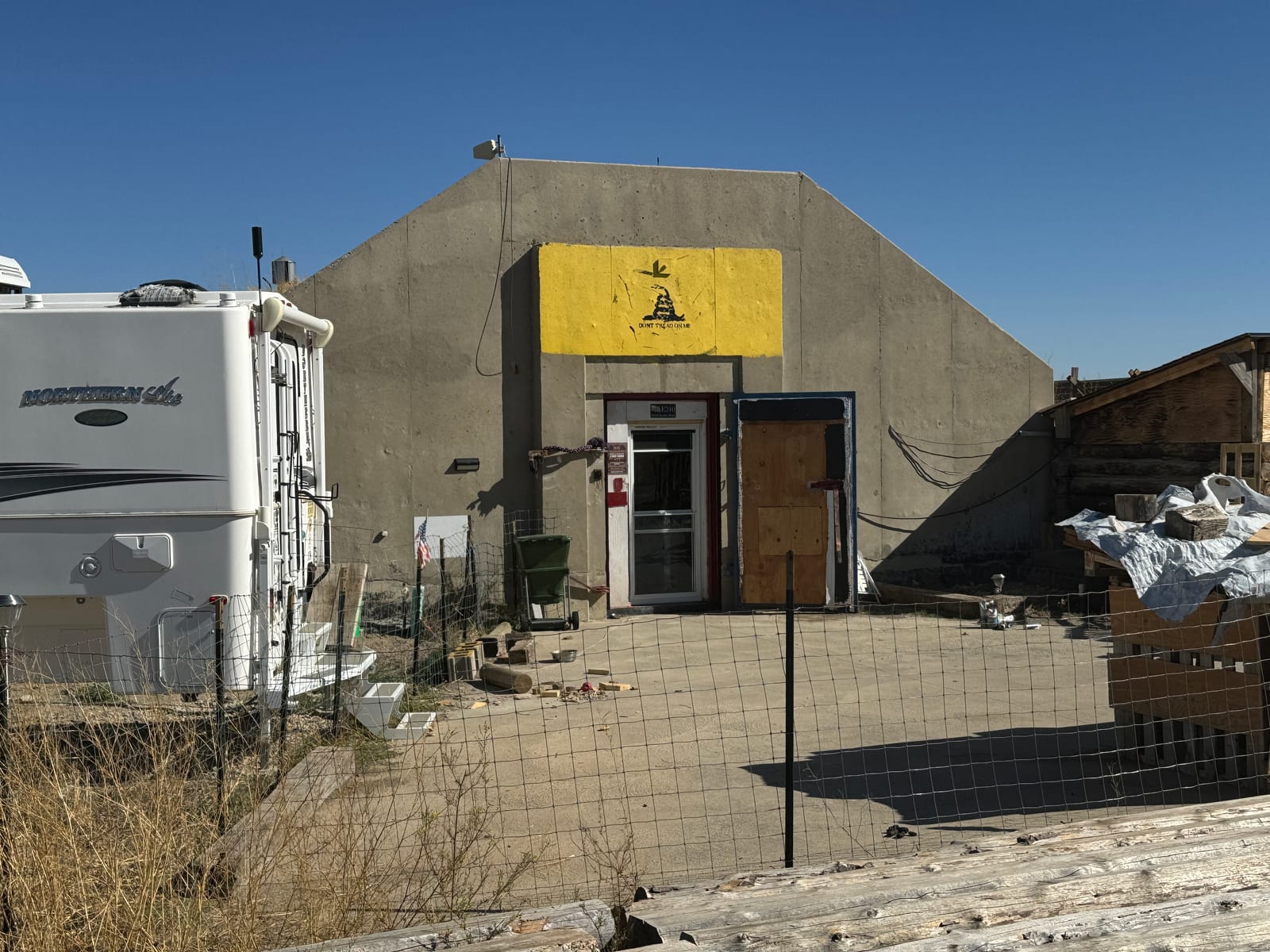

SIOUX FALLS, S.D. – The South Dakota Supreme Court heard arguments Wednesday over the contested eviction of a resident of the survivalist bunker community near Edgemont in a case that could have widespread implications on contract and lease laws in South Dakota.
The five justices heard testimony on the case "Vivos xPoint versus Sindorf" during a traveling court session held in the Hamre Recital Hall on the campus of Augustana University in Sioux Falls.
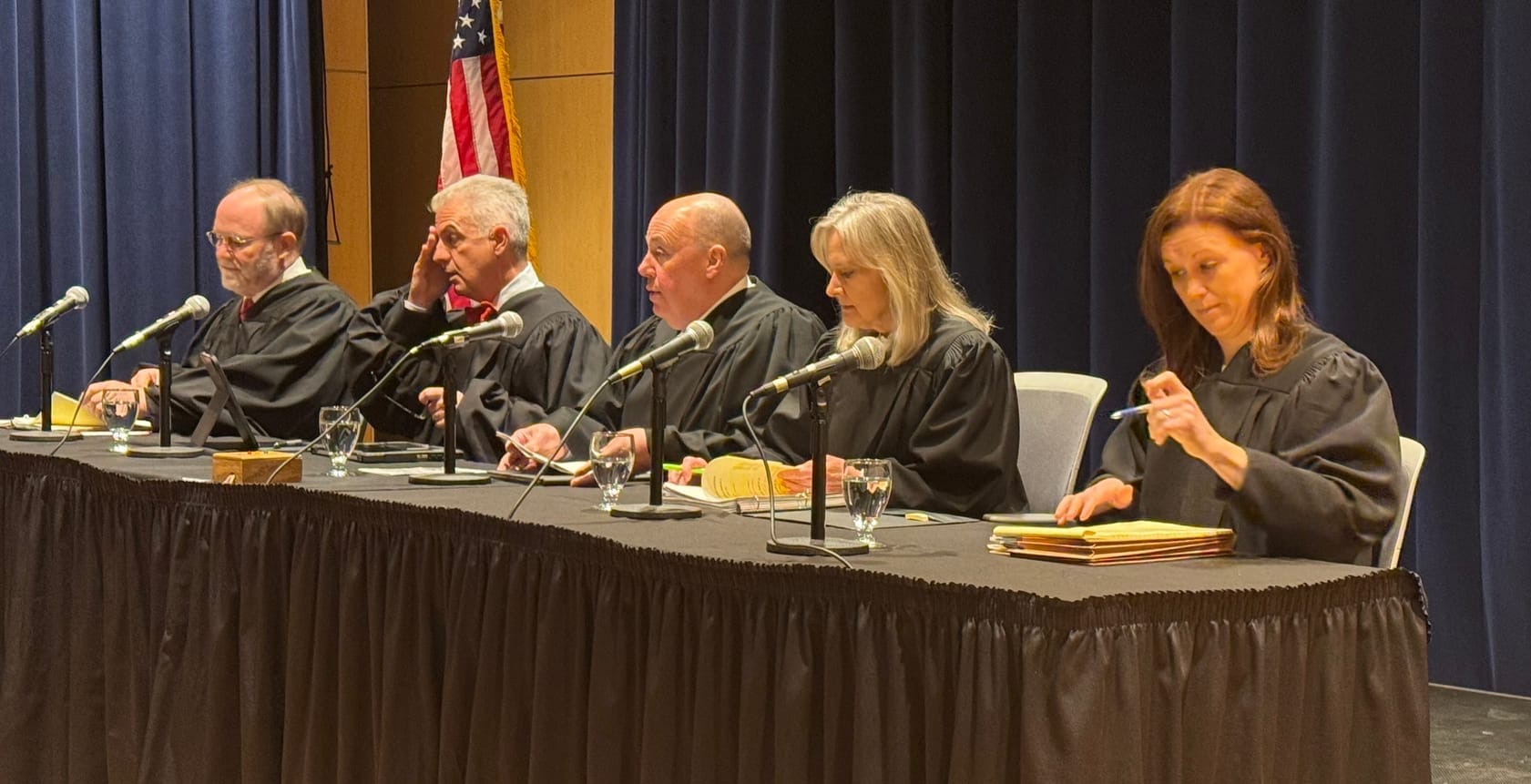
The high court is being asked to decide the legality of the 99-year lease signed by dozens of residents of the Vivos xPoint residential complex located 8 miles south of Edgemont, in far southwest South Dakota. The court is considering an appeal made by Vivos of a 2025 circuit judge's ruling that declared the lease "illusory," or essentially illegal.
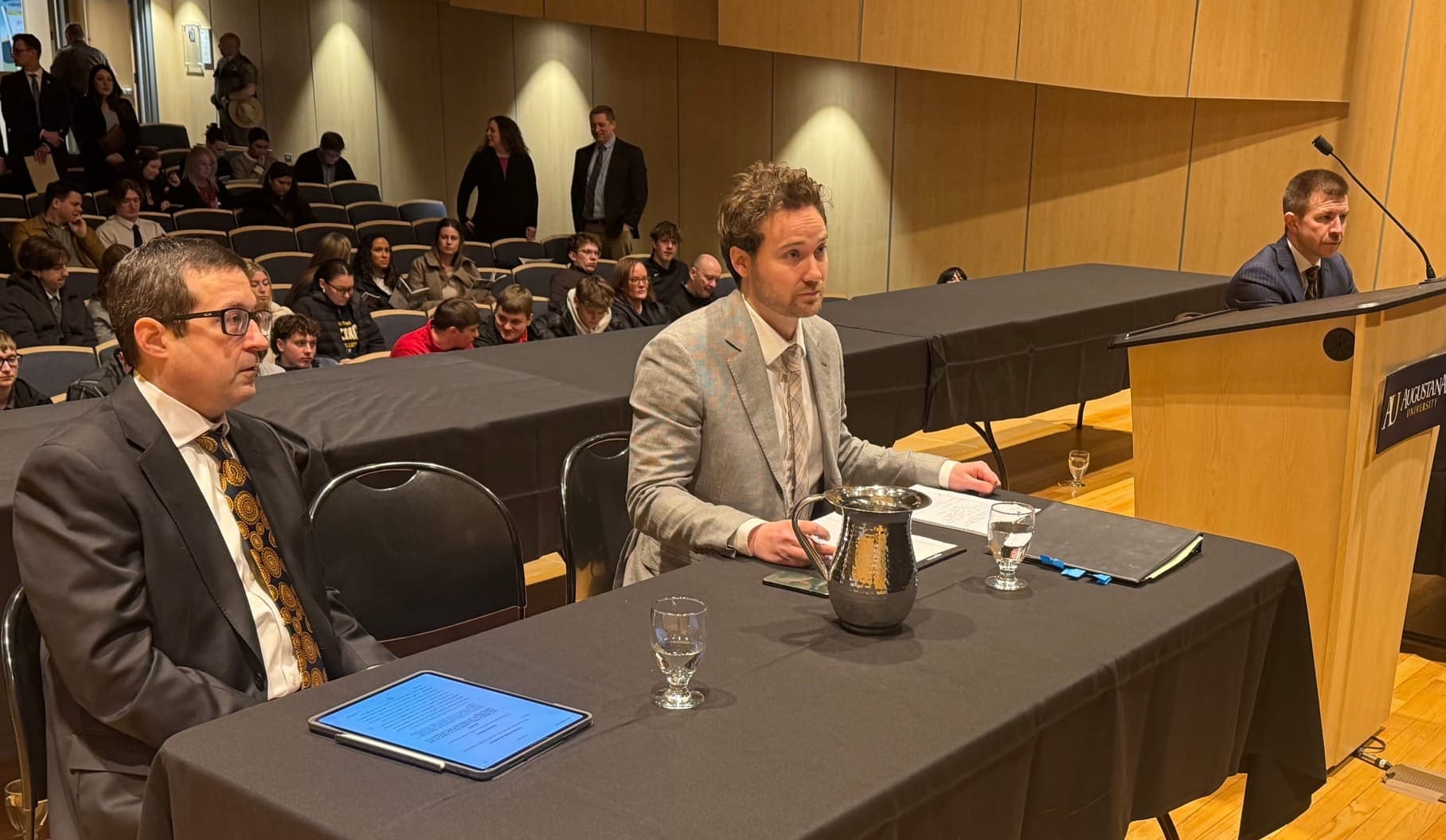
The justices heard legal arguments from both sides of the case and asked numerous questions of the lawyers involved – Spearfish attorney Eric Schlimgen representing Vivos and Custer attorneys Matthew Hays McCoy and J. Scott James representing Daniel Sindorf.
After the 50-minute hearing, the three lawyers representing the two sides stood in the hallway of the recital hall and each expressed some confusion about the inquiries raised by the justices, trying to determine which legal principles interested the court the most or which way they were leaning in regard to a ruling.
The court will now review the arguments and prior court filings before making a ruling, which could take several months.
Vivos lease a source of legal uncertainty
The 14-page lease and an extensive list of rules and regulations have become the subject of a handful of lawsuits after they were used as the basis to evict several bunker residents.
Evicted tenants then lose the right to occupy the bunkers despite paying up to $55,000 in upfront fees, a monthly service charge and for improvements to make the bunkers more livable.
The case in question centers around the eviction of Sindorf, a former Vivos resident who signed a lease in 2020. The eviction came after a July 2023 incident in which Sindorf pulled out a gun after he said he felt threatened by a Vivos employee’s dogs.
Sindorf said he and his wife had felt threatened by the loose dogs on several occasions and pointed the gun at the ground in the area where the dogs were present.
Vivos argues in court documents that Sindorf had pointed the gun directly at the girlfriend of a Vivos employee and was therefore in violation of the lease and subject to eviction.
The legal case hinges on language within the lease, including changes made after Sindorf signed it.
"This could affect contracts of all kinds, whether you’re talking about a contract for employment or to buy a car or to rent a property."
-- Custer attorney J. Scott James
Vivos states that several months prior to the July 2023 confrontation, the company added an addendum to the rules included within the lease that make it a violation to “brandish” a weapon outside of designated shooting areas within the complex.
James, one of Sindorf’s attorneys, argued in the lawsuit that the lease and therefore the eviction were both illegal because it is not lawful to make changes to a signed lease without consent of both parties or without recourse by the tenant.
In a three-page ruling in April 2025, Circuit Judge Scott A. Roetzel noted that “the 99-year lease is an illusory contract that plaintiff (Vivos) can unilaterally modify the terms of at any time with no resource for defendant (Sindorf)."
Attorneys make their cases
Schlimgen argued that the circuit court did not have proper jurisdiction and also erred in its ruling. He said Vivos properly notified all tenants, including Sindorf, that it was making a change to the rules regarding firearm use in the complex.
McCoy told the court that the Vivos lease gives the landlord "unfettered" ability to change the lease at any time. He also said that the rules and regulations Vivos imposes on tenants are part of and not separate from the lease agreement.
The high court, Justice Mark E. Salter in particular, raised questions about the basic nature of leases and contracts. Salter at one point appeared to questioned the need for a Supreme Court review of the lease if the evicted tenant has no intention of moving back into the bunker at Vivos.
"What’s the consequence if a contract is not a contract at all?" Salter asked.
Prior to the hearing, James told News Watch that if the high court rules in Sindorf's favor it would empower Vivos residents to seek a new, legal lease arrangement. He also said the ruling could strengthen lease and contract laws in the state by preventing changes to legal agreements without consent of both parties.
Your donation supports trusted, balanced storytelling that's delivered for free to all South Dakotans.
"This could affect contracts of all kinds, whether you’re talking about a contract for employment or to buy a car or to rent a property," James said. "If you want to change lease terms, you do it at renewal, and you don't do it in the middle of a rental period."
But in its filing to the high court, Vivos argued that allowing the lease to be declared illegal would have virtually the opposite effect and could weaken the legal status of leases and contracts in South Dakota.
"The public policy implications of the circuit court's decision that the lease is illusory open a Pandora's box on all leases and restrictive covenants that have 'community guideline' addendums and controverts the implied duty of good faith and fair dealing," the Vivos filing states.
Bunker complex source of many legal issues
The sprawling Vivos site includes 575 above-ground, earth-covered concrete bunkers that were used by the U.S. military from 1942 to 1967 to store conventional and chemical munitions at the Black Hills Ordinance Depot in a town once known as Igloo.
The bunkers were purchased by California businessman Robert Vicino in 2016 and have since been rented to survivalists or "preppers" who sign a 99-year lease to live in bunkers they do not own.
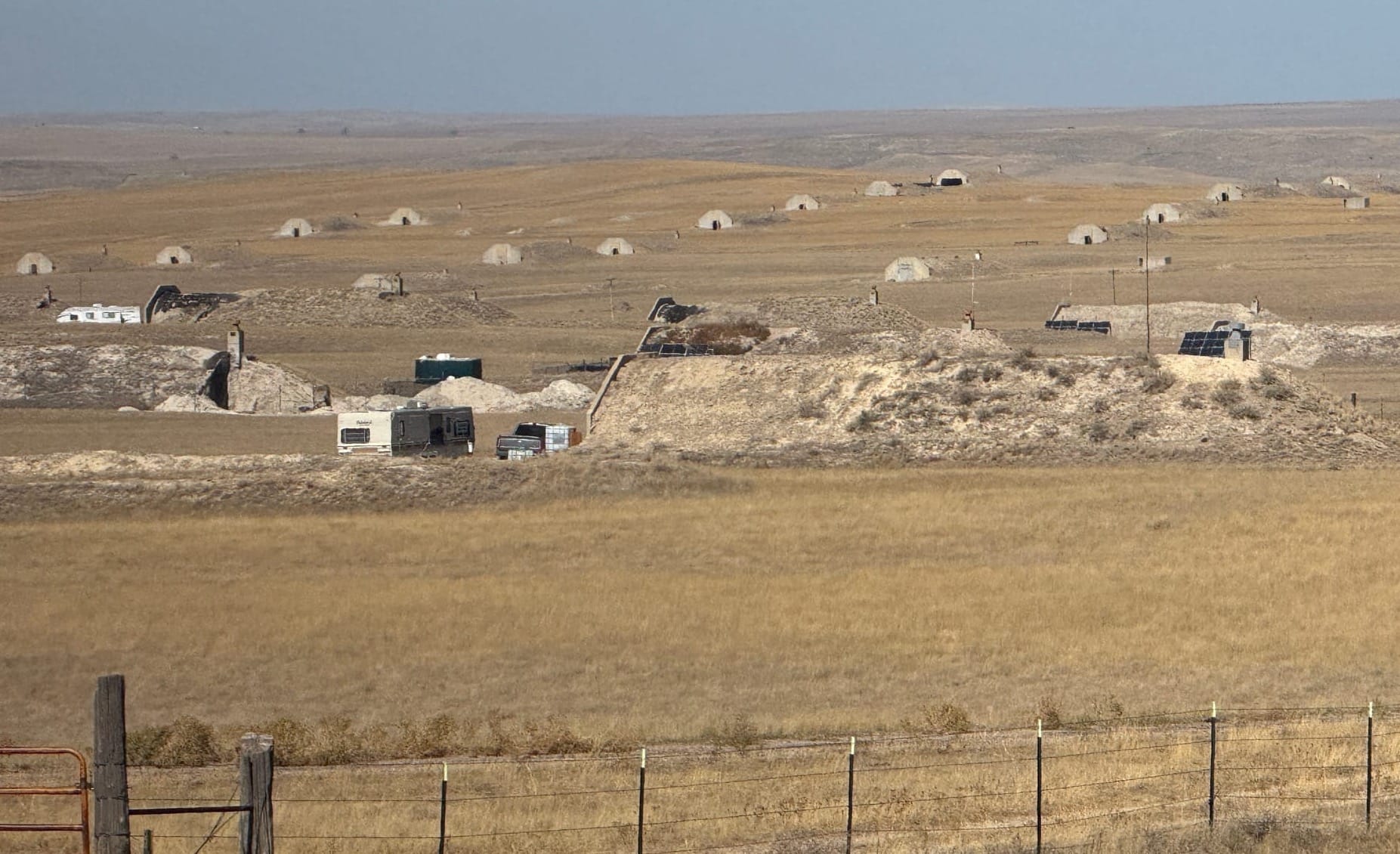
The legality of the lease is only one issue that has plagued the Vivos complex since its inception.
According to prior reporting by News Watch, the residential community has been beset by conflicts between residents and employees, numerous lawsuits, several complaints to the state attorney general’s office and a near-fatal shooting of a complex employee in 2024.
News Watch showed that Vivos has failed to follow through on promises to outfit the community with numerous amenities and employs at least one onsite worker with a violent criminal record. In a prior interview, Vicino said those who complain are “bad apples” and that most Vivos tenants are happy with their treatment.
2024 Vivos shooting ruled justified
In a separate Supreme Court ruling on March 11, the high court ruled in favor of former Vivos resident David Streeter in the August 2024 shooting of a Vivos contractor during a dispute.
Streeter was at his rented bunker when he was confronted by Vivos contractor Kelly Anderson, who had threatened Streeter in prior text messages. After Anderson arrived at Streeter's bunker, he again threatened Streeter and rushed toward him. Streeter shot Anderson in the chest and took life-saving measures to save him.
Anderson sued Streeter and the case moved to the high court after a lower court ruled in Streeter's favor. But the Supreme Court affirmed the lower court ruling, arguing that Streeter was justified in the shooting under the state's stand-your-ground law that allows the use of deadly force to defend oneself. The high court also ruled that Streeter was not liable for damages related to the shooting.
Read other stories about the Igloo complex:
 Bart Pfankuch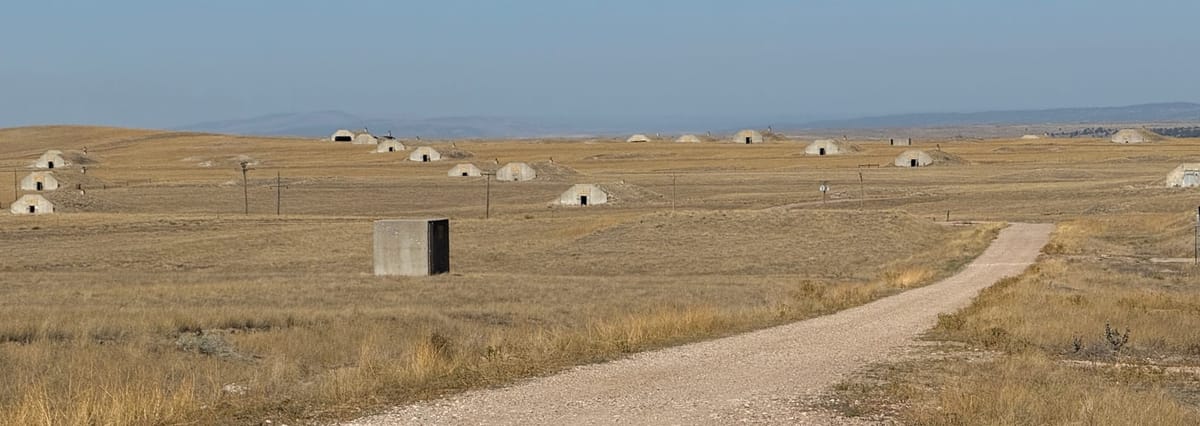
 Bart Pfankuch
 Bart Pfankuch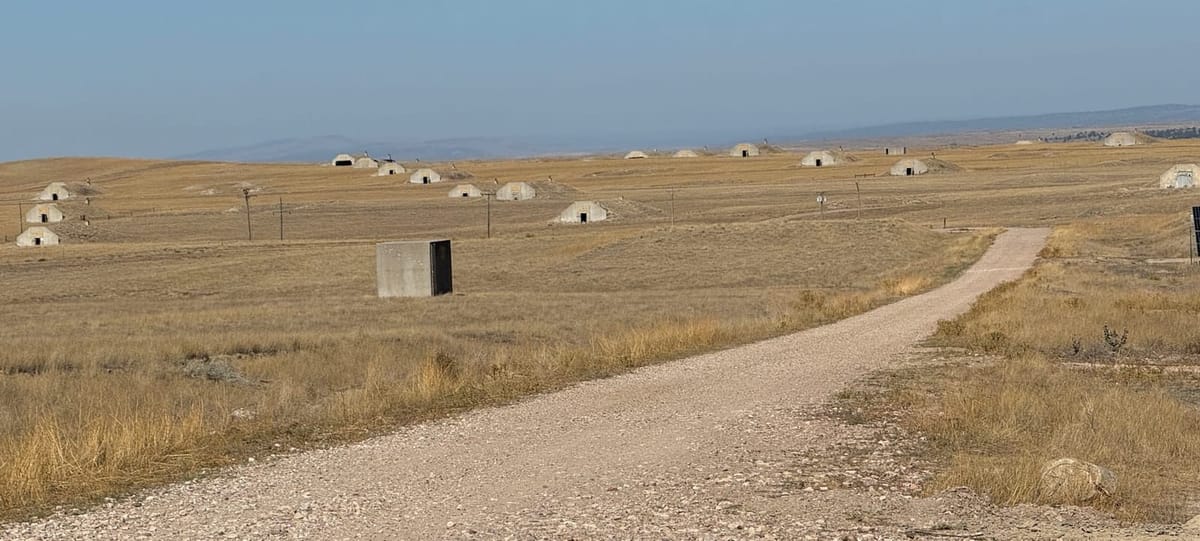
South Dakota News Watch is an independent nonprofit. Read, donate and subscribe for free at sdnewswatch.org. Contact content director Bart Pfankuch: 605-937-9398/bart.pfankuch@sdnewswatch.org.