
Two years after former Gov. Kristi Noem was banned from all nine tribal nations in South Dakota and one year after her departure from office, some tribal leaders said the state has made progress toward repairing relations with its Native residents.
Noem, during a series of appearances in early 2024, made several comments relating to Native communities in the state, including that drug cartels were active on reservations in the state and that Native children "don't have any hope."
 Molly Wetsch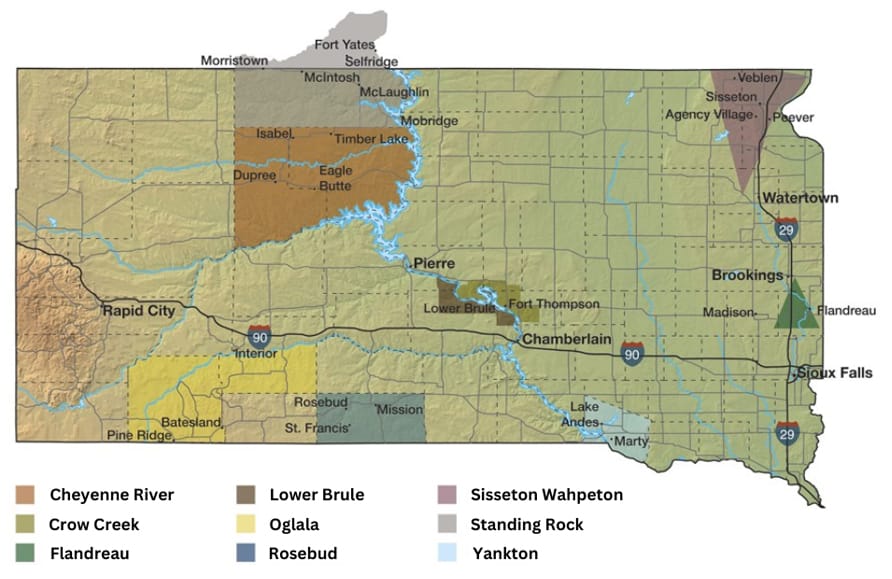
Peter Lengkeek, chairman of the Crow Creek Sioux Tribe, told News Watch that while the ban on Noem occurred primarily because of those comments, there were ongoing issues between her office and the tribes inhibiting collaboration.
"We tried. I mean, that's the thing. You've got (tribal leaders) working really hard and trying and then (the state) ..." Lengkeek said. "It was really frustrating. A lot of times, they wouldn't even acknowledge our jurisdictions or sovereignty or anything about us."
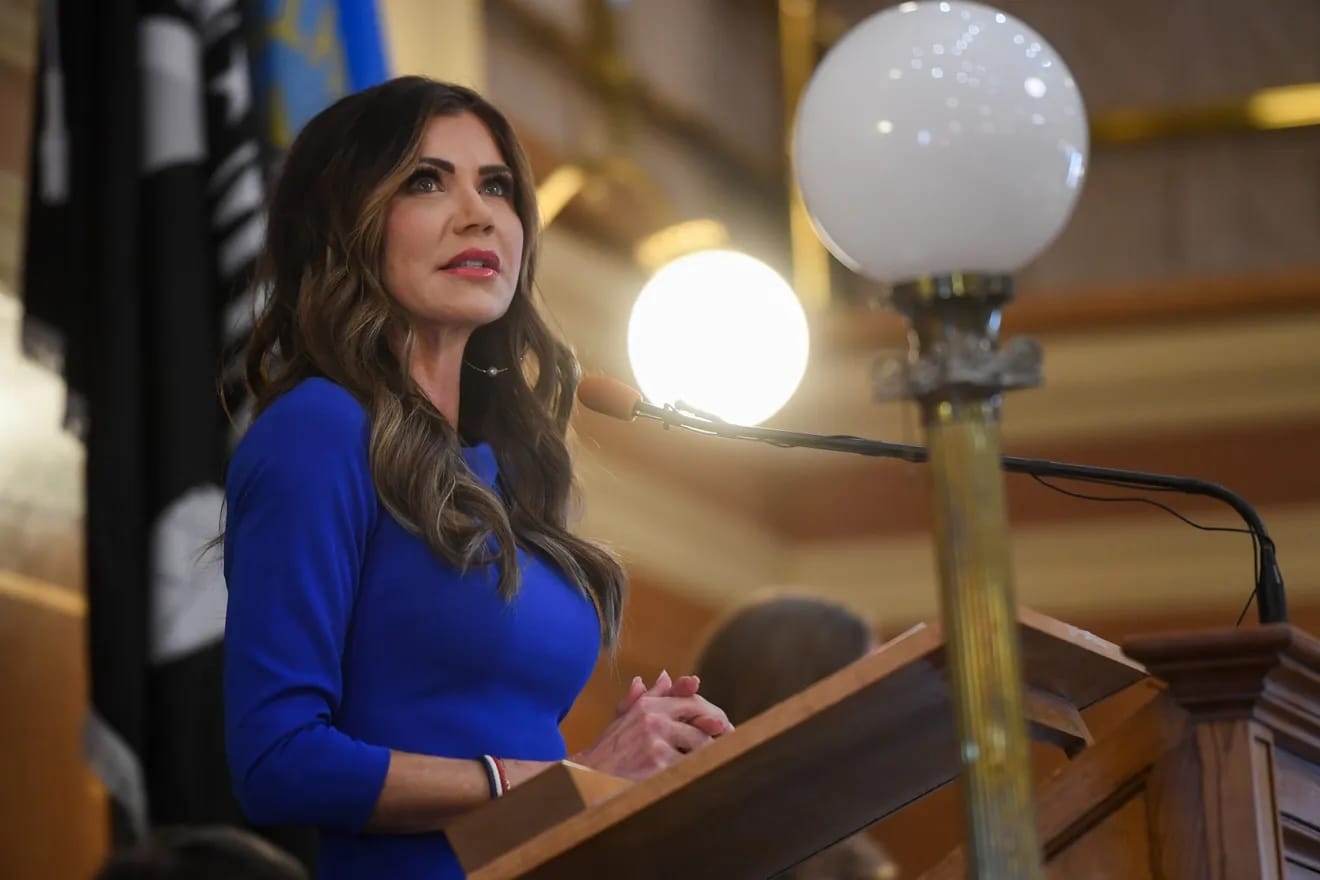
Noem has also faced scrutiny from tribes in her new position as secretary of the Department of Homeland Security, as Immigrations and Customs Enforcement (ICE) officers detained at least four members of the Oglala Sioux Tribe in Minnesota last week.
Oglala Sioux Tribe president Frank Star Comes Out said Tuesday evening that the tribe provided Noem and other federal officials with a formal memorandum "placing the United States on notice of its legal obligations to the Oglala Sioux Tribe as a sovereign nation."
Tribes making steps back to state relations after 'reset' year
Lengkeek said that Noem's departure has allowed the state to begin work on repairing trust among tribal communities. In a gubernatorial election year, there's even more possibility for shakeup, but Lengkeek is positive.
"You have to rebuild the trust, but it's happening. I'm hopeful. The candidates coming up (in the election for governor), it looks like a good lineup. And I wish them all the best of luck," Lengkeek said.
"Whoever is still standing when the dust clears, I'll be there to shake their hand and welcome them to Crow Creek."
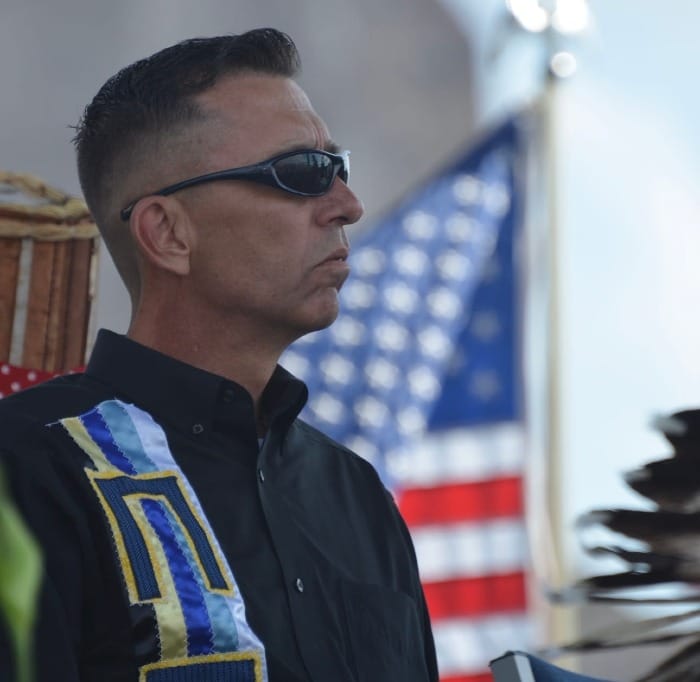
Last year's State of the Tribes address, delivered by Sisseton Wahpeton Oyate Chairman J. Garret Renville, called for a "reset" of state-tribal relations. At that time, Noem was waiting on her official confirmation to the Department of Homeland Security and Gov. Larry Rhoden was set to take over for the final two years of her term.
That shift was positive for tribal leaders, who had unproductive relationships with the state after Noem was banned from tribal lands, Lengkeek said.
"I have always strived for a relationship with the state because we need them and they need us. And the closer we can come together, as state and tribes, the better off we're both going to be," Lengkeek said.
"I mean, we're South Dakota citizens, too."
State-Tribal Relations Committee finds focus for 2026 session
Sen. Tamara Grove, a Republican whose district covers the Rosebud, Lower Brule and Crow Creek reservations, said the State-Tribal Relations Committee has placed particular focus this year on its ongoing relationships with tribal citizens and leaders.
Grove also echoed sentiments that the state has been able to connect with tribes more in the past year. During State-Tribal Relations Committee meetings last summer, a feeling of progress was present, she said.
"I know that there's been a lot of distance between the State-Tribal Relations Committee and the tribes themselves," Grove said. "In past years, it has not always been a friendly situation, and of course, I'm not pointing fingers as to why or to who. I'm just saying that that is the way that it was. It was not that way this year."
Discussions, which took place across the state with multiple tribal leaders, focused on issues including health care and water concerns and addressed the need for a "reset," Grove said.
"We had hard discussions. But yet there was such a desire for unity that it was actually pretty overwhelming because we came off of a situation where the governor was literally banned," Grove said.
"It was almost like a light switch went on and it just felt like that immediate, 'OK, we're doing a new thing now and this is the olive branch that we are willing to offer.'"
MMIP focus of state-tribal relations day
Tribal Relations Secretary Algin Young told News Watch that the Department of Tribal Relations' focus for the coming year will largely focus on ongoing issues like suicide and drug abuse prevention.
State-Tribal Relations Day, which takes place on Feb. 25, is an opportunity for tribal leaders and state workers to connect with each other and address concerns or questions about tribal relations.
"We hope to bring awareness, in collaboration with some legislators, tribal leaders, and tribal law enforcement," Young said. "Our ultimate goal is to unite the groups, the tribal leaders and legislators and build those partnerships."
The day, which has a theme every year, will this year focus on missing and murdered Indigenous people (MMIP). Sixty-nine of 113 actively missing persons in South Dakota are Native – more than 60%. Of those, 49 are juveniles.
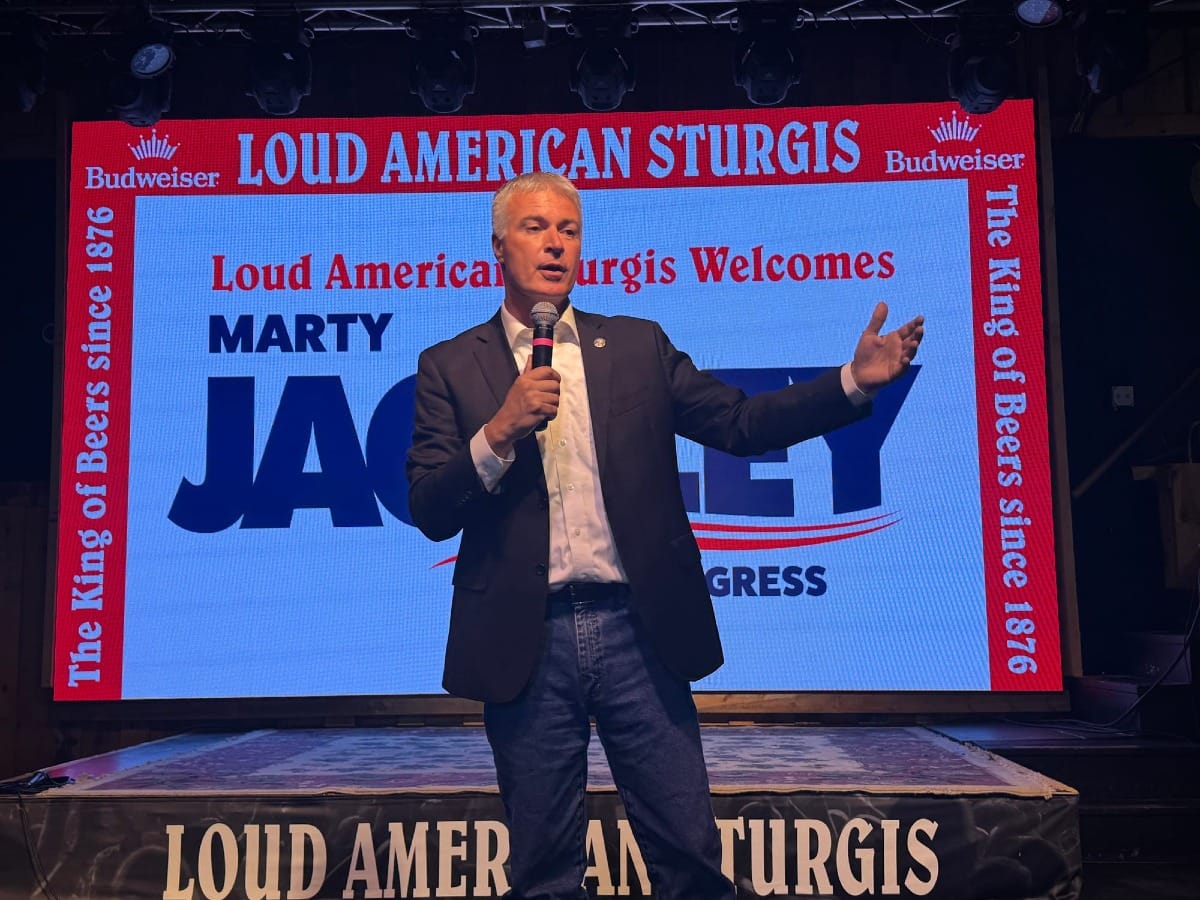
South Dakota Attorney General Marty Jackley told News Watch that his office has begun to prioritize DNA collection and analysis in support of missing persons cases.
In 2022, the AG's office hired an MMIP coordinator who works with law enforcement and tribes to support the issue, which is considered a nationwide crisis.
"We're focusing on DNA collection to help with cold cases," Jackley said. "We identify and mobilize support services for victims, families throughout the court process. And I think those are all important to continue to build on the tribal relations. But more importantly, to provide good services in those instances when there is a missing loved one or family member."
Eighteen of the current active MMIP in South Dakota have been missing for at least five years – and some have been missing for more than 50.
Public safety taking center stage in state-tribal relations conversations
Public safety as a whole has dominated state-tribal relations conversations in recent years.
One of the bills brought forward by the State-Tribal Relations Committee for the 2026 session would redefine "law enforcement officer" to include tribal law enforcement. A resolution brought forward by the committee would urge the Department of Homeland Security – now led by Noem – to establish a tribal law enforcement training academy in the state.
"I think it's further recognition of those relationships, that tribal training that we do together. I think it helps them knowing that when they're doing their official duties and they're within the jurisdiction of the state, they have certain additional protections," Jackley said about the bill.
Support Native American storytelling. Help South Dakota News Watch tell stories from Indian Country that don't just focus on the problems but on the solutions and rich Indigenous culture.
The Crow Creek Sioux Tribe has also taken steps to collaborate further with law enforcement. A memorandum of understanding signed with South Dakota Highway Patrol allows officers to support tribal law enforcement during events like the tribe's annual wacipi, or powwow.
Lengkeek said that SDHP officers are not permitted to enforce state law on tribal lands and mostly assist tribal law enforcement officers with holding individuals until tribal officers arrive.
"A lot of the guys return year after year because of the experiences they have there. You know, we honor them in our powwow circle. We ask them to help the veterans put up flags because they serve also," Lengkeek said. "We make sure that our community knows who they are, that they're here and that they're in and amongst the community."
Jackley said that law enforcement enters tribal lands when asked, but only with full agreement from the tribes.
"I've taken the position as attorney general, if we're invited in, we will do our best job for public safety purposes, and that's an invitation," Jackley said. "If we do something that they don't want, they're able to un-invite us."
Work still remains to rebuild trust between state and tribes
Though relations have been improving, ongoing concerns from tribal leaders loom large – including water, the ever-present public safety issue and health care access.
And when just two years ago the atmosphere was so different, state officials agree that ongoing work will be required to continue building relationships.
"It's very important that we have the voice that we currently have and that we maintain that position. And not just be able to go places and say words but to actually have an understanding of the topics and to bring strategy," Grove said.
"Keeping our foot in the door, building and pushing in a little bit more by building relationships, building trust between the two groups."
The Crow Creek Sioux Tribe is the only tribe in the state to have an ongoing law enforcement collaboration agreement like the one with SDHP. Though Lengkeek said he's traveled to speak with tribal leaders about collaboration, there haven't been any other takers.
Lengkeek said he understands why other tribes are hesitant to collaborate with state agencies in such a major way. It relates to centuries of history, beyond former governors and Senate bills, and boils down to one crucial element that will take a significant amount of time to address in full.
"We do have trust issues (due to historical exploitation)," he said. "It feels like, you know, at least especially from two years ago, state-tribal relations are improving."
This story was produced by South Dakota News Watch, an independent, nonprofit organization. Read more stories and donate at sdnewswatch.org and sign up for an email for statewide stories. Investigative reporter Molly Wetsch is a Report for America corps member covering rural and Indigenous issues. Contact her at molly.wetsch@sdnewswatch.org.