
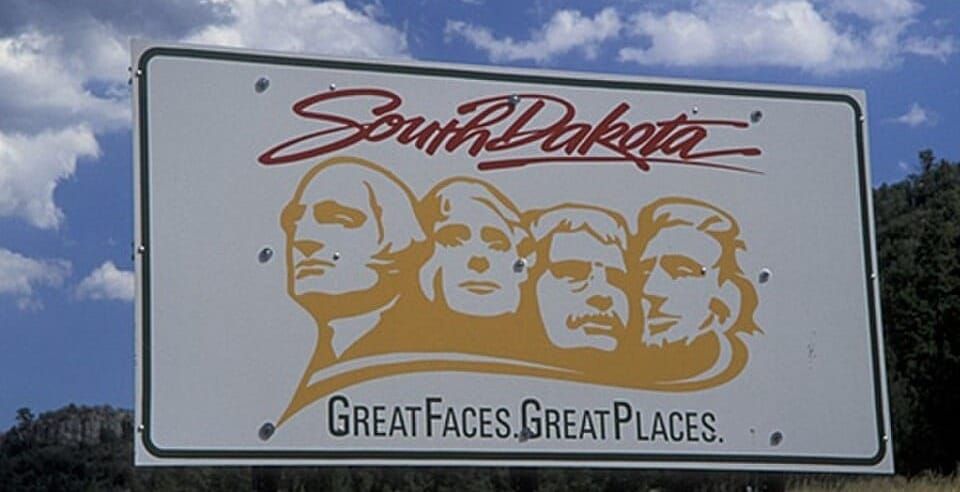
The migration story is often associated with retirees moving to the state, but new analysis of Census data shows working-age adults made up the largest share of recent newcomers.

For years, retirees have been closely associated with South Dakota’s recent population growth, especially in communities known for recreation, slower pace of life and features of lifestyle.
But migration data shows a different pattern.
Working-age adults between 18 and 64 have represented the largest share of people moving into South Dakota from other states every year from 2021 through 2024, according to an analysis of Census Bureau migration estimates.
During that period, an average of about 21,000 working-age adults moved into South Dakota each year, compared with about 5,000 children and 2,000 retirees.
The difference was especially noticeable in years of stronger migration growth. In 2022, more than 22,500 working-age adults moved into the state, compared to about 1,800 retirees.
The findings suggest that while retirees remain part of South Dakota’s migration story, they are not the largest group of newcomers.
Working-age adults drive South Dakota's domestic migration
South Dakota’s workforce depends on attracting and retaining residents, and migration data shows that working-age adults are the primary group moving into the state.
David Sorenson, professor of economics at Augustana University in Sioux Falls, said the findings challenge assumptions about migration patterns.
Statewide migration patterns differ from what some communities experience locally, and some counties may still attract a larger share of older residents, he said.
Support stories about rural South Dakota with a tax-deductible donation.
“If the common conception is that it’s elderly driving our migration, that’s absolutely false,” Sorenson said.
However, the data raises additional questions about who those working-age adults are, including whether they are younger workers, families or people approaching retirement age, he said.
Understanding the age composition within the working-age category could provide more insight into how migration affects South Dakota communities.
Some newcomers are returning for connection, community and quality of life
For Danielle Schulz, moving back to South Dakota was not about retirement.
After spending about 40 years in California, she returned to the eastern South Dakota town of White in her 50s after her father died and she had the opportunity to buy her family’s farm.
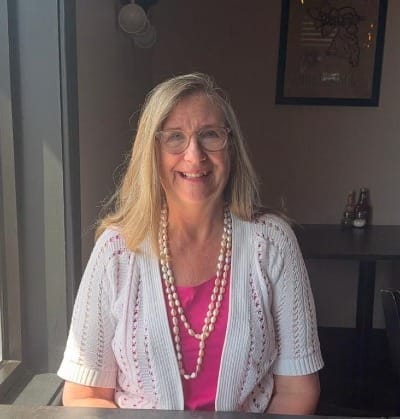
Schulz’s relationship with South Dakota has involved both leaving and returning. At 19, she moved to Los Angeles because she wanted to experience a different culture and environment.
“I wanted to meet people from other countries,” Schulz said. “I wanted to see a part of the world that I wasn’t exposed to.”
After about four decades away from the state, Schulz returned because she wanted a stronger connection to the place where she grew up and a different pace of life.
Schulz said returning was not a simple economic decision and made financial sacrifices but valued being closer to family and having a different lifestyle.
“I took a huge pay cut coming to work here,” Schulz said. “But I couldn’t have afforded the acreage and the house size in California that I could here.”
Schulz said the decision was influenced by family, a desire for a quieter lifestyle and the opportunity to reconnect with the community where she grew up.
“I wanted solitude,” she said.
Community is a big reason people move
Her experience shows one example of the broader pattern shown in the data – many newcomers are working-age adults making decisions about where to build their lives, whether through career opportunities, family connections or lifestyle changes.
Sorenson said those motivations can vary widely.
Schulz described community as one of the biggest differences between her experiences in South Dakota and California.
Get free, fact-based South Dakota news and information in a weekday email. No spam. Cancel any time.
“The people you meet in your life are what keep you somewhere,” she said.
Some people move for jobs, some return home after living elsewhere, and others seek a different lifestyle or proximity to family.
The post-pandemic growth coincided with expanded remote work mobility and state-level recruitment efforts, including former Gov. Kristi Noem’s $6.5 million national advertising campaign, "Freedom Works Here," aimed at attracting workers from other states.
While the campaign actively targeted working-age adults, South Dakota News Watch reporting found that local economic development leaders struggled to find hard data directly tying incoming workers to the ad push, noting that broader factors like taxes, remote work flexibilities and personal lifestyle preferences played a dominant role.
Migration data shows arrivals but not whether people stay
Though the Census data shows working-age adults made up the largest group of people moving into South Dakota between 2021 and 2024, it does not show whether those residents remained in the state.
Jared McEntaffer, CEO of the Dakota Institute, said net migration – the difference between people moving into the state and people leaving – is necessary to understand whether migration is producing long-term population growth.
“The net number is really important,” he said.
While gross in-migration shows that more than 20,000 working-age adults move to South Dakota each year, overall net population gains from other states have cooled significantly following a peak early in the decade.
According to the Census Bureau's Population Estimates Program, South Dakota gained more than 8,100 net domestic residents at the height of the pandemic migration surge in 2021-2022. However, as out-migration picked up, net domestic gains dropped to around 2,000 residents per year in 2023-2024 and 2024-2025.
A state can attract thousands of newcomers while still losing population if enough residents leave.
McEntaffer said migration trends should be viewed alongside other sources, including Census and IRS migration data, which provide additional information about population movement.
Sorenson also cautioned against drawing conclusions from a single year because migration estimates can fluctuate.
Retirees remain visible but may not drive statewide migration
Retirees continue to be an important part of South Dakota’s migration discussion, especially in communities that attract older residents.
Sorenson said certain counties, especially in western South Dakota, may appeal to retirees because of recreation opportunities, natural surroundings and lifestyle factors.
“There are prominent counties that have sought out this RV cohort,” he said.
Sorenson said migration patterns can vary significantly by county, meaning some communities may experience more retiree movement while others attract younger residents and families.
A shift in 2024 raises new questions
In 2024, working-age adult and child migration declined while retiree migration reached its highest level in the dataset. Both Sorenson and McEntaffer said additional years of data are needed to determine whether the change represents a longer trend.
The number of working-age adults moving into South Dakota fell to its lowest level in the dataset, while retiree migration reached its highest point.
Sorenson said the change deserves attention but should be interpreted carefully.
A single year does not necessarily indicate a major shift in migration patterns.
“It raises your antenna,” Sorenson said. “But you’d want to see this repeat or continue.”
Attracting newcomers is only part of the migration challenge
For South Dakota, the larger question may not only be who moves to the state but whether those newcomers remain.
For employers and communities facing workforce shortages, understanding who moves to South Dakota and why may be as important as the number of people arriving. Working-age residents play an important role in the state’s workforce and economic future.
Whether South Dakota’s recent migration growth translates into long-term population growth will depend not only on attracting new residents but also on whether those residents choose to stay.
South Dakota News Watch is an independent nonprofit. Read, subscribe for free and donate at sdnewswatch.org. Amina Aidarkhanova received the 2026 Jeffrey B. Nelson Investigative Journalism Endowed Internship and the Chuck Raasch and Sandy Johnson Scholarship from the SDSU Foundation. Contact: amina.aidarkhanova@sdnewswatch.org.



.jpg)