Shooting high to keep home prices low: Org shifts from single homes to larger projects in Sioux Falls and Rapid City at prices young families can afford. Effort could expand to Aberdeen, Brookings, Fort Thompson, Huron, Mitchell, Yankton and Watertown.

RAPID CITY, S.D. – After decades of building one home at a time for families in need of affordable housing, South Dakota's two largest Habitat for Humanity affiliates have embarked on efforts to develop multiple houses in a single project.
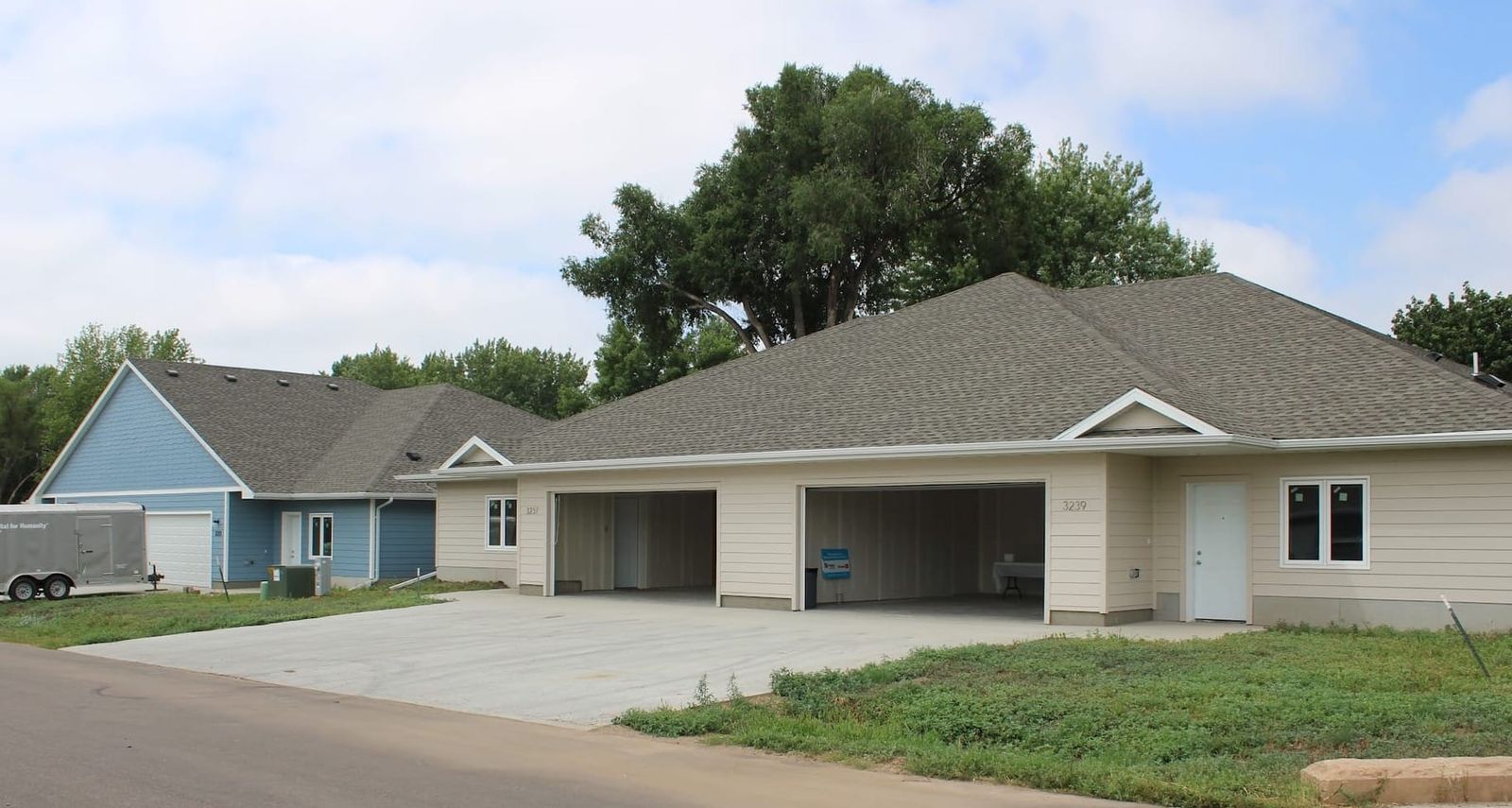
In a project nearing full completion, Habitat for Humanity of Greater Sioux Falls constructed 13 side-by-side twin homes that will serve 26 families on a cul-de-sac in northeast part of the city.

On the other side of the state, the Black Hills Area Habitat for Humanity has purchased land and is starting development of 40 housing units in southeastern Rapid City that will be the largest housing project ever undertaken by a Habitat affiliate in South Dakota.
The efforts are more expensive and far more complicated than the typical home built by the nonprofit founded in 1976 to provide homeownership opportunities to families who help build and finance the homes they live in. Habitat now has a presence in 50 countries worldwide, including nine affiliates in South Dakota.
The move to take bigger swings at subdivision and multi-family housing developments is being driven by a challenging housing market in South Dakota, where affordable housing is hard to find. Rapidly rising construction costs and home prices have prevented many working-class families from achieving the dream of home ownership.
“We all know that the demand for starter homes is tremendous but also that those affordable homes are no longer available,” said Mike Keegan, resources development manager for Habitat of the Black Hills. “For recent graduates and young people branching out on their own, there’s nothing to be found at a price point that is reasonable.”
This story is part of an ongoing South Dakota News Watch series called Engage South Dakota using storytelling, crowdsourcing and community engagement to identify and share potentially replicable housing solutions.
Each story includes the community's response, evidence of whether the ideas are effective, insights to be learned and limitations on the efforts.
Key takeaway for this story: By using creative funding packages, South Dakota Habitat for Humanity affiliates have become national leaders in developing multiple affordable housing units faster than anytime in the organization's 50-year history.
Read about other South Dakota housing solutions.
Response: 'Starter homes' for under $300,000
Habitat has operated in the Black Hills since 1990, built 140 news homes and helped dozens more homeowners fix up and maintain their homes during that 35-year history, Keegan said.
The East Creek project will be the first time the organization has entered the realm of buying land, installing infrastructure and constructing dozens of homes at once, he said.
"We’re dipping our toes into the theater of becoming developers," Keegan said.
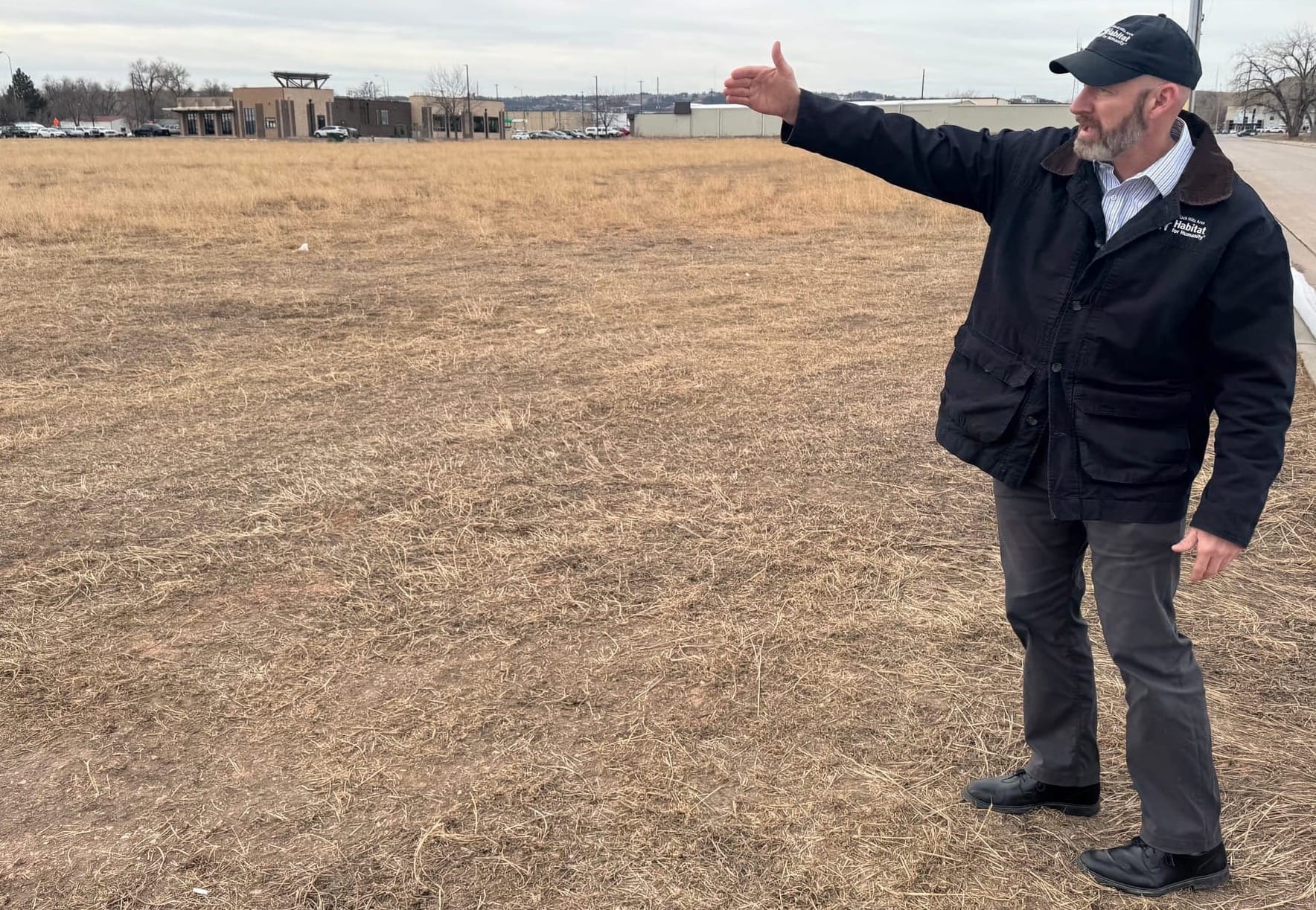
The East Creek Village property will include multi-family townhouses on 4.25 acres on the southwest corner of East Saint Charles Street and Creek Drive in southeastern Rapid City.
The majority will be for sale to income-qualifying people who participate in the Habitat program. That program requires them to undergo financial literacy and property management classes and to provide at least 200 hours of “sweat equity” by helping get the houses built, Keegan said.
 Molly Wetsch
By obtaining grants and donations, Habitat is able to keep the homes at a price considered “affordable,” which in the current South Dakota real estate market is roughly $350,000 or less for a three-bedroom, two-bath home. Habitat hopes to get the price per unit in East Creek Village down to $300,000 or even $250,000 per unit if possible, Keegan said.
The organization also uses the outside funding to reduce the down payment and monthly mortgage costs required of future owners. Buyers must obtain private financing to buy the homes, but Habitat can also offer a zero-interest second mortgage to keep monthly payments below 30% of their overall monthly income, Keegan said.
"This way, we can provide affordable homes for ownership at a faster pace and a price lower than current market value,” Keegan said.
Evidence: Multiple funders supporting project
Habitat is using a hodgepodge of funding sources to pay for the $12.5 million project, including $3 million in a federal Congressional Direct Spending grant secured by U.S. Sen. Mike Rounds, a $730,000 grant from the state and donations, Keegan said. The group is also asking local community funding agencies for grants to help.
The South Dakota Housing Authority provided Black Hills Habitat with the $730,000 Housing Infrastructure Financing Grant in December to help pay for land development on the East Creek Village project.
Support solutions-focused storytelling. Help South Dakota News Watch tell stories that identify and share solutions to the state's biggest challenges.
The grant was among the final payments made from a $100 million housing grant fund approved by the Legislature in 2022, using a mix of state money and federal funds from the COVID-19 era.
Much of a similar $100 million loan fund remains unused, according to Chas Olson, executive director of the nonprofit authority, known also as South Dakota Housing.
Taken together, those two programs have aided in the development of more than 13,000 housing units built through 85 projects completed in 40 South Dakota communities, Olson said.
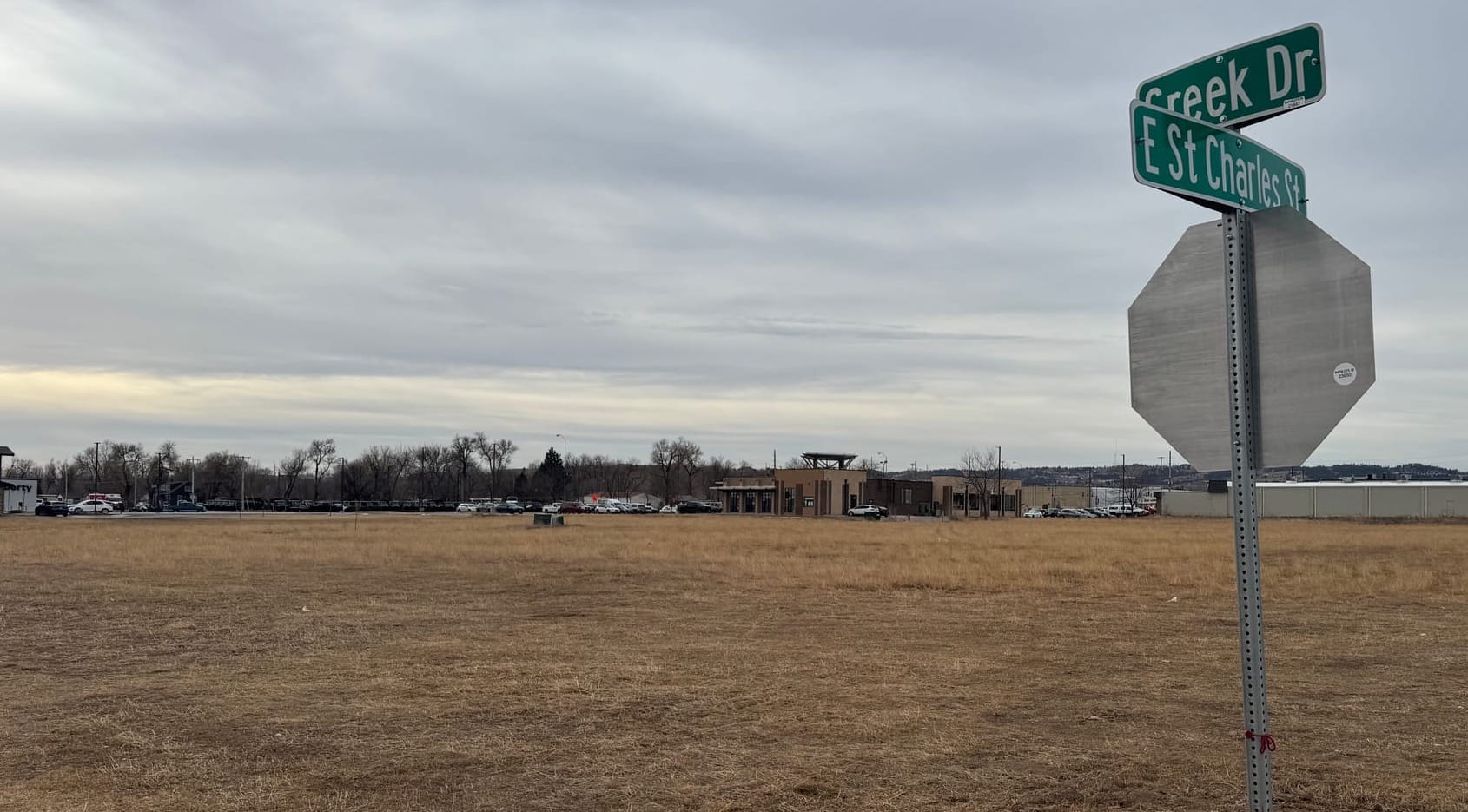
Olson said the authority’s board supported the East Creek Village development in Rapid City because the state money would help Habitat develop more homes quickly and keep the prices down.
“What stood out to me and what is unique and special about the project is that it is a departure from what the typical Habitat affiliate is doing,” Olson said. “Usually, it’s one or two homes at a time and not to the scale they have with this project. And they’re really trying to keep the price point down to an affordable level.”
Insights: A project model for other communities
The development efforts in Sioux Falls and Rapid City are being seen as a model for how Habitat affiliates across the country can find the land, funding and local support to create more affordable housing faster and in greater density than ever before, Keegan said.
The project and its unique funding mechanism have caught the attention of the national chapters of Habitat for Humanity, Keegan said. Representatives from the Black Hills presented on the project at a national conference last year and will do so again in February and October of this year.
“Especially in terms of the rural or small market affiliates across the country, there’s great interest in what we’re trying to do here,” he said.
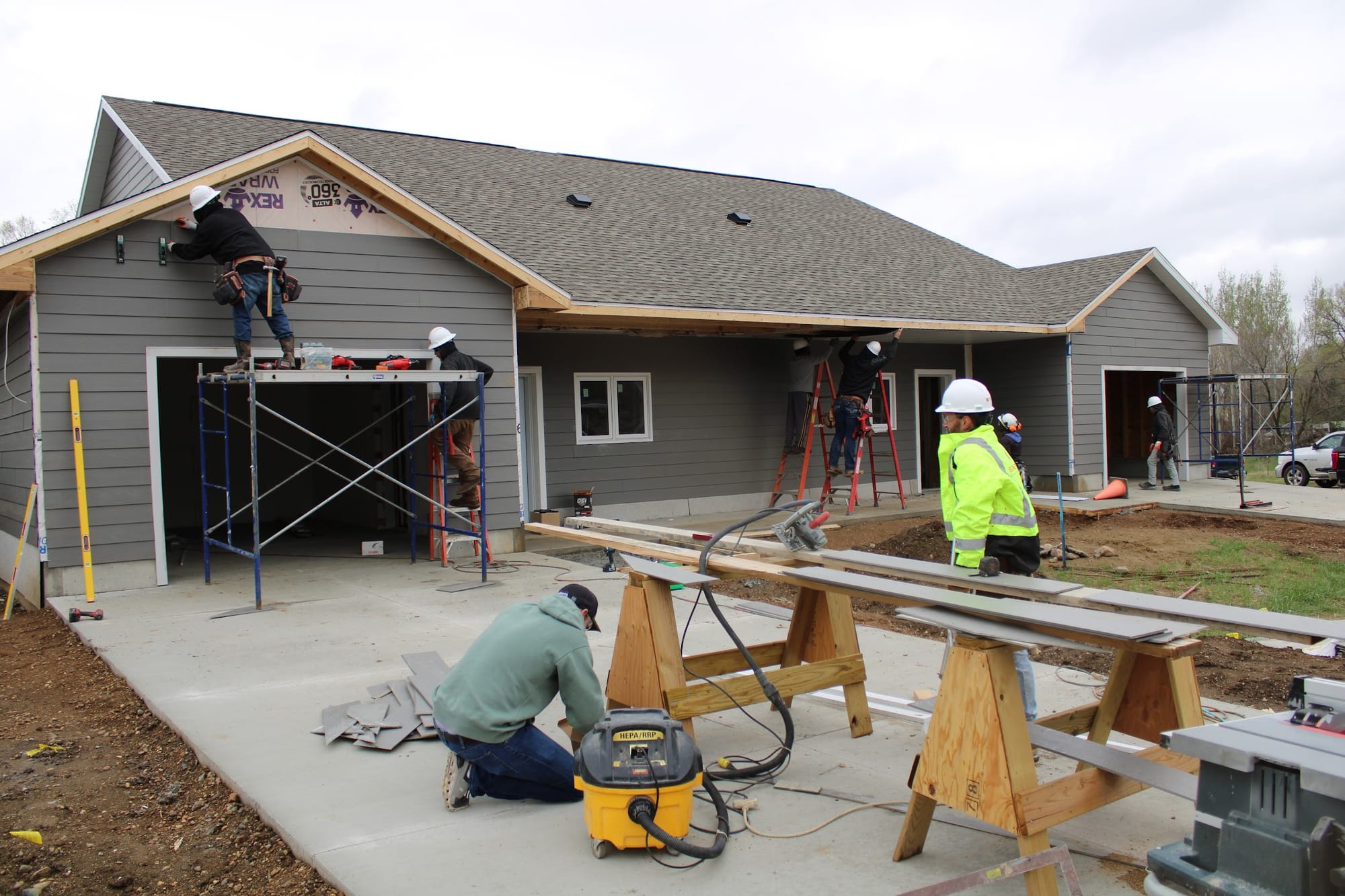
Partnerships were critical to completing Millard Acres, the Habitat of Sioux Falls project with 13 twin homes built on North Americus Circle, a cul-de-sac off East 34th Street West, a few blocks east of Cliff Avenue, said Rocky Welker, executive director of Sioux Falls Habitat.
Habitat received funding from South Dakota Housing and obtained a zero-interest loan for the land from the city of Sioux Falls, Welker said. Many of the homes are already occupied by families, he said.
Limitations: Land and funding at a premium
Habitat affiliates and other nonprofit groups face major hurdles to continuing efforts to build affordable housing, Welker said.
In many areas of South Dakota, land is so expensive and construction costs have risen so much that new homes must be sold at prices far beyond the affordable level in order for developers to make a profit.
In Sioux Falls, meanwhile, most new subdivisions contain restrictive covenants that require homes to be of a certain size and with required amenities that push Habitat out of the market to build homes that working families can afford, he said.
"Everything on the open market is at a price point that by the time you pay for the land and infrastructure, you need to see higher-priced homes to make it pencil out," he said.
 Bart Pfankuch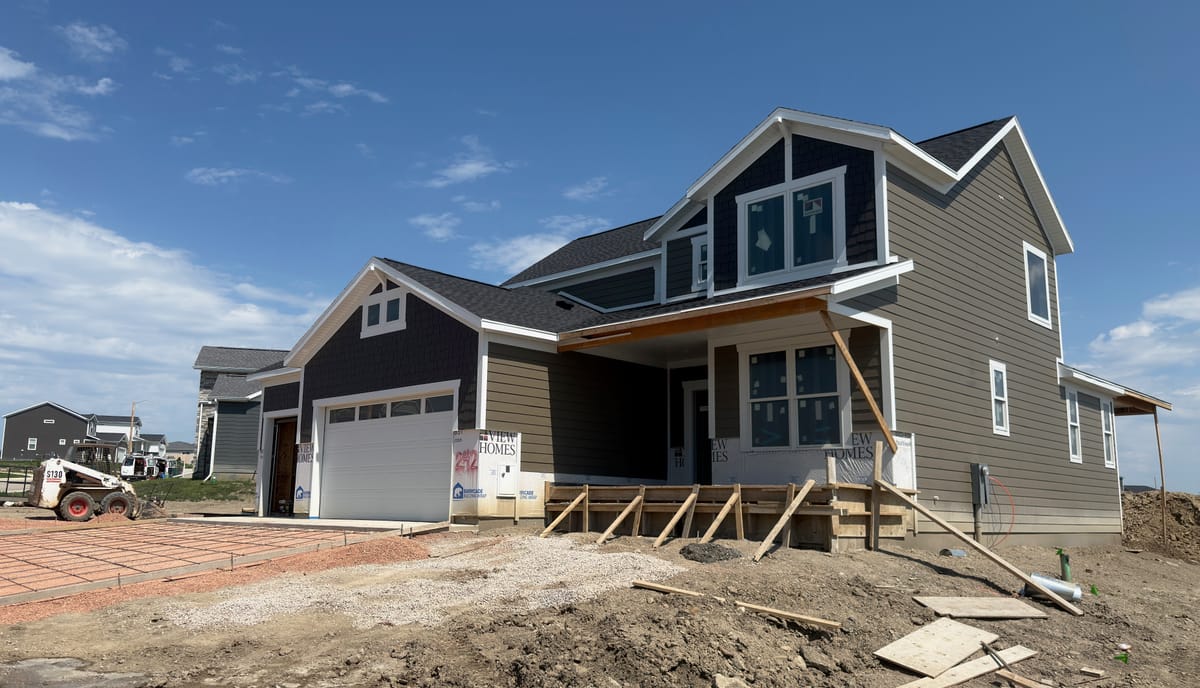
Bringing a single home project to completion, let alone a project with multiple housing units, will require more time and creativity to find available, affordable land and the increased funding to get a project off the ground, Welker said.
"That’s why you see a lot of nonprofits try to find alternative ways to build and provide affordable housing opportunities for people," he said. "We didn't do a project with 13 twin homes because we wanted to go and invest a lot more money and take on a bigger project with more responsibility. We did it because if we didn't, we wouldn't have had land to build on."
Despite the challenges, Keegan hopes the success of the larger Habitat projects will spur development activities in other South Dakota cities with Habitat affiliates, including Aberdeen, Brookings, Fort Thompson, Huron, Mitchell, Yankton and Watertown.
"This is a project that we believe is scalable to any community size, including for the other affiliates in smaller cities across South Dakota," he said.
South Dakota News Watch is an independent, nonprofit organization. Read more stories, donate and subscribe to stories at sdnewswatch.org. Contact content director Bart Pfankuch at bart.pfankuch@sdnewswatch.org.