How the technology attracting privacy concerns is being used in South Dakota, and how it may soon be regulated.

Some local law enforcement agencies in South Dakota are pulling back on the use of Flock cameras, and the state attorney general is drafting legislation that would put limits on their use in the state.
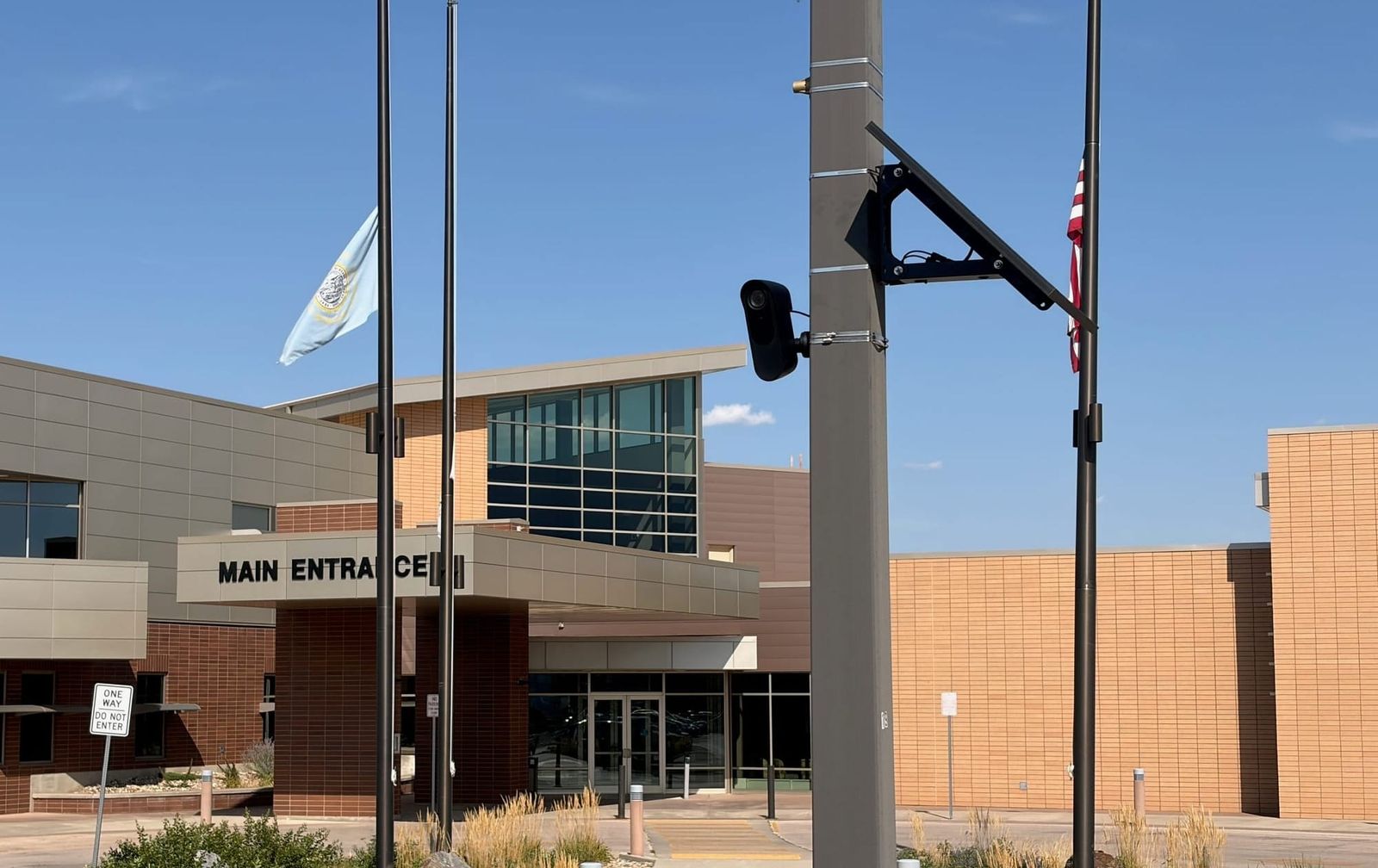
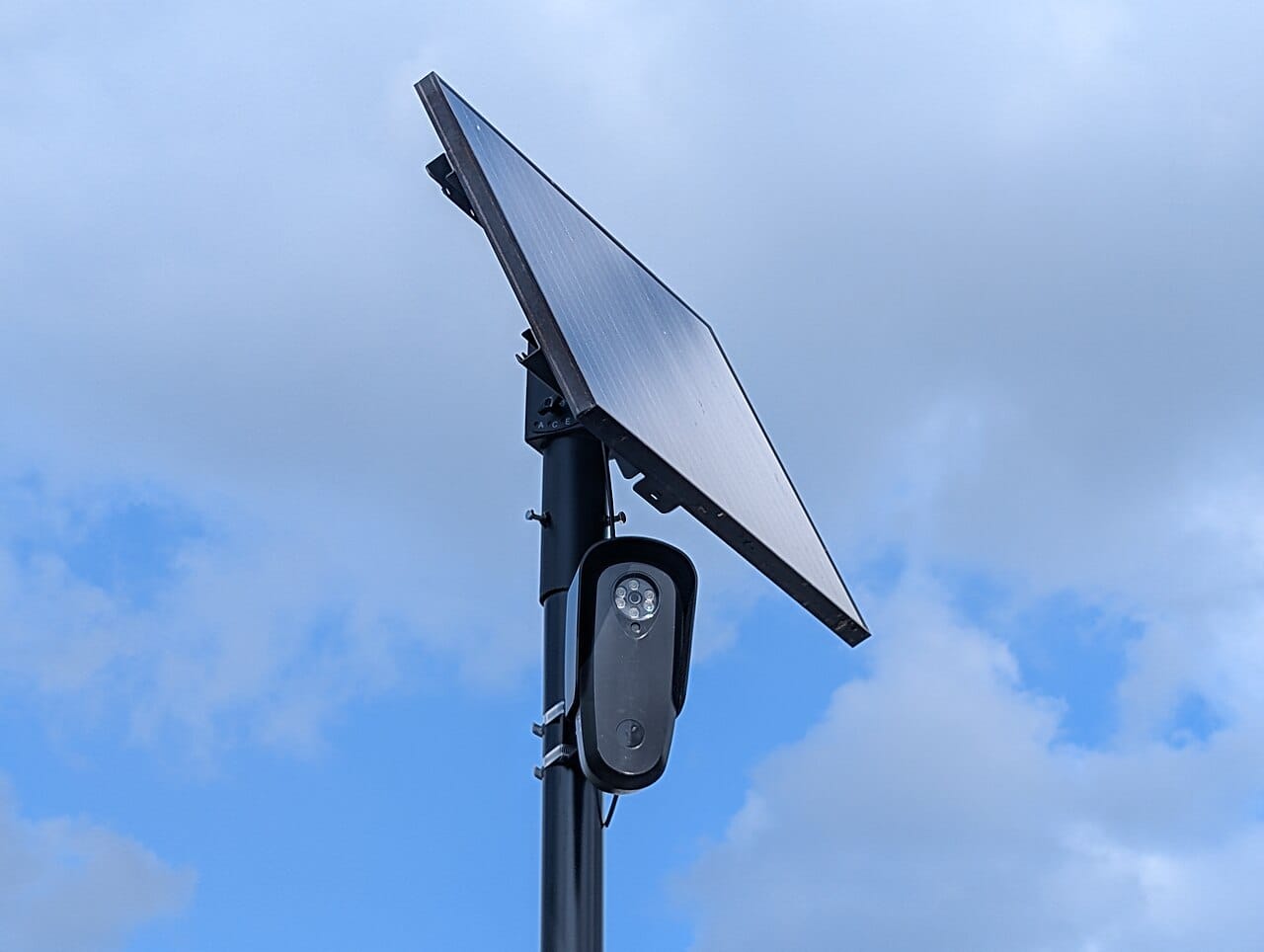
The cameras, formally known as automatic license plate readers (ALPR), have drawn the ire of people concerned about privacy, largely because the Flock company shares data about vehicles nationally.
The legislation would be the first of its kind in the state. And it would add South Dakota to a small group of states with laws dictating how the ALPR technology can be used by police departments and other organizations.
In a conversation with News Watch, Attorney General Marty Jackley, the Republican candidate for U.S. House, compared the potential legislation to the state's prescription drug monitoring program. That program is a state-operated database that tracks the prescription and distribution of controlled substances in the state.
Join other South Dakotans and support statewide, fact-based news and information.
"We haven't had any abuses of that (prescription drug program), and I think it's because we have strong safeguards in place," Jackley said.
But what are automatic license plate readers, and how do they actually affect South Dakotans? News Watch answered a few common questions about the technology:
What are automatic license plate readers?
Automatic license plate readers are forms of technology used most often by law enforcement to identify vehicle makes, models and license plate information. New technology can also identify specific features like toolboxes, bike racks or bumper stickers.
The Department of Homeland Security says the cameras have been used by law enforcement for "well over two decades."
While the ability for cameras to read license plates has been around for some time, the advancement of both artificial intelligence and camera quality has allowed for the widespread, affordable dissemination of the technology, according to DHS.
"I don’t think it’s responsible to be spending more resources on this (until after the Legislature discusses it). The deputies have been spending a lot of time babysitting the cameras. We’ve got cameras on cameras. At what point do you pull back and reevaluate the process here a little bit?"
– Codington County Sheriff Brad Howell
Flock Safety, a Georgia-based company that was founded in 2017, is one of the largest providers of the technology. It's also receiving the most criticism because Flock's national database allows for sharing of information among jurisdictions and across state lines. That's different from other companies like Axon, which typically keep data on local servers.
Flock says its national database means vehicles that may have been reported stolen in other states or are on national hotlists can be identified across jurisdictional borders.
But such data-sharing has raised concerns about federal overreach or security issues, though the company said last month it does not collaborate with federal agencies, including Immigration and Customs Enforcement.
"Flock does not share customer data on behalf of customers with any entity, federal or otherwise, without their permission and does not grant access to customer data without a customer’s explicit choice and control," the company said in a statement.
"Customers" are the organizations operating the technology, not those being identified by the cameras.
DeFlock Dakota, an organizational subsidiary of DeFlock has called the technology a violation of citizens' Fourth Amendment rights, saying "LPRs track every driver, everywhere they go, without suspicion of any crime." The group held a meeting Aug. 21 in Sioux Falls, where dozens of participants expressed concern about the potential uses of what one participant called "malicious technology."
Are ALPR cameras used in South Dakota?
Yes. Madison became the first city to use the technology when the city's police department deployed Flock cameras in 2022. Now, there are 29 cameras in the city.
The Sioux Falls Police Department uses 34 Flock cameras around the city, which it began installing in June 2025. The department formalized a $168,000 contract with the security company in January 2025.
ALPRs are also present in other areas around the state, including in Rapid City, where the city's police department currently operates four Axon cameras. DeFlock uses crowdsourced data to identify ALPRs across the country, and its South Dakota map displays dozens across the state.
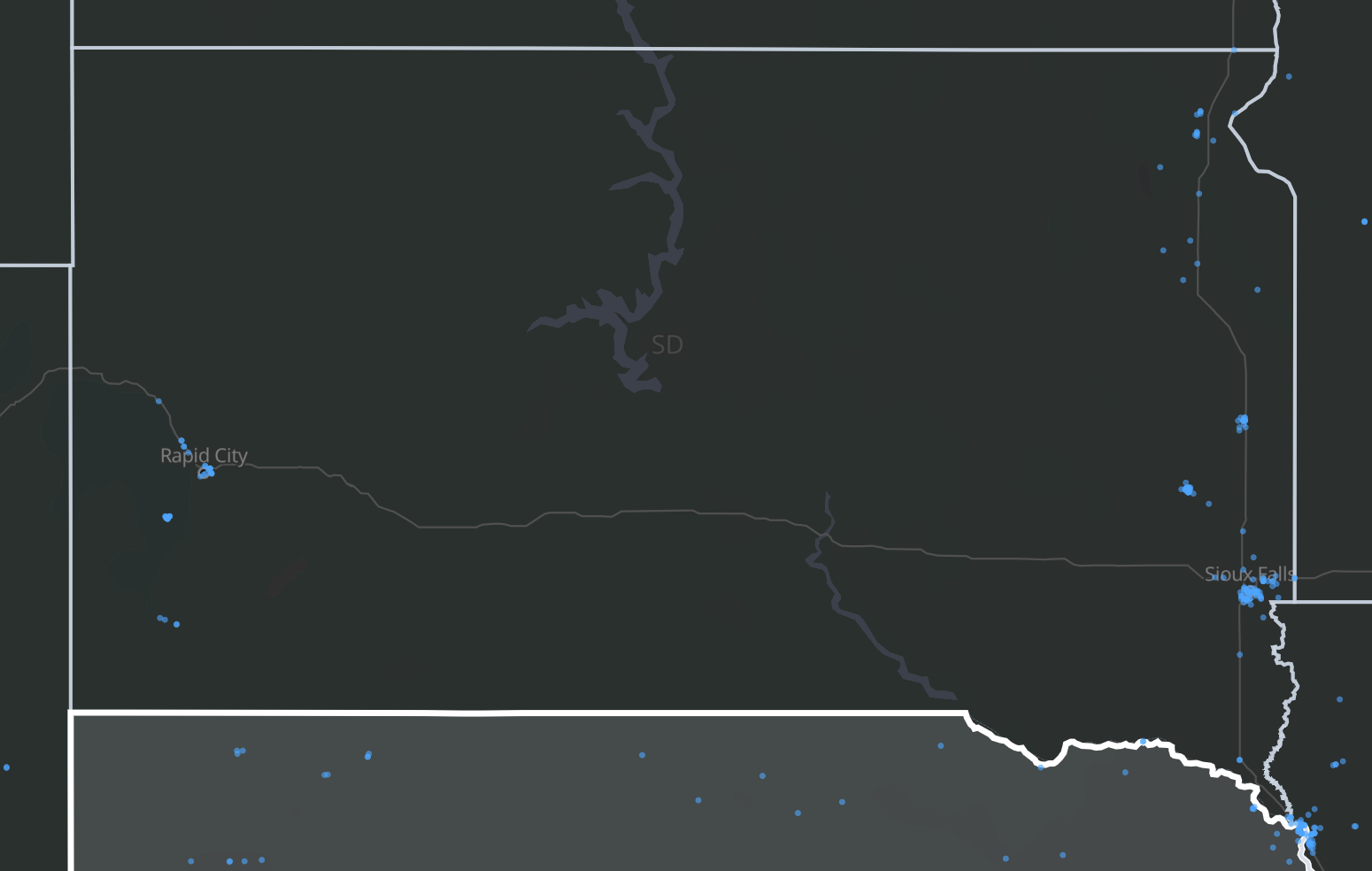
Recently, Aberdeen residents overwhelmingly decried the city's hopes to discuss the use of license plate reader cameras in a city council meeting. A Facebook post from Mayor Travis Schaunaman garnered over a thousand comments as of Aug. 24. In that post, he asked residents their thoughts on the technology.
Schaunaman later clarified that due to the feedback, the Aberdeen City Council would not be going forward with the discussion and that Flock cameras would not be placed in the city.
"For Aberdeen, this issue is settled," he said.
Get free, fact-based South Dakota news and information in a weekday email. No spam. Cancel any time.
Aberdeen is not the only city to pull back its consideration of the technology.
All of the Flock cameras in Codington County have been temporarily removed due to vandalism, Codington County Sheriff Brad Howell said during an Aug. 25 commission meeting. Those cameras were placed throughout the county, and mostly assisted in stolen vehicle cases, he said.
How are Flock cameras used?
In some cities across the state, including Sioux Falls and Madison, data from ALPR cameras can only be stored for 30 days under city policy.
According to the Sioux Falls Police Department's Flock Transparency Portal, the only data that is detected from Flock cameras in the city are license plates and vehicle models. Facial recognition data is not detected and it is prohibited to use data for immigration enforcement, harassment, or intimidation or personal use.
The portal also shows that in the past 30 days, SFPD made 464 searches of the Flock camera system and detected 550,146 unique license plates.
In Madison, there have been 17 searches of the system in the past 30 days and 59,401 unique license plates were detected.
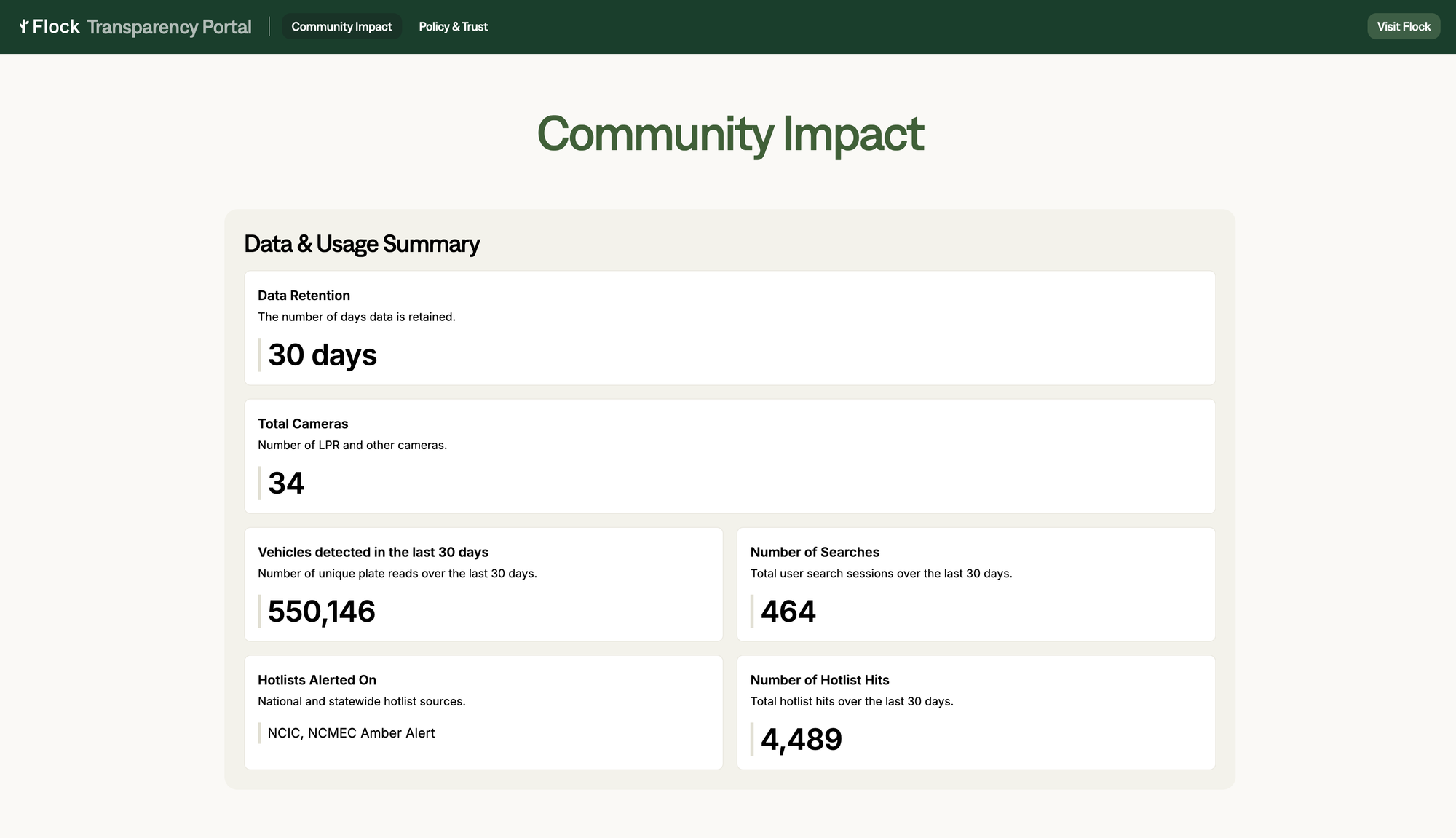
Sioux Falls Chief of Police Jon Thum told News Watch that the city has also made its policy surrounding the technology public, which includes that data cannot be stored for more than 30 days and cannot be used to enforce speeding, red light or parking violations.
The technology has assisted in recent cases involving violent crimes in Sioux Falls, including in the arrest of a suspect in a recent shooting case, he said.
"In the series of basically 5 minutes of searching and refining and working through this process, we were able to identify the shooter's vehicle. And then within 10 minutes, passing that information onto our patrol officers, we found the vehicle and conducted the necessary follow-up," Thum said. "I mean, this is the efficiency of this piece at work on a case where we likely never would have been able to find that vehicle."
On Tuesday, Jackley also credited ALPRs in the arrest of a suspect near Plankinton who abducted a 15-year-old girl, after the state's Internet Crimes Against Children Task Force was notified that Wyoming law enforcement was searching for a vehicle involved in the abduction.
"This incident demonstrates how valuable technology can be in protecting the public and assisting officers to locate a vulnerable juvenile and bring her to safety within an hour,” Jackley said in a press release.
Thum said that the city intentionally made its policy on the technology public and maintains the Flock Transparency Portal – which is optional for cities to participate in – because of the potential for resident concern.
"We wanted to be so palms-up on what we were doing. We want the transparency portal because we already told you we're doing this, and this is one more layer," Thum said. "Our policy regarding the usage of this, we immediately made forward-facing and public. Because that's just part of good implementation of technology, in this regard, is to be transparent about it."
But he also said that he would welcome statewide legislation on the technology and understands that not all law enforcement technology is right for every community.
"The catalyst for using technology should not be because you're behind or not be because you've had a tragedy, a kidnapping or something like that. It should be because you've found the right way to optimize it for your community, with best practices, and do it in a way to serve the public," Thum said.
What would a law look like?
Jackley told News Watch that while the details of the potential legislation around license plate reading technology hasn't been finalized, he has been in touch with police departments and lawmakers about how it could shape up.
Jackley said that there were several components to consider, including data retention policies, questions of access and how to ensure transparency with the public.
"I spoke to several chiefs, several sheriffs, states' attorneys and will be addressing it with the state's attorney board," Jackley said.
"We've had good conversations about it. I think we both have arrived at the (thought) that safeguards are a good idea to make sure what's happened elsewhere doesn't happen in our state. So when I look at safeguards, my perspective as the state's attorney general, I would only want to see it where the local authorities desire to have that technology as part of public safety."
Howell said during the Codington County Commission meeting that his office will wait until legislation is discussed during the 2027 legislative session to decide the fate of Flock cameras in the county.
"I don’t think it’s responsible to be spending more resources on this. The deputies have been spending a lot of time babysitting the cameras," Howell said. "We’ve got cameras on cameras. At what point do you pull back and reevaluate the process here a little bit?"
What issues are important to you and your community? Help shape our coverage by filling out this short form. Thank you!
Jackley said no specific abuse of ALPRs has yet occurred in South Dakota, but the legislation would be in place to prevent it.
In other states, there have been crimes linked to the use of the technology – like in Florida, where a police officer was recently accused of using Flock camera data more than 700 times to stalk his ex-wife. That's one of several similar cases across the country, which has raised concerns nationwide about citizen safety and the potential for unwanted surveillance.
Legislation in 16 other states includes policies as strict as Arkansas, which entirely bans the use of ALPRs for any non-law enforcement entities, and others states that regulate who has access to the data, like Maryland.
Jackley said that because of resident concerns about privacy, transparency measures that would allow the public to understand how the system is being used may also be a part of the legislation.
"It would be like, what is generally being searched for and how many times? When was it utilized? There is a challenge with that in a sense, though, that there are several companies out there. And because this has really been left to the local jurisdictions, they utilize different companies, and so they have different levels of ability to provide that transparency," Jackley said.
South Dakota News Watch is an independent nonprofit. Read, subscribe for free and donate at sdnewswatch.org. Contact reporter/Report for America corps member Molly Wetsch: 605-531-7382/molly.wetsch@sdnewswatch.org.