
SIOUX FALLS, S.D. – Some of South Dakotans' greatest needs for resources in 2025 surrounded housing, food and utilities, according to the Helpline Center's 211 data from around the state.
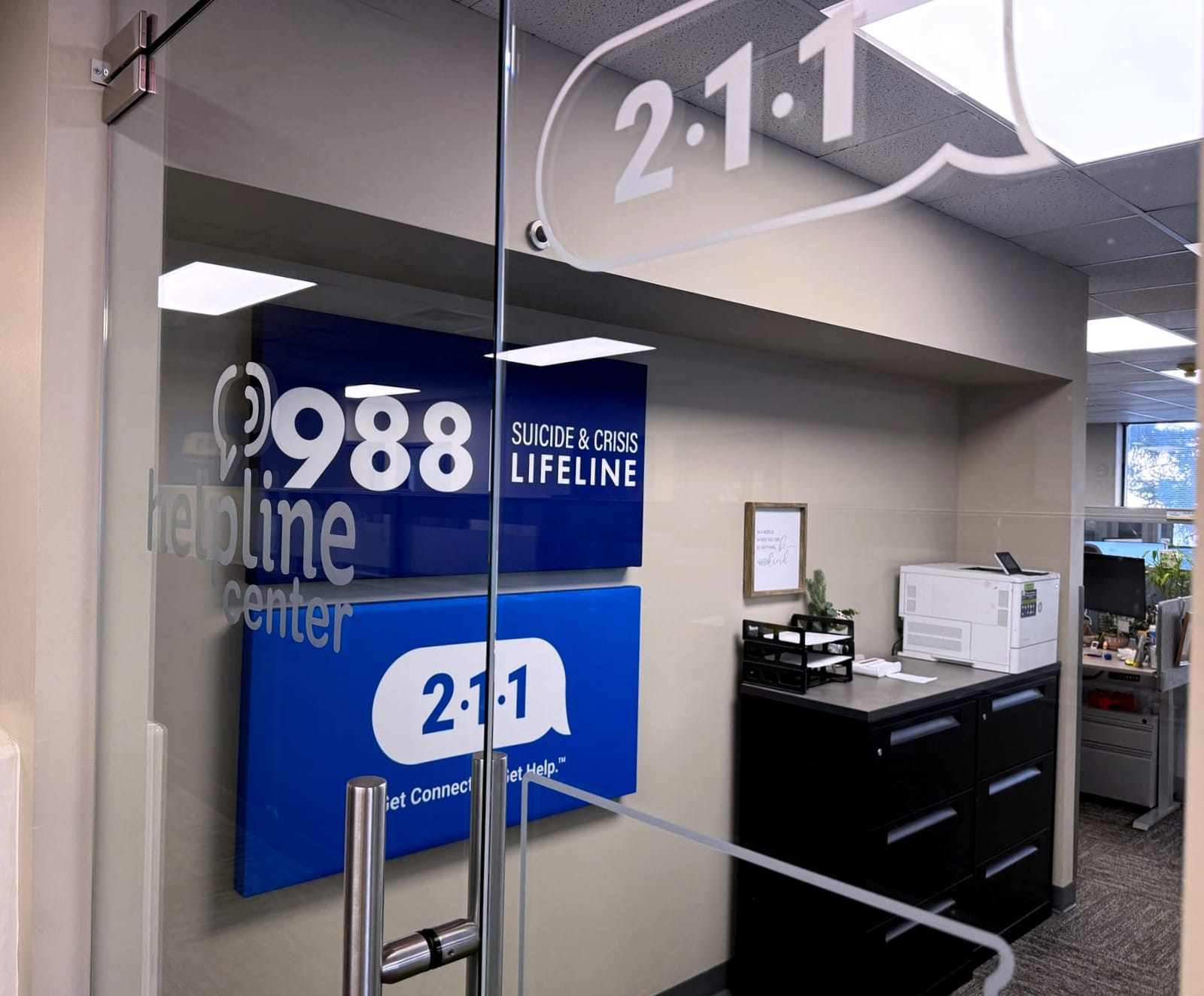
The 211 line connects callers with community services statewide. While it's separate from 988, the state's mental health crisis hotline, the two lines both operate under the umbrella of the nonprofit, which is funded primarily by the state of South Dakota through the Department of Social Services, and also by the United Way and other private and public donations.
Janet Kittams, CEO of the Helpline Center, told News Watch that the lines benefit from working in tandem – especially as needs for mental health services and other community resources often overlap.
"The two teams really do work in partnership with each other because if 211 does get a call that is crisis-related or mental health-related, they can easily transfer that to the 988 team. I think what will happen with our data is we'll continue to see mental health on the 211 continue to go down as far as one of our needs," Kittams said.
The center compiles resources from local organizations that residents can access, such as financial assistance programs and food pantries, both online and when they call, text or email 211.
In more rural areas, it can be a challenge to connect callers with those resources, if they exist at all, said development director Lisa Ottmar. She said 211 will still make efforts to connect with callers even if it cannot offer specific local resource information.
"We can't control what resources are in the communities, but we still want people to reach out. Sometimes it's finding that balance of letting them know that we exist and how we can help. Problem solving, even if there isn't a resource, and just letting them know that there's a connection, a person that they can connect with," Ottmar said.
Data illustrates unique county-by-county needs
The Helpline Center began making its data on caller needs and geographies available to the public on its data dashboard three years ago, after the line became available to all South Dakotans six years ago.
Kittams said that data and the resource database being publicly available means that local leaders are able to determine what their community needs the most. And while statewide data indicates that housing is the most pressing concern for most South Dakotans, some counties have vastly different needs.
For example, in Perkins County, where the population density is roughly one person per square mile, health care was the most commonly indicated need. In Douglas County, access to information services was the most pressing.
“I think oftentimes those individual counties are surprised by the needs in their county that maybe are different than what we see overall in the state,” Kittams said.
Need 1: Housing
Nearly 27% of callers to 211 in 2025 mentioned housing as a need they wanted resources for. More than half of those callers needed assistance with rent payments.
“Rent assistance is one of our most common calls. Some of it is immediate like, ‘My rent is due and I'm going to get kicked out. Can I get assistance right away?’ Some of it is a little bit more in advance like, 'I just got laid off. I'm struggling financially. I know this is gonna come due. Is there a program to help me?’” Kittams said.
Other housing-related needs included assistance in finding shelters, with rent deposits and help with tenants' rights.
 Bart Pfankuch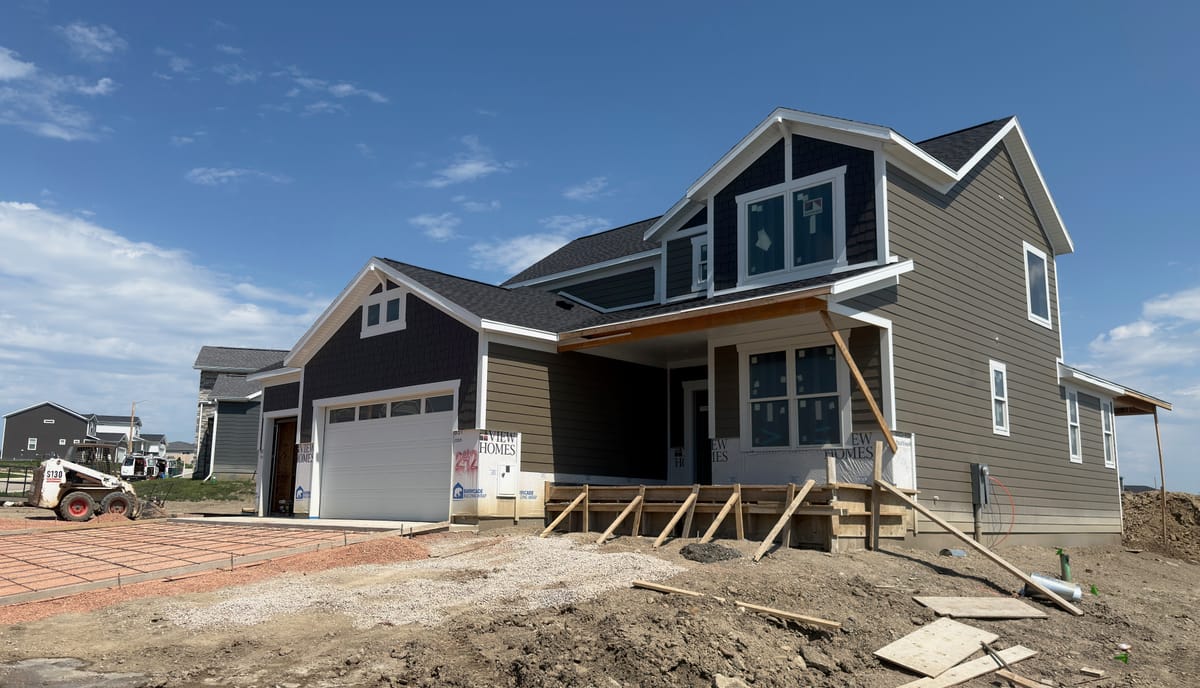
Need 2: Food
The Helpline Center's chief operating officer, Amy Carter, said that temporary cuts to Supplemental Nutrition Assistance Program benefits during last year's government shutdown meant that 211 saw an increase in calls concerning food access.
Shifts in the resource environment also meant that some callers need assistance in finding new resources – especially related to immediate food access like food pantries, which was the most common food need referenced by callers.
“There's been some changes in the food resources as well, so that, for example, in Sioux Falls, we used to have resources that would do food delivery. That went away a few months ago. So that's changed the types of calls we get in that area a little bit," Carter said.
Need 3: Utility assistance
Many callers who need utility assistance will likely be connected to statewide programs, like the Public Utilities Commission’s Lifeline program, which discounts phone prices for those in need.
“That resource database – we have everything you can possibly think of," Ottmar said. "Trying to keep that information up to date is our job because people can go online and do random searches, but is it current? Is it valid? Is it actually legit? You'd never know."
"We have a specific database team, and that's what they do is make sure those resources are current. They're always trying to find the little nuggets that are out there that we don't hear about.”
Personal connection key to 211 success
While the line's primary purpose is to connect callers with resources both statewide and in their communities, Kittams said that having voice-to-voice conversations is often the intervention that makes the difference for those in need.
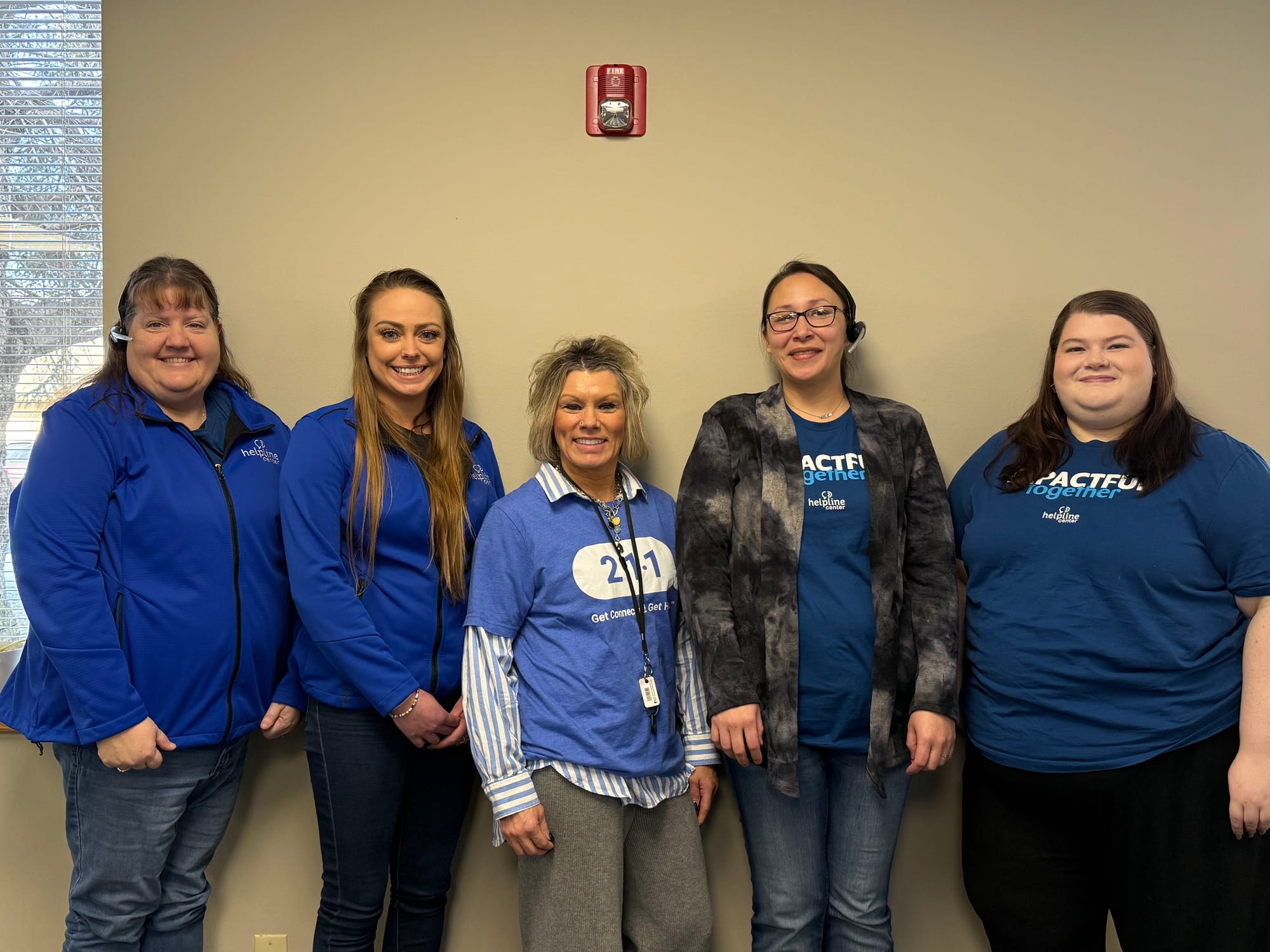
"Sometimes they just need that emotional support, so sometimes our staff at 211 will take some time and just talk with them. And then if they do need referrals to mental health resources, absolutely, our staff would provide that," Kittams said.
211 Day, the national celebration of 211 and its resources, is on Feb. 11. This year, the Helpline Center will be celebrating more than 50 years of 211 after its establishment in the state in 1974.
"I think that is the difference with 211 – that we have that real live person who's talking to them. Our staff do a great job of showing that they care and they're compassionate," Kittams said.
"They can say, 'I'm here to help you, I'm here to listen. And I really do want to help you.'"
Correction: This story was updated on Feb. 6, 2026, to clarify the nature of the Helpline Center's funding structure.
Join other South Dakotans and support statewide storytelling.
South Dakota News Watch is an independent nonprofit. Read, donate and subscribe for free at sdnewswatch.org. Contact reporter and Report for America corps member Molly Wetsch: 605-531-7382/molly.wetsch@sdnewswatch.org.