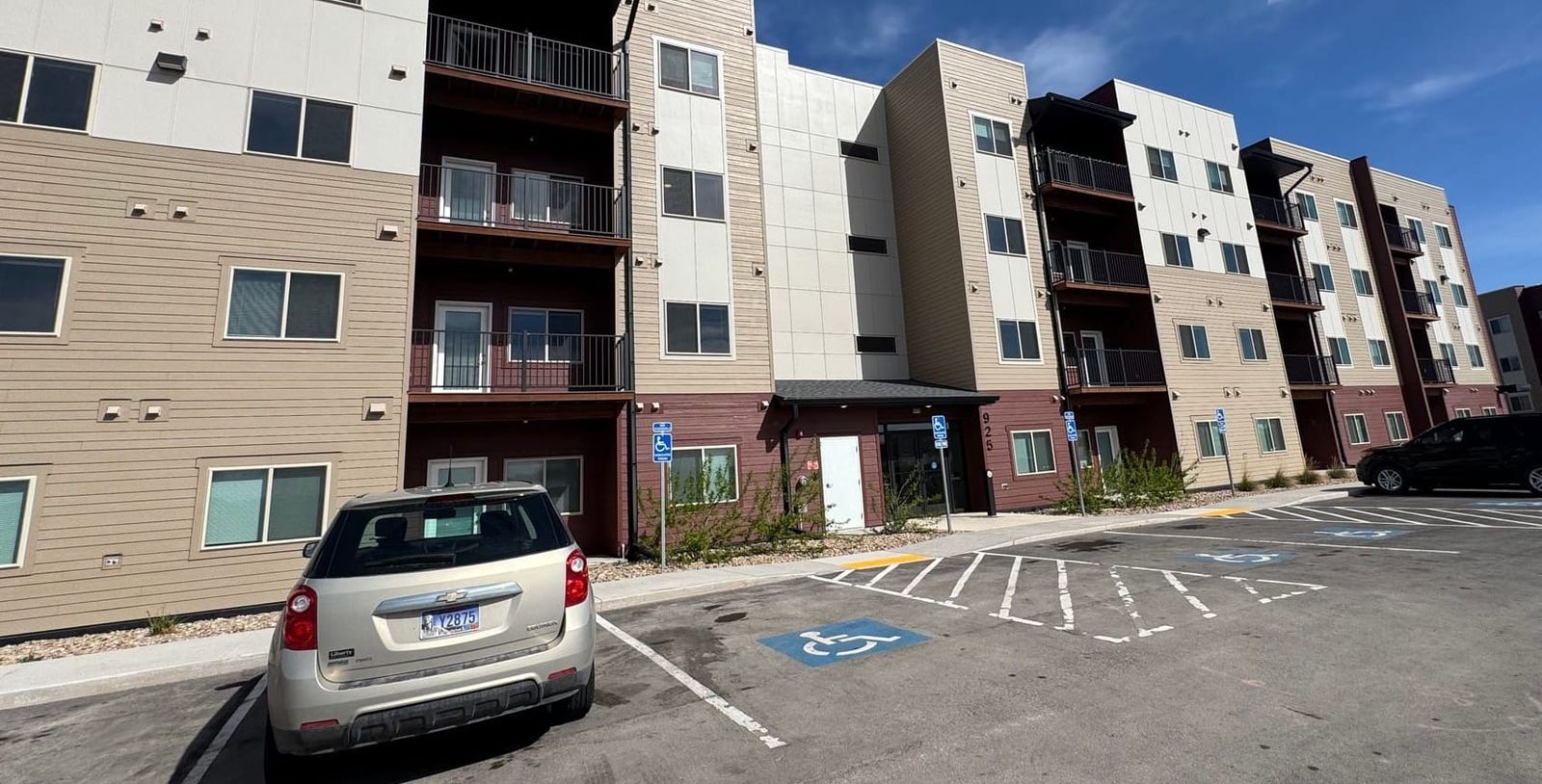
A shared funding model by philanthropy groups in the Black Hills has led to development of nearly 650 affordable apartments in a market where rents are the highest in the state.
RAPID CITY, S.D. – Brianna Brave Heart sat on a curb outside the Sagebrush Flats apartment complex on a recent afternoon in April, waiting for her 8-year-old son to get home from school.
As she sat amid rays of warm sunshine, Brave Heart reflected on how her life – and her potential future – feels a little brighter since she and her son moved into a new two-bedroom apartment in the complex that opened in 2025 along Omaha Street on Rapid City's east side.

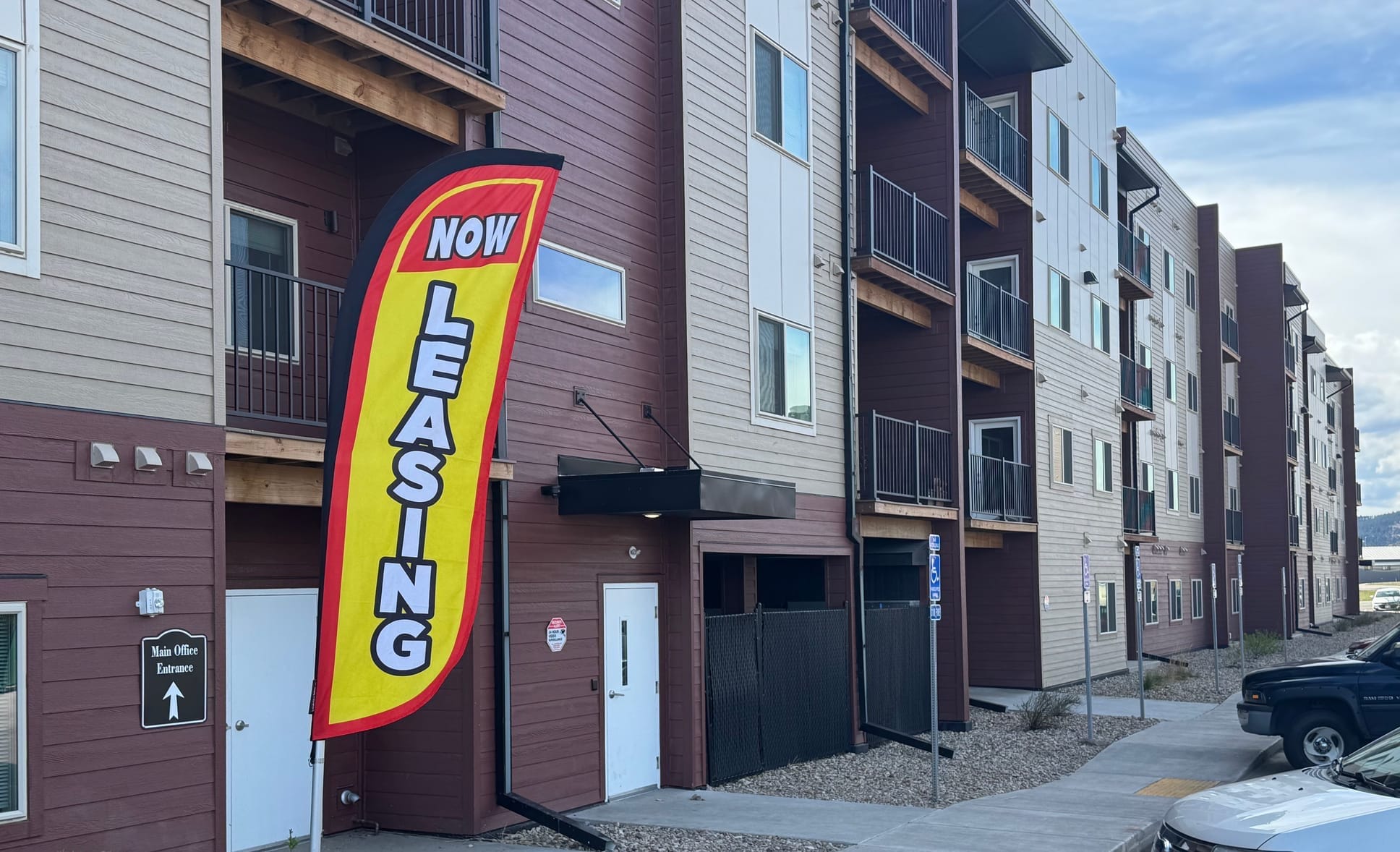
The 179-unit complex was built in part with funding from the Strategic Housing Initiative, a partnership of philanthropic groups that has shown great success in expanding access to affordable housing for low-income individuals and families in the Black Hills region.
The initiative that began roughly a decade ago has resulted in development or retention of 645 apartments totaling more that 1,230 bedrooms for people who have difficulty obtaining quality housing in Rapid City, where there is a dire shortage of affordable housing and average rental rates are the highest in the state.
 Bart Pfankuch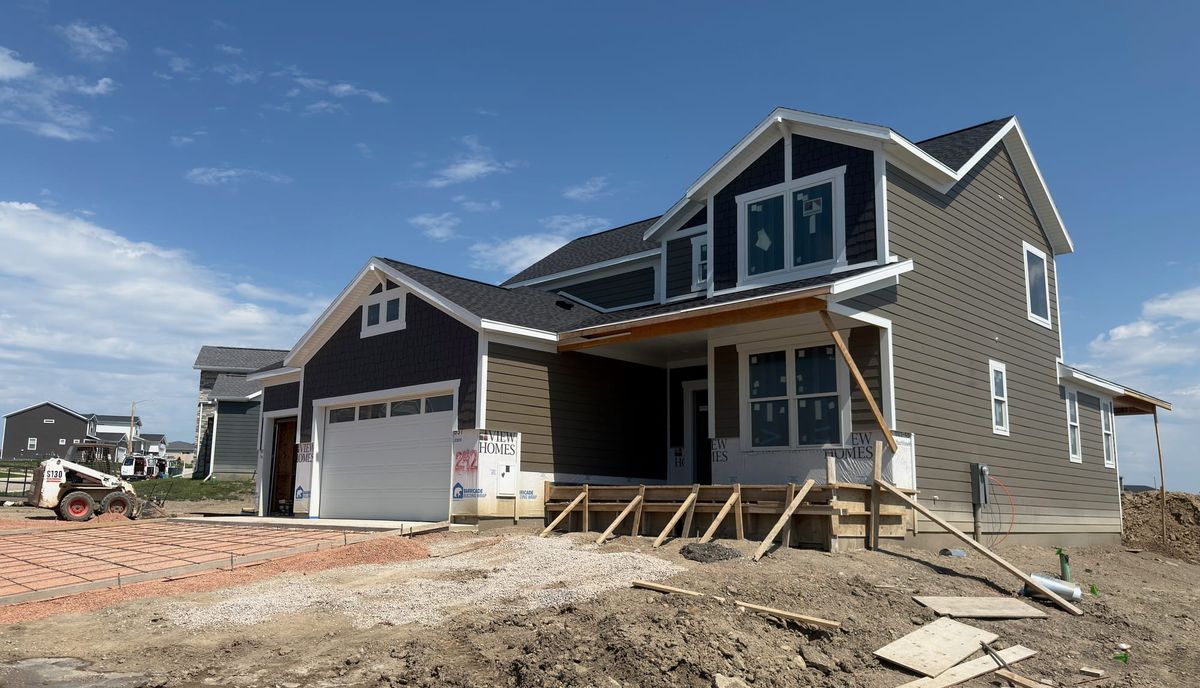
Brave Heart, 42, is a single mother and Army veteran who worked as an X-ray technician prior to suffering disabling injuries in a car accident a few years ago.
She was among the first residents to move into Sagebrush Flats in April 2025, and while weekend nights can sometimes be noisy at the two-building complex, she is overall pleased with the affordable rent and the high quality of living space.
“This place is way better than where I lived before, and the management is a lot nicer and more caring,” Brave Heart told News Watch.
This story is part of an ongoing South Dakota News Watch series called Engage South Dakota using storytelling, crowdsourcing and community engagement to identify and share potentially replicable housing solutions.
Each story includes the community's response, evidence of whether the ideas are effective, insights to be learned and limitations on the efforts.
Key takeaway for this story: Multiple entities can pool money to create a revolving loan fund that helps private developers lower the cost of construction of multi-family housing, which lowers rents upon completion.
Read about other South Dakota housing solutions.
Brave Heart said the rent for a two-bedroom Sagebrush apartment would be $1,263 a month. But she pays only $763 due to support from the Veterans Affairs Supportive Housing program run by the U.S. Department of Housing and Urban Development.
Other tenants who qualify for subsidized rents pay on a sliding scale based on their incomes, pushing Sagebrush rents below market rate and to an affordable level for a clientele with a wide range of incomes.
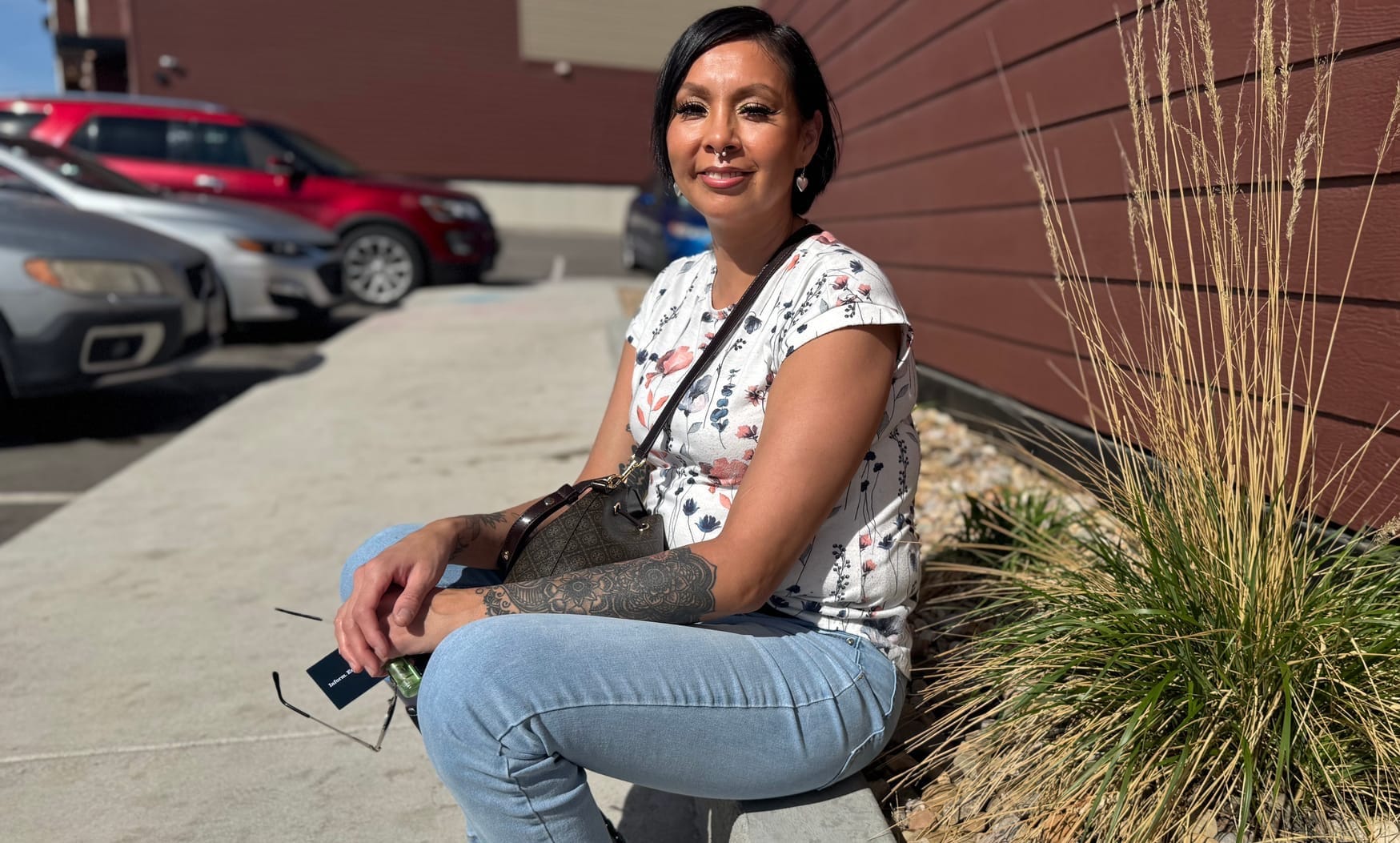
Brave Heart said she appreciates the opportunity to live in a new building and have a sense of stability as she looks for work while raising her son.
“The rents are good, but if I didn’t have the (VASH) program to help me, I wouldn’t be able to live here,” she said. “You have to have two people working in the household to afford rent in Rapid City.”
Response: A program built on partnerships
The Strategic Housing Initiative is a program managed by the Black Hills Area Community Foundation and fueled by the Strategic Housing Trust Fund. The fund launched in 2020 as a revolving loan fund to provide financial assistance to developers to encourage them to build multi-family housing that can be offered at affordable rental rates.
The fund so far has brought in about $15 million in investments, including $5 million from the John T. Vucurevich Foundation, $3 million from the Bush Foundation, $5 million from the sales tax-driven Vision Funds within Rapid City government and private donations.
The fund finances up to 10% of the cost of a housing project and along with federal affordable housing tax credits, enables developers to build projects cheaper and therefore require lower rents from tenants to still turn a profit.
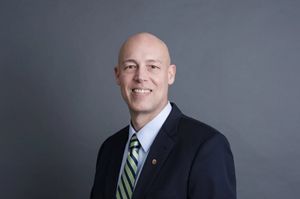
"Developers are not going to build projects if they can't make money, so we come in at a happy medium and give them cheap financing on a small portion of their project if they agree to stay affordable for up to 30 years," said Chris Huber, CEO of the Black Hills Area Community Foundation. "We win as a community by getting those units online, residents can rent a place that is affordable within their incomes, and developers win because they get a project completed."
The goal is to provide quality housing for people who make 60% or less of the area median income, which in the Black Hills includes individuals and families that make roughly from $20,000 to $55,000 a year, Huber said.
With average market rate rents for a one-bedroom apartment in Rapid City as high as $1,250, a family would need to bring in about $62,000 a year in order to avoid being considered "rent burdened," Huber said. Enabling families to afford rent in a stable housing environment is a primary building block to self-sufficiency and a brighter future, he said.
"When they have an affordable unit, they are able to pay their medical bills, they're able to put food on the table, they're able to think about what the next phase of their life could be," he said.
Evidence: Family takes a step up in housing
Chris Meadows, 40, found out about The Radiant affordable housing apartments developed through the housing initiative after making a DoorDash delivery to the complex. After discussions with the property manager, she and her two teen boys moved there in December.
Meadows, who is a disabled single mom, pays about $1,150 per month for a two-bedroom apartment that she said is newer, nicer and much larger than the more expensive apartment she used to rent.
“It’s amazing because the space is massive,” she said during an interview in the complex parking lot. “Every room is larger than the place I had before.”
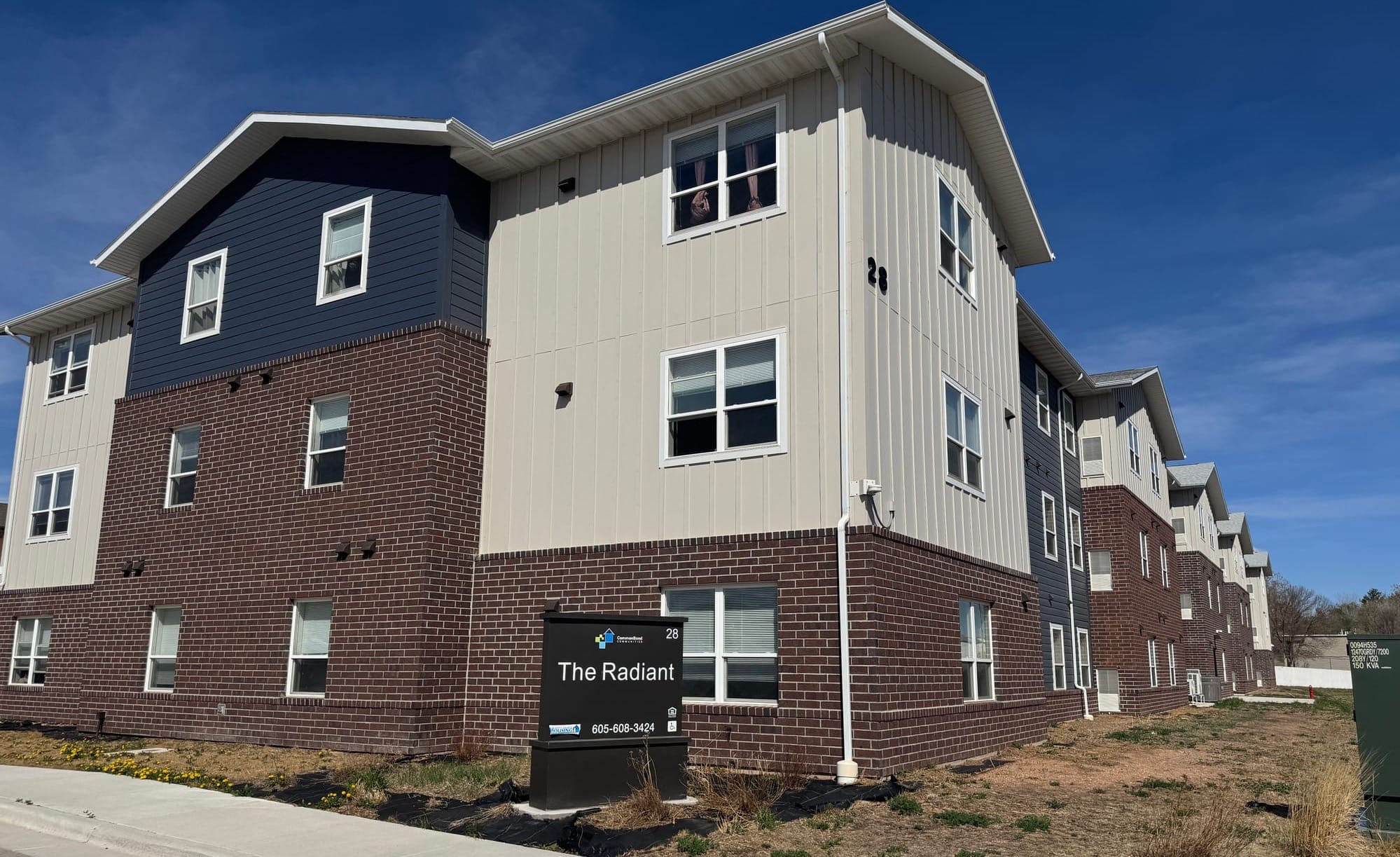
One drawback is that the Radiant has shared laundry facilities, though Meadows said that minor inconvenience is overshadowed by the complex elevator, which she needs due to chronic pain in both knees.
“It’s so helpful for people who are disabled and have a hard time finding housing on the ground floor,” she said.
She said the facility also offers useful information for residents on how to navigate finances, employment opportunities and relationships.
"We've had some tough times, so this feels like a new start for us," she said.
Insights: Housing part of a holistic approach
The Vucurevich Foundation was an early entrant into the efforts to generate more affordable housing options in the Black Hills.
In addition to sharing funds with other philanthropic groups, the foundation found a great partner in CommonBond Communities, a Minnesota nonprofit that has developed low-cost housing for more than 50 years. It built and owns The Radiant complex and recently purchased the Maplewood apartments in Rapid City.
The sharing of knowledge, resources and money is a critical component of the housing program in the Black Hills or any other community that wants to expand access to affordable housing, said Jacqui Dietrich, CEO of The Vucurevich Foundation.
“The model of collective funding, and how you bring multiple players together is absolutely necessary if you want affordable housing,” she said.
Support solutions-focused storytelling. Help South Dakota News Watch tell stories that identify and share solutions to the state's biggest challenges.
Now and in the future, Vucurevich is focused on generating affordable housing as a foundation of a larger, more holistic approach to helping people rise out of poverty and thrive in their communities. The foundation continues to look for ways to help people obtain transportation, education and job skills, access to medical care and other basic needs that can lead to a more prosperous life, she said.
“It's all about how we provide that upward mobility through the interconnectivity of all the systems that are helping to provide people with stability,” Dietrich said. “And that really starts with affordable housing.”
Limitations: High costs create challenges
Obtaining funding to help make apartment developments affordable is a challenge in many communities. The financial challenges are heightened by the rapidly rising cost of inputs needed to make a project viable, including costs for land, materials and labor, Huber said.
For many South Dakotans, it is becoming increasingly difficult to make enough money to pay for rent, even in an affordable housing complex, because wage increases have not kept up with the rising cost of living, he said.
But interest in the cooperative funding model that has driven the success of the Strategic Housing Initiative remains high, including among officials of Abilene, Texas, who visited with Huber in mid-April to learn more about the program.
The foundation also received a $30 million appropriation from Congress in 2024 to expand the affordable housing initiative into other cities in the Black Hills, starting with a project proposed for Spearfish, Huber said.
Bart Pfankuch
During a recent conversation with the property manager at The Radiant, the housing initiative property in Rapid City that includes 30 affordable rental units, the manager told Huber that five tenants had moved out and bought their own homes.
"It's easy to zoom out and say, 'Wow, this is such a huge problem,' and maybe get bogged down in the weeds," Huber said. "But when you zoom in and think about those individual families, it's worth the effort to continue trying to change their lives."
South Dakota News Watch is an independent nonprofit. Read, donate and subscribe for free at sdnewswatch.org. Contact content director Bart Pfankuch: 605-937-9398/bart.pfankuch@sdnewswatch.org.