

REDFIELD, S.D. – Gianna Schieffer doesn't need data or stories from other parents to prove the point that this central South Dakota city has a worrisome shortage of day care options.
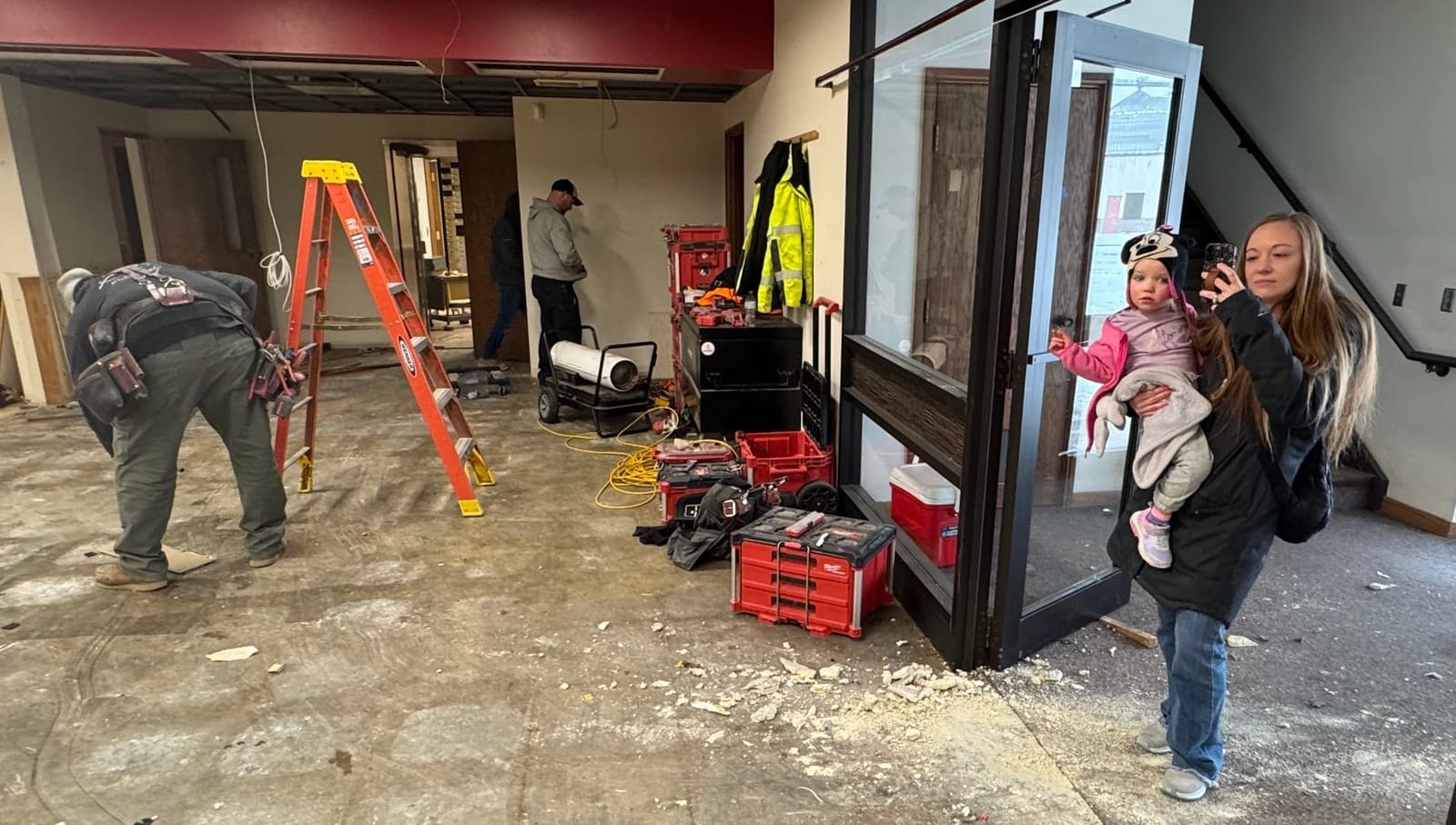
Schieffer, executive director of the Redfield Area Development Corp., has for the past couple years led an effort to obtain grants and loans, solicit donations and host fundraising events to get the money to convert a former bank building into a large child care center in downtown Redfield.

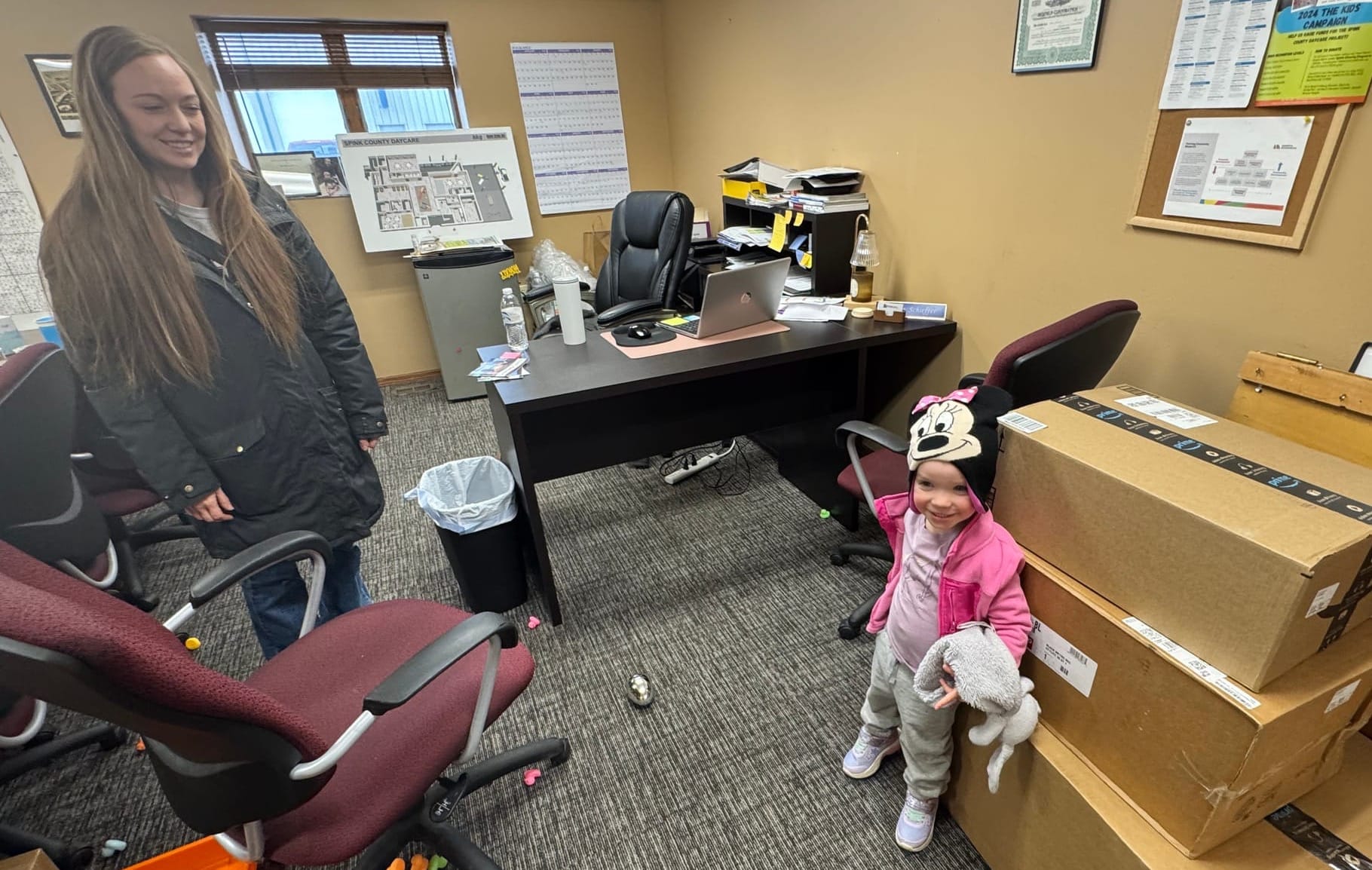
As a working mother of two, including an energetic toddler, Schieffer can point to her own situation as evidence of the shortage and the stress it can cause. On a recent day in February, the in-home child care provider Schieffer relies on came down with the flu, leaving her and several other parents with nowhere to drop off their children.
Schieffer's husband runs a ranch supply store located well out of town. But fortunately, Schieffer works alone in a downtown office and was able to bring 2-year-old Maya with her to work.
"This is exactly the kind of situation we're hoping to avoid with the new day care, where we could offer a drop-in service for parents on a daily or emergency basis," Schieffer said. "If you want to work as a parent, you have to take your kids somewhere."
This story is part of an ongoing South Dakota News Watch series called Engage South Dakota using storytelling, crowdsourcing and community engagement to identify and share potentially replicable housing solutions.
Each story includes the community's response, evidence of whether the ideas are effective, insights to be learned and limitations on the efforts.
Key takeaway for this story: Through strong local leadership and civic engagement, South Dakota communities struggling to provide day care for working parents can find the funding to develop child care centers without waiting for private industry or government to solve the problem.
Response: Finding funding from many sources
The lack of child care is a common problem in cities both large and small across South Dakota and creates ripple effects beyond the immediate uncertainty for working parents.
Combined with a shortage of affordable housing, the dearth of day care is stunting potential economic and population growth as schools, government agencies and businesses are in some cases unable to hire employees because workers cannot find care for their children.
The problem is worse in dozens of small, rural communities that are often isolated from large population centers with more options.
The child care shortage in particular restricts the ability of employers to hire young adults with children who are often seen as critical to the future of the state's small communities, many of which are losing population and experiencing declining public school enrollment.
Just as they have on development of new housing, leaders in city government, nonprofits and the business community in Redfield have not waited for private industry or the state or federal government to solve its child care problem.
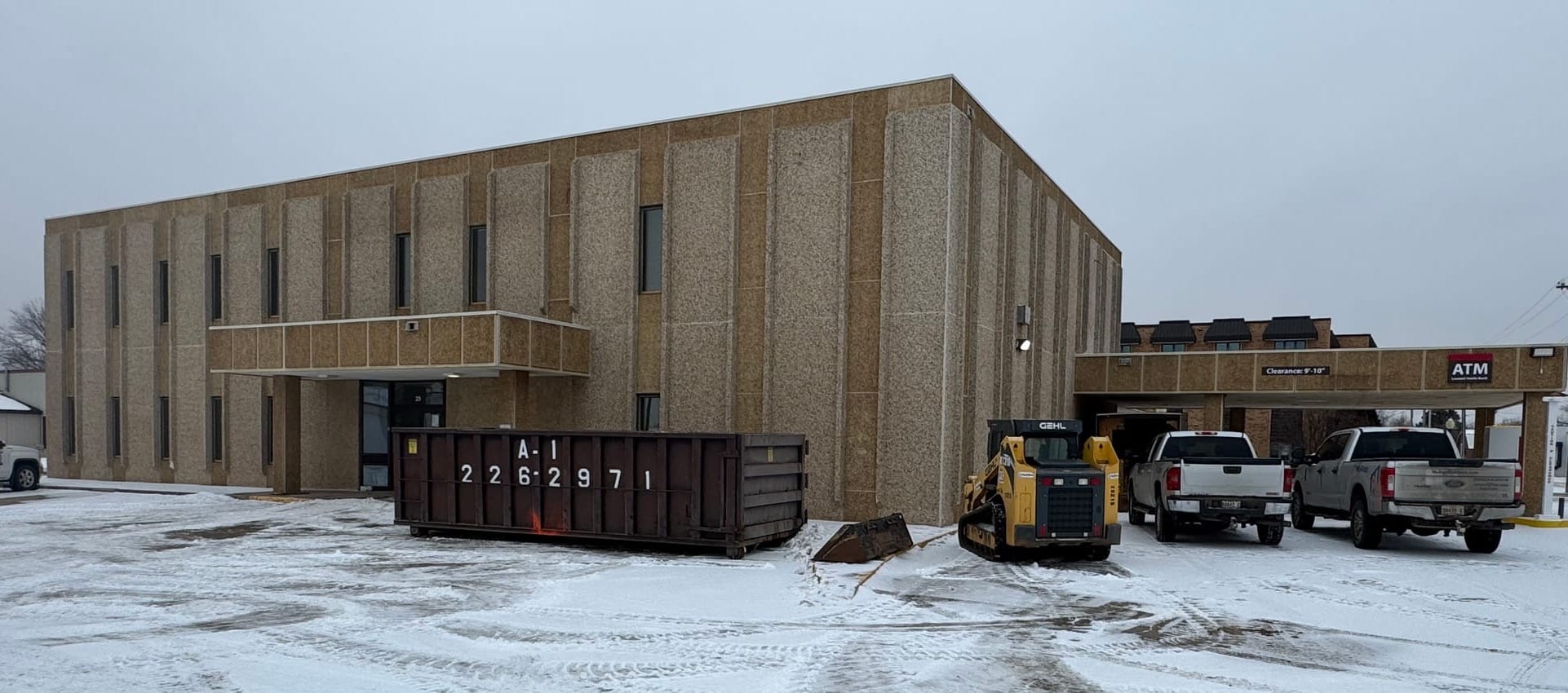
Instead, the community has embarked on a three-year campaign to raise the roughly $1 million needed to buy a former Wells Fargo bank building in town and convert it to large child care able to hold 51 children upon launch and eventually more than 90 children.
Schieffer has tried to put some "fun" into the fundraising campaign. Donation levels are categorized by types of diapers, and the fundraising goals are measured on a large vertical baby bottle drawn on poster board in her office.
So far, the community has responded well to an unusual lineup of fundraisers. The raffle of a Ford Mustang raised $60,000 for the project, a dueling pianos event brought in $16,000 and a "grocery grab" lottery and hunting blind raffle took in about $10,000 combined.
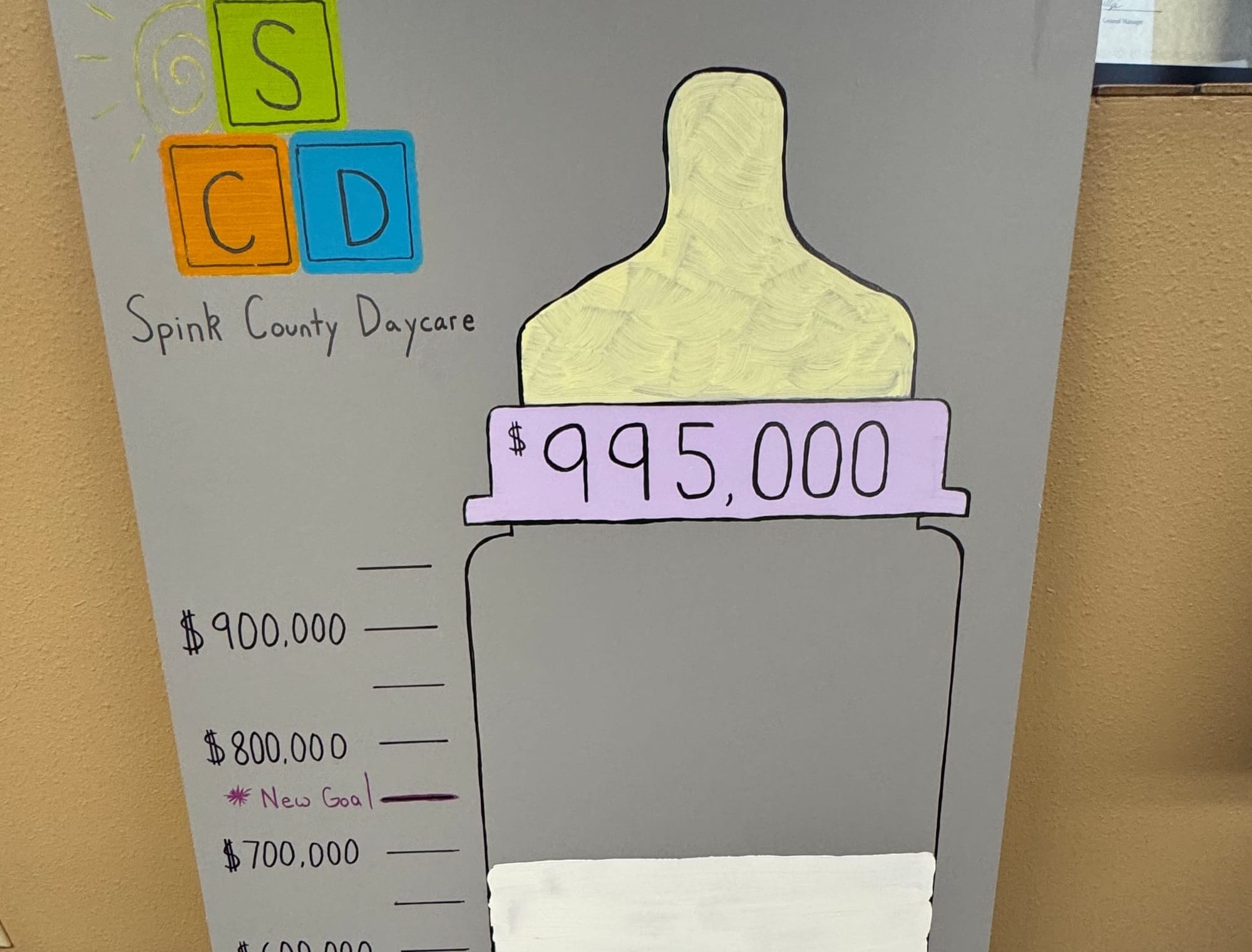
Schieffer has applied for and received about $300,000 in state grants, and community members and businesses have chipped in about $120,000.
As the project has evolved, the initial estimate has fallen to about $750,000, bringing the organizers within $100,000 of their goal of opening the day care center before school starts in the fall.
Insights: A wide-ranging, statewide problem
South Dakota has about 6,000 children enrolled in Head Start or other federally funded early learning programs for low-income families but does not have state-funded pre-K education options for working parents who don't qualify for assistance.
According to the First Five Years Fund, a national nonprofit promoting child welfare, the average annual cost of child care in South Dakota is about $8,600 for center-based care and about $6,800 for at-home care. The group estimates the inability of parents to obtain child care and therefore become unable to work full time costs the state at least $750 million in lost productivity each year.
South Dakota communities like Redfield, population 2,200, are typically not targets for development by private day care operators who can build large centers that create opportunities for profits based on economies of scale.
Redfield does not have a center-based day care operation and has seen the number of small, at-home providers fall from 10 in 2023 to seven in 2026. Some of those remaining providers are nearing retirement age and are likely to stop providing the service in the coming years, Schieffer said.
A 2023 child care survey conducted by the countywide development group Grow Spink showed there were more than 550 children under age 9 in potential need of child care within a 20-mile radius of Redfield, the county seat.
The study also found that half of all South Dakota residents – including those in Spink County – live within "child care deserts" where there are three or more children in need of day care for every available spot.
The nearest large city, Aberdeen, is about 45 miles north of Redfield.
Evidence: Targeting child care to spur growth
Jake Dawson is a father to two pre-school age children and feels lucky that he and his wife are able to drop their children off at an in-home day care in Redfield while he works the farm and his wife works in town.
Dawson used to run a John Deere dealership in Redfield and said he often heard from employees or prospective employees that obtaining child care was a challenge. Dawson said he knew of at least two parents who had to drive 50 miles each way either to Miller or Aberdeen in order to drop off their children during the workday.
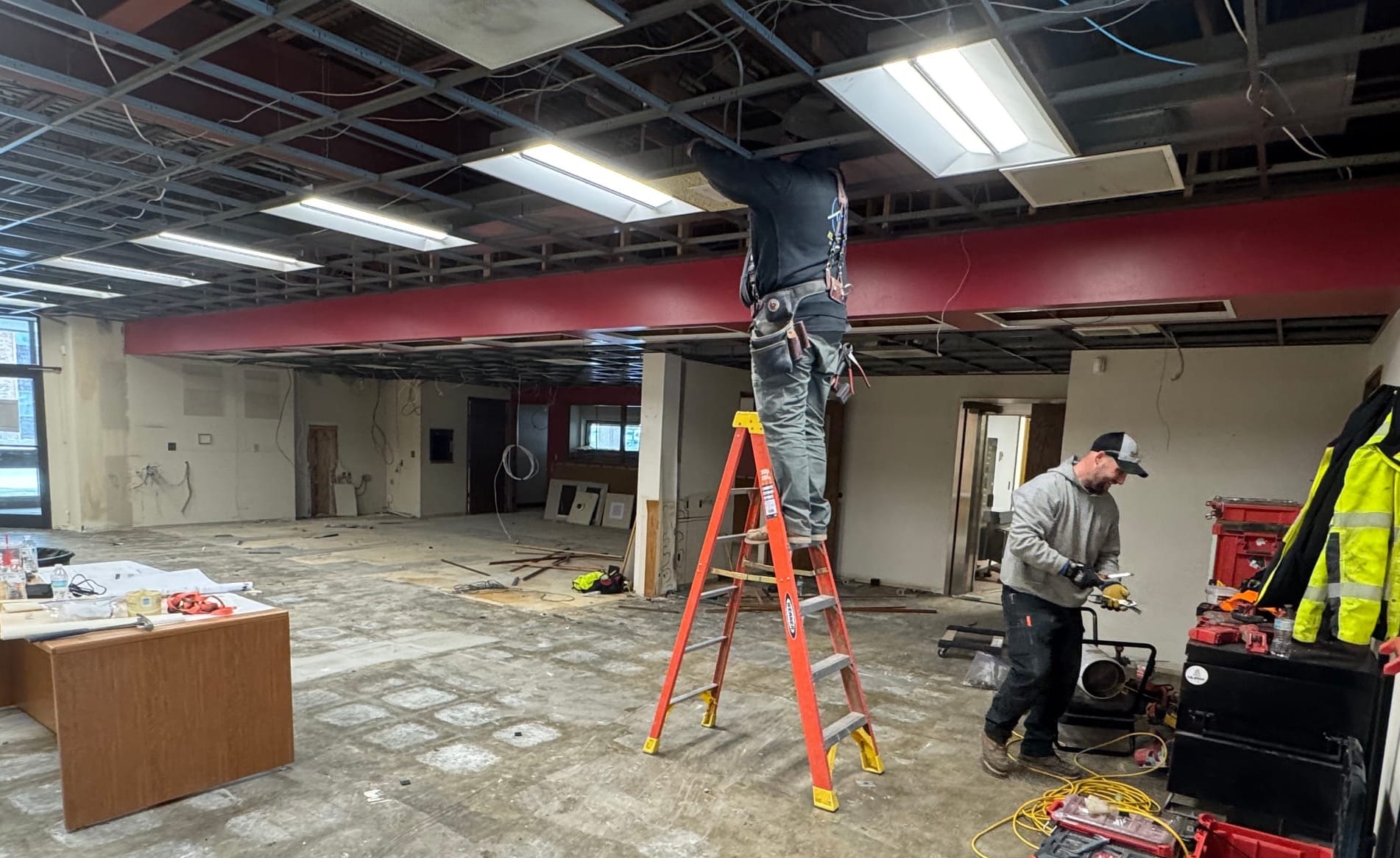
Dawson, who serves on the board of the Redfield development group, said it is clear that a dwindling number of child care openings is holding the city back.
“From an economic development standpoint, having day care available is a huge asset,” he said. “In today’s world, I think young families are looking for smaller towns to start a family. And having day care allows a community to grow by attracting talented young people to town.”
Limitations: Some pieces need to fall together
Schieffer said Redfield was fortunate to have a suitable building available at a reasonable price that unexpectedly came available after Wells Fargo began shuttering more than 2,000 U.S. locations over the past decade. It sold for $240,000 at auction.
The building is downtown and only a couple blocks from the city's school, library and municipal pool.
Support solutions-focused storytelling. Help South Dakota News Watch tell stories that identify and share solutions to the state's biggest challenges.
Pulling off such a large community funded project also takes leadership and vision that may not be present in every community.
Even in Redfield, where support for housing and child care projects has been strong, economic development efforts can be at risk of funding cuts. Grow Spink, for example, recently shuttered after losing funding, leaving the Redfield Area Development Corp. as the region's only agency focused on economic growth.
Schieffer said there is also probably a limit on how often a community can turn to its residents and businesses to make donations, even through unique fundraising efforts. State and federal funding are also harder to come by in the post-COVID era and as competition for grants increases.
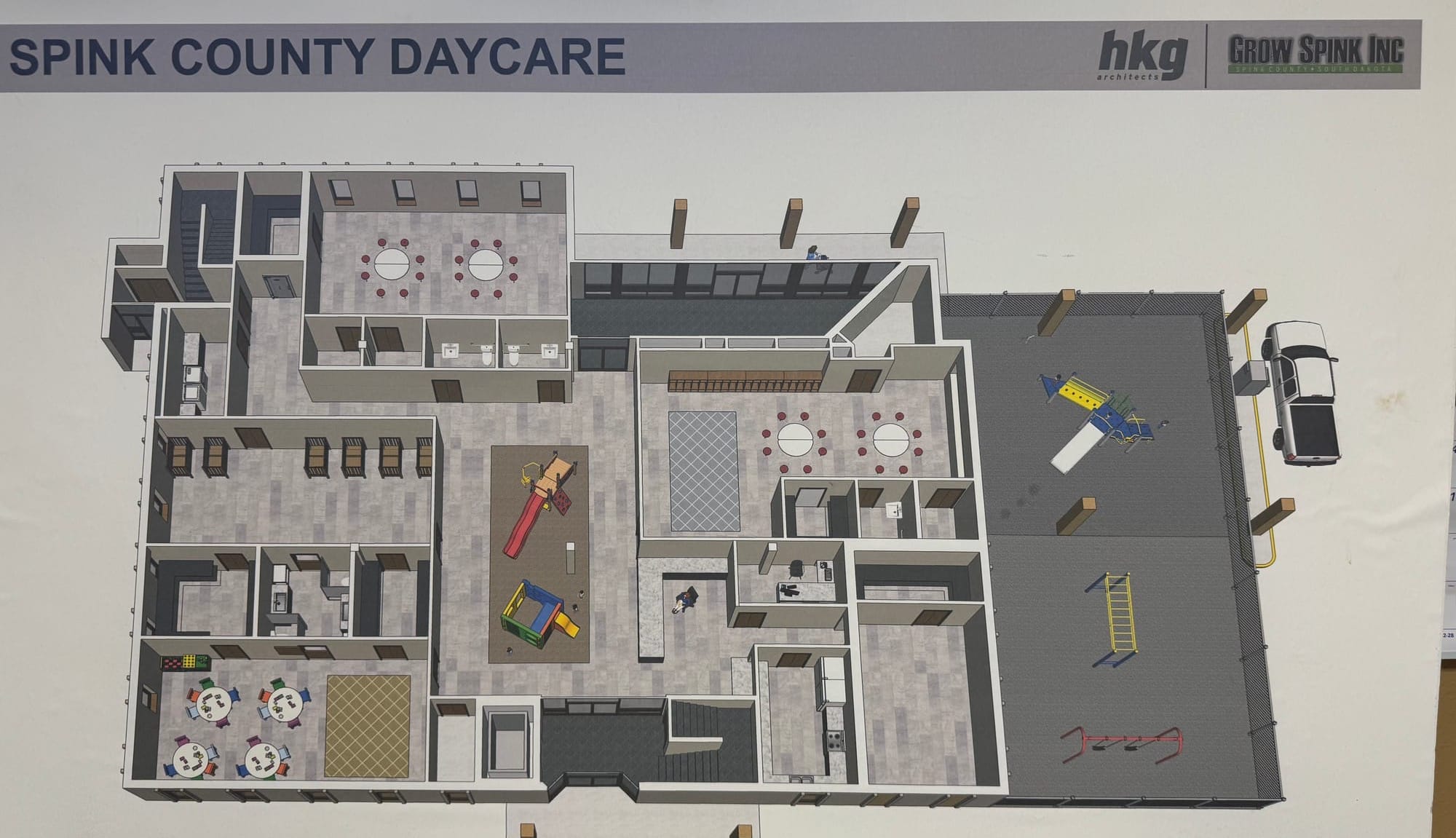
Dawson said he has been impressed with how the city has pulled together to raise the money to support development of the community child care center. He said that once the first-floor day care is established, the second floor of the bank building could be turned into a community center or some other hub of activity for local children.
“I’m really happy that the city’s stepped up and made this a priority,” he said. “I’m hoping the community continues to rally behind this project to expand this into something more for kids of all ages.”
South Dakota News Watch is an independent nonprofit. Read, donate and subscribe for free at sdnewswatch.org. Contact content director Bart Pfankuch: 605-937-9398/bart.pfankuch@sdnewswatch.org.