How a film about nine sisters abused at a Native American boarding school illustrates the broad scope of South Dakota's history with the system: "It is huge, to have the courage and to get to a point where they want to share their story."

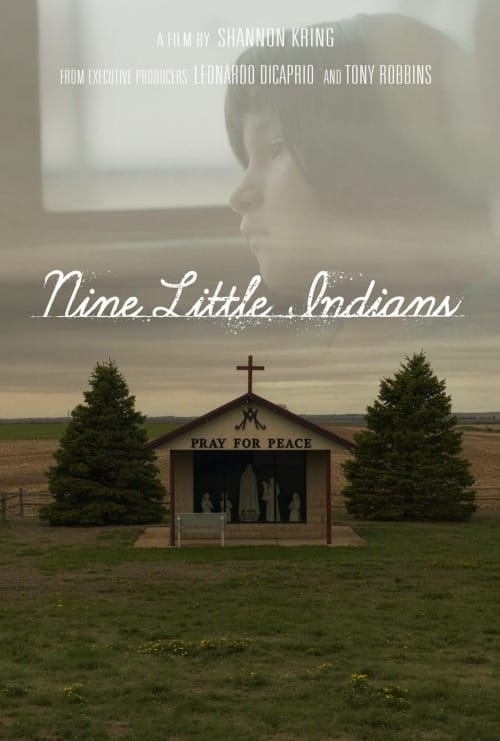
A documentary about nine sisters who attended a boarding school for Native American children in South Dakota and later underwent a lengthy legal battle with the Catholic Diocese of Sioux Falls will premiere globally this month.
“Nine Little Indians" follows the Charbonneau sisters, who are members of the Turtle Mountain Band of Chippewa Indians. They attended St. Paul’s Indian Mission School, also known as Marty Indian School, in Marty, South Dakota. All nine sisters said they experienced abuse at the hands of priests and nuns at the school.
Native American children were sent to boarding schools as early as the mid-19th century. Many boarding schools were affiliated with religious groups, and many were directly funded or supported by the federal government through the Indian Civilization Fund Act. That legislation allowed for funding to religious groups that wanted to open schools for Native Americans in an effort to introduce tribes to the “arts of civilization."
“We cracked 7.5 million (total) views on the trailer in two weeks and a day. Viral, for a documentary, is considered 500,000 views. If that doesn’t speak to the interest in this topic, I don’t know what does. We have no help, we have no marketing budget. This is happening organically.”
-- Shannon Kring, director of "Nine Little Indians"
Shannon Kring, the film's director, has worked with Indigenous communities across the world and directed the 2021 documentary “End of the Line: The Women of Standing Rock." That film chronicles the yearslong fight of the Standing Rock Sioux and other Native American people against the Dakota Access Pipeline.
For "Nine Little Indians," Kring worked with executive producers actor Leonardo DiCaprio and motivational speaker and author Tony Robbins.
Documentary hopes to demonstrate truth of boarding school history
While the documentary is an explicit portrait of the sisters’ experience, chronicling their journey and struggles in the South Dakota legal system, it also takes a broader stroke to the nationwide impact of Indian boarding schools.
Marsha Small (Northern Cheyenne), a geophysical surveyor, is featured throughout the film as she searches for unmarked graves in the area of Marty Indian School using ground penetrating radar. Small has conducted similar searches at other boarding schools across the nation and has helped to create protocols for surveying burial sites.
Searching for graves is an unfortunate reality of the ongoing work investigating boarding schools. At least 3,000 children died in Native American boarding schools in the United States between 1828 and 1970, according to an investigation by the Washington Post.
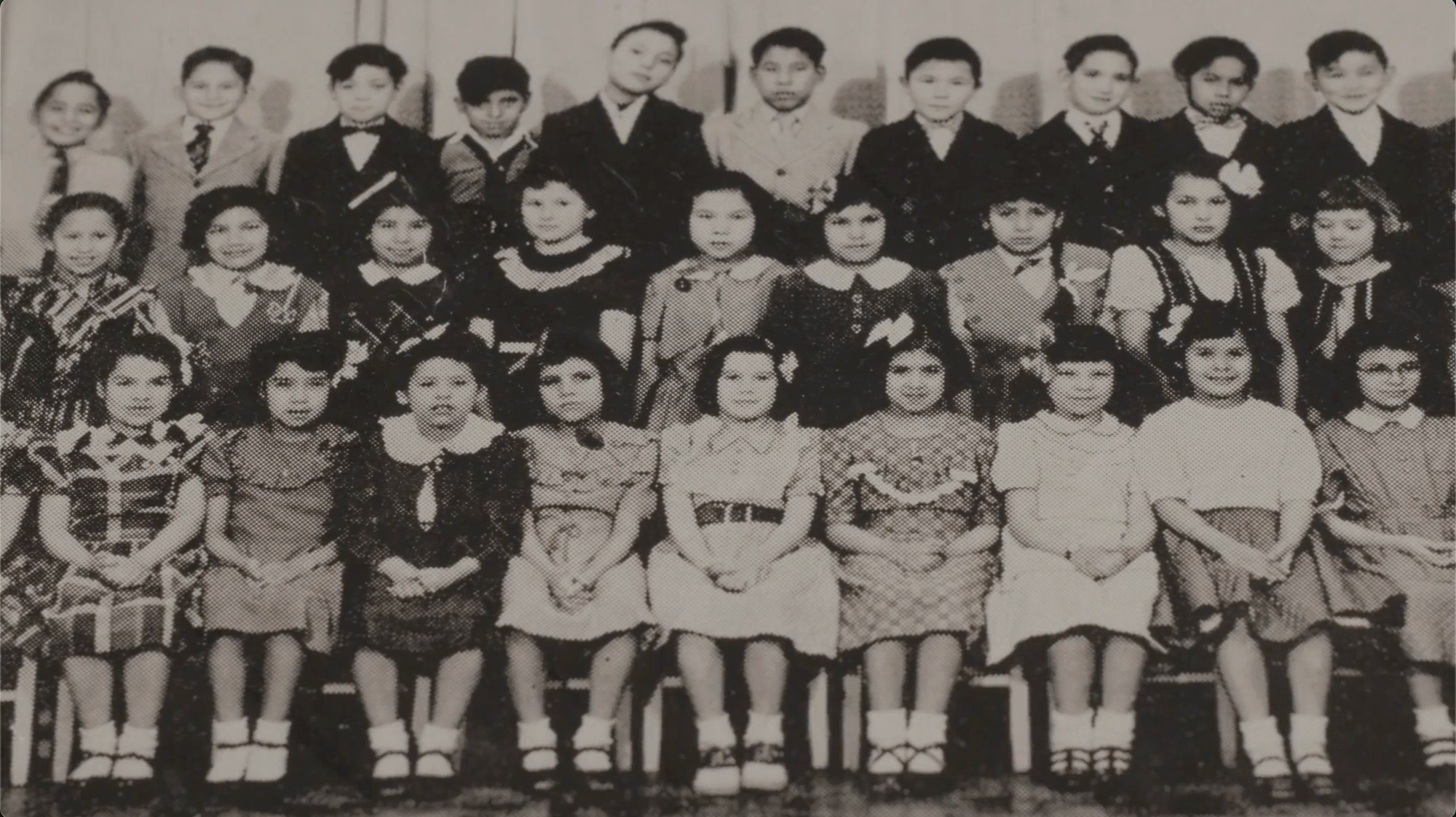
Kring told News Watch that she wants the film to be a "healing tool" for all of those who were involved in the boarding school system, as well as their descendants, and acknowledged that it will likely bring up difficult feelings for many who have experiences at boarding schools, even outside of South Dakota.
Kring said that conversations throughout the film's production and release rollout indicate a general unawareness of the country's boarding school system. An important part of ensuring the film's salience is hitting on the scale and scope of the system, she said.
Just 10 states in the country did not have any Native American boarding schools, and a study from the National Native American Boarding School Healing Coalition said that the United States had a total of 526 schools. At their peak in 1926, around 83% of Native American children were enrolled in a boarding school, according to scholar David Wallace Adams.
“When we’re out pitching this in whatever form we’re doing it, we keep hitting those numbers, explaining that (there were) more than 500 schools. Saying things like, 'These were government and church-run, and sometimes both, schools.' People have such limited awareness of this that I keep saying to people, ‘How would you explain it to a kid?’" Kring said.
The film will premiere at Lincoln Center in New York City on Wednesday, May 27. The sold-out showing will also feature a panel discussion with Kring, Small, Yvonne "Pat" Charbonneau, one of the victims from Yankton, and George DiCaprio, Leonardo DiCaprio's father.
Darrell Red Cloud, a Lakota historian and the great-great grandson of Chief Red Cloud, will open the premiere with a prayer song. Kring told News Watch that the premiere will also include a recitation of the Lord's Prayer.
Kring also plans showings in South Dakota this summer. She said that she hopes the documentary will resonate even with those who don't have connections to the boarding school system. She has seen a significant public interest in the topic.
“We cracked 7.5 million (total) views on the trailer in two weeks and a day. Viral, for a documentary, is considered 500,000 views. If that doesn’t speak to the interest in this topic, I don’t know what does. We have no help, we have no marketing budget. This is happening organically,” Kring said.
In South Dakota, boarding school history runs deep
All of the nine tribes in South Dakota had boarding schools operate on their reservations, and several existed outside of tribal lands.
Research from the National Native American Boarding School Healing Coalition said that at least 35 boarding schools operated in South Dakota.
The National Native American Boarding School Healing Coalition (NABS) is also doing its part to preserve the stories of those who attended Indian boarding schools throughout the United States. The organization, which was founded in 2012, is near the end of its two-year oral history project funded by the Department of the Interior.
That initiative has involved nearly 400 survivors of boarding schools across the United States sitting down with historians to share their experiences at the schools in video interviews, which will be stored in a permanent, public archive of survivor stories.
 Molly Wetsch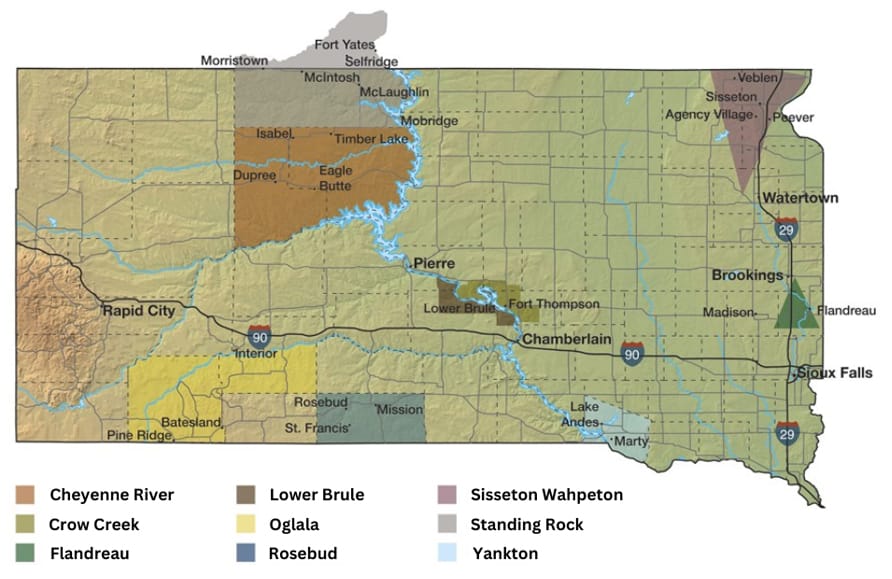
It has only been in recent years that the federal government, including the Department of the Interior, has acknowledged its role in the crisis.
In 2021, then-secretary of the Department of the Interior Deb Haaland (Laguna Pueblo) announced the creation of the Federal Indian Boarding School Initiative, which is "a comprehensive effort to recognize the troubled legacy of federal Indian boarding school policies."
In 2024, former President Joe Biden issued an formal apology for the boarding school system, calling it "a sin on our soul."
Get South Dakota news and information in a free email on weekdays. Cancel any time.
Charlee Brissette (Sault St. Marie Ojibwe), co-director of the oral history project, told News Watch that heightened public awareness of the history of boarding schools has allowed for more survivors to come forward. It illustrates the vast, often-unexplored scope of the system, she said.
"Once it was put on a public platform in a national way is when survivors really started feeling safer to talk about it. We've heard many times that, for decades, they didn't talk about it because nobody believed them," Brissette said.
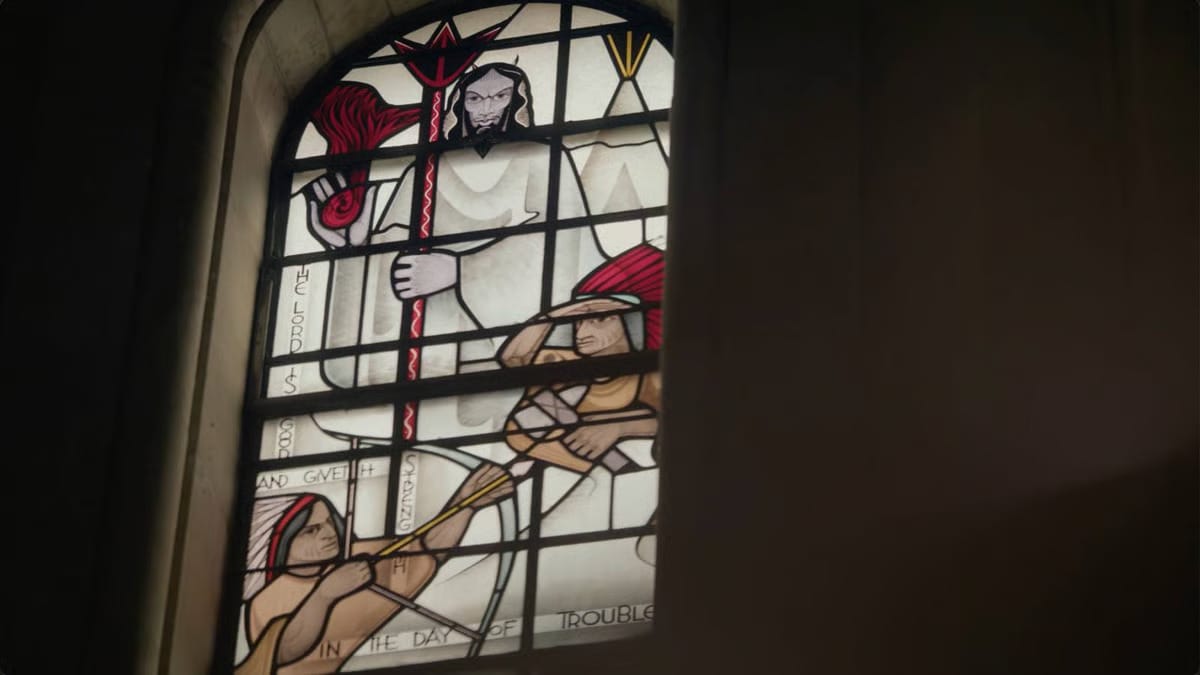
Brisette said that hearing real stories, like those told in "Nine Little Indians" and in the oral history project, can allow for a much more potent understanding of the system – especially considering survivors are still alive today.
"It really tries to re-humanize it because we can look at stats, we can read books and we can read articles about what's happened. For many people in Indian Country, we all have an idea, we all have this inherent knowledge of boarding schools and what they've done to our communities and our families," Brisette said.
"But to be able to witness firsthand stories from survivors ... we're able to see a face of somebody who's been directly impacted. We're able to hear exactly what they've gone through, and how that experience has impacted their life and shaped them as a person."
Moving forward rooted in reconciliation, collaboration
The legacy of boarding schools also lives on in many of the institutions that currently educate Indigenous children in South Dakota. Oftentimes, those legacies are just as complex as the schools that shaped them.
Some modern-day schools are on or near the land that former boarding schools operated on. Some former boarding schools transferred to tribal ownership and now operate in a different capacity. Some boarding schools are still open, albeit with very different practices than their historical counterparts.
That leads to further conversations about how best to move forward. Bissette said it should be up to tribes and survivors.
Molly Wetsch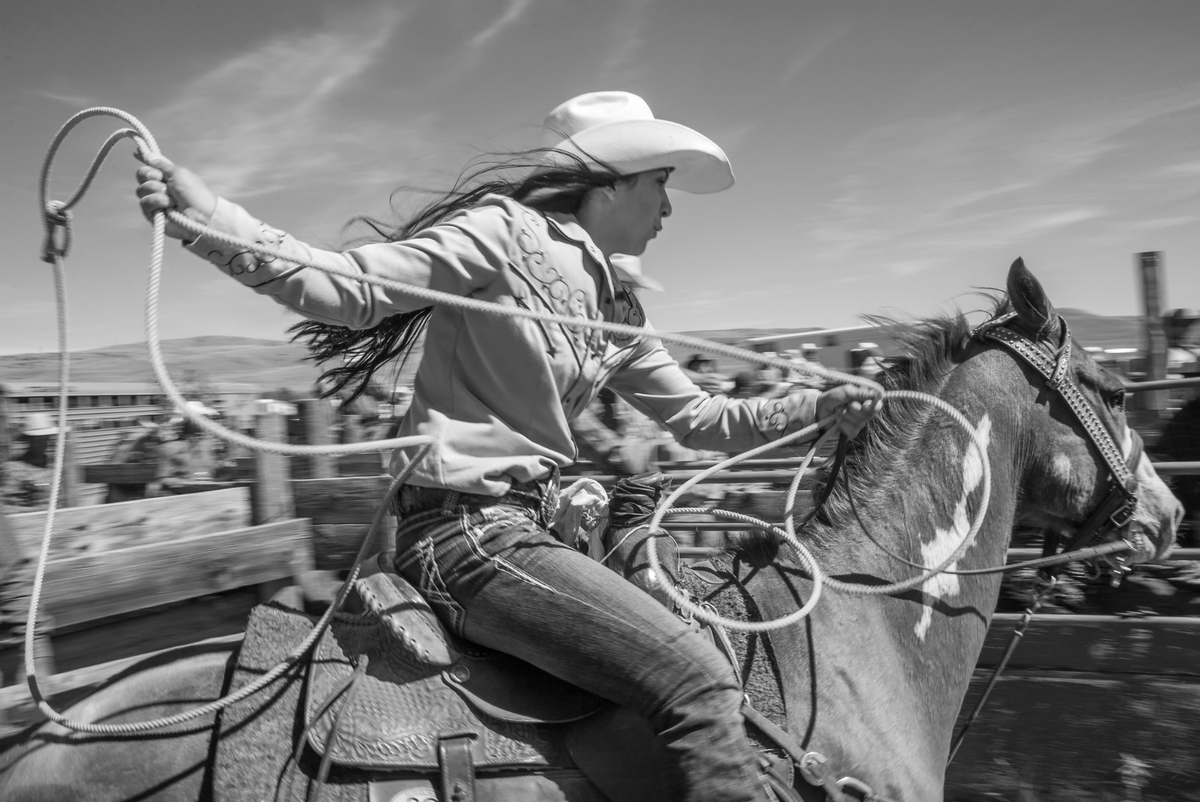
“Even the question of 'When did the last boarding school close?' … Well, there's still some open, you know? So it's hard. You’ve got to look at it individually, not as a broad perspective because it's like, ‘Is it tribally controlled now? Is it the tribe that took it over?’ That's the main thing,” Brissette said.
“It’s school by school. It's hard to have an overall opinion on them as a whole. We support what survivors want and what tribes want. It's really up to the tribal nations to determine what's best for their people, if it's in a jurisdiction that works for their tribe.”
It is very likely that through both the oral history project and "Nine Little Indians," public awareness of the ongoing impact of boarding schools will grow. There is, of course, a desire for an increased national understanding of the boarding school system. Generally, though, these initiatives’ greatest goals center around widespread healing for survivors and their communities.
Partner with South Dakota News Watch and support fact-based news and information.
Co-director of the oral history project Lacey Kinnart (Sault St. Marie Ojibwe) told News Watch that oftentimes, allowing someone to speak about their boarding school experience is the most important step in addressing any trauma from the experience.
"We definitely can't understate the change that can happen for an individual by sharing their story. We've seen it. Every single week, at least one person says, 'I feel such a relief by sharing my story,'" Kinnart said.
"So many people, too, throughout the years have said, 'I've waited 64 years,' or, 'I've waited 70 years to share my story.' And it's the first time they're sharing their story. It is huge, to have the courage and to get to a point where they want to share their story."
Molly Wetsch is South Dakota News Watch’s Native and rural communities reporter. Wetsch was born and raised in South Dakota and is a descendant of the Cheyenne River Sioux Tribe. Her maternal grandfather attended Indian boarding schools in South Dakota: the Holy Rosary Mission School (now Maȟpíya Lúta) on the Pine Ridge Reservation and St. Joseph’s Indian School in Chamberlain.
South Dakota News Watch is an independent nonprofit. Read, donate and subscribe for free at sdnewswatch.org. Contact reporter/Report for America corps member Molly Wetsch: 605-531-7382/molly.wetsch@sdnewswatch.org.