The South Dakota Legislature will see an Independent for the first time in over a decade, and school districts will vote on millions of dollars in bonds.
Ballots statewide for the Nov. 3 South Dakota general election include candidates for governor, U.S. House, U.S. Senate, several executive offices and four ballot measures.
There are also a number of notable local and legislative elections. Here are some of them to watch.
Schools: Bonds, dissolution on the ballot
In Rapid City, the Rapid City Area School District is seeking $107 million for a variety of projects that district CFO Coy Sasse called "fundamental building infrastructure." That includes updating heating and air conditioning systems, security upgrades and a new elementary school.
A school bond referendum like the one up for a vote asks voters to decide whether a school district can sell bonds to investors for upfront cash to fund projects. Those bonds are paid back by a raise in property taxes for the period of the bond. In this case, the bond period is 20 years. The bond must receive a supermajority of 60% of the vote to pass.
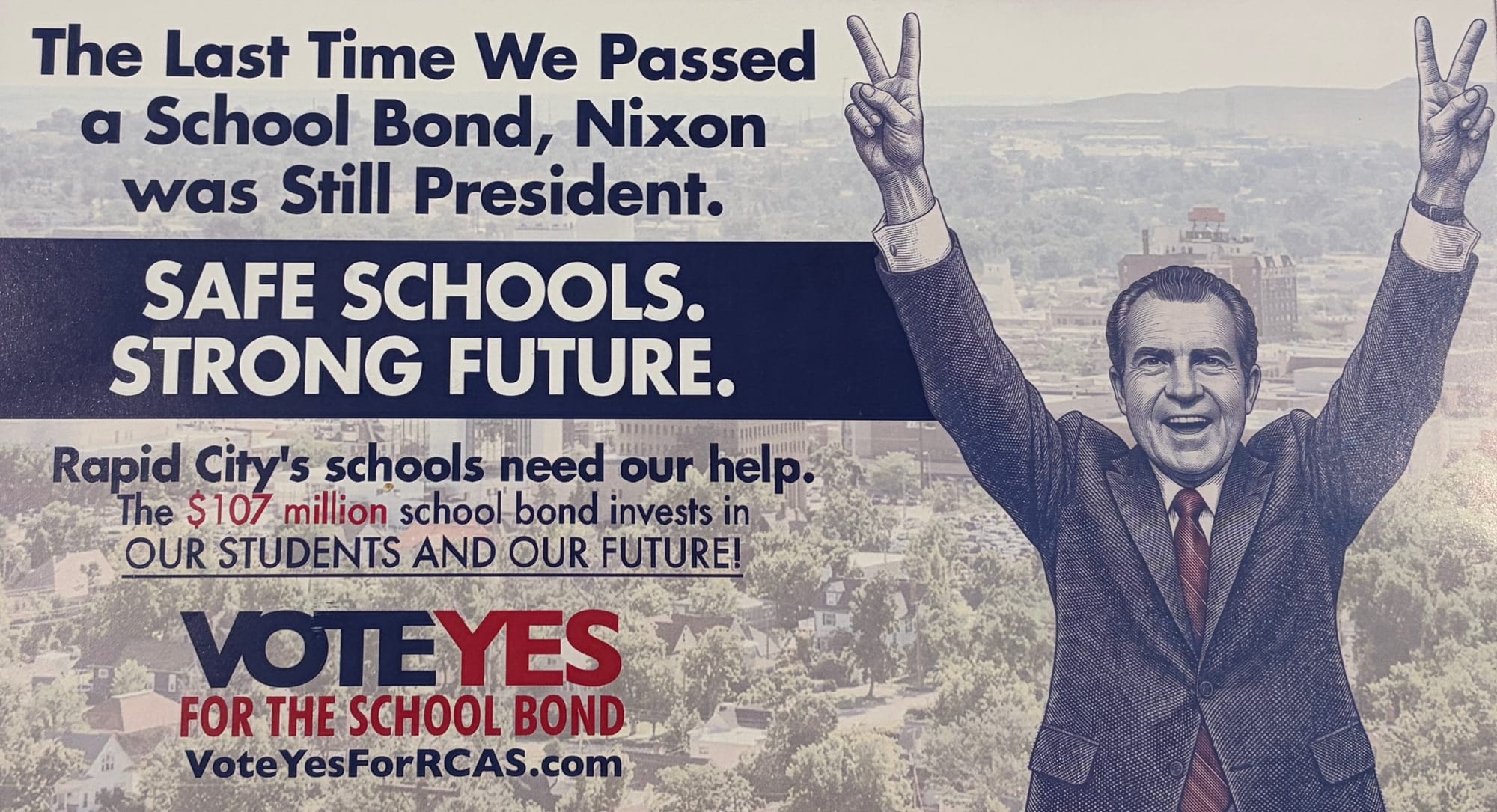
Rapid City has not passed a school bond in over half a century, and voters most recently declined to approve one in 2020. The 2020 measure sought $189 million for the construction of three new elementary schools and a middle school, among other projects. Fifty-six percent of constituents voted in favor of the bond, missing the supermajority margin.
Rapid City's bond history differs in comparison to the state's other major metro area: In Sioux Falls, the Sioux Falls School District most recently passed a $190 million bond in 2018, which allowed for the construction of Jefferson High School. Before that bond passed, the most recent bond was approved in 1997. The school district is currently discussing whether to take a $105 million bond to a special election next May that would allow for the replacement of Whittier Middle School.
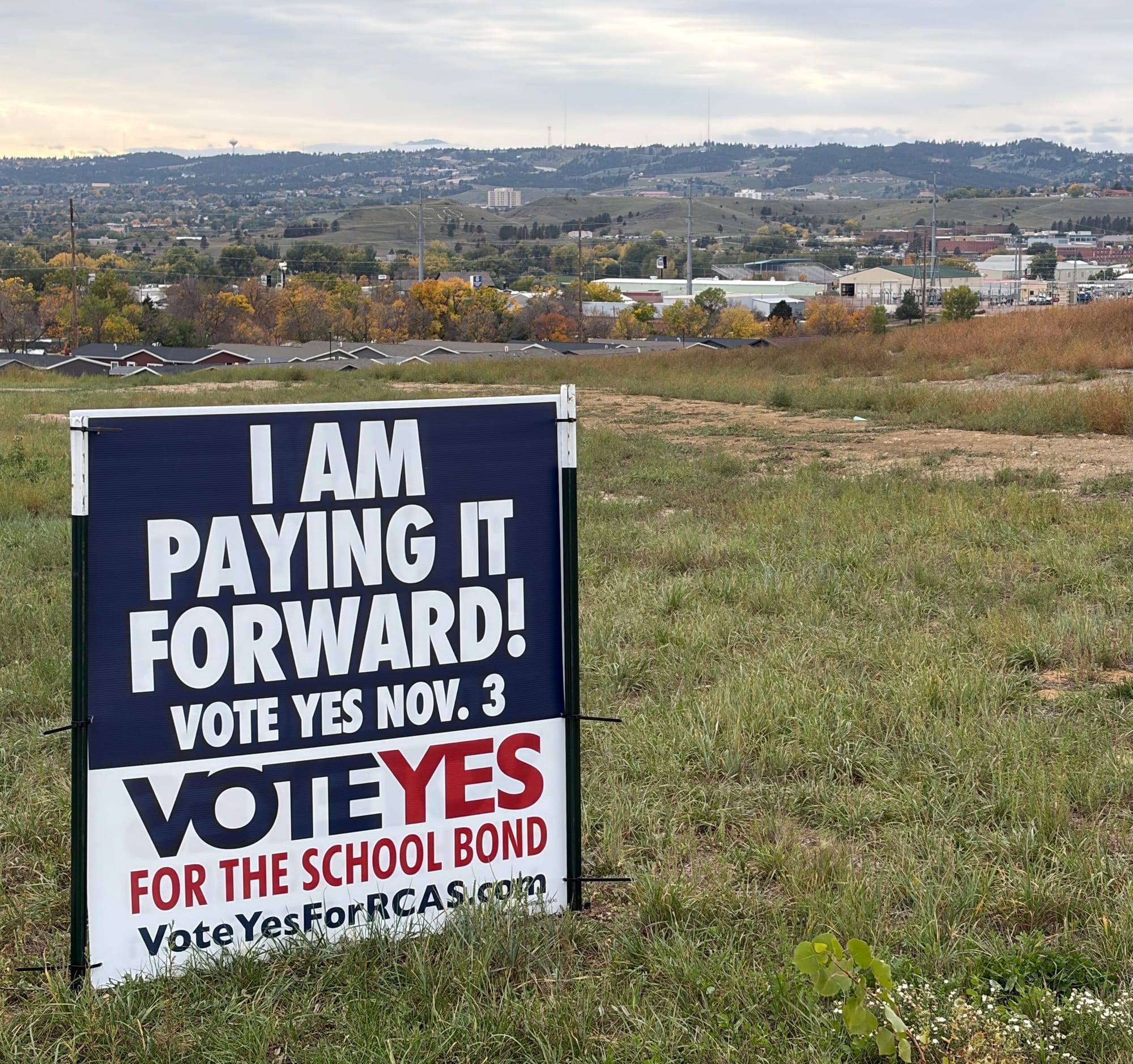
Rapid City Mayor Jason Salamun told News Watch in September that he was in favor of the bond, which is a smaller funding package than the 2020 bond, citing aging schools and security concerns.
"I believe that we have to invest in the next generation. And somebody did it for me. How selfish would it be of me to not support doing it for the next generation? My kids are grown, but it's not about me. It's about children," Salamun said.
Across the state in the northeast, another school bond is on the ballot in Groton, where the district is looking to approve a $26 million bond for classroom expansion and renovation. That bond also requires a 60% majority to pass.
Also in the northeast, the Oldham-Ramona-Rutland School District will again be voting to decide whether to dissolve. The special election will take place on Nov. 10, not Election Day. The district avoided dissolution late last year, as just four votes held off the decision in a December special election. The school board elected two new members in the June election.
The Oldham-Ramona-Rutland School District had 193 K-12 students enrolled in the 2025-26 school year. Under South Dakota law, public schools with fewer than 100 students must reorganize, form a joint powers agreement with another school or dissolve.
Counties: Tax changes go to voters
Four counties in the state will let voters decide whether to approve a half-cent sales tax increase to decrease property taxes.
Gov. Larry Rhoden introduced and later signed SB 96 earlier this year. That law allows counties to elect to raise their sales tax rate by half a percent, with the proceeds going to lowering property tax rates. Rhoden called the legislation part of "the largest property tax cut in South Dakota history."
Brown, Codington, Clay and Charles Mix counties will hold a vote on the measure in November.
Get free, fact-based South Dakota news and information in a weekday email. No spam. Cancel any time.
Brown County specified that its tax increase must be approved by voters, not the county commission, which pushed it automatically to a November vote. In Codington, Clay and Charles Mix counties, county commissions approved the measure and voters submitted petitions to refer the measure to the public.
In Brown and Codington counties, those votes will take place on Election Day, Nov. 3. In Clay and Charles Mix counties, the vote will occur by special election on Nov. 17.
Six counties have approved the measure via their county commission and will see the changes implemented in January. That includes Pennington and Lincoln counties, home to Rapid City and southern parts of the Sioux Falls metro area.
 Molly Wetsch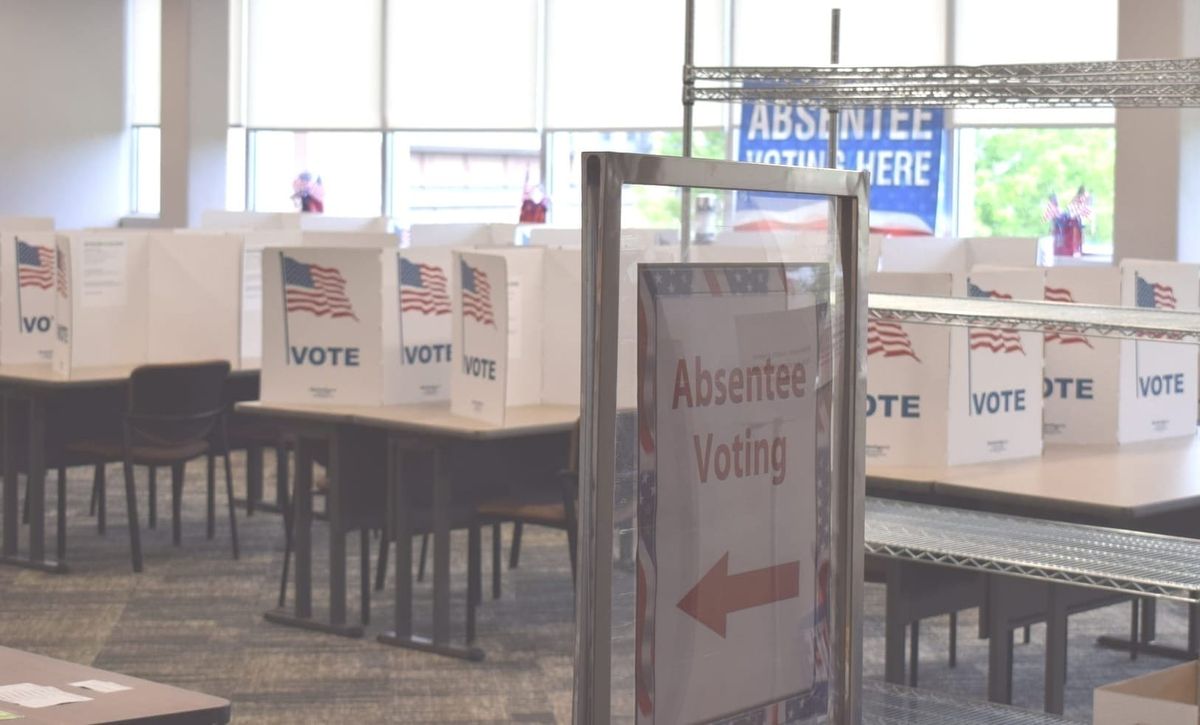
Two other counties, Hughes and Yankton, have approved the measure, with some pending circumstances. The deadline for petitioners to submit signatures to force Hughes County to a vote was Wednesday. The Hughes County auditor's office told News Watch Wednesday morning that they had not yet received any petitions. Yankton County passed the ordinance but intends to pass a new one lowering the half-percent sales tax increase to 0.25%, according to the South Dakota Searchlight. Both counties will see tax changes take place in July 2027.
Legislative races: Incumbents, Independents
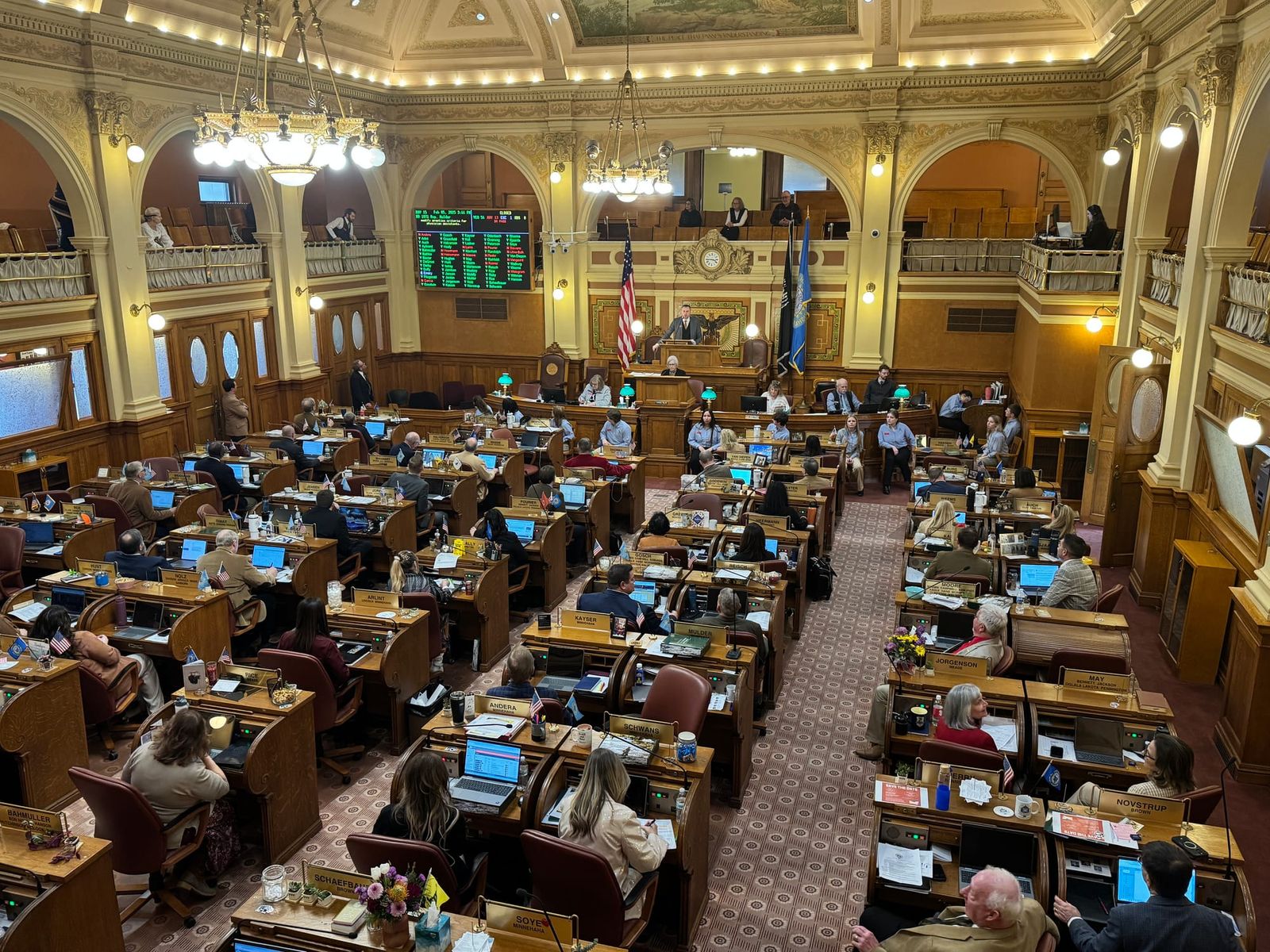
All 105 seats in the South Dakota Legislature are up for election this year. Thirty-five senators, one from each district, and 70 representatives, two from each district, will be elected.
Sixty-three legislators, about 60% of the body, are up for re-election this year. That comes after the June primaries saw several incumbents defeated by challengers. Some sitting legislators are running for a seat representing their district in a different chamber: Rep. Erik Muckey, a Democrat representing District 15, and Rep. John Sjaarda, a Republican representing District 2, are running for Senate seats in their respective districts, among others.
 Alexander Rifaat
In South Dakota, legislators can only serve four consecutive terms in the House or the Senate before they must vacate the position.
Three districts will see guaranteed turnover with no incumbents running for re-election. Those districts are District 3, 25 and 29, home to Aberdeen, Dell Rapids and Union Center, respectively.
In District 3, Republican Katie Washnok is unopposed for the Senate seat. She ran in 2024 but lost in the Republican primary to state Sen. Carl Perry. Perry ran for re-election this year, but was defeated in the primary by Washnok.
In District 29, Republican William Meirose is running unopposed for Senate and Republicans Gary Cammack and Gary Deering are the only two candidates for House. Meirose defeated incumbent state Sen. John Carley in the June primary.
Cammack, of Union Center, is seeking to regain his seat in the House. He served from 2023-2025 but lost his seat in the 2024 primary election to now-state Sen. Terri Jorgenson and state Sen. Kathy Rice. Rice and Jorgenson ran for re-election this year but lost in the June primary to Cammack and Deering.
Other notable races include the District 27 state House race, where an Independent will be elected to the South Dakota Legislature for the first time in over a decade.
Evangeline Poor Bear, Elizabeth Lone Eagle, Joe Flood and Jay Yohner are running for seats as Independents as well as incumbent Republican state Sen. Liz May. Because two representatives will be elected, an Independent is guaranteed to take at least one seat.
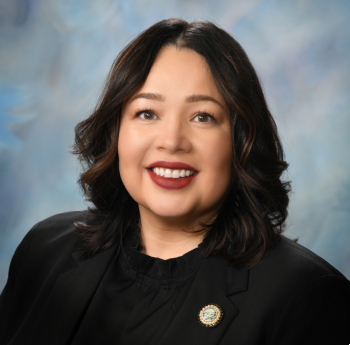
For that district's Senate seat, current District 27 Rep. Peri Pourier is also running as an Independent against Democrat Celestine Stadnick and Republican Anthony Kathol.
Pourier, of Pine Ridge, made headlines last September when she switched her party affiliation from Democrat to Republican. She ran in the Republican primary for Public Utilities Commission but was defeated at the convention in June by Don Haggar.
There has been only one Independent in the Legislature in the 21st century: Jenna Netherton, who was elected to the House of Representatives as an Independent in 2010. She was re-elected as a Republican in 2012 and served as a Republican state senator from 2015 to 2018.
Before Netherton, the most recent Independent to serve in the Legislature was Alfred Burke, who served as a senator from 1965 to 1972.
South Dakota News Watch is an independent nonprofit. Read, subscribe for free and donate at sdnewswatch.org. Contact reporter/Report for America corps member Molly Wetsch: 605-531-7382/molly.wetsch@sdnewswatch.org.