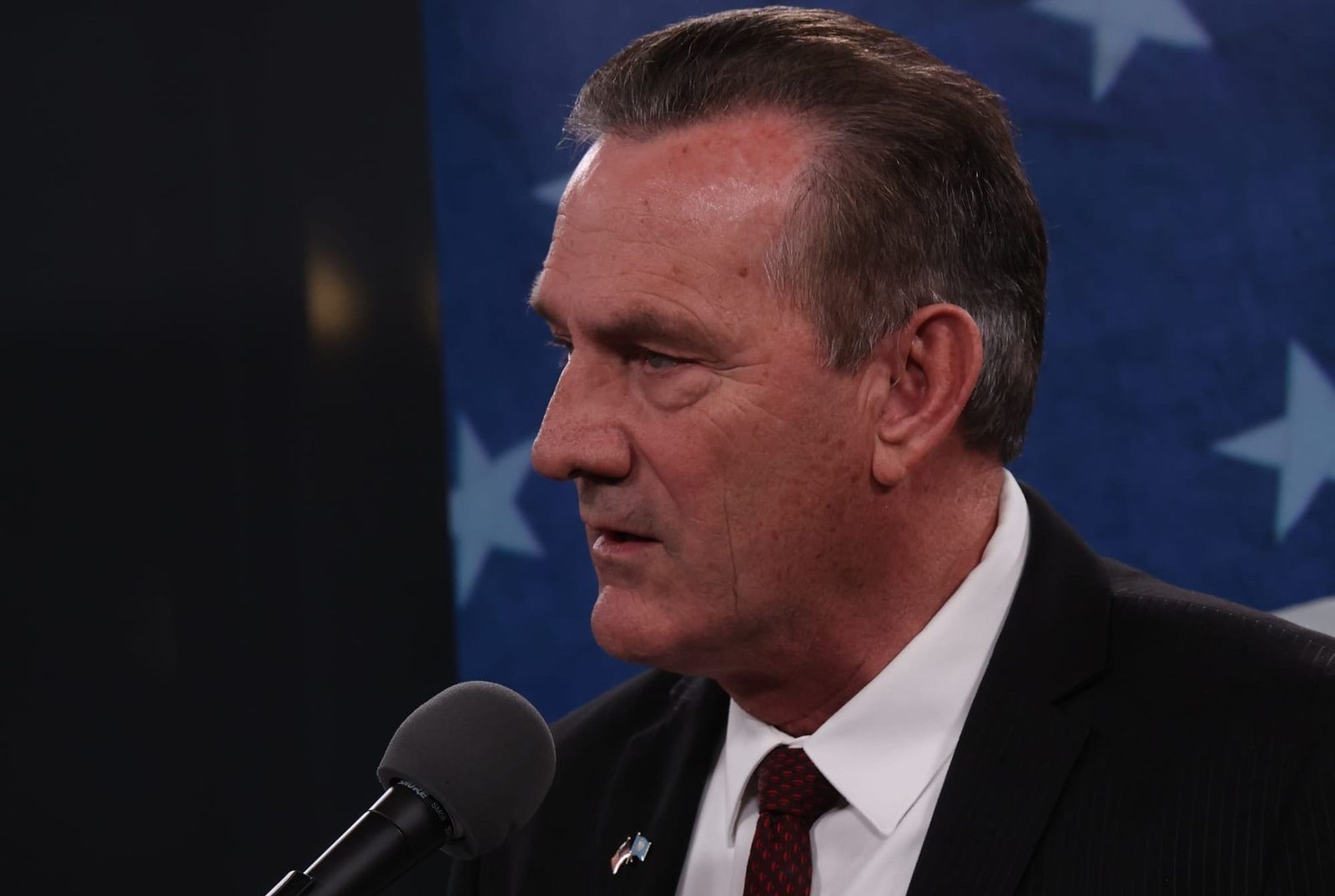
The rancher and welder from Union Center in western South Dakota has served 25 years in state government.

Republican Gov. Larry Rhoden has spent a quarter of a century in state government. Much of that time was as a representative from rural Meade County, largely focusing on issues that he knew well as a rancher and man self-described as "raised on the rugged land of South Dakota."
He ran for U.S. Senate in 2014, losing to Mike Rounds in the GOP primary, but became more well-known statewide when he was chosen as former Gov. Kristi Noem's lieutenant governor and subsequently went on to take her role after she was tapped to join the Department of Homeland Security.
Now, as he seeks to be formally elected to the job he's held since last January, campaign finance records, legislative documents and voting history help to draw a picture of the candidate whose political career is longer than some voters have been alive.
Legislative record
Rhoden was first elected to the South Dakota House of Representatives in 2000 and served there until 2008. His early years in the Legislature – and indeed, much of his career beyond that – were marked by a focus on topics like agriculture, education and taxes.
Interest in those issues certainly tracks with his history. The governor owns a ranch in Union Center, which was his primary source of income throughout his political career, according to candidate financial disclosure records. He also served on the Meade 46-1 school board before running for the Legislature.
Some of his prominent bills are those that have altered property tax procedure in the state, a topic that has remained a key part of the highly contested governor's race.
Get free, fact-based South Dakota news and information in a weekday email. No spam. Cancel any time.
In 2008, while serving as House majority leader, Rhoden brought forth as the prime sponsor House Bills 1005, 1006 and 1120. Those were tax- and education-related bills that changed both agricultural property tax structure as well as the state's contribution to school funding.
HB 1005 bases tax amounts for agricultural land on the income generated off the land rather than the land’s sale value. HB 1006 and HB 1120 were initiatives that reduced local school property tax levies and increased the state's share of K-12 costs.
Speaking in favor of HB 1005, he said that higher land values of agricultural property meant the tax assessments for those properties far outpaced commercial and owner-occupied properties.
Rhoden would spend the rest of his state Legislature career switching between the Senate, where he served from 2008 to 2015, and back to the House, where he again represented District 29 from 2015 until 2019, when he was sworn in as Noem's lieutenant governor.
This year, Rhoden signed two bills authorizing what his office called "the largest property tax cut in South Dakota history," which will be made possible through the use of reserve funds as well as a scheduled return to the statewide sales tax from 4.2% to 4.5% and a half-percent sales tax option for counties.
Former colleague: Priorities remained consistent
Julie Bartling, a former Democratic legislator from Burke who now serves as the Gregory County auditor, worked with Rhoden in the Legislature, including on the 2017 Senate Committee for Agriculture and Natural Resources.
She told News Watch that she thinks Rhoden's priorities have remained relatively consistent throughout his career in Pierre, though some of the mechanisms themselves may have changed.
"I'm quite certain agriculture was his main focus, coming from the ranch and the rural area. Education too, while we were there, that was such a big issue. Education funding, teacher salaries, things of that nature. Those became some really hot-button items, and everybody campaigned on them," Bartling said.
"The focus on education, as I see it, has changed a little bit now that there's a wide segment of private schools, home schools as well as public education. The pendulum is kind of swinging a little bit differently than when he and I first started. But I know those were passions for him."
Bartling also said that much of Rhoden's legislative career was centered around bringing light to rural issues – and that he often had to persuade other legislators of why they were important.
"I'm from a rural area, Larry's area there at Union Center is even more rural," Bartling said. "Sometimes you had to kind of convince what I call the 'urban legislators' to see how important a bill is. Maybe it didn't help Sioux Falls out or didn't help Rapid (City) or Aberdeen, but it really had an impact on what our small rural areas were like."
Campaign finance disclosures show higher dollar amounts, large PAC well
Rhoden has certainly, since the announcement of his candidacy for governor, been launched into a larger stratosphere when it comes to campaign spending.
For most of his state legislative campaigns, Rhoden rarely raised more than a few thousand dollars from individual and political action committee (PAC) donations.
Historic campaign finance records show that a wide variety of in-state PACs supported Rhoden's campaigns for state House and Senate. Some of the most common donors were the Business and Industry PAC, the South Dakota Certified Registered Nurse Anesthetists PAC and the Black Hills Corp. PAC.
Notably, in a 2006 run for state House, Rhoden received donations from out-of-state PACs linked to pharmaceutical companies Pfizer, Johnson and Johnson and Eli Lilly. Other out-of-state donors that year included a PAC linked to railroad company BNSF and WellPac, a PAC for Wellmark Inc.
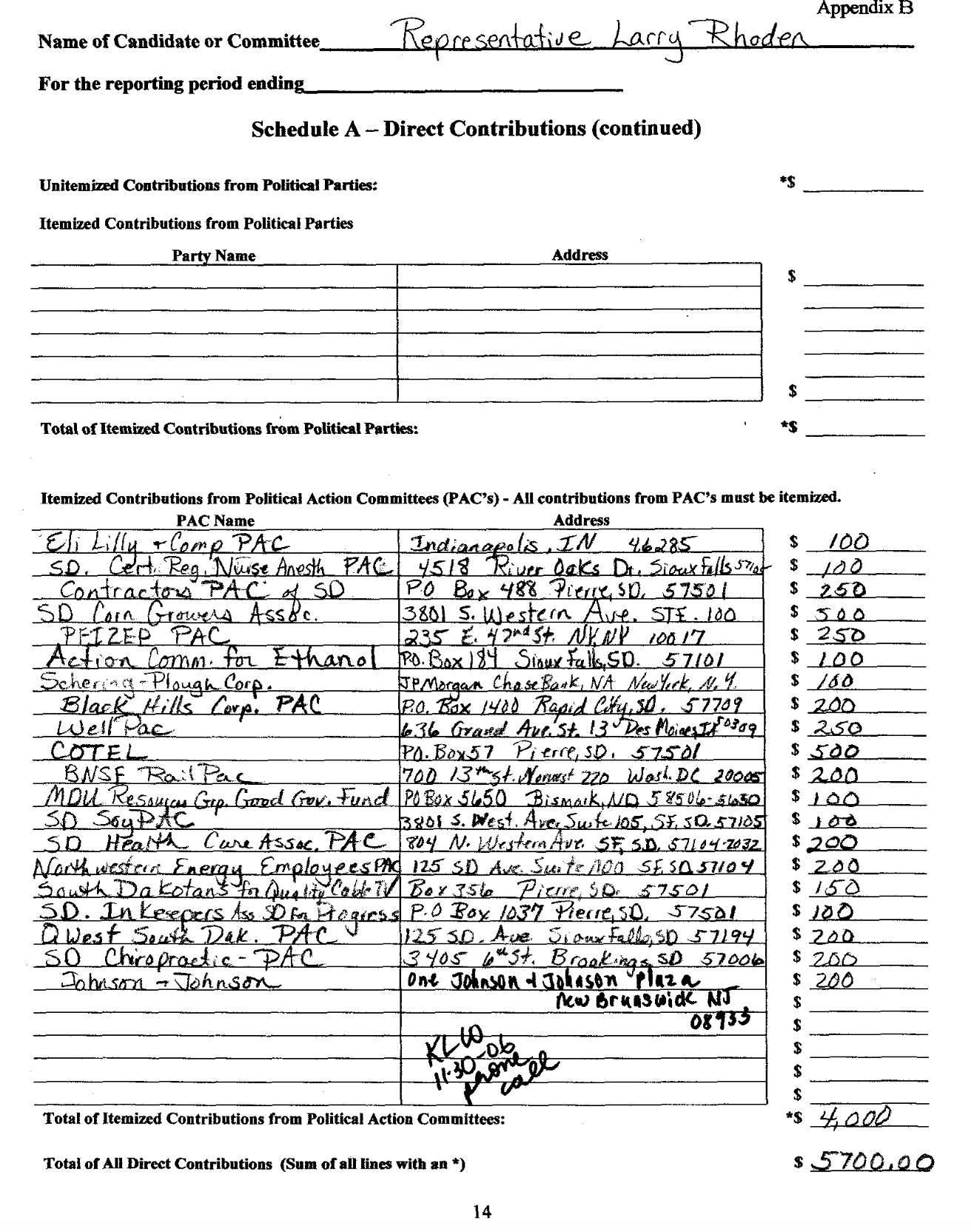
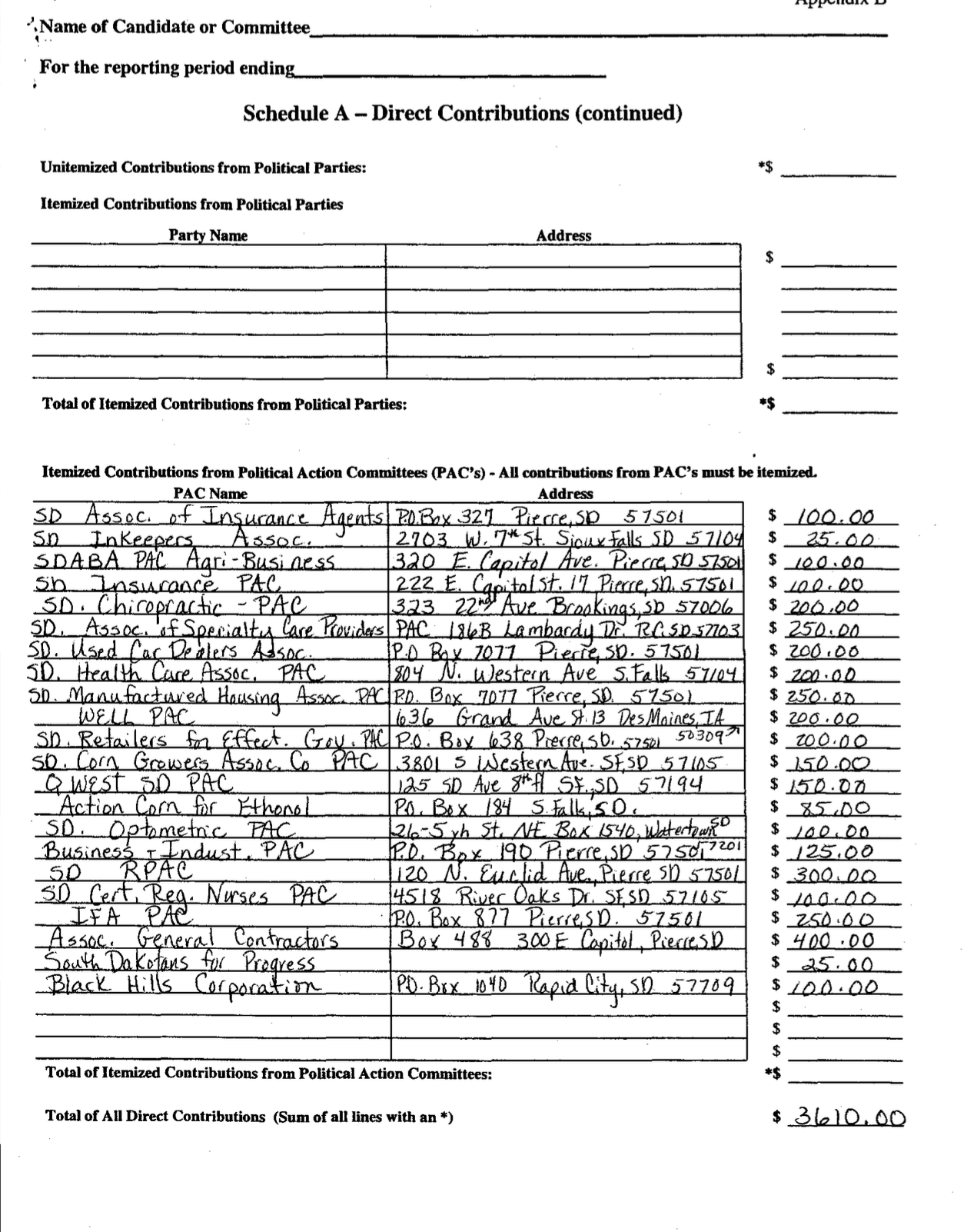
Campaign finance statements from Rhoden's 2006 (left) and 2004 (right) campaigns for South Dakota House of Representatives.
The list of contributing PACs to his gubernatorial campaign, however, is much shorter and the numbers much larger.
Records from the South Dakota Secretary of State's office show the Strong, Safe, and Free PAC, a pro-Rhoden group led by state legislator Mike Derby, has made several donations totaling at least $269,000 to the campaign. The South Dakota Realtors PAC gave $10,000. Those donors and some others make up the hundreds of thousands of dollars brought into his campaign through PAC spending.
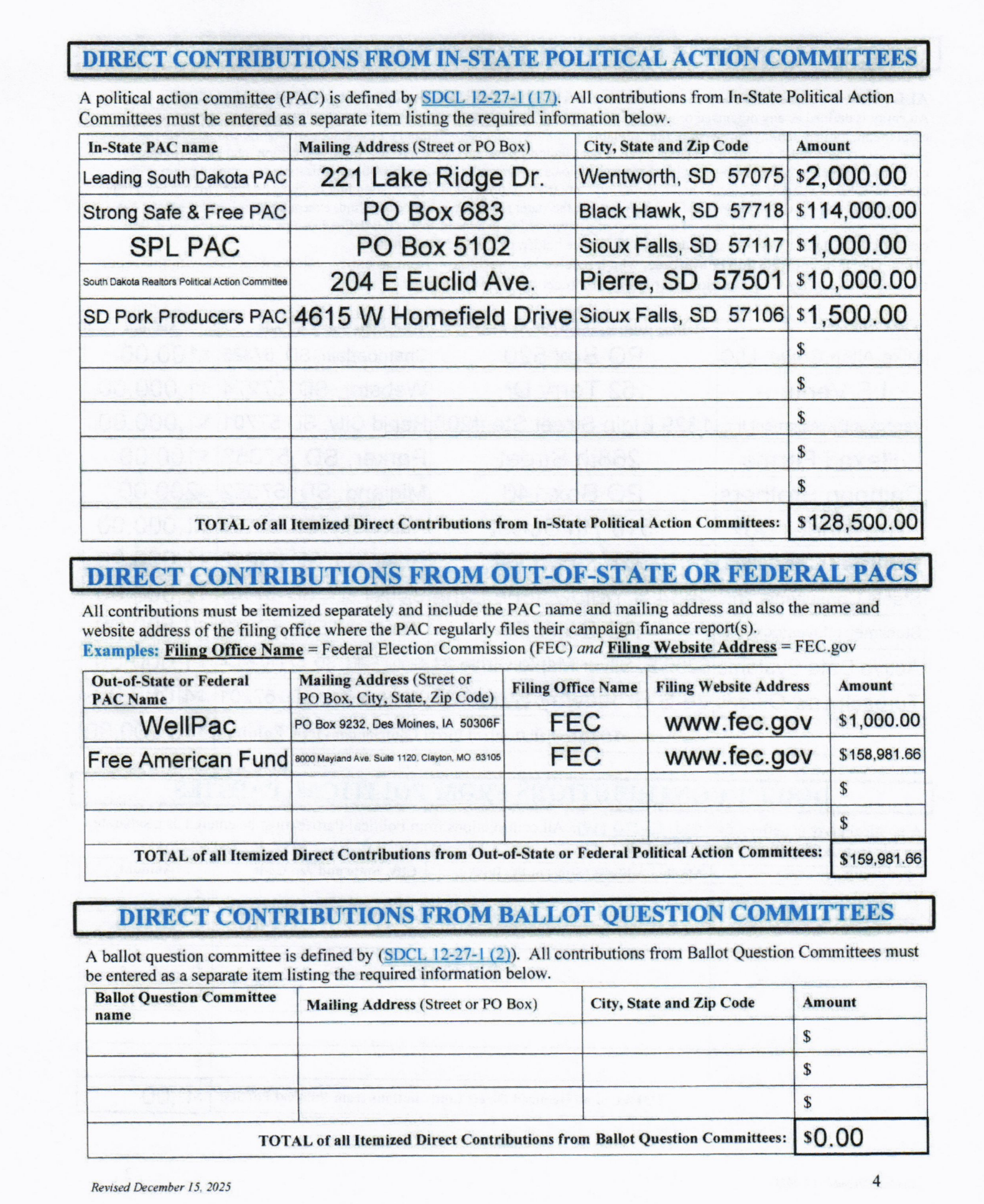
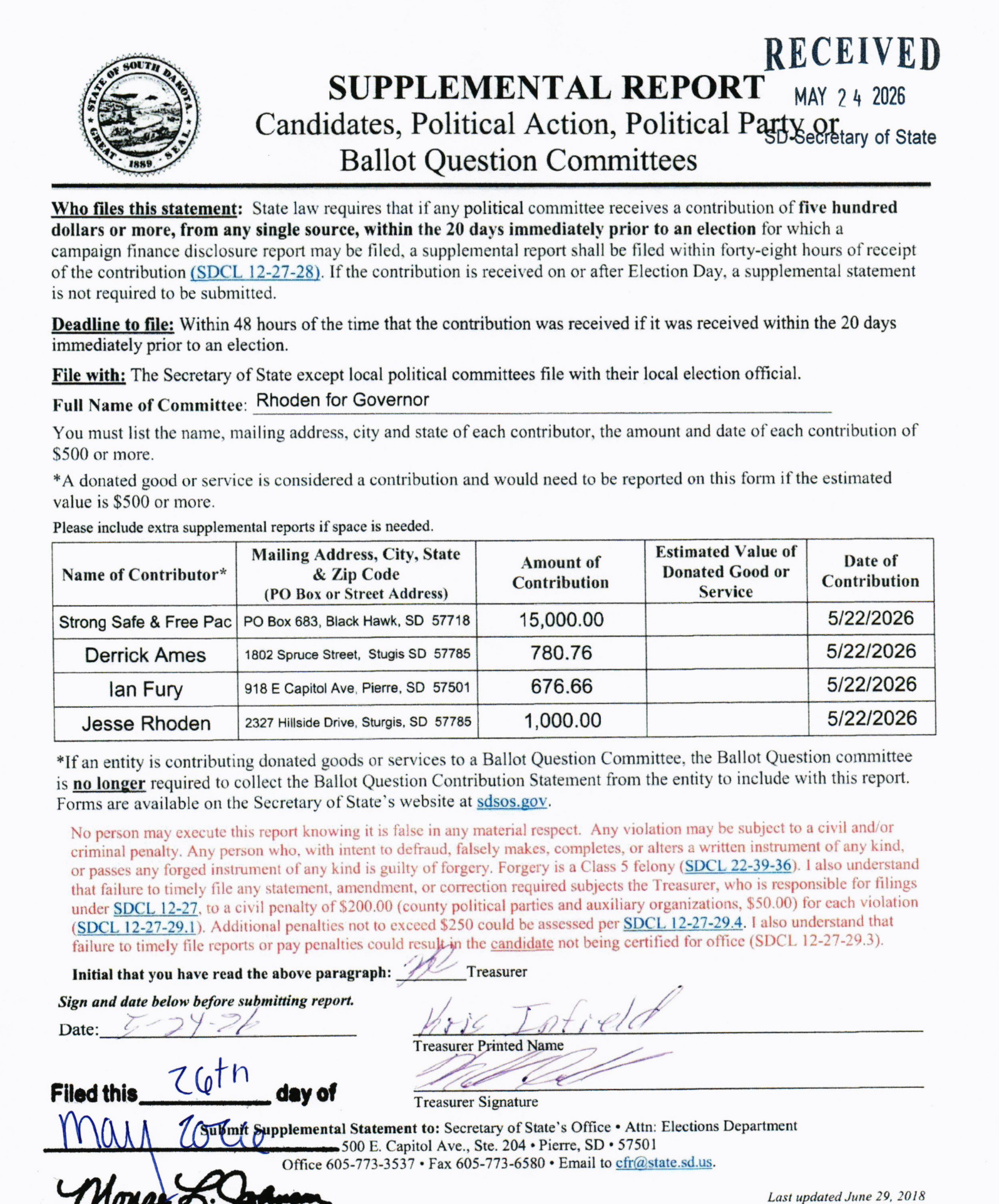
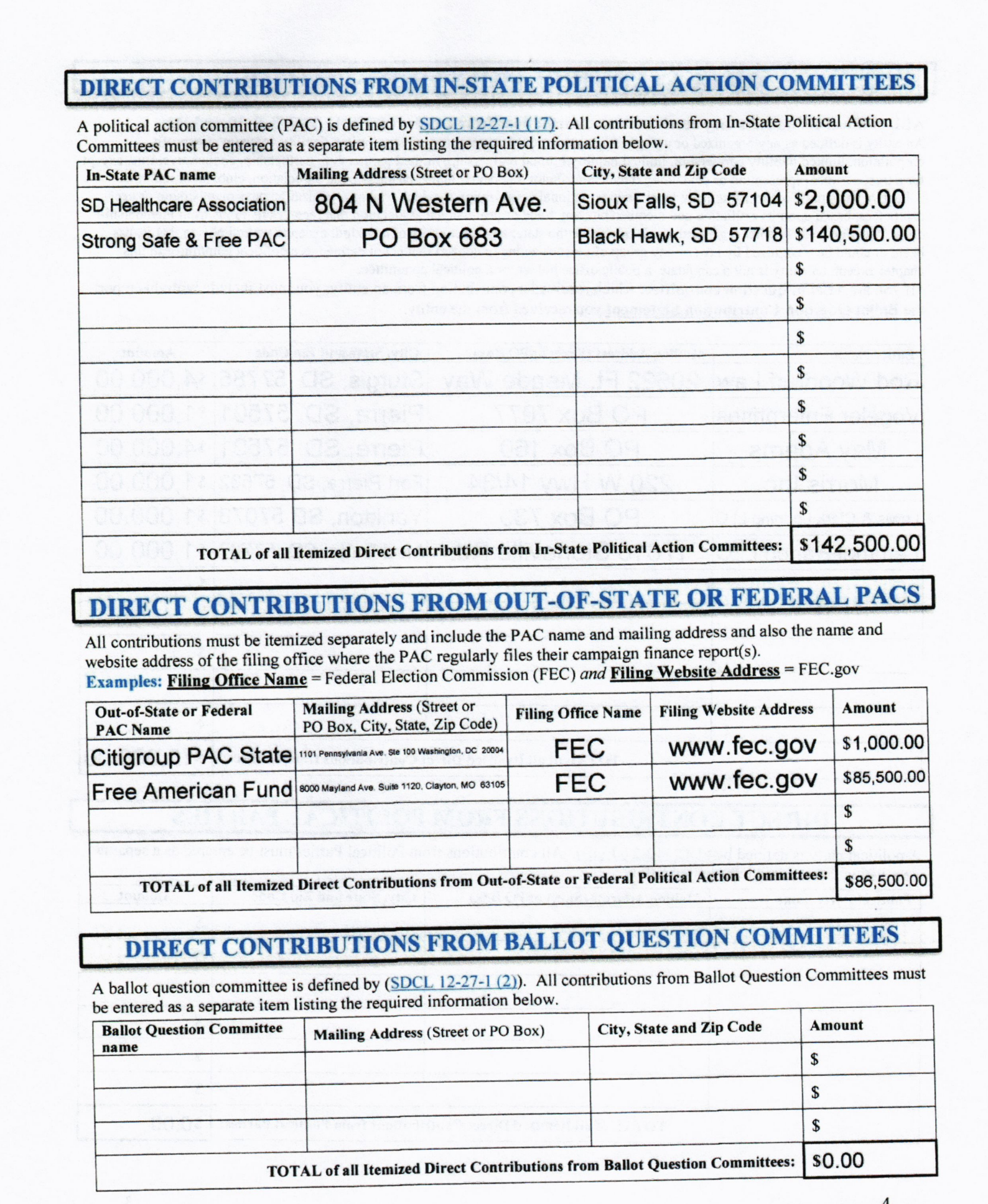
Campaign finance records from Gov. Larry Rhoden's campaign, which illustrate donations from in- and out-of-state political action committees.
The Free American Fund, though, is perhaps the most elusive: Rhoden received a total of more than $244,000 from the PAC and is the only candidate to receive direct funding from the group this year.
Federal Elections Commission data shows that the PAC has previously spent hundreds of thousands of dollars on digital media and advertisements to YAP Atlas Strategies in South Carolina. The PAC also donated $17,950 to Austin Knudsen in 2023, who was then running for attorney general of Montana.
While the PAC is legally a federal committee and is based in Missouri, some of its major recent contributors are South Dakotans. Banker and philanthropist Denny Sanford gave the largest amount to the PAC at $50,000. Beal Distributing, led by Republican state Rep. Arch Beal of Sioux Falls, gave $10,000. Both of those donations were filed in December.
Information about the Free American Fund's political goals is limited, though a website linked to the PAC asks donors to "support conservative leadership."
Ian Fury, Rhoden's campaign manager, told News Watch that "nearly all" of the dollars sent to the PAC are from South Dakota. The group's second-quarter disclosures with the FEC have not yet been filed, so contributor data is only available through March 31. As of that day, Sanford and Beal were the only South Dakotans in the group of five donors, though their contributions make up two-thirds of the donations to the PAC.

Those large donations are one of the primary differences between Rhoden's campaign and his opponent in the July 28 runoff, Toby Doeden.
Doeden, who is a businessman from Aberdeen, has prided himself on being an outsider and self-financing his campaign with more than $4 million in loans, according to his own campaign finance records.
 Molly Wetsch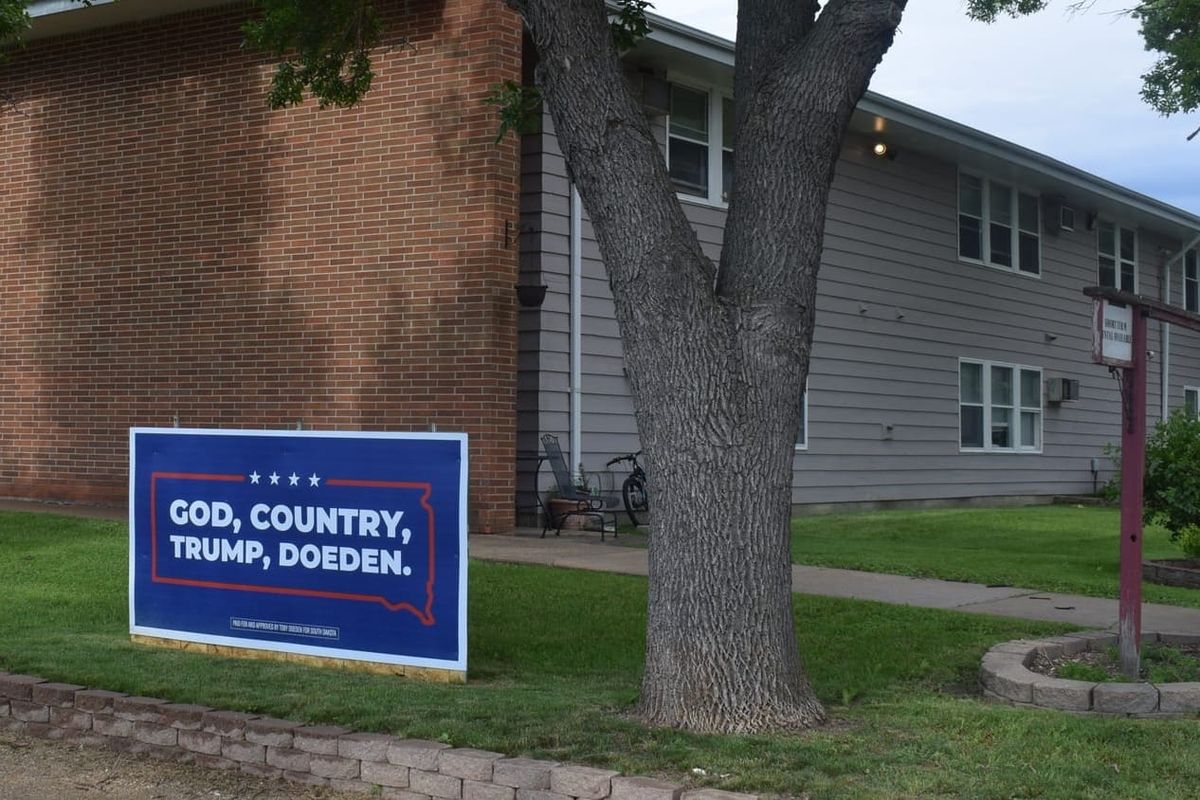
Rhoden has reported raising a total of $571,853 and spending $914,052 in 2026, though that only reflects his disclosure statement filed before the June 2 primary election and not for any pre-runoff financial activity. That brought his campaign total to just over $1 million raised and just under $1 million spent.
Noem's legacy looms
Much of Rhoden's recent political career has centered around Noem, who stepped down as governor in January 2025 to become secretary of the Department of Homeland Security – a position she would hold for just over a year.
Rhoden served as her lieutenant governor from 2018 until 2025, when he took over her job as she left for Washington. Noem's decision about who should serve as her second-in-command, though, didn't necessarily have a backseat driver in mind.
“I would do it a little differently maybe than (former Gov. Dennis) Daugaard and (former Lt. Gov. Matt) Michels have done it,” Noem told South Dakota Public Broadcasting before picking a running mate in 2018. “I don’t see the lieutenant governor filling as big a role as Michels did. I’m just a believer that there are certain decisions the governor has to make, and so maybe it would be more of a traditional role than what we saw in the last administration.”
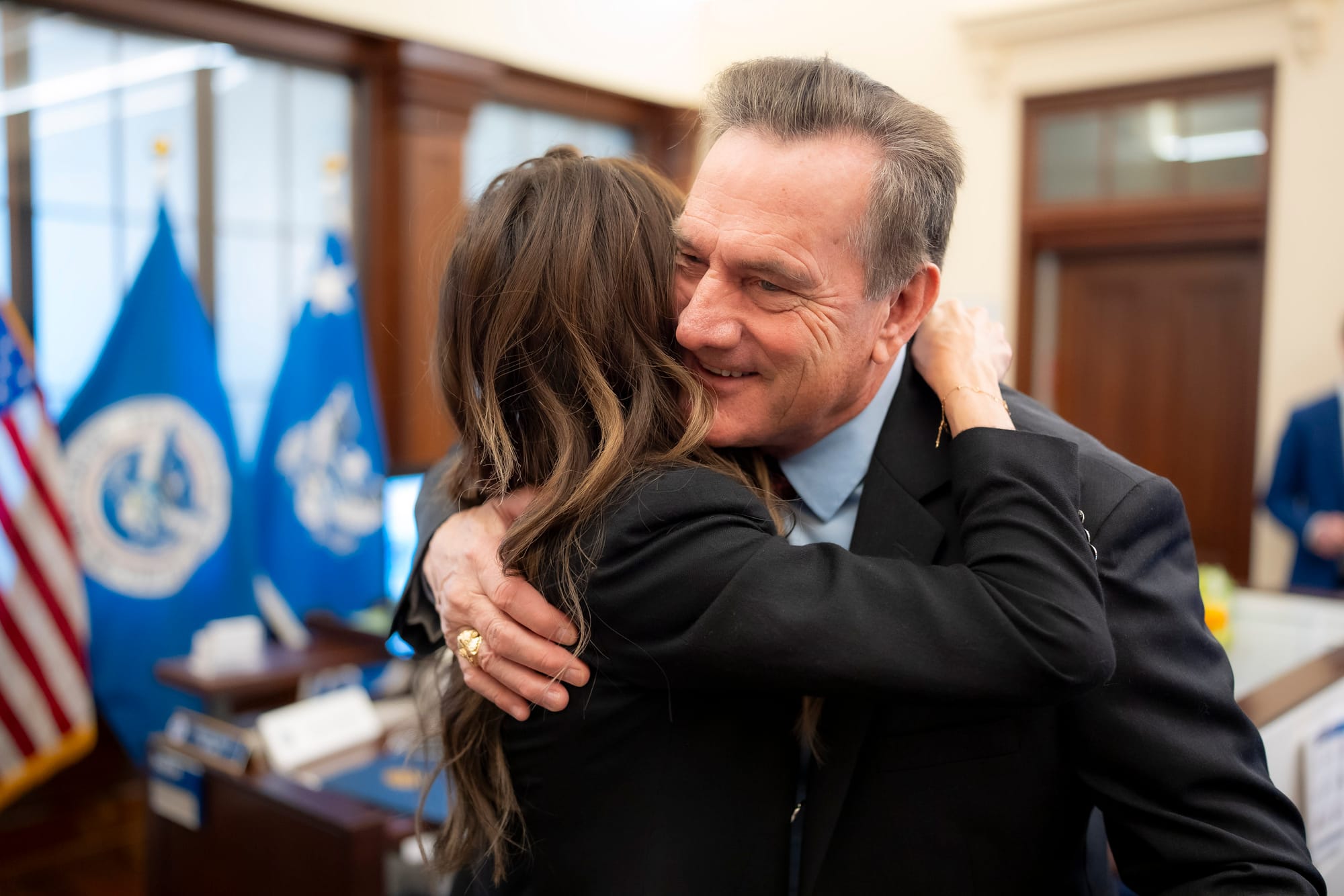
Rhoden has publicly maintained close ties with Noem, though he still lacks an endorsement from the former governor. He told News Watch in May that she was "smart" and frequently cites her leadership in debates and speeches as productive for the state of South Dakota. In an October post on X, he called Noem the "toughest woman I know" and a "friend."
Rhoden and Noem remain good friends, Fury told News Watch, and said that while Noem may not be making a formal endorsement she has offered "encouragement and advice" on the race to Rhoden.
But Rhoden has also distanced himself in some ways from some of the former governor's more controversial history.
In January, tribal leaders and legislators representing reservations told News Watch that Rhoden's leadership had created a shift in the state's relationship with tribal nations. Previously, all nine tribal nations had banned Noem from their lands after she made comments insinuating that cartels were operating on the reservation under the watch of tribal governments.
 Molly Wetsch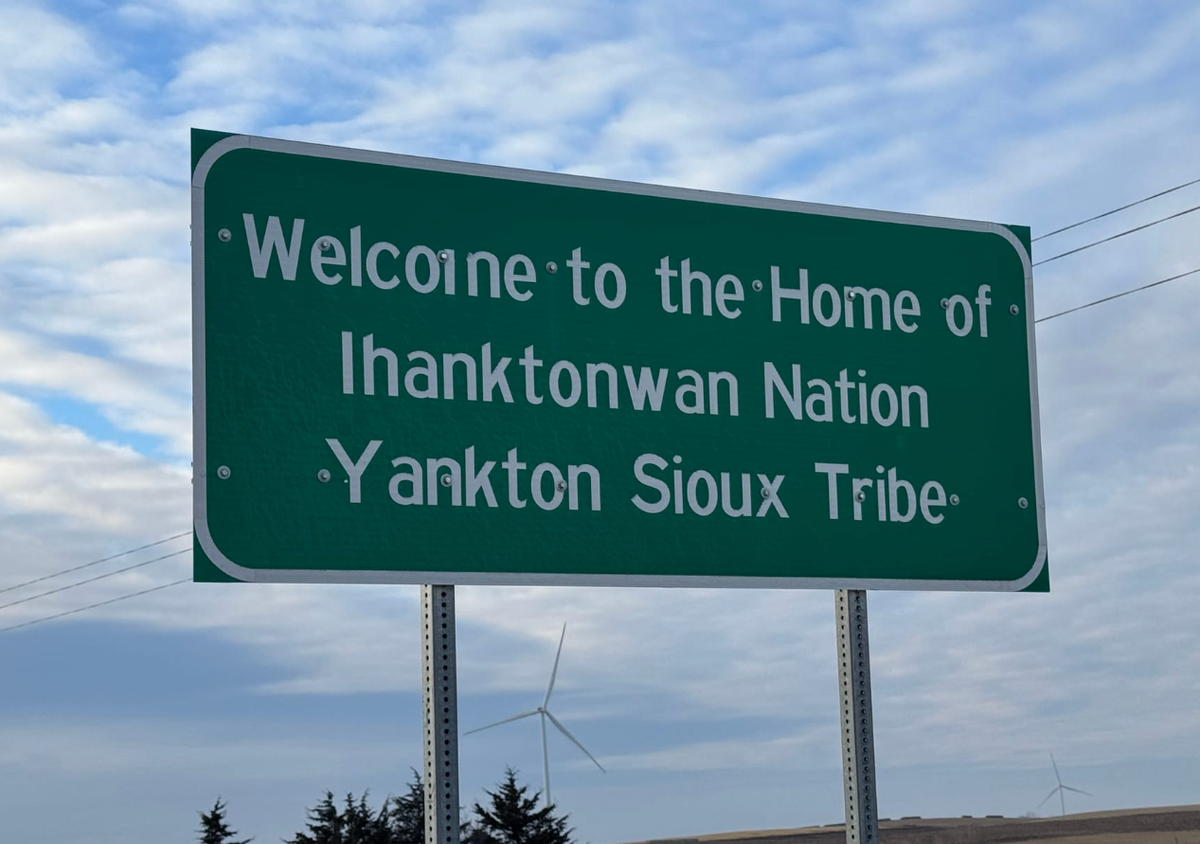
Rhoden has hailed a return to civility as one of his critical campaign promises and said in his inaugural address to the Legislature that it would be a "cornerstone" of his administration.
By all accounts, he has done that.
Now, he's waiting to see if South Dakota Republicans give him the party's support and try to extend his run in Pierre or give a shot to Doeden, who has never been elected to public office. The winner of the July 28 runoff will meet Democrat Dan Ahlers in the Nov. 3 general election.
South Dakota News Watch is an independent nonprofit. Read, subscribe for free and donate at sdnewswatch.org. Contact reporter/Report for America corps member Molly Wetsch: 605-531-7382/molly.wetsch@sdnewswatch.org.