Why the state park is auctioning off more bison than usual following the annual roundup, and how tourists have helped shape the event.

CUSTER STATE PARK, S.D. – While the Custer State Park Buffalo Roundup has grown to draw tens of thousands of visitors and become an emblem of western South Dakota's cowboy heritage, it also serves a much more practical purpose – particularly important this year, thanks to adverse environmental conditions that have affected the entire region.
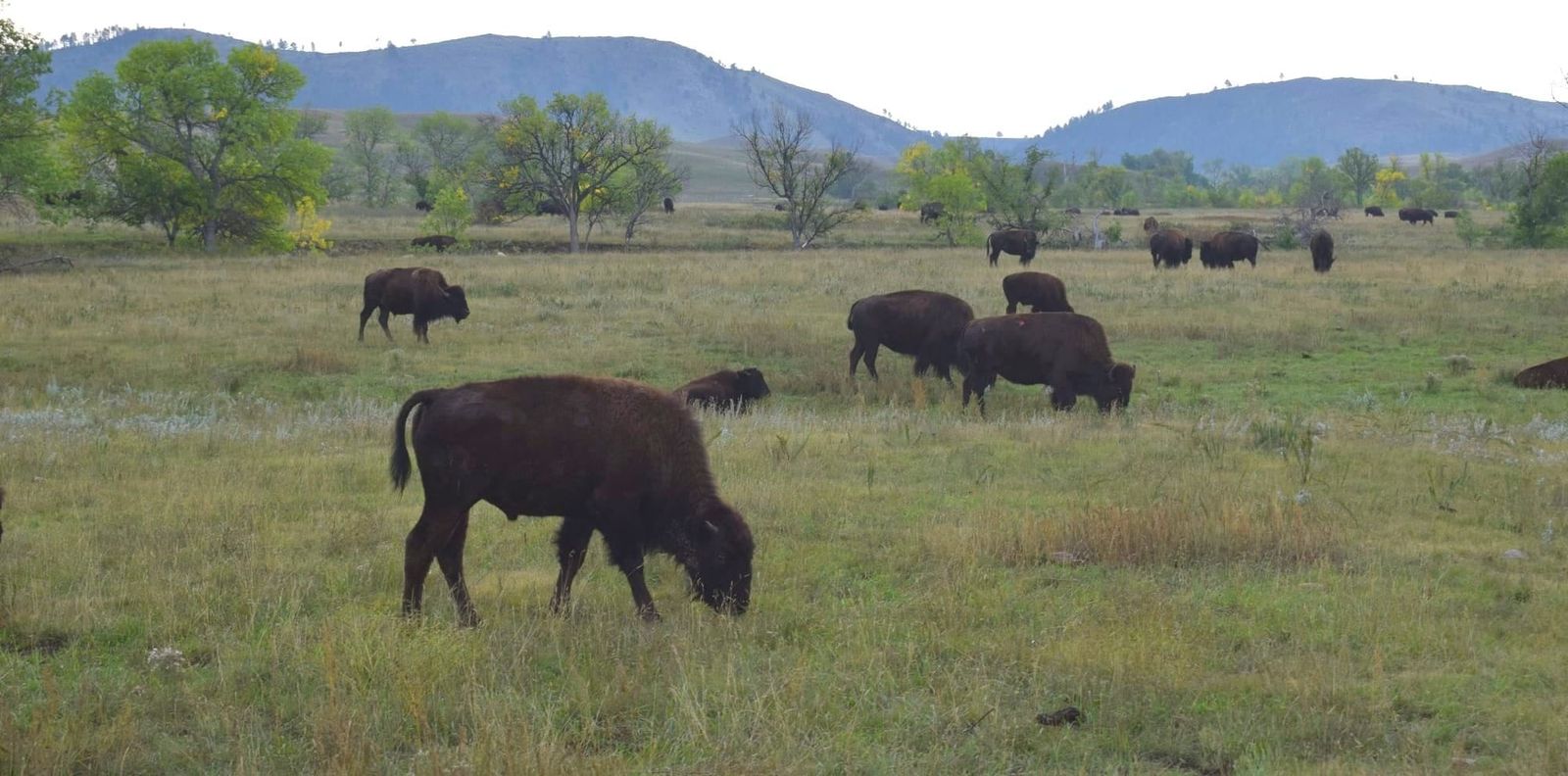
The park's 1,500 bison are corralled every September to receive health checks, vaccinations and to be considered for sale. Winter conditions in the park can only support a limited number of animals, so the herd must be culled before the season comes.
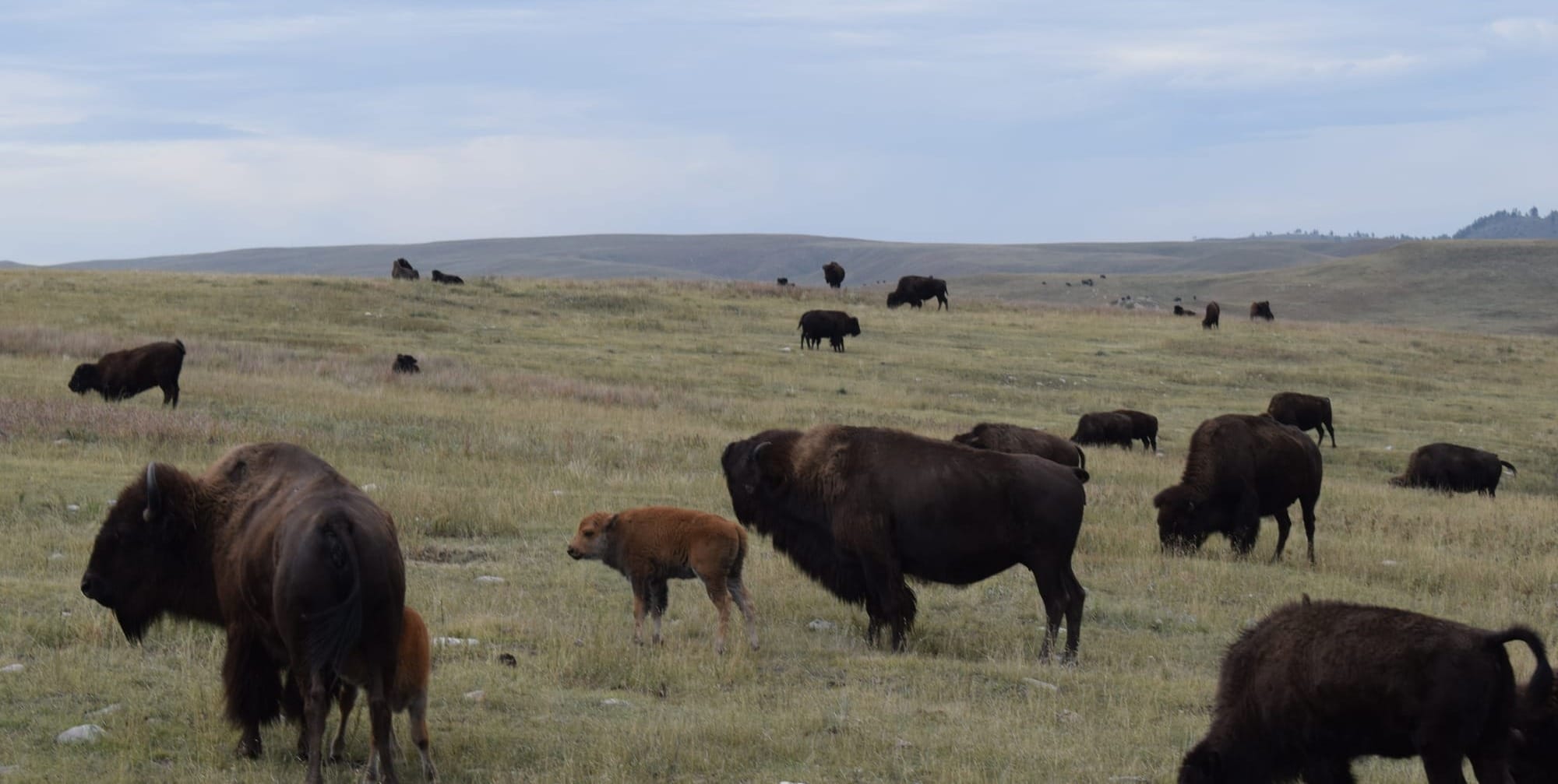
This year, more people than usual could be heading home with an animal from the park as an estimated 612 bison will be auctioned off this year, due to longstanding drought conditions in the Black Hills. Last year, 435 bison left the park during the November auction.
 Molly Wetsch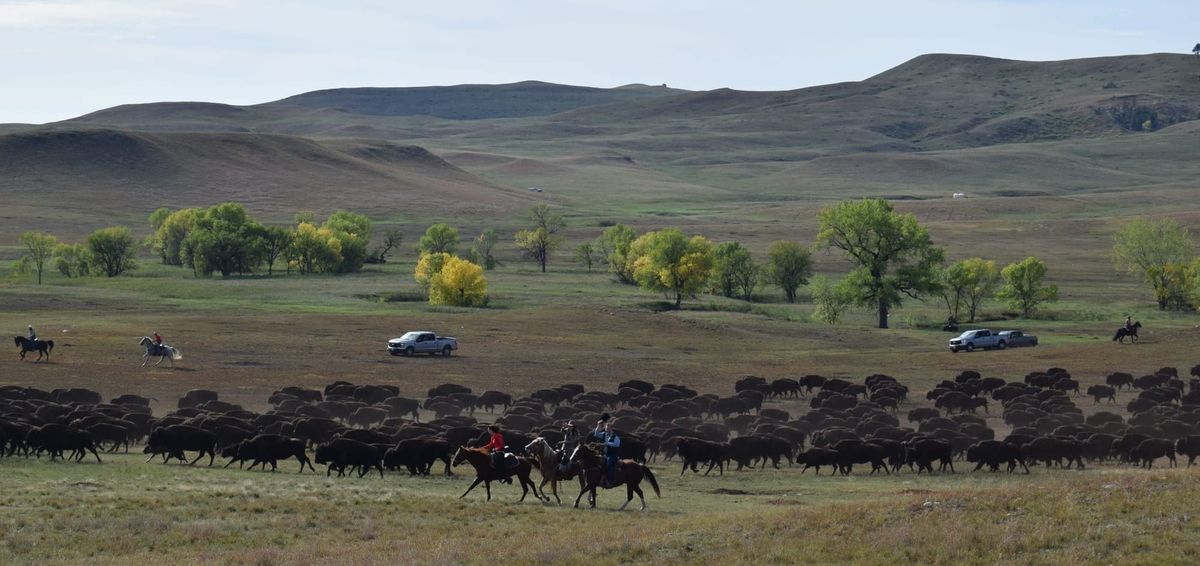
Larger auction numbers indicate environment conditions
Lydia Austin, visitor services supervisor for Custer State Park, said that the number of bison the park keeps for the winter depends largely on the amount of grass available, which is largely tied to rainfall.
"The grasslands can only handle so much forage on them between the bison, elk, pronghorn, prairie dogs, all of that," she said. "On average, we can handle about 900 animals over the winter. We have increased that the last couple years. We've had some good years. This year with the drought, we're going to actually reduce our animals back down to 900."
According to the U.S. Drought Monitor, Custer County is currently experiencing severe drought conditions.
 Bart Pfankuch
Lilly DeLange, a forester with the park, said that range ecologists predict the amount of foraging material the park will have for bison and calculate auction numbers based on those estimates. This year, she said, the area was so dry that park officials considered alternative methods to ensure the herd stayed fed. Late-season precipitation proved a relief, though.
"We were on the edge of maybe doing a summer sale because it was so bad for a little bit this spring. Nothing was green, there was no grass, bison were in places that they wouldn't typically be in the park looking for grass. And we were like, 'Dang, if things don't get better, we're gonna have to do this in the summer, get rid of some animals.' But it ended up we got enough moisture to get by until the auction," DeLange said.
Those 600 bison will go to buyers all over the country, thanks in part to modern improvements the park has made to its auction process.
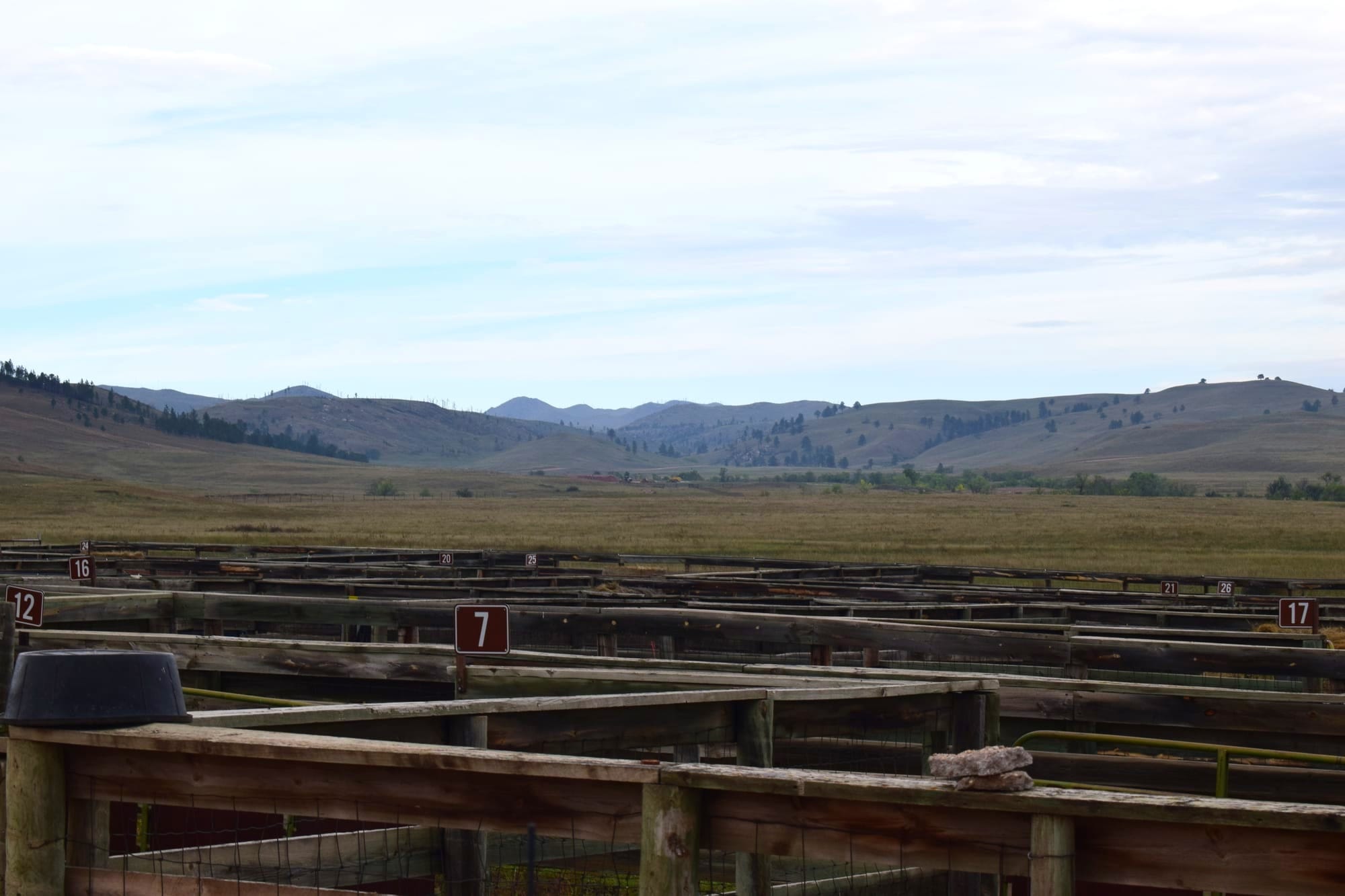
Bidders used to sit in bleachers at the bison corral for hours in the early-November cold for the chance to purchase an animal. They can now access the entire auction via livestream – an improvement that began about a decade ago. Park superintendent Matt Snyder said that the virtual auction has improved operations for both buyers and park staff.
"It went from basically an all-day affair to about an hour and a half," Snyder said. "Just that online capability of somebody sitting in Michigan, basically being able to bid on animals and buy animals is pretty successful. And it's less stress on the animal as well."
In 2024 – the most recent data published by South Dakota Game, Fish and Parks – buyers came from as far as Tennessee and Texas. And 482 bison yielded $885,425 in sales for the park.
Nearby town sees tourist influx thanks to roundup
The town of Custer, which sits just outside of the park, has embraced the bison and the roundup as part of its core identity. Bison sculptures painted in different themes dot Main Street. Stores like the Fluffy Cow Outlet – a common nickname for the animals – sell bison-themed merchandise to tourists.
The Friday when the roundup comes to town is often one of the busiest days of the year for local businesses and marks the official end of tourism season.
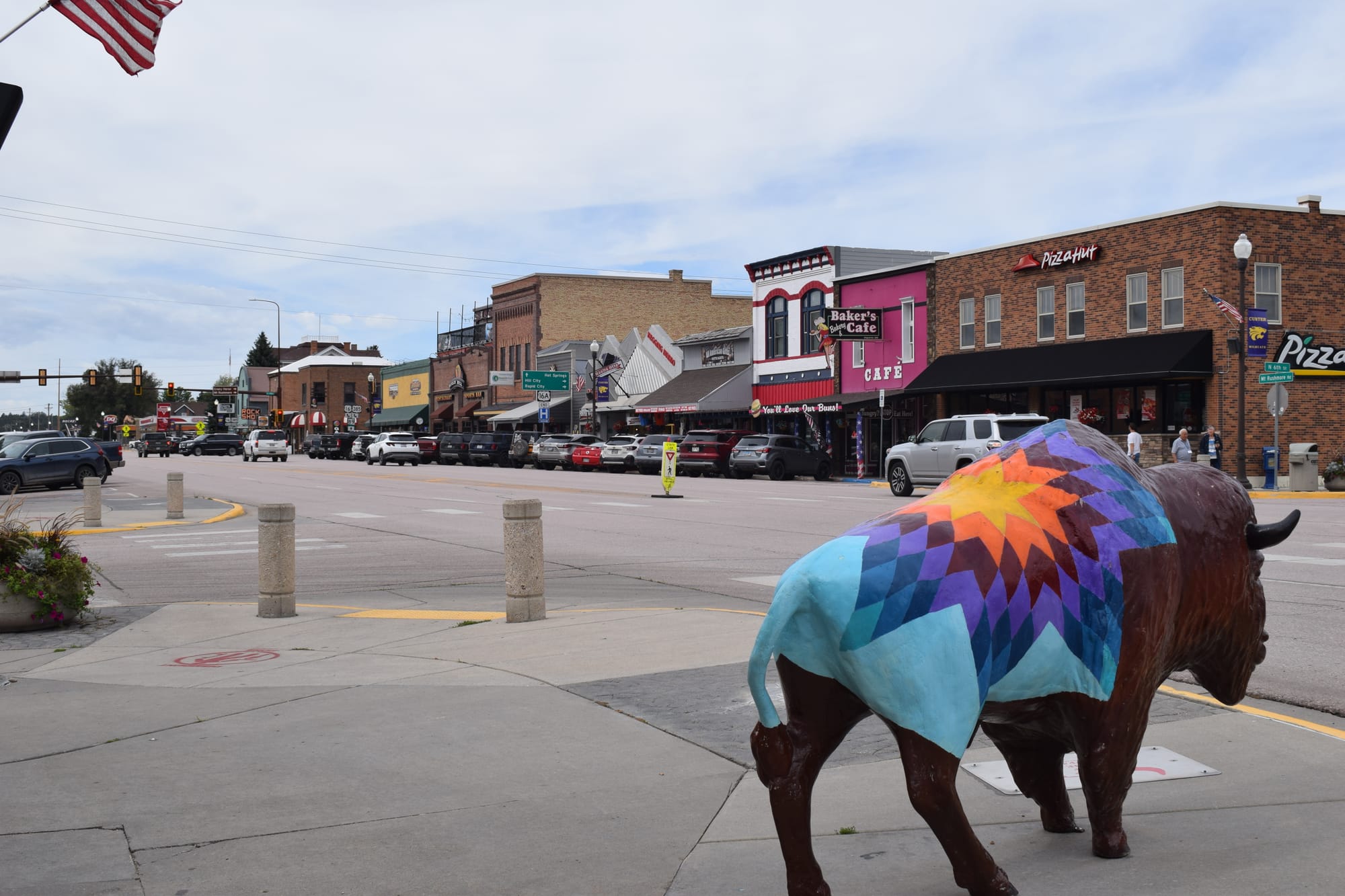
Dawn Murray, executive director of the Custer Chamber of Commerce, told News Watch that the town's relationship to the park has proven a large benefit – especially as visitation to the park reaches its highest levels. In recent years, she said, Custer, which once served as mostly a haven for tourists, has been able to win back important amenities for locals, like clothing and grocery stores.
"There was a time where you couldn't buy your kid underwear or socks in Custer," Murray said. "We're getting back to where everything is accessible in town again. COVID had a lot to do with some of the stuff that they're doing in the park. They saw a huge increase since 2020, and they are continuing to increase or staying flat from that point. So it's more people are aware of the outdoor activities there are to see and do in our area."
The park experienced record-high tourism numbers in 2020, drawing more than 2.4 million visitors.
Murray, who has been with the Chamber for a decade, said that visitor numbers for the town seem to be up this year as the area saw a steadily busy summer trend that continued into the late season and September – considered the beginning of "shoulder season."
"Our downtown has been so busy this whole summer that it's just really hard to say if it's busier (than usual) or not. We were really busy in February and March, and then April was normal, May was normal, June was a little up," Murray said.
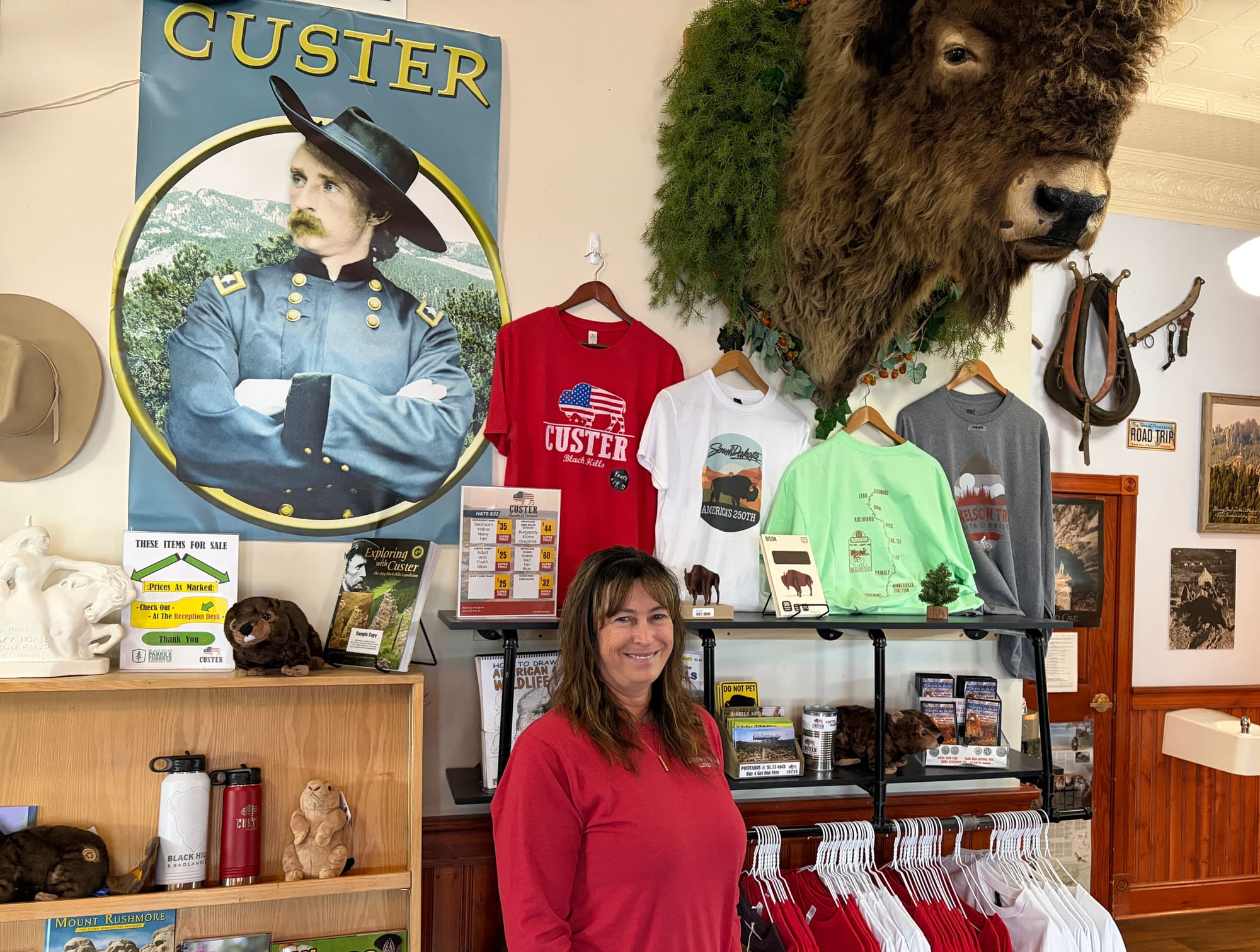
She does have concerns, though, about ongoing economic pressures causing lower visitor numbers in the future. But Murray said that most of the changes she has seen so far are in the demographics of tourists coming to town rather than numbers.
"Next year might be less people coming if the economy stays the way it is," Murray said. "We've been talking a lot about that, that we are seeing less people with little kids traveling."
Get free, fact-based South Dakota news and information in a weekday email. No spam. Cancel any time.
And though some international tourism in the state is down as Canadians are less likely to visit the U.S. for the second year in a row, Murray said that Custer has seen reassuring upticks in the number of foreign tourists coming to town.
"We saw a lot more buses with foreign travelers this year than we have in a while, basically since COVID," Murray said. "We get a lot of people from Japan and China. So we saw a lot more of them, we had a whole bus from Denmark one time, and some people from Germany."
The event has burgeoned into a three-day affair, with more than 100 artists selling their wares, live music and 24,000 guests packing into the prairie to witness 60 men and women on horseback corral the largest land mammals on the continent. The roundup would still take place even if no one came, park officials say, but there doesn't seem to be a plan to slow down the crowds any time soon.
"Ten years ago, the roundup was probably about 14 (thousand) or 15,000 (guests). Now we're up to that 24,000," Austin said. "It's a South Dakota tradition. This is why people come out here. It's a bucket list and the community has capitalized on it."
South Dakota News Watch is an independent nonprofit. Read, subscribe for free and donate at sdnewswatch.org. Contact reporter/Report for America corps member Molly Wetsch: 605-531-7382/molly.wetsch@sdnewswatch.org.