Title: Content Director
Contact: 605-937-9398 / bart.pfankuch@sdnewswatch.org
Language spoken: English
Demographic expertise: South Dakota, including the Rapid City area, the Black Hills, rural towns and reservations
Topic expertise: agriculture, state government, education, rural issues, Indigenous people, poverty
Potential conflict of interest: Pfankuch serves on the board of the Oyate Prevention Coalition in Rapid City, which works to prevent substance abuse among Native American youth. He will recuse himself from reporting on the organization.
Biography: Pfankuch (pronounced FAN-cook) is Wisconsin native and former editor of the Rapid City Journal. He has worked for more than 30 years as a reporter and editor at newspapers in Wisconsin, Florida and South Dakota, including as reporter or editor at the Eau Claire Leader-Telegram and Capital Times in Wisconsin, and at the Florida Times-Union and Sarasota Herald-Tribune in Florida. He also is a syndicated writing coach who has presented at newspaper conferences across the country. Pfankuch has won more than four dozen state, regional and national journalism awards, including, while at News Watch, agricultural writer of the year from the North American Agricultural Journalists association in 2020, 2021 and 2023 as well as first-place reporting awards in the Great Plains Journalism Awards sponsored by the Tulsa Press Club and South Dakota NewsMedia Association. Pfankuch lives in Black Hawk.
Professional memberships: Investigative Reporters and Editors, North American Agricultural Journalists, South Dakota NewsMedia Association First Amendment Committee
Archive of work: South Dakota News Watch
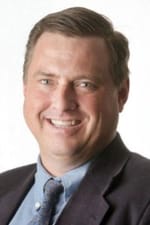
Bart Pfankuch
Total 352 Posts
Donations to South Dakota News Watch doubled from Nov. 1 to Dec. 31, 2021
If you are in favor of a well-informed citizenry, accountability of government and a better life for all South Dakotans, there’s never been a better time to donate to South Dakota News Watch.
From Nov. 1 through Dec. 31, donors can double the impact of their gift to News
Rising prices for meat and other groceries placing financial burden on South Dakota families
Rising food prices have added another financial burden on South Dakota families already facing increased costs for essential goods and services during the pandemic and amid a recent spike in inflation.
During the COVID-19 pandemic, the average price of food bought for home consumption has risen at double the typical
Investigation part 1: Questions arise over COVID grants received by state senator’s son
UNION CENTER, S.D. – The son of a South Dakota state senator received more than $1 million in COVID relief funding for a business he says is located in Union Center but which public records and other data indicate actually operates in Texas.
Chris Cammack, son of Senate Majority Leader
Investigation Part 2: South Dakota outsourced management and auditing of COVID relief grants
The state Bureau of Finance and Management is not conducting its own auditing of individual grant applications or grants awarded under the Coronavirus Relief Fund, according to Colin Keeler, director of financial systems in the department.
The state hired an independent firm to manage both the application and award process
Labor shortage and COVID-19 costs causing crisis in South Dakota's long-term care industry
Finding a safe, affordable and accessible nursing home or assisted-living center for sick or elderly South Dakotans has become more difficult in recent years but is getting harder than ever due to a shortage of facility workers and financial losses suffered amid the COVID-19 pandemic.
The labor shortage affecting businesses
South Dakota News Watch wins Community Spirit Award from Sioux Falls Area Community Foundation
South Dakota News Watch has been chosen to receive the 2021 Community Spirit Award from the Sioux Falls Area Community Foundation, which cited News Watch for its “impact in the lives of those it serves and in the community we call home.”
The annual award recognizes a non-profit organization that
Political partisanship and GOP messaging driving vaccine hesitancy in South Dakota
Even as COVID-19 infections and deaths are rising once again in South Dakota, resistance to getting vaccinated remains entrenched among some state residents, and the political divide over whether to get vaccinated shows no signs of narrowing.
Two new sets of polling data on vaccine-hesitancy rates and reasons have raised