
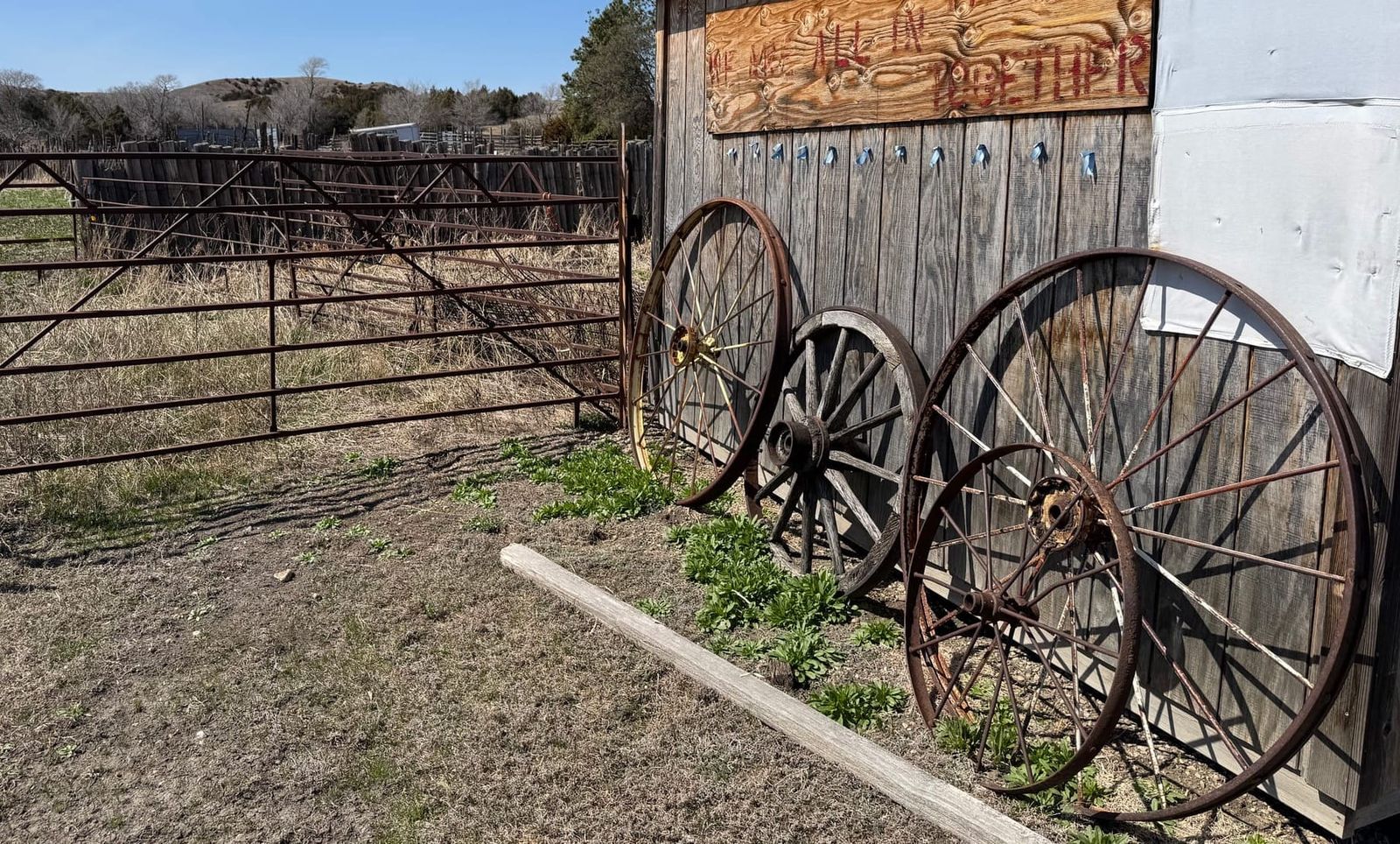

LOWER BRULE, S.D. – In his dual roles as a cattle rancher and chairman of the Lower Brule Sioux Tribe, Boyd Gourneau was hopeful that a new federal program would help fulfill the dreams of tribal members who wanted to gain the knowledge and land needed to start farming.
A secondary goal for Gourneau was that the roughly $2 million available under the U.S. Department of Agriculture initiative would enable new producers to generate enough vegetables or meat to make a living and provide locally grown foods for the school system on the Lower Brule Indian Reservation, an enclave of 1,700 Native Americans located on the west bank of the Missouri River in central South Dakota.
“We were pursuing this to handle it tribally and create a revolving fund to aid in land purchases,” Gourneau said. “I don’t think new farmers here can make it on their own unless they hit the lottery or something.”
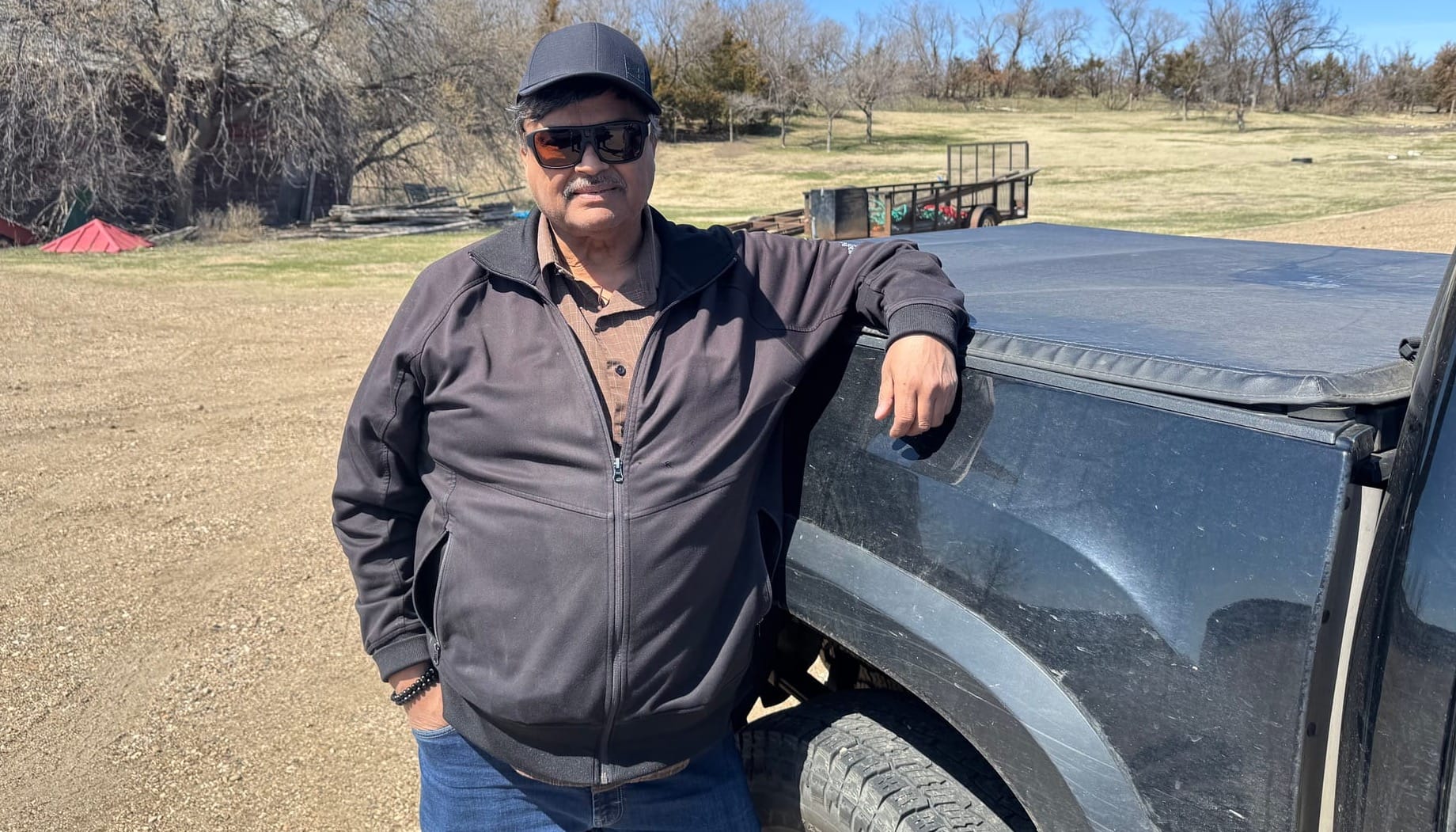
But Gourneau’s vision — and the hopes of many other prospective farmers — were dashed in late March when the USDA announced it was terminating the Increasing Land, Capital and Market Access program that would have provided $300 million to 49 local nonprofits and agricultural groups across the country to help new and minority farmers break into the field.
The program was launched by the Biden administration in 2022 as part of the Inflation Reduction Act and aimed to provide funding, technical assistance and market knowledge to new farmers, including those who have historically faced barriers to lending and land, namely Black farmers in the South and Indigenous farmers in the North and West.
In federal documents and in an email to News Watch, USDA officials said the program was rife with misspending, had not achieved its goals and did not fit into the Trump administration’s efforts to eliminate programs developed around diversity, equity and inclusion.

Sign up for our free, daily newsletter, delivered to your inbox.
Regardless of the reasons, Gourneau said cutting the land access program will set back the efforts of Native farmers and ranchers to overcome barriers to becoming productive and self-sufficient.
“It’s tough enough for the folks off the reservation to get into the business right now, and it’s much harder for tribal members,” said Gourneau, who runs a 200-head cow-calf operation in partnership with his brother. “They’ve got so many roadblocks in front of them, and now they’re losing their chance at the livelihood they were pursuing.”
Program offered help to young farmers
Gourneau said prospective new farmers – Natives and non-Natives – are finding it difficult to get capital to buy or rent land, an expense that has risen dramatically in recent years in South Dakota and across the country.
Other than those from multi-generational farm families with established equity and land, it is hard for anyone to enter the agricultural field at this time, he said. Learning the ropes of profitable farming amid an increasingly complex lending and market system is also a challenge, Gourneau said.
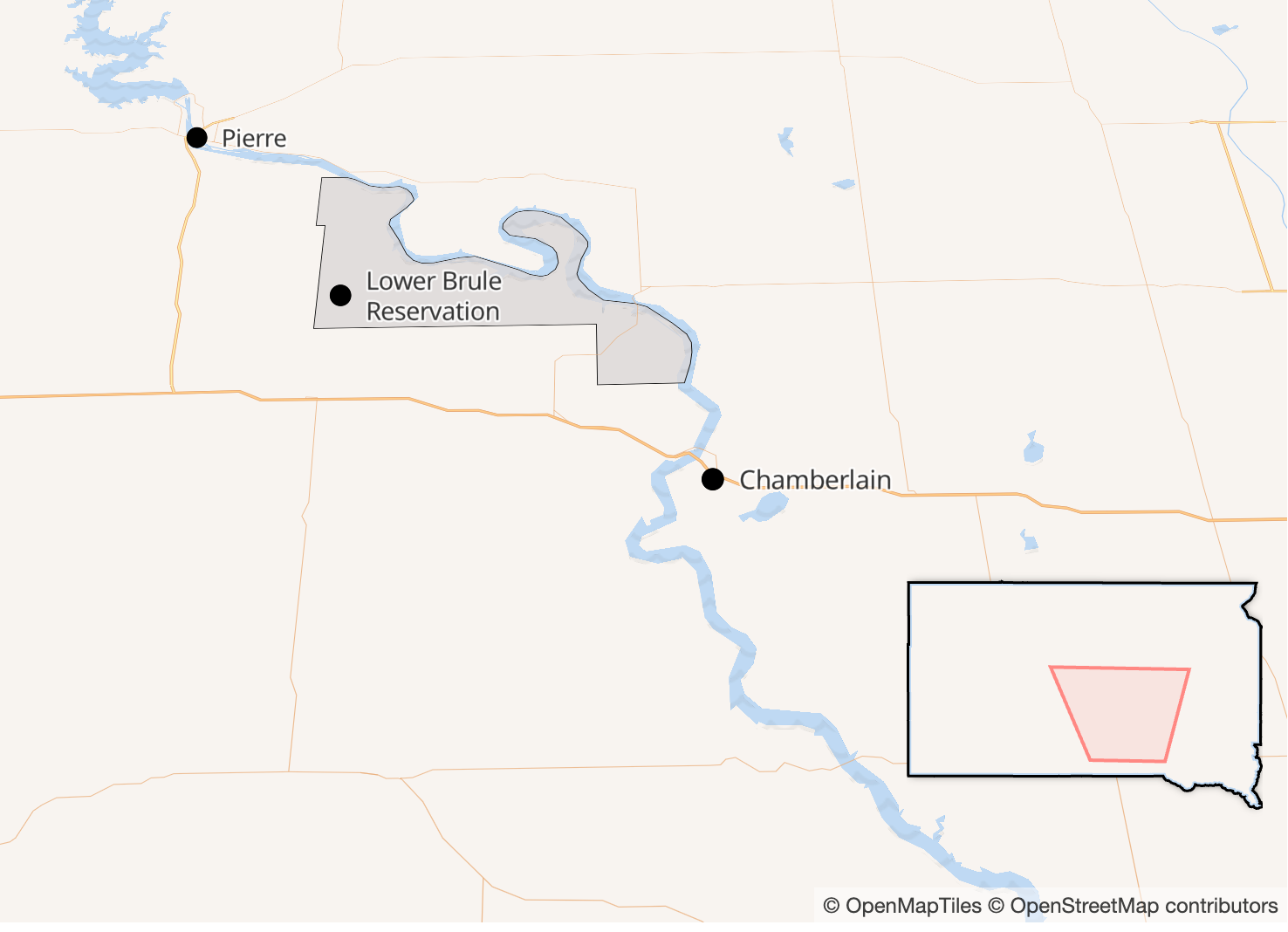
In addition to the Lower Brule program, two other cancelled programs affected South Dakotans, including through the Four Bands Community Fund in Eagle Butte and the Piikanii Lodge Health Institute in Browning, Montana.
The program was the only federal effort aimed specifically at providing financial and technical assistance to young and minority farmers in America, said Amanda Koehler, who runs the Land, Capital and Market Access Network, an independent group created to help farmers get access to federal funding.
“It was designed to address the compounding barriers that young and other first-generation producers face,” Koehler told News Watch in an interview. “It’s the only program that has been designed that way and has been the most meaningful and effective program at addressing those barriers.”
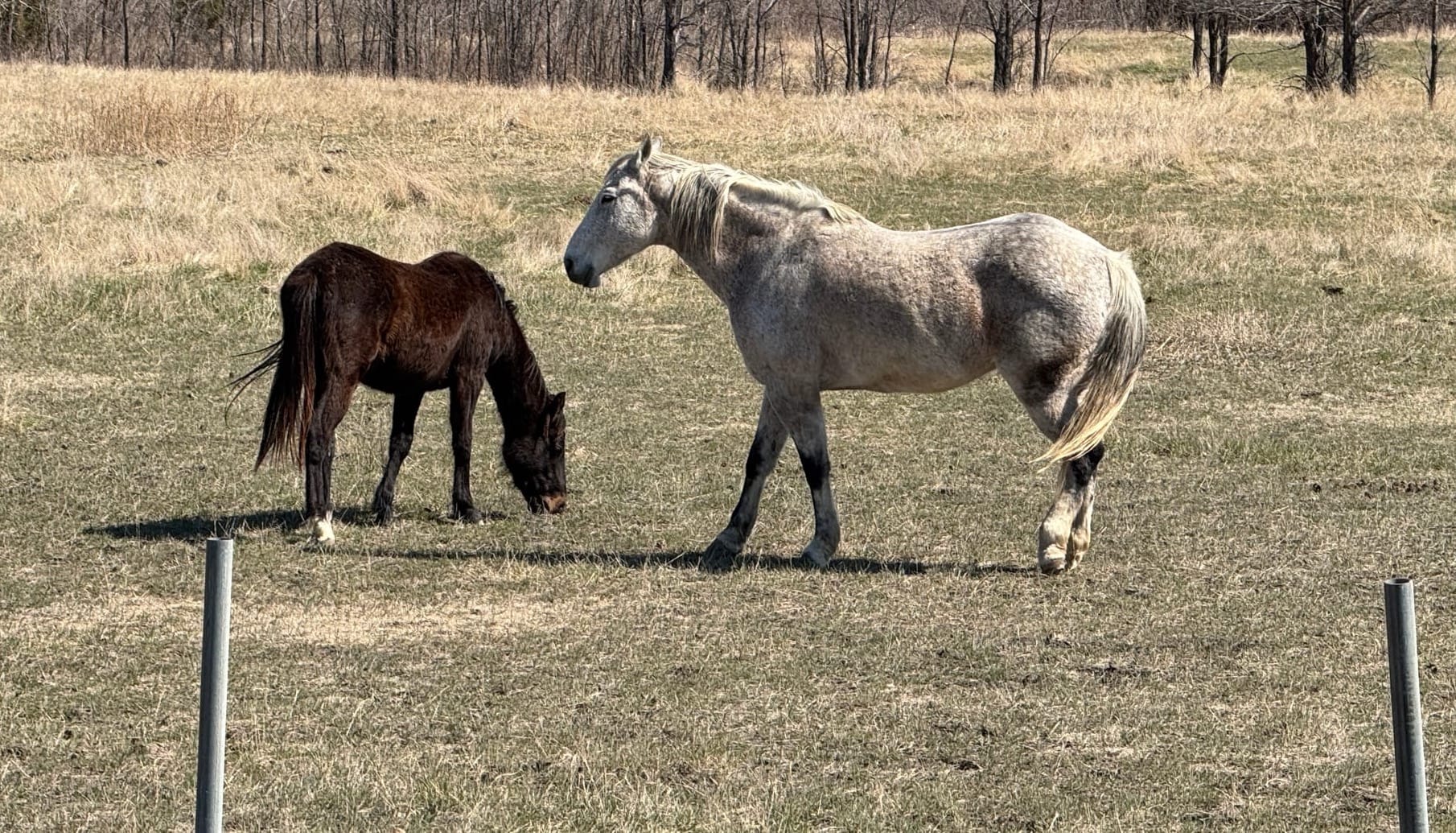
With its focus largely on existing community-level programs that support market entry among young Black and Native American farmers, the program furthered efforts by the federal government to reduce financial barriers and long-standing discrimination against minority farmers in America, Koehler said.
The USDA settled the case Pigford v. Glickman in 1999 with a $2 billion payment to Black and other minority farmers who had been discriminated against in federal loan programs for decades. The settlement was increased by $1.25 billion in 2010 and Congress approved $2 billion in further settlement funding in 2023.
Prior to elimination, the Trump administration took steps to make it increasingly difficult for the land access program to be effective, Koehler said. The USDA froze funding in 2025 and provided no guidance to local Farm Service Agency officials on how to advise or assist recipients.
 Bart Pfankuch
“It’s frustrating that they actively blocked awardees from obtaining grants and then cited the absence of grant awards as a reason for terminating the program,” she said.
Cutting the program could have long-range negative impacts on the ability of farmers to enter the field to replace the large number of producers who will retire or die in the coming years, she said.
“The barriers are so high that many people are begging to farm, but they don’t have the capital to purchase land, the credit to obtain land or the assets to leverage land lending,” Koehler said. “Terminating it right now, with expensive inputs for farming, a gutted USDA workforce and a fragile farm economy without a single alternative plan in place is a big mistake.”
USDA: Program was wasteful and discriminatory
In an email to News Watch, a USDA spokesperson called the program an "egregious misuse of taxpayer dollars" and pointed out expenditures the agency said were unrelated to increasing access to farmland.
The email noted that line-item expenditures submitted under the program included $20,000 for a barbecue smoker, $20,000 for massages for farmers, $27,000 for drones, $112,000 for refreshments and $130,000 for office supplies, including $20,000 for pens.
“The barriers are so high that many people are begging to farm, but they don’t have the capital to purchase land, the credit to obtain land or the assets to leverage land lending." – Amanda Koehler, who runs the Land, Capital and Market Access Network
USDA did not respond to a follow-up email from News Watch seeking formal documentation of those expenditures.
The other reason for cancelling the program was that it "involved discriminatory preferences based on Diversity, Equity and Inclusion," according to a grant termination letter obtained by News Watch.
Through its Department of Government Efficiency (DOGE) and other review mechanisms, the Trump administration has sought to eliminate funding for grants, higher education and other programs that give preferences based on recipient race, gender, sexual preference or ethnicity.
The USDA is reviewing existing grants "to ensure they reflect the Department's priorities of unity, equality, meritocracy, and color-blindness," the termination letter stated.
The letter went on to note that most of the grant awards "did little to improve land access ... with high overhead cost and excessive spending on outreach and technical assistance."
Great need for young farmers in South Dakota
Anything that helps or encourages new or young farmers to enter the agriculture industry is a good thing for South Dakota, said Heather Gessner, a field specialist with the South Dakota State University Extension Ness School of Management and Economics in Brookings.
“In the big picture, we’ve got to get the next generation of individuals on farms to maintain schools and churches and small town Main Streets that make rural communities work in South Dakota,” Gessner said. “We try to look at what tools we can provide to help them.”
Gessner studies farm economics and provides estate planning for farm families in order to keep generational farms thriving. She also provides technical guidance for farmers or potential farmers to navigate the complicated world of modern agriculture.
Molly Wetsch
Prospective farmers face a major learning curve to be successful, requiring skills to obtain and manage capital, get access to land and grow crops or properly care for livestock, Gessner said.
“The education and information sharing is a worthwhile step for those who don’t have a history in farming,” she said.
Dems in Congress urge program reinstatement
On April 2, 18 Democratic members of Congress sent a letter opposing the program cut to USDA Secretary Brooke Rollins. The representatives argued that canceling the program was illegal because it was mandated as part of the Inflation Reduction Act passed by Congress and signed into law by former President Joe Biden in 2022.
"It reverses urgently needed progress toward addressing long-standing barriers that prevent farmers – especially beginning and underserved producers – from accessing and retaining farmland," wrote the Congress members, who urged the secretary to reinstate the program funding.
The letter states that USDA data shows that agricultural land cost an average of $4,350 an acre in 2025, 1 in 3 American farmers are at or over retirement age and that only 8% are under the age of 35.
The letter notes that significant time, energy and cost have already been expended to get grants and other support into the hands of farmers and potential farmers who need it.
"The abrupt cancellation of these funds wastes time and resources, undermines trust in (the) USDA grant making processes and ultimately leaves American farmers without the support they urgently need," the letter states. "It also sends a deeply damaging message to farmers, nonprofits and community partners that USDA cannot be relied upon to honor its commitments."
Partner with South Dakota News Watch and support fact-based news and information.
South Dakota News Watch is an independent nonprofit. Read, donate and subscribe for free at sdnewswatch.org. Contact content director Bart Pfankuch: 605-937-9398/bart.pfankuch@sdnewswatch.org.