
PIERRE, S.D. – Sen. Sue Peterson, chair of the Senate Taxation Committee, summed up what others on the panel seemed to think in rejecting a proposed state sales tax increase in exchange for a reduction in local property taxes.
"I do have concerns that we're trying to do too much all at once," said the Sioux Falls Republican.
The failed proposal, Senate Bill 99, tabled by Senate Majority Leader Jim Mehlhaff, would have increased the sales tax to 6.2% and use the receipts to create a local replacement fund to lower property taxes.
In order to combat the "regressive nature" of the measure, as the Pierre Republican himself put it, groceries would be exempted from the sales tax.
The idea was one of more than two dozen floated as a potential solution to skyrocketing property taxes that has been driven in large part by a 26% increase in the median home price in the state over the past five years.
And while lawmakers seem to agree something needs to be done, there is little agreement on a solution.
Gubernatorial candidates weigh in amid legislative impasse
Sen. Casey Crabtree, who is running for South Dakota's at-large seat in Congress, joined other Senate colleagues in commending Mehlhaff for "coming up with a bold plan" to address the property tax issue.
But he cautioned against repeating the gung-ho nature of another property tax bill passed in last year's legislative session, referring to Senate Bill 216, which capped local municipalities' ability to use property tax revenues at 3%. That measure has since been blamed for severely limiting the ability of growing cities to pay for essential infrastructure improvements and local services.
"We got plenty of eyes on it (Senate Bill 216), plenty of proponents, and we're back here in nine months making the adjustment because the legislative body missed something on that and ended up having an unintended consequence," Crabtree said.
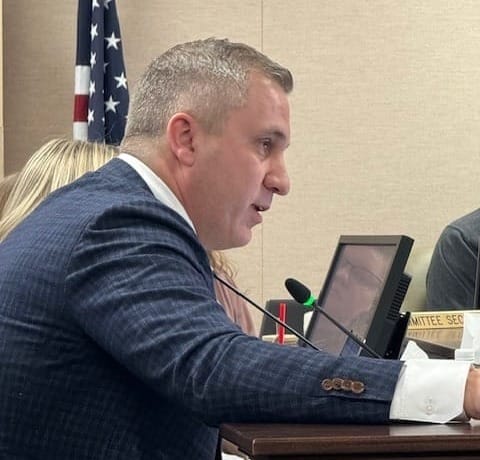
In the same Senate Taxation Committee hearing as Mehlhaff's proposal, Sen. Randy Deibert, a Spearfish Republican, introduced Senate Bill 97, which increases that cap to 5%. It passed 6-1.
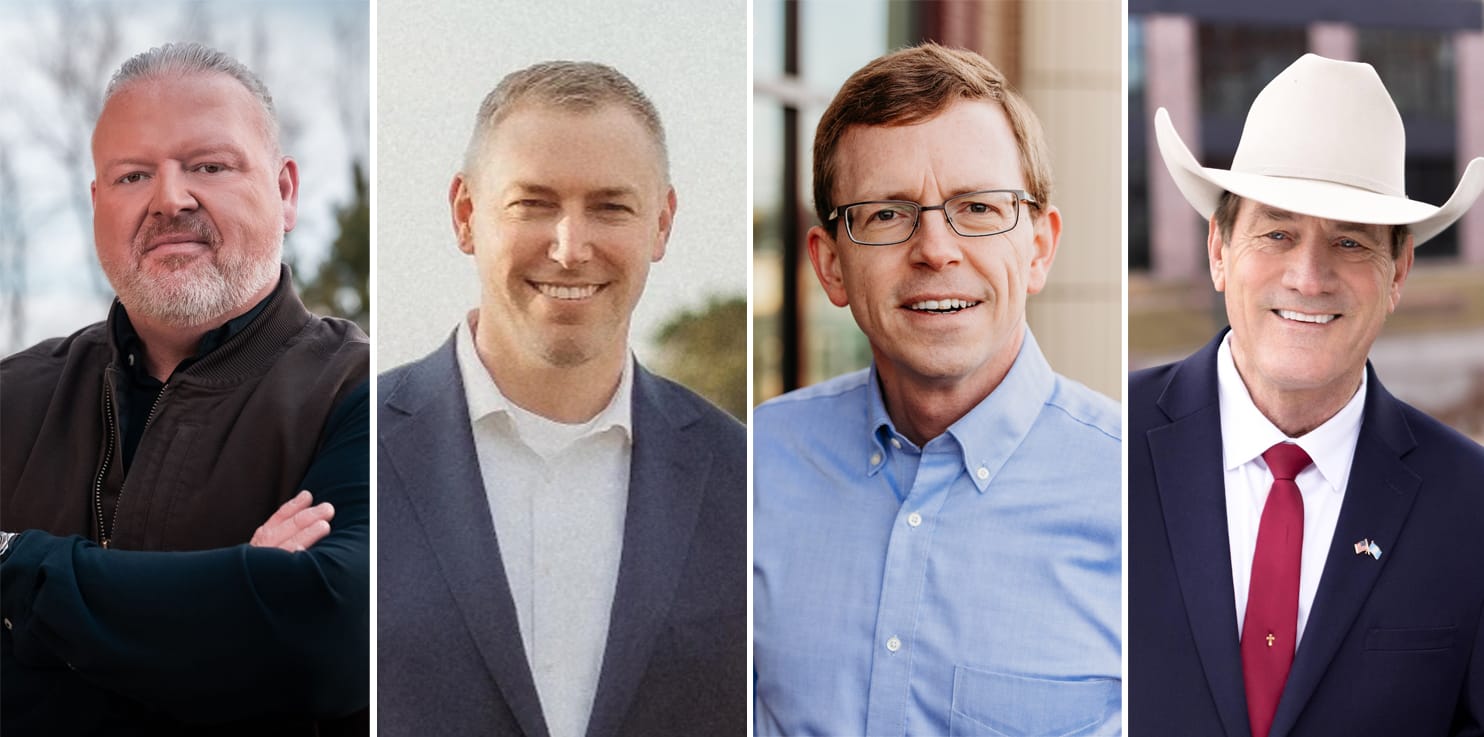
Looming over the property tax reform debate is the hotly contested race to secure the Republican nomination for governor.
With each candidate coming out with their own property tax proposal in an effort to claim the mantle, what lawmakers ultimately decide in the halls of the state Capitol will reverberate across South Dakota as a pivotal primary awaits in June.
News Watch broke down the various proposals and spoke with tax policy watchers to get a sense of the challenges and opportunities of the ideas being floated.
Rhoden: Let counties decide
Gov. Larry Rhoden, the incumbent, has proposed allowing individual counties the option to decide to replace property taxes with a half-cent sales tax increase.
A county could vote to adopt the measure or hold a referendum. The Union Center rancher has argued his plan is more equitable as it would allow counties that generate more foot traffic, and therefore typically hold higher property values, the opportunity to see a decrease in their property tax bill.
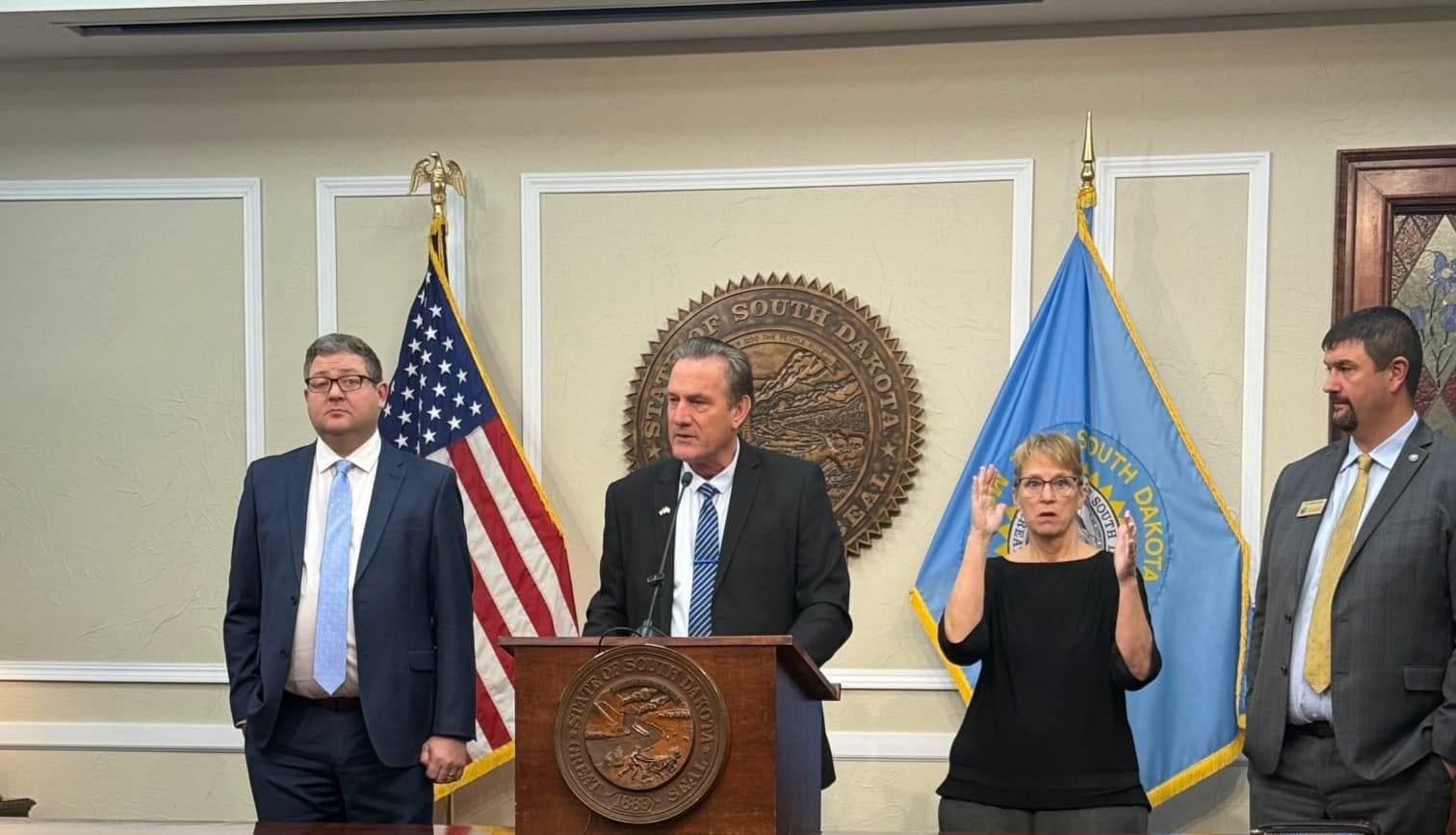
On a philosophical level, Rhoden has sought to portray the proposal, which is set to be introduced in the Legislature, as the one closest to classical Republican small government ideals compared to his GOP challengers.
"It's government at its best, government close to its people. It's up to those individual counties and the people in those counties to decide, and we left as much flexibility of that as we could," Rhoden said at a press conference laying out his legislative agenda last month.
Johnson: Relief for homeowners
U.S. Rep. Dusty Johnson, South Dakota's lone representative in Congress, announced a plan that would allow first time homebuyers to be exempt from paying property taxes for two years and provide a $400 property tax credit to owner-occupied properties using funds from a planned increase in the statewide sales tax, which is set to rise from 4.2% to 4.5% next year.
Johnson argues Rhoden's plan, rather than being equitable, increases inequalities by favoring more prosperous counties instead of providing a uniform statewide solution.

“The governor’s proposal is just a huge transfer of wealth from rural South Dakota into our biggest cities. That is not what South Dakota needs right now. My plan helps everyone, brings the American dream closer to reach for new homeowners, and is fully paid for – without any gimmicks," Johnson said in a statement to News Watch.
Doeden: Eliminate all property taxes
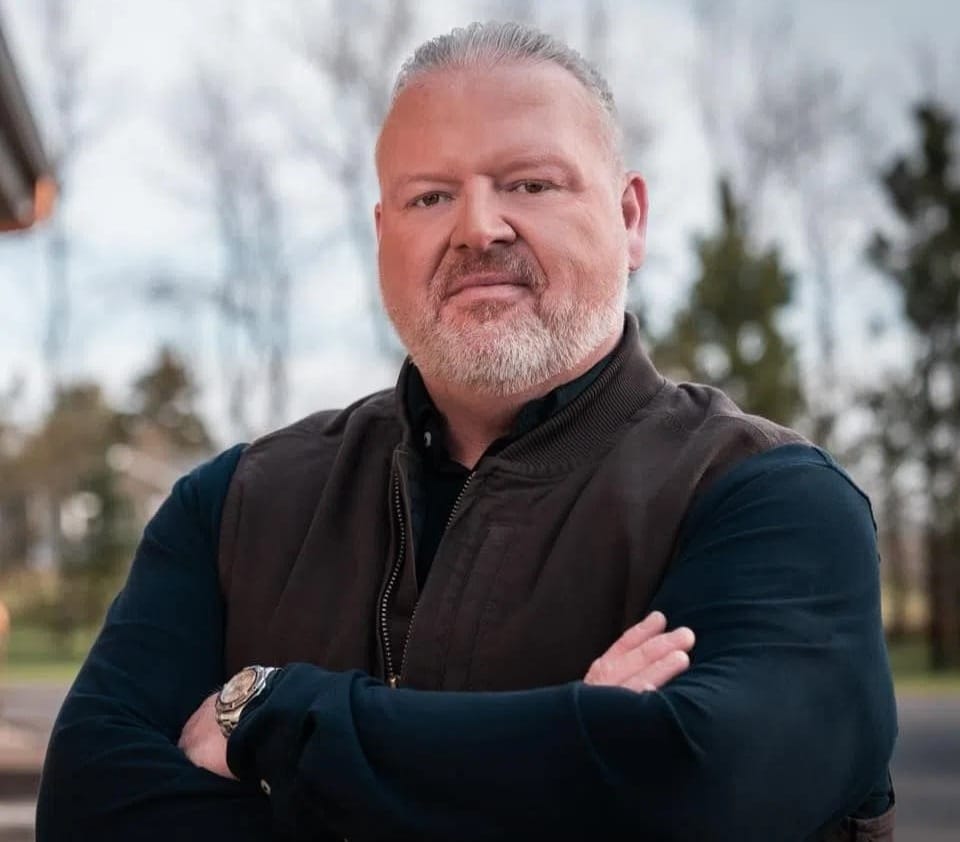
Toby Doeden, an Aberdeen businessman, has a more direct plan: eliminate all property taxes in South Dakota.
Doeden has suggested a consumption tax targeting "luxury items" could be used to replace property taxes, although it is unclear if the revenue from such a tax would fill the estimated $1.8 billion budget hole that would be created if such a move were to materialize.
Similar to the proposal put forth by Mehlhaff, he also said that any consumption tax would exclude grocery items to help relieve lower-income households.
“Larry Rhoden and Dusty Johnson are career politicians in favor of raising sales tax across the board. This only further harms South Dakota families who are already struggling the most," Doeden said.
He also said he'd like to make the 4.2% sales tax, which was originally enacted under former governor and current Homeland Security Secretary Kristi Noem, permanent.
"My plan codifies the Noem tax cuts, eliminates taxes on groceries and baby items, reduces wasteful spending, and most importantly, eliminates property taxes for South Dakota residents,” Doeden said.
Noticeable in Doeden's comment was his lack of acknowledgement of the fourth Republican in the gubernatorial race, South Dakota House Speaker Jon Hansen.
Hansen has yet to come out with a formal plan but has accused Johnson of co-opting a proposal on property taxes he put out last year as part of a legislative task force.
Sales taxes more volatile than property
Tax policy observers on both sides of the political aisle cautioned about the history of substituting property taxes for more sales taxes on grounds it would add fiscal uncertainty for municipalities and greater economic inequality statewide.
"The challenge with using a sales tax to replace property taxes is that sales taxes are much more volatile sources of revenue," Rita Johnson of the Institute of Taxation and Economic Policy, a left-leaning think tank, told News Watch. "Sales taxes go up and down with the economy. If there's a recession, sales tax receipts will decline."
Your donation supports trusted, balanced storytelling that's delivered for free to all South Dakotans.
She said Gov. Rhoden's proposal was "less worrisome" since it would give counties the authority to decide whether to replace property taxes but added any initial revenue estimates should be taken with a pinch of salt.
"Even if they could predict how much a half-cent sales tax could bring in, I don't think it would actually cut down the entire cost of running the county," she said.
Rhoden is bullish on the potential revenue generation of his plan. According to data obtained by News Watch, the governor's office estimates his proposal would eliminate, on a statewide average, 90% of the county share of property tax revenue in order to lower owner occupied taxes.
Comparison to California's Prop 13
Rita Johnson cited the property tax debate in California in the 1970s as an example of the pitfalls of trading lower property taxes for a more robust sales tax regime.
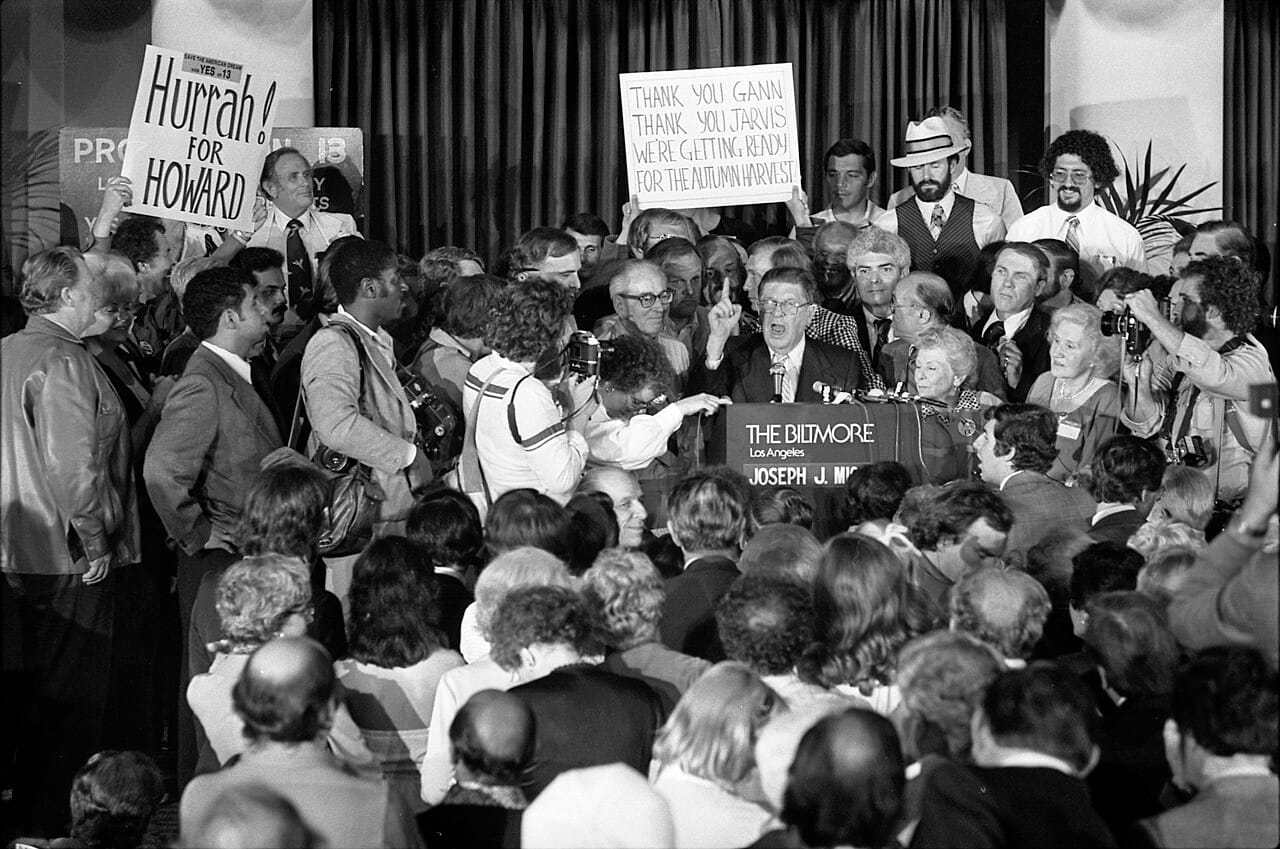
In 1978, amid a backlash toward surging property taxes brought on by inflation, Californians passed Proposition 13, which capped property taxes at 1% of assessed value and limited annual assessment increases to 2%. The measure also stipulated that a reassessment of the tax for a certain property can only be made if there is a change in ownership or if new construction occurred.
While ostensibly meant to relieve homeowners, the law has been cited as a major factor behind California's housing crisis as it disincentives home ownership mobility and encourages maintenance delays on infrastructure projects, given a reduction in local funds. All the while, California today has the highest state sales tax rate in the country, at 7.25%.
Ironically, given Rep. Johnson's claim that Rhoden's plan would unevenly redistribute wealth to richer counties, Rita Johnson (no relation) is also skeptical of the congressman's plan, since the beneficiaries of any property tax exemptions and credits would likely be concentrated in areas already experiencing rapid development.
"The places that are going to see this benefit are going to be places that will have faster property growth, higher value homes, higher value commercial properties, and not in places where people are struggling," Rita Johnson said.
Reduced government accountability with sales taxes
Abir Mandal of the Tax Foundation, a right-leaning research outfit, agrees with Rita Johnson that sales taxes are less predictable and more unevenly distributed than property taxes, while adding it could leave the door open to a decline in government accountability.
"Replacing property taxes with consumption taxes will hide the true cost of local government from taxpayers because they will no longer be getting the very transparent property tax bill that is sent out each year detailing all levies and the services that they go towards," Mandal told News Watch. "This may actually increase local costs instead of decreasing them."
He pointed out that South Dakota counties are already bound by certain levy restrictions on property taxes and that a possible way to reduce the burden for homeowners could be expanding those restrictions to include school districts, which are currently exempt.
As the legislative session continues and the opportunity to pass reform dissipates, lawmakers will need to conduct a delicate balancing act to ensure they do not solve one conundrum by creating a potentially bigger one.
South Dakota News Watch is an independent nonprofit. Read, donate and subscribe for free at sdnewswatch.org. Contact politics and statehouse reporter Alexander Rifaat: 605-736-4396/ alexander.rifaat@sdnewswatch.org.