
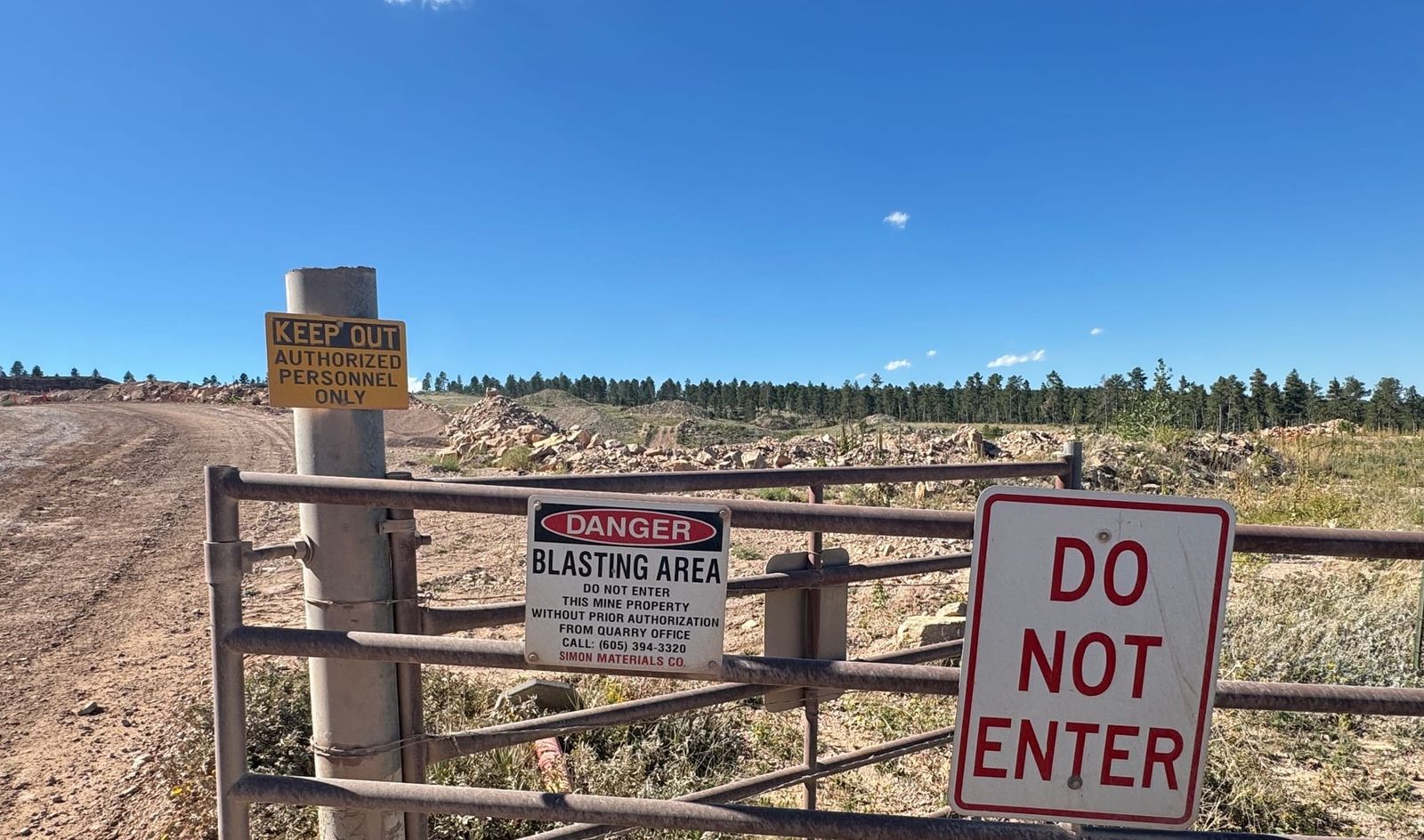
Without local zoning, retirees contend with blasts and dust from two new mines near their Black Hills home that could foretell what nearby Piedmont residents can expect.

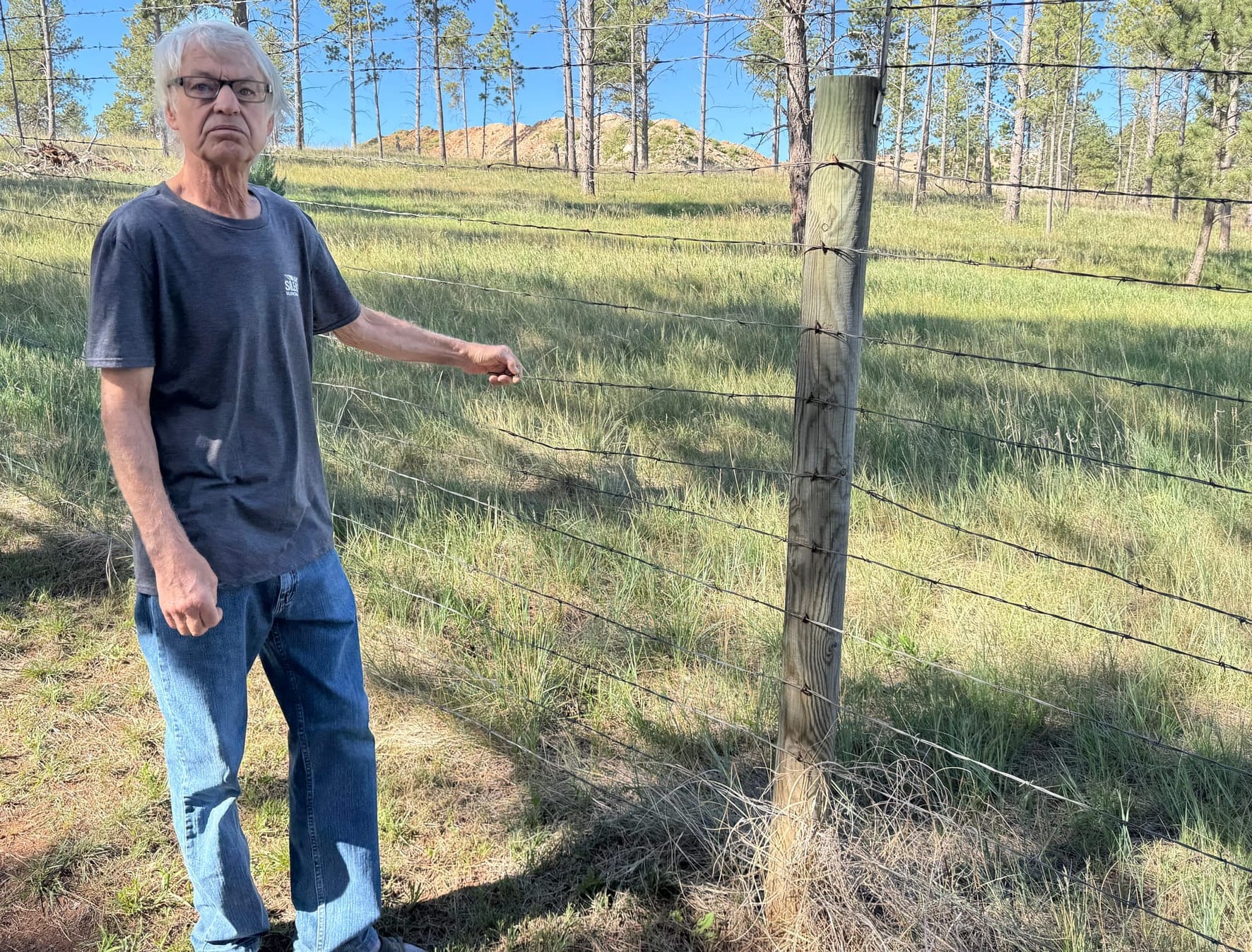
BLACK HAWK, S.D. – Darrell Koepp stomped his feet up and down, waved his arms and shook his body side to side.
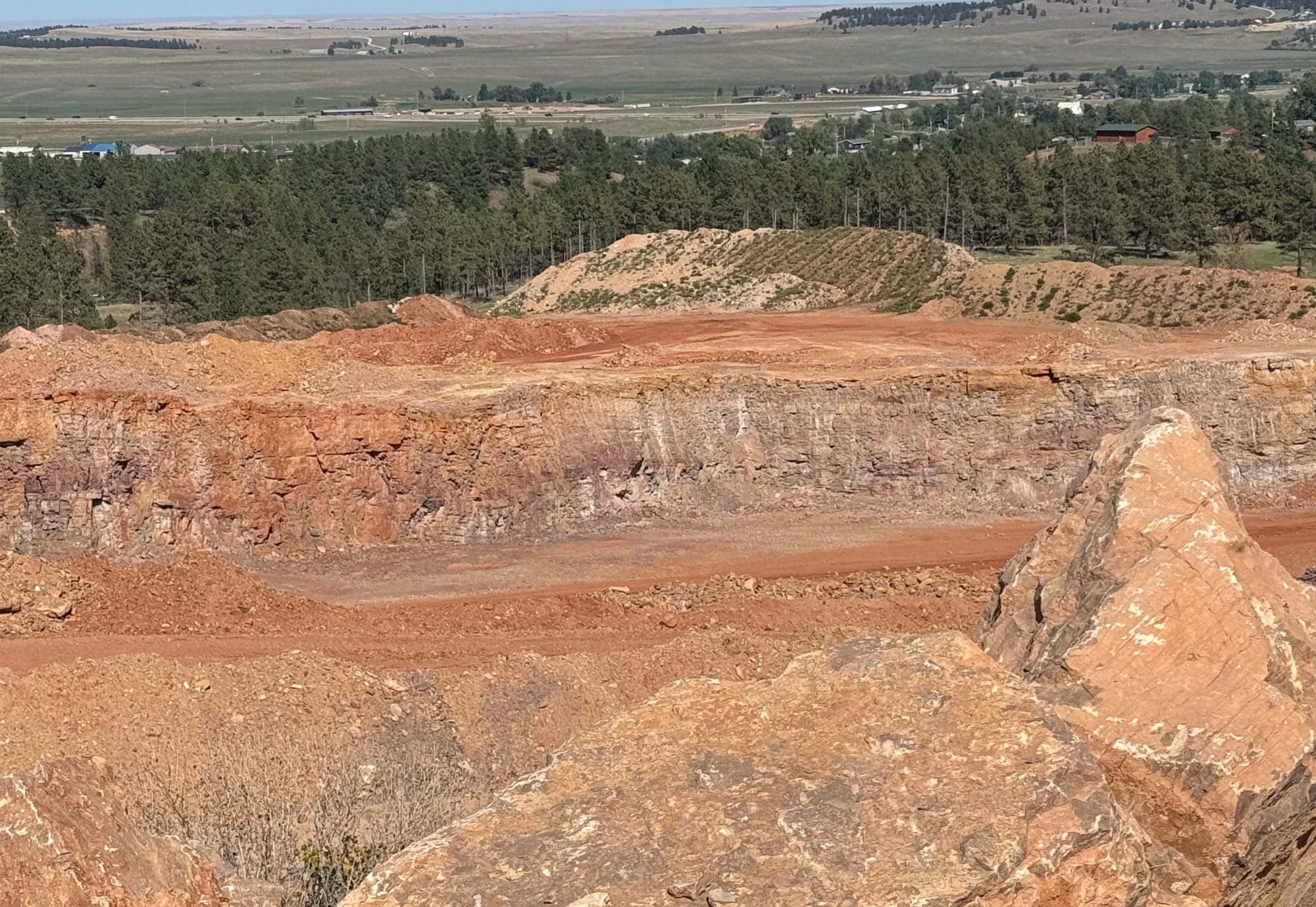
He looked somewhat amusing, but there was nothing funny about the demonstration Koepp gave on a morning in early September outside his Black Hawk home located 100 yards from the edge of two active limestone mines.
"When they're blasting and those shots come, you can stand right here and feel it in your entire body, and you go like this even before you hear anything," Koepp told a News Watch reporter.
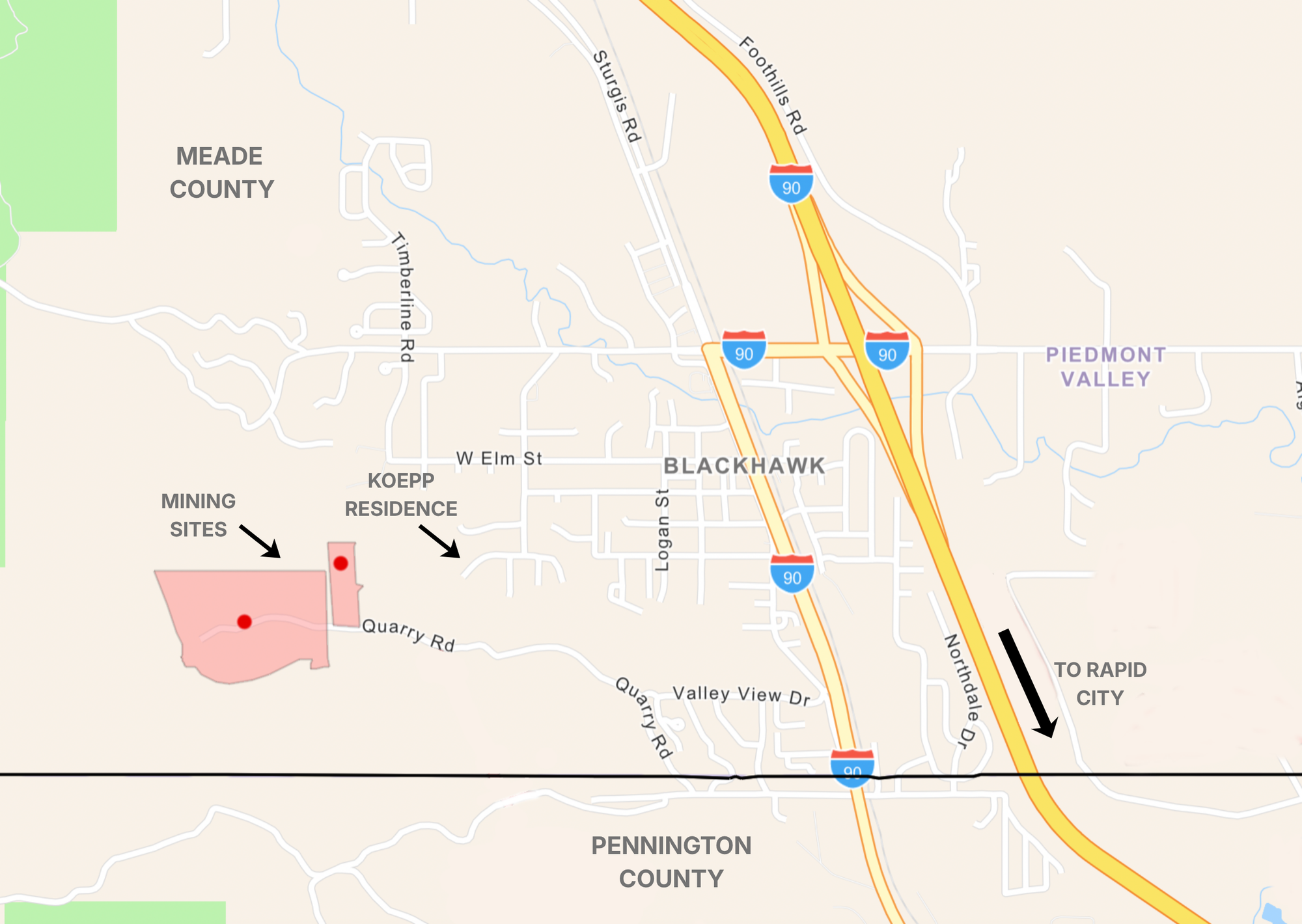
For more than 40 years, Darrell and his wife, Jennifer, lived a peaceful lifestyle in a two-story home on woodlands her father owned at the end of Ash Street in the foothills of western Black Hawk, located about 10 miles northwest of Rapid City.
But after they both retired, life changed when Pete Lien & Sons and Simon Contractors began blasting rock, operating large bulldozers and running trucks to and from the limestone mines located on Quarry Road west of Black Hawk.
Get free, fact-based South Dakota news and information in a weekday email. No spam. Cancel any time.
The blasting and mining began around 2023, and the work at the mines sometimes begins as early as 6:30 a.m. at least five days a week, Darrell said.
"You worked all your life to get what you got, and people like this (from the mining companies) say they want to be neighborly and whatnot, and this is what they do to you?" he lamented. "These blasts run right through the whole house."
No remedies and few protections
The Koepps said an elevated earthen berm that forms the eastern edge of the mine serves as the only protection from the sounds, shockwaves and debris.
"There's always dust, but when they blast back there, you can't even see through it," said Darrell, 71, a retired auto and heavy equipment mechanic. "The stuff we're breathing is horrible."
Darrell and Jennifer said they have spoken with Lien and Simon mining companies, the state and local lawmakers, but no one has been able to provide any relief.
There is no local zoning in Meade County, where the Koepps live, but all mines in South Dakota are required to follow laws that include required inspections and annual reports.
The couple worries how the mine operations will affect their health, their home and outbuildings, and eventually the value of their property.
Jennifer, 67, is a retired hairdresser who for years has volunteered to do community well water testing for the city of Black Hawk. She said the blasting has caused her kitchen cupboard to fall down, opened a crack in the hallway ceiling and led a support beam in the dining room to droop 2 inches.
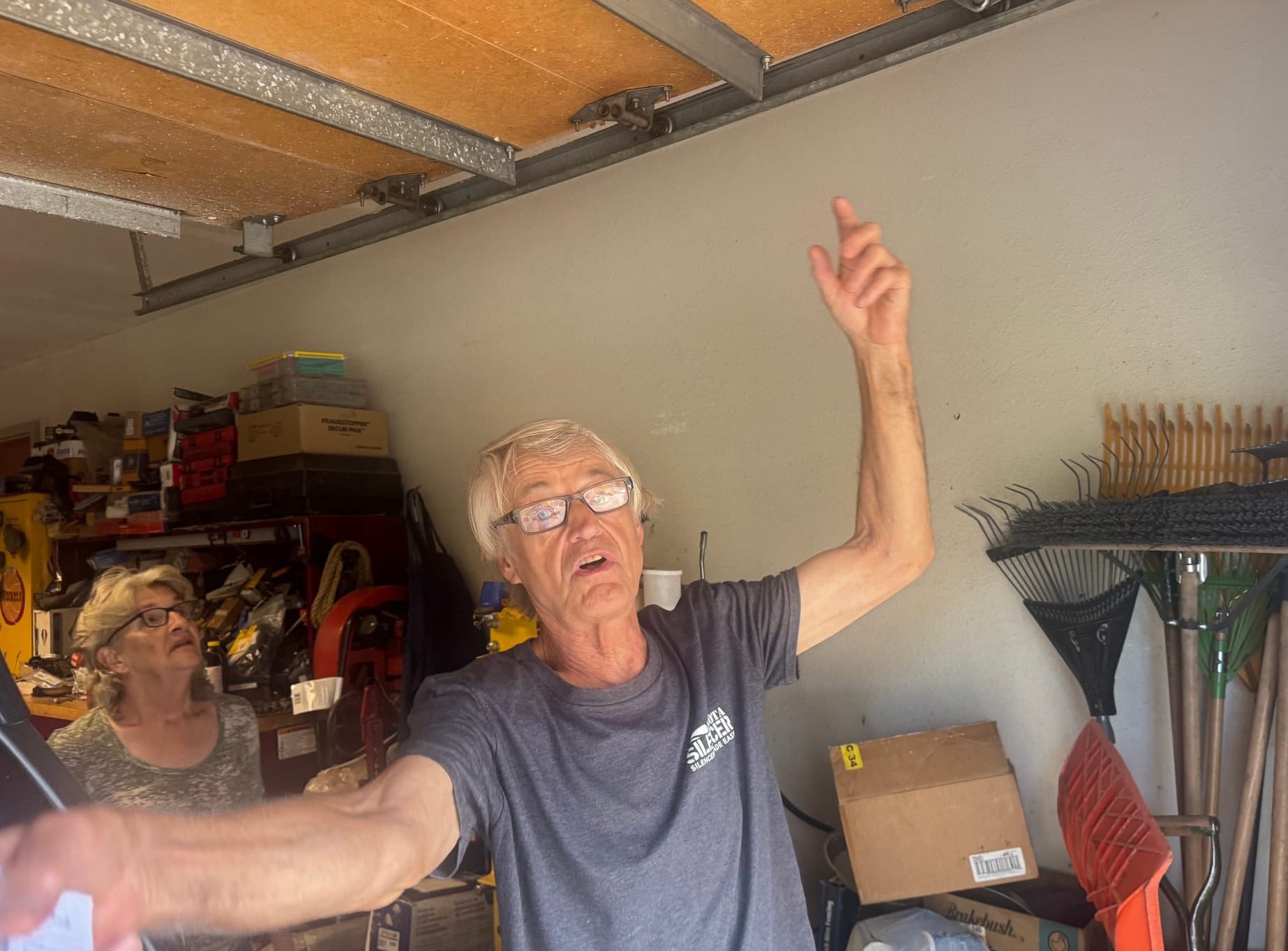
Darrell said the concrete foundation of their back stairs has shifted significantly, deck boards have fallen off and things in his garage are covered in dust because the shockwaves from blasting have ruined the springs and rollers in his garage door, which must now remain open.
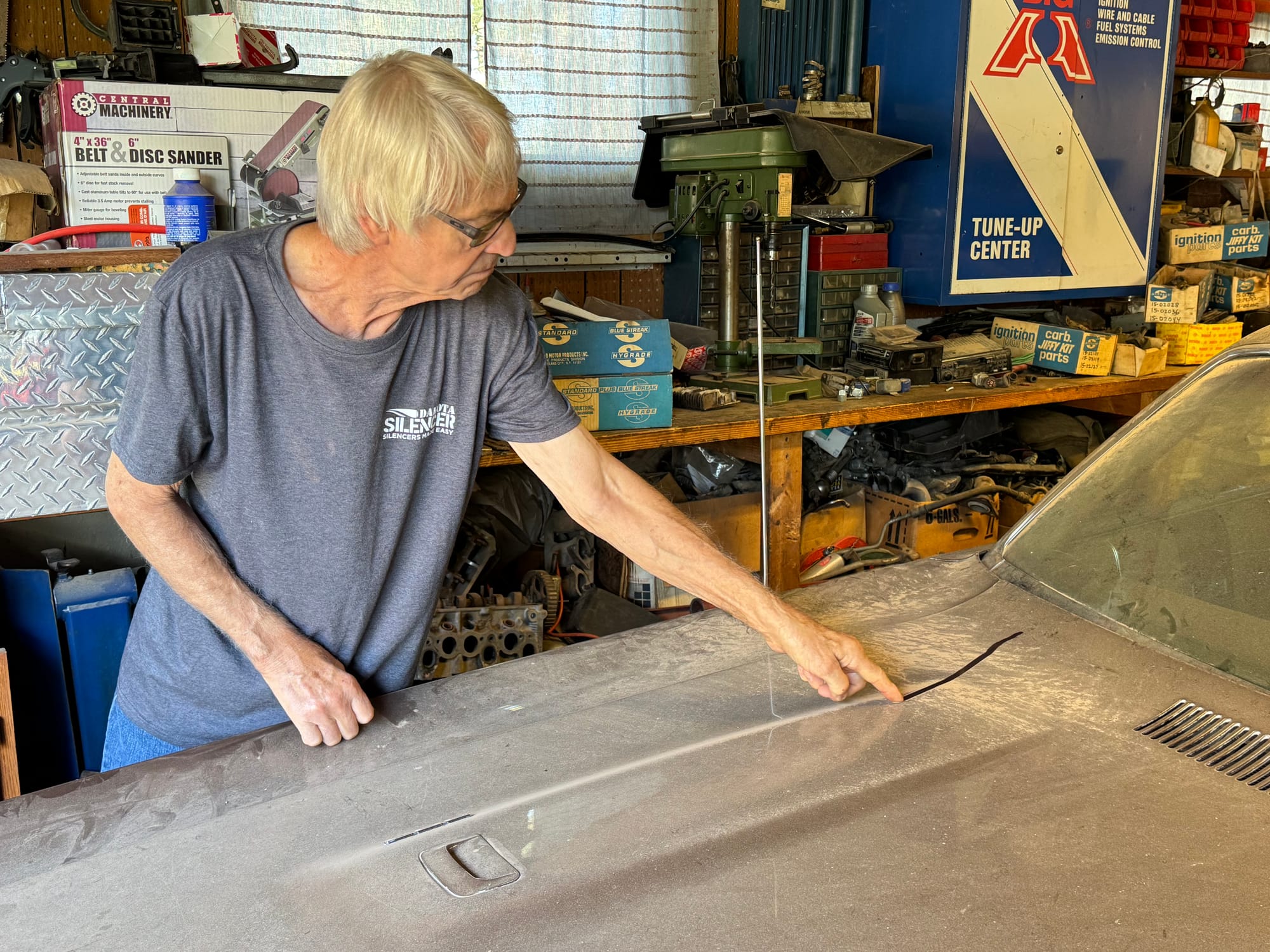
Darrell remembers one particularly harrowing mine blast that knocked a Volkswagen put up on blocks down to the ground, only minutes after he had been under the car repairing it.
The couple was aware of mining in the Black Hawk area before they built their home in the early 1980s, Darrell said. He said he called mining companies who assured him there wasn't sufficient limestone in their neighborhood to warrant significant mining.
Darrell said blasting takes place two or three times per month, and he typically gets a cellphone call 20 to 30 minutes warning of a pending blast. But the warnings do little to mitigate the impacts.
"The other day when they blasted and the wind was blowing 40 mph, you couldn't go outside for hours because of the dust," he said. "It all makes you nauseated."
Miners operating within state laws
According to a 365-page file provided to News Watch under a public records request to the Department of Agriculture and Natural Resources (DANR), Pete Lien & Sons made its first request to begin work on its Black Hawk South mining project in 1989.
In all, the project encompasses roughly 305 acres of mining land in a south-to-north strip to the west of Sturgis Road. The reports say Lien intended to mine the southern sections of the project site before moving to the north. Over the years, the company regularly took 1.5 million to 2 million tons of limestone annually from the mine sites, the file shows.
The first mention of mining the northernmost mine section, which is now affecting some Black Hawk residents, came in Lien’s 2022 annual report on the project. It indicates mining had or would soon take place on the 4.7-acre site.
Mining activities by Lien resulted in 159,000 tons of materials being removed in 2023 and 564,000 tons in 2024.
Lien did not respond to a call and email from News Watch seeking comment.
According to another DANR mine report obtained by News Watch, the Simon Contractors limestone operation in Black Hawk had mined 52 acres and removed 364,000 tons of material as of the latest inspection report from December.
"Simon blasting activities at our Black Hawk quarry are conducted in accordance with state and federal regulations, performed during normal daytime business hours by a licensed third-party blaster, and supported by advance notification and open communication with nearby residents," Cheryl Gustafson, a regional manager for Simon, said in an email to News Watch.
The records do not indicate any violations or fines issued against either of the companies regarding their Black Hawk operations.
DANR deputy secretary Brian Walsh told News Watch in an email that "DANR has not issued any Notice of Violations for limestone mine sites in the past 10 years."
A searchable DANR web page indicates there are 500 active construction aggregate mine permits for nearly 1,400 mine sites totaling 20,000 acres in South Dakota. The site indicates that nearly 5,200 mine sites have been licensed in the state since 1983.
Other neighbors affected by blasting and mining
The Koepps are not the only mine neighbors to complain about the blasting at the sites.
The couple said that other residents of Black Hawk have experienced shocks from the blasting and dust from mining and transportation activities, especially on hot days during the extended drought.
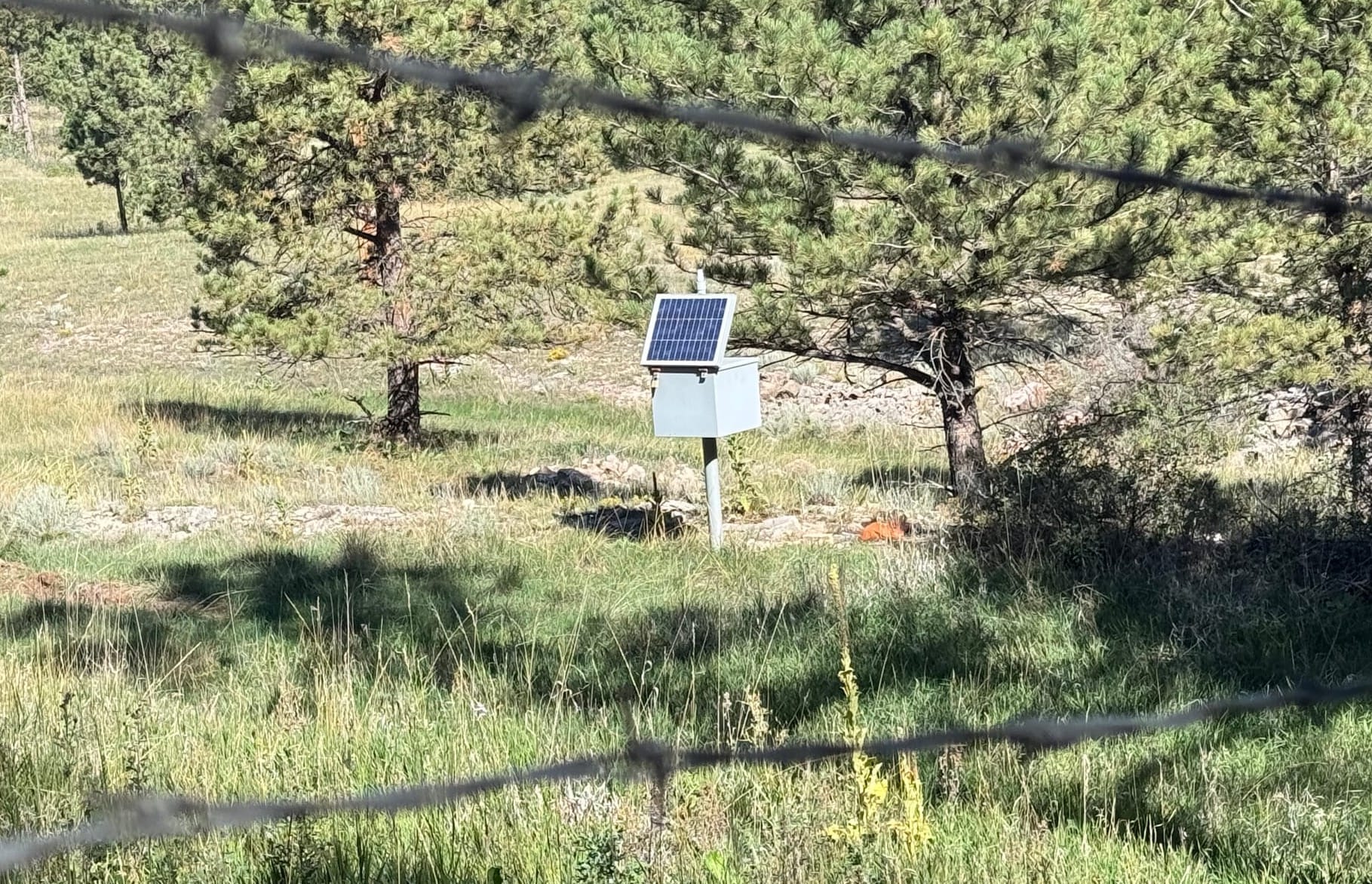
Also, in November 2023 and March 2024, state records show that Black Hawk resident Faron Schmidt of Timberline Road, about a mile from the Lien and Simon mines, called the state DANR to complain about the potential effects of blasting on his water well and property.
DANR mining engineer Eric Holm wrote in a follow-up report that Schmidt thought blasts by Lien or Simon were occurring as early as 5:30 a.m. and were causing too much vibration at his property.
“He (Schmidt) said his house has many glass windows and during the last blast, the house, deck and sidewalk shook,” Holm wrote. “I also told him that his house will probably shake at least during some blasts.”
Holm contacted the two companies and both said blasting was done within regular daytime hours and that seismography data showed the blast levels fell within permit guidelines.
“Mr. Schmidt was frustrated and asked if there was anyone who could help him,” Holm wrote to other officials at DANR. "I cautioned him if the actual blast data shows the blast was within the guidelines, there is nothing we can do."
In response, Holm reported that he gave Schmidt the phone number of the federal Mine Safety and Health Administration.
A cautionary tale for Piedmont?
The experiences of the Koepps provide a “100% relevant example” for the roughly two dozen families that are battling a Simon limestone mine that has been approved for land in and around the nearby town of Piedmont, said Chris Greenberg, who is leading efforts to block the proposed Piedmont mine.
Simon followed the state's lax mining permit laws that only required the company to obtain a sand and gravel permit but which did not require the company to notify local residents or government officials until the mine was approved and imminent.
Join other South Dakotans and support statewide, fact-based news and information.
“They always say it should be fine, that we’re overacting and it’s no big deal,” Greenberg said of limestone mines. “But what they want to do here is exactly what people in Black Hawk are going through, with frequent blasting and dust everywhere.”
According to the Simon website, the Piedmont mine will be allowed to operate through December 2043. No mining has taken place so far.
"Simon will be responsible for the extraction of high-quality construction aggregates to produce construction-grade materials used in regional infrastructure," the company said. "Construction aggregates from this site will supply local cities, counties, and contractors with the materials needed for roads, concrete production, erosion control, and other essential public infrastructure projects."
Fears of an uncertain future
The Koepps have refused to make any insurance claims for property damages over fears they may get dropped or not renewed by their home insurer. So they live with the effects or pay for fixes on their own.
"If I turn this stuff into my insurance company and they see what's going on here, they're going to drop me like a firecracker," Darrell said.
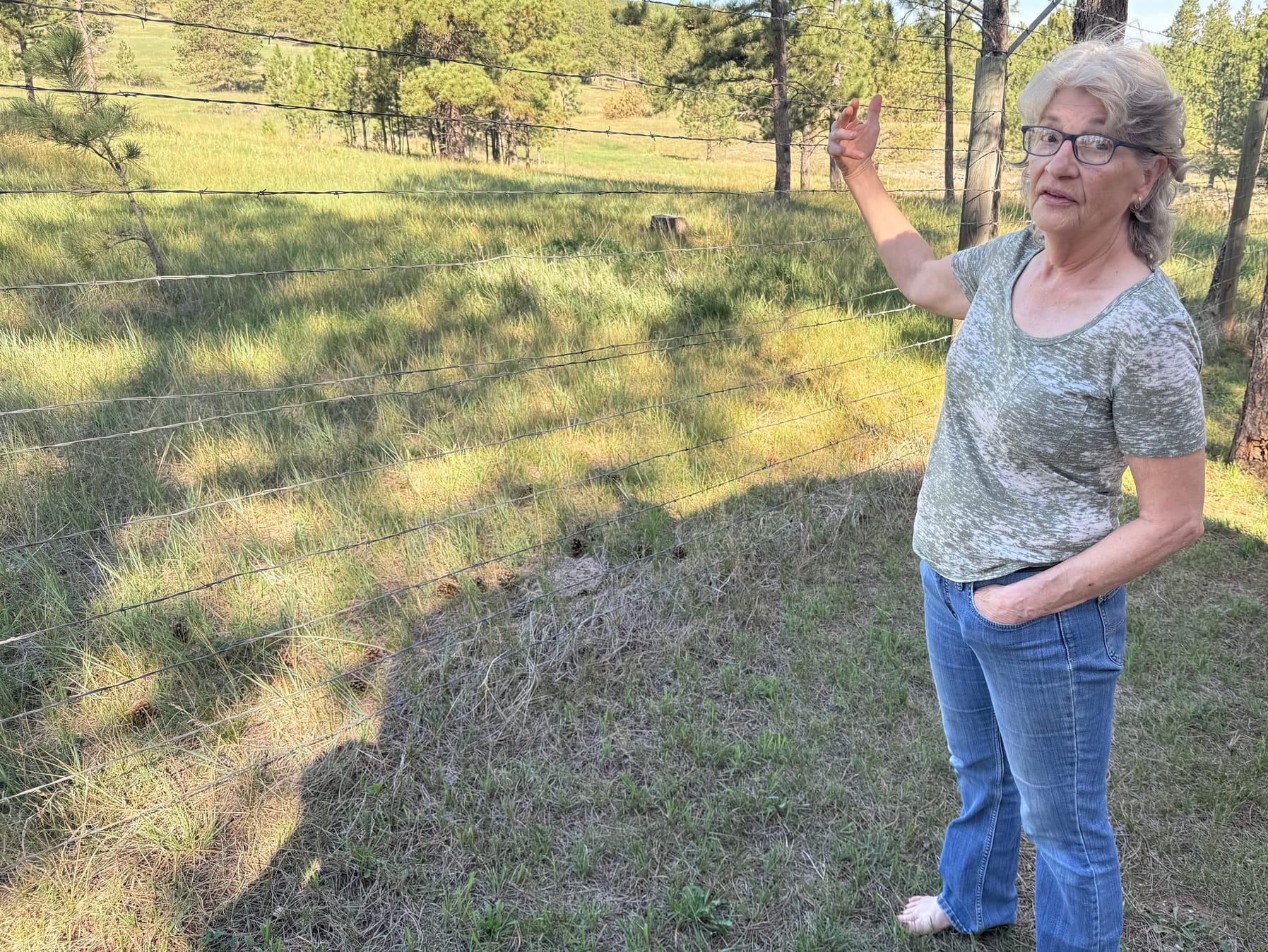
In the long term, the Koepps are worried that they may never be able to move forward on plans to sell their home, turn a profit and downsize to a smaller home with money in the bank.
Jennifer said she wouldn't feel right to sell their home or nearby land without informing potential buyers about the limestone mines operating next door, which would likely kill any home sale potential or profits.
"We're getting to that point of transitioning or figuring out what we want to do next," Darrell said. "But now our options feel limited."
South Dakota News Watch is an independent nonprofit. Read, subscribe for free and donate at sdnewswatch.org. Contact content director Bart Pfankuch: 605-937-9398/ bart.pfankuch@sdnewswatch.org.