Lawmakers failed to override vetoes on a ban of lab-grown meat and state licensing requirements for non-medical home care agencies.

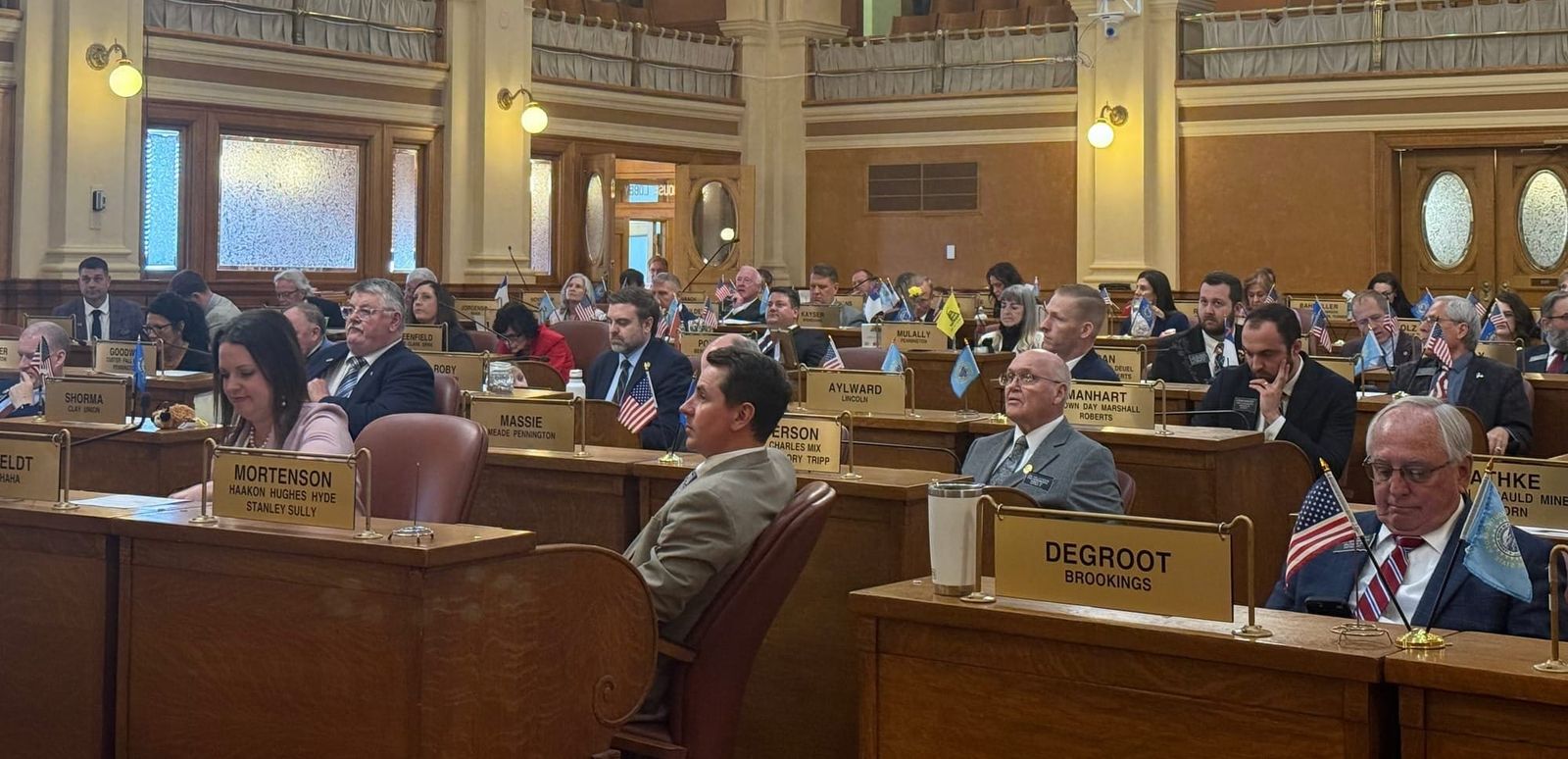
PIERRE, S.D. – South Dakota lawmakers in Pierre voted Monday to uphold the vetoes issued by Gov. Larry Rhoden on two bills.
The Legislature was not expected to overturn either measure on "veto day," providing a relatively quiet end to the 2026 legislative session.
Lab-grown meat ban
Rhoden's first veto, House Bill 1077, which would have placed an indefinite ban on lab-grown meat production in South Dakota, resulted in a compromise with lawmakers, Senate Bill 124. It instead imposes a five-year moratorium on production.
While Rhoden acknowledged his disapproval of lab-grown products, he explained in his veto that he thought it wasn't the state's place to obstruct consumer preferences.
 Carson Walker
The House voted 32-32 with six excused, far from the two-thirds majority needed to override a veto.
Proponents of House Bill 1077 argued lab-grown meat not only constituted a health safety concern but also posed an existential threat to South Dakota.
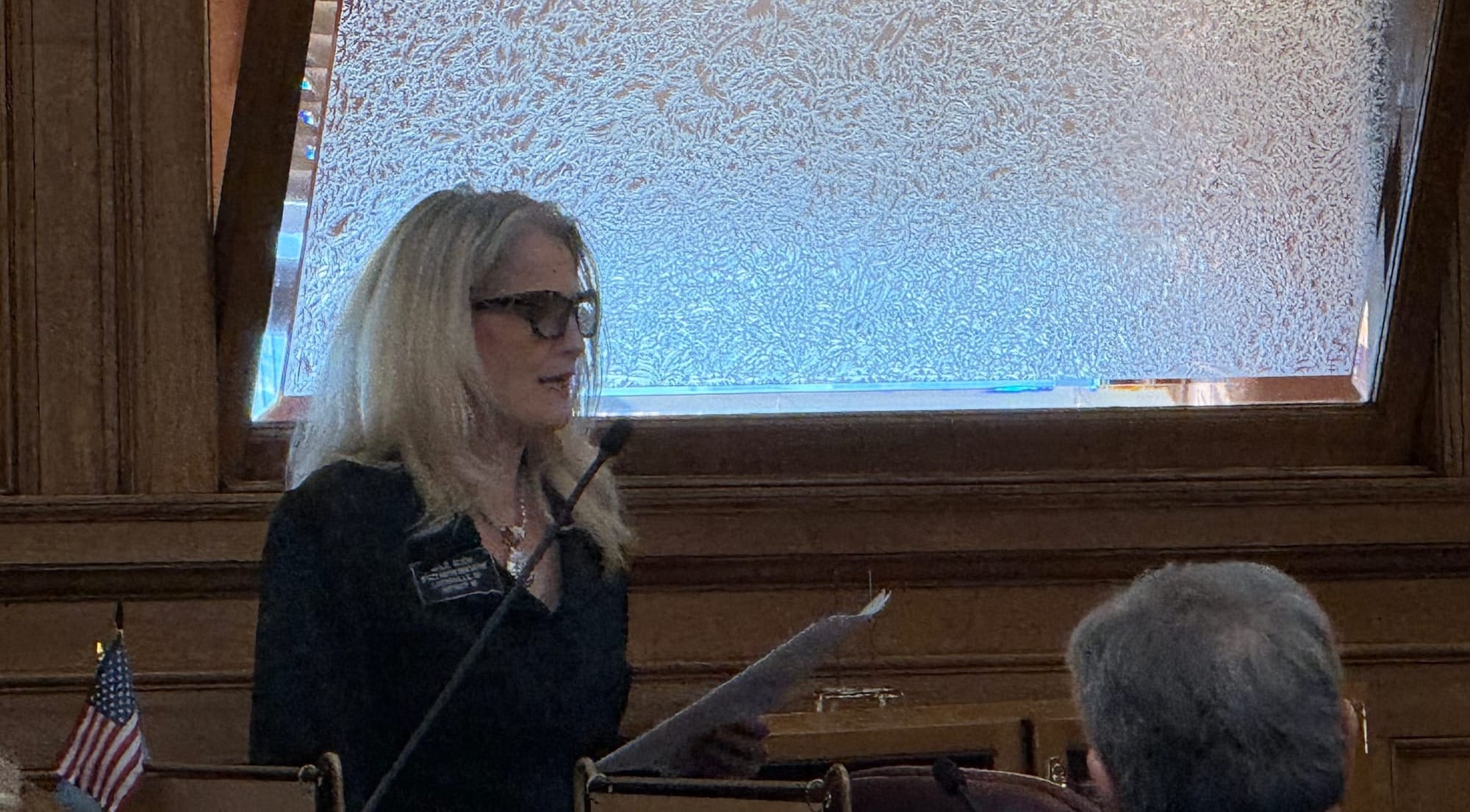
“Real meat is not just a part of the economy, it is our economy. It is our identity. It is our way of life. … Cell-cultivated protein is not agriculture,” said Republican Rep. Julie Auch of Yankton, who sponsored the bill.
Meanwhile, those who backed the governor's veto echoed his sentiments on allowing market choice if lab-grown meat products can be deemed by the state to be safe to consume.
“I don’t want to take commerce and crush it. I would rather make it safe, if they can make it safe. If they can’t, they won’t be able to sell it,” said Republican Rep. William Shorma of Dakota Dunes.
Licensing requirements for non-medical home care
The second vetoed bill up for consideration, House Bill 1138, would have created state licensing requirements for non-medical home care agencies. However, given the bill passed the House 41-25 and the Senate 20-14, it was doubtful the legislation would muster enough votes to override the veto.
Similar to the rationale behind his veto on House Bill 1077, Rhoden argued the licensing requirements amount to an excess in government regulation.
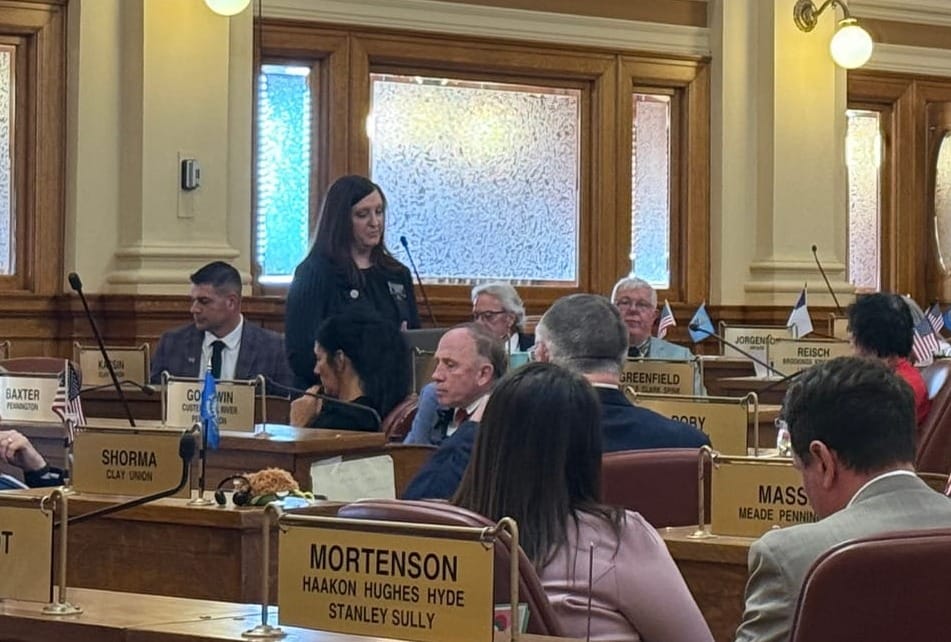
“The easiest way to protect our vulnerable South Dakotans in their home is to not hand bad actors the key to their front door,” said the bill’s sponsor, Rep. Mellissa Heermann, a Republican from Brookings.
In addition to obtaining licensure, the law would have mandated that such home care agencies obtain liability insurance and conduct background checks.
Supporters of Rhoden’s veto argued the bill’s emphasis on non-medical services could lead to a broad interpretation that would lead to maids and cooks being subject to the new regulations.
However, Democratic Rep. Erik Muckey of Sioux Falls tried to clarify that the term in the context of the bill was intended to encompass all the services regular long-term facilities provide outside of nursing and the treatment of wounds.
“The word ‘non-medical’ in this case … is a bit of a misnomer because a lot of the non-medical home care you’re looking at in this case is care you’re going to see in a long-term care facility,” he said.
Play a bigger role in our storytelling. Join us as a partner in telling stories that are important to all South Dakotans with a tax-deductible donation.
The final House vote of 36-27, with seven excused, was not enough to override the veto.
More than 200 bills signed into law
In total, Rhoden signed 240 bills from the 2026 legislative session. Notable legislation, which takes effect July 1 unless it passed with an emergency clause, includes:
- House Bill 1326: The general appropriations bill for fiscal year 2027, which runs July 1 through June 30, 2027. Lawmakers agreed to a $7.5 billion budget for the upcoming year, which included a 1.4% increase in funding for the so-called big three: state employees salaries, pre-K through 12th grade education and Medicaid health care providers.
- Senate Bill 175: Requires South Dakotans to provide proof of citizenship when registering to vote in state and local elections. The provision, which unlike most bills came with an emergency clause allowing it to take immediate effect, only applies to new registrants. Acceptable forms of identification include a valid driver's license, passport, tribal identification card or birth certificate.
- Senate Bill 96: Rhoden's signature property tax proposal gives counties the option to implement a half-cent sales tax increase in exchange for lowering property taxes.
- Senate Bill 245: Signed into law as part of the property tax agreement between Rhoden and House Speaker Jon Hansen, Senate Bill 245 creates a homeowner property tax relief fund using revenue generated from the 0.3% sales tax increase scheduled for next year.
- Senate Bill 135: This measure, dubbed the "Data Center Bill of Rights for Citizens," championed by Hansen and Senate President Pro Tempore Chris Karr of Sioux Falls, provides guardrails against data center electricity and water usage.
- Senate Bill 2: Makes South Dakota the first state in the nation to declassify gun silencers as a controlled weapon. Residents will no longer be required to register their purchases of suppressors.
- House Bill 1274: Targets the distribution, sale and advertising of abortion materials and gives South Dakota's attorney general greater prosecution authority to pursue criminal and civil penalties.
- Senate Bill 113: Introduced after an anti-ICE protest that occurred in a Minneapolis church in January, Senate Bill 113 increases the penalty for preventing practice of religion from a misdemeanor to a Class 6 felony.
Under South Dakota law, if a governor does not sign or veto a bill presented to them within five days during the legislative session, it automatically becomes law. If the Legislature has adjourned, the governor has 40 days.
In addition to considering the two vetoes, the Legislature on Monday passed Senate Bill 121, which provides emergency funding of roughly $8 million for the replacement of the Richmond Lake Dam near Aberdeen, which is considered a “high-hazard” structure.
Gov. Rhoden signed the bill later that day.
This story was updated to reflect the outcomes of veto day.
Correction: This story was updated April 3, 2026 to correct the description of Senate Bill 245.
South Dakota News Watch is an independent nonprofit. Read, donate and subscribe for free at sdnewswatch.org. Contact politics and statehouse reporter Alexander Rifaat: 605-736-4396/alexander.rifaat@sdnewswatch.org.