
PIEDMONT, S.D. – Three lawmakers who represent this Meade County city hope to change weak state mining laws that allowed a proposed limestone mine to be sited without notification or input by any local officials or residents.
The plan by Simon Contractors to begin mining limestone on 300 acres within the city of Piedmont and in the surrounding Black Hills came as a shock to locals, who only learned of the mine project through an October notice in a local newspaper.
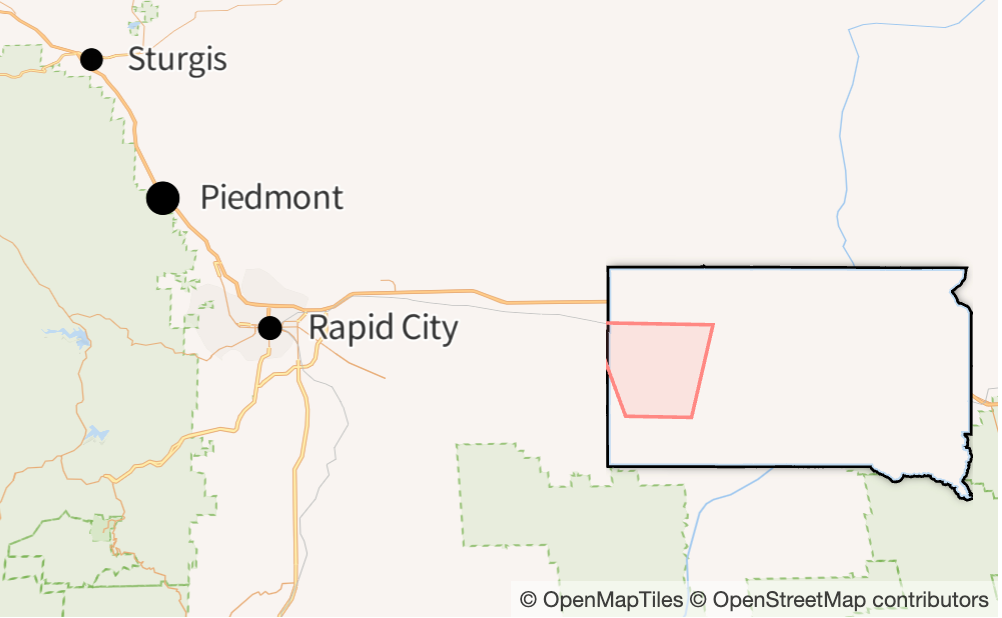
Piedmont is located along Interstate 90 about midway between Rapid City and Sturgis.
 Bart Pfankuch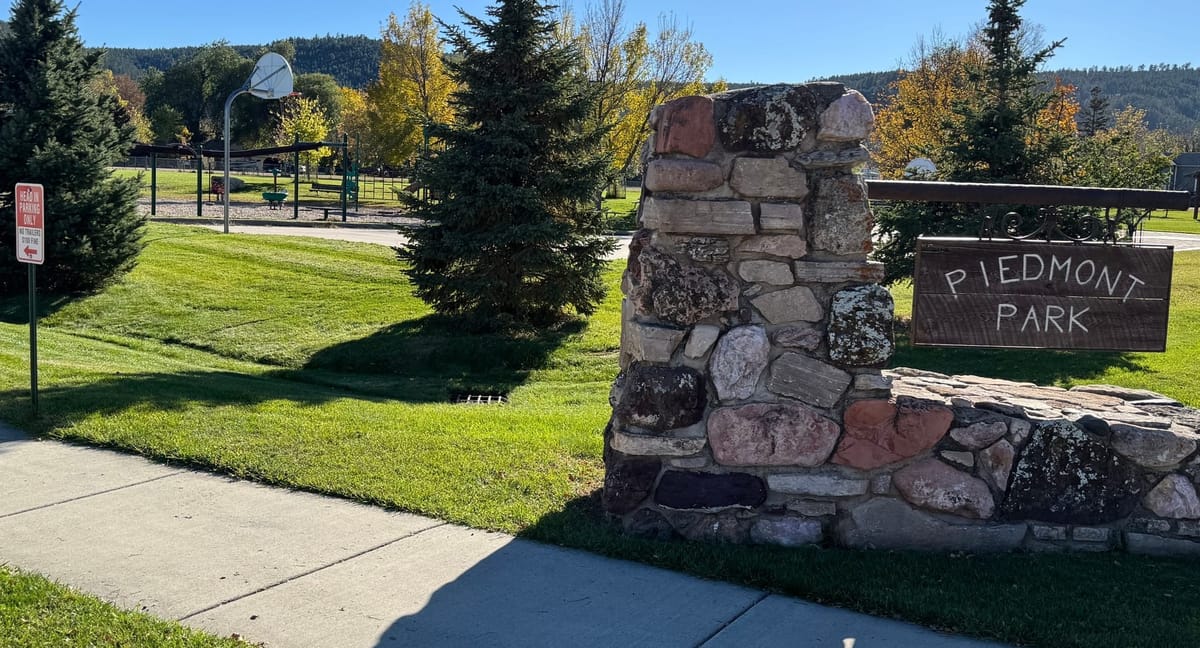
Simon, a French-owned, Wyoming-based mining and materials company, said it has acquired state approval and private landowner agreements to allow limestone mining on 10 parcels of land in and around Piedmont. The mine is expected to start running in August and operate through 2043, according to Simon.
Simon followed lax state mining laws that allow mining of sand, gravel and limestone without a formal permitting, notification and public input process required of more invasive hard rock mining operations. The lack of zoning ordinances in Meade County also enabled the mining company to develop its plans without county input.
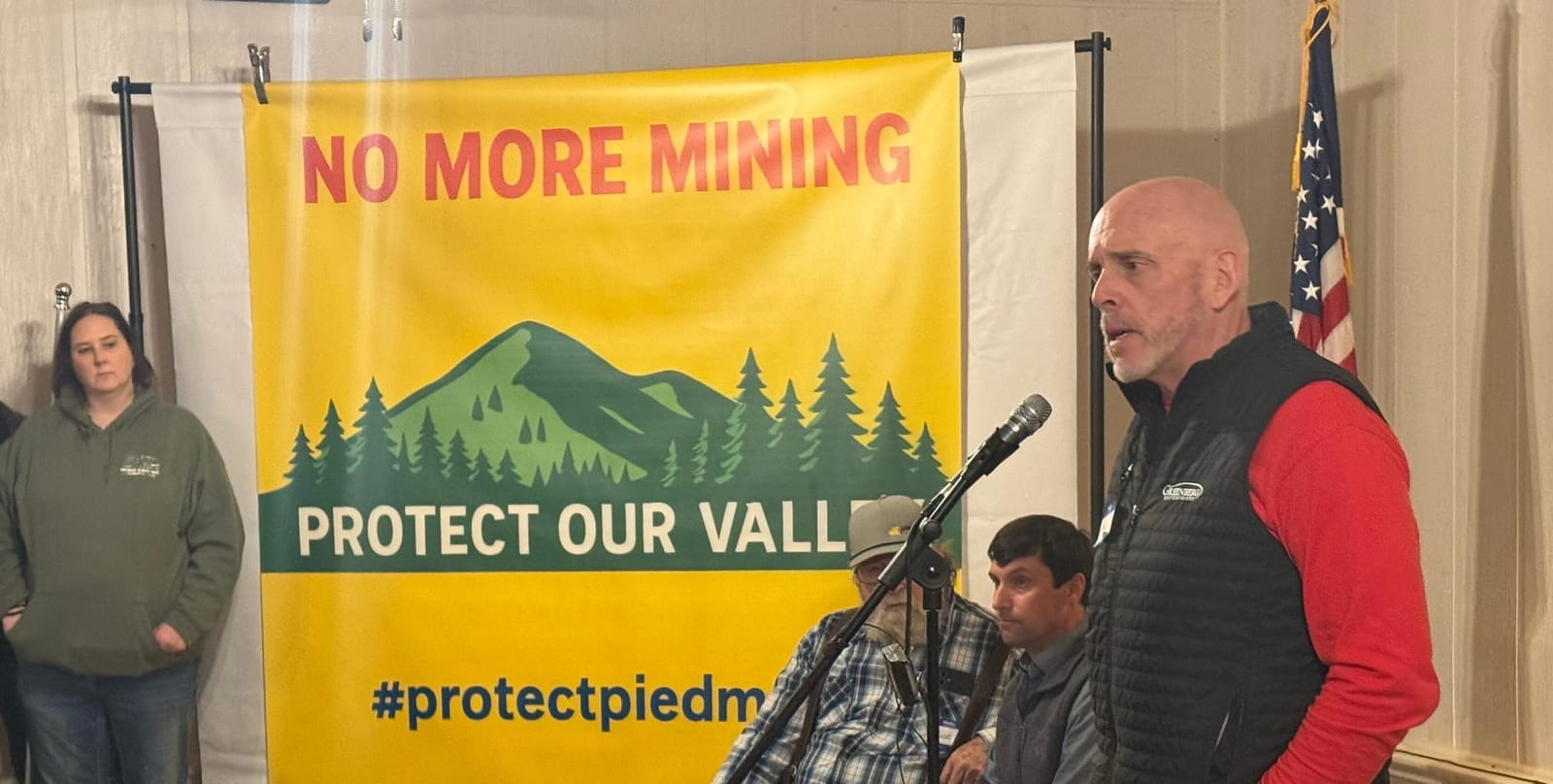
Opposition to the mine has crystalized quickly in Meade County, where residents have held meetings and created a Facebook page that had 700,000 page views in its first month. More than 700 people have signed up for regular emails about the project.
"We have rights, even if they tell us we don’t have rights," said Chris Greenberg, who recently retired to Piedmont. "I can’t come into your yard and dump a load of garbage, but yet they can come in and tear up the land, and bring dust and noise and blasting?"

The three Republican lawmakers from Meade County – Rep. Kathy Rice, Rep. Terri Jorgenson and Sen. John Carley – have teamed up in an effort to support Piedmont residents and to prevent similar mining operations from popping up suddenly in other communities around the state.
“There’s a lot of mining to be done and the question is, ‘Does it have to be done right next to houses, and does it need to be put in after the homes are already there?'” Carley said. “If you moved into a community and there’s already a mine or industrial or commercial operation, you get to make that conscious decision. (But) this is a very different situation because there’s already a community established, and (the mine) is in a very visible, dust-oriented area.”
So far, the lawmakers said they hope to file bills in the 2026 legislative session that would increase public notification requirements, require environmental impact statements for sand and gravel mines and tighten up state regulations that allow some mining operations to proceed without a permitting process.
Seeking environmental impact data
Rice told News Watch that she is investigating two options to help Piedmont residents now and to strengthen sand, gravel and limestone mining laws in the future.
Rice said she realized that any laws passed in the 2026 legislation will likely be enacted too late to help Piedmont residents who are opposed to the limestone mine.
Yet Rice said she's looking into whether a state law could be passed to require an environmental impact statement for gravel mines just as the state requires them for more extensive gold or silver mining.
“We need to know how it’s going to impact our water and our air and the communities that are there,” she said. “We can’t just tear apart a hill and not know what it’s going to do to the community that’s there.”
Rice said she isn’t sure yet whether she will file a bill but plans to contact the Legislative Research Council to determine how such a bill could be drafted.
“They (mining companies) can afford an impact study,” Rice said. “There’s millions of dollars in minerals in the Black Hills, so it shouldn’t just be a $100 license fee for the whole state and you can do as many mines as you want.”
Rice said she also intends to contact the landowners who have agreed to allow Simon to mine for limestone on their land and perhaps persuade them to change their minds.
“Simon has the license but does not have lease agreements,” Rice said. “So I wonder, what would make them stop from signing the agreements?”
Packed house at public meeting
The latest discussion of how to respond to the limestone mining plans came during a crowded public meeting held Nov. 20 at the Elk Creek Resort in Piedmont that drew about 250 residents.
Carley, who hosted the meeting at the resort he manages, said he intends to file legislation that would require greater public notification of proposed sand, gravel and limestone mines.
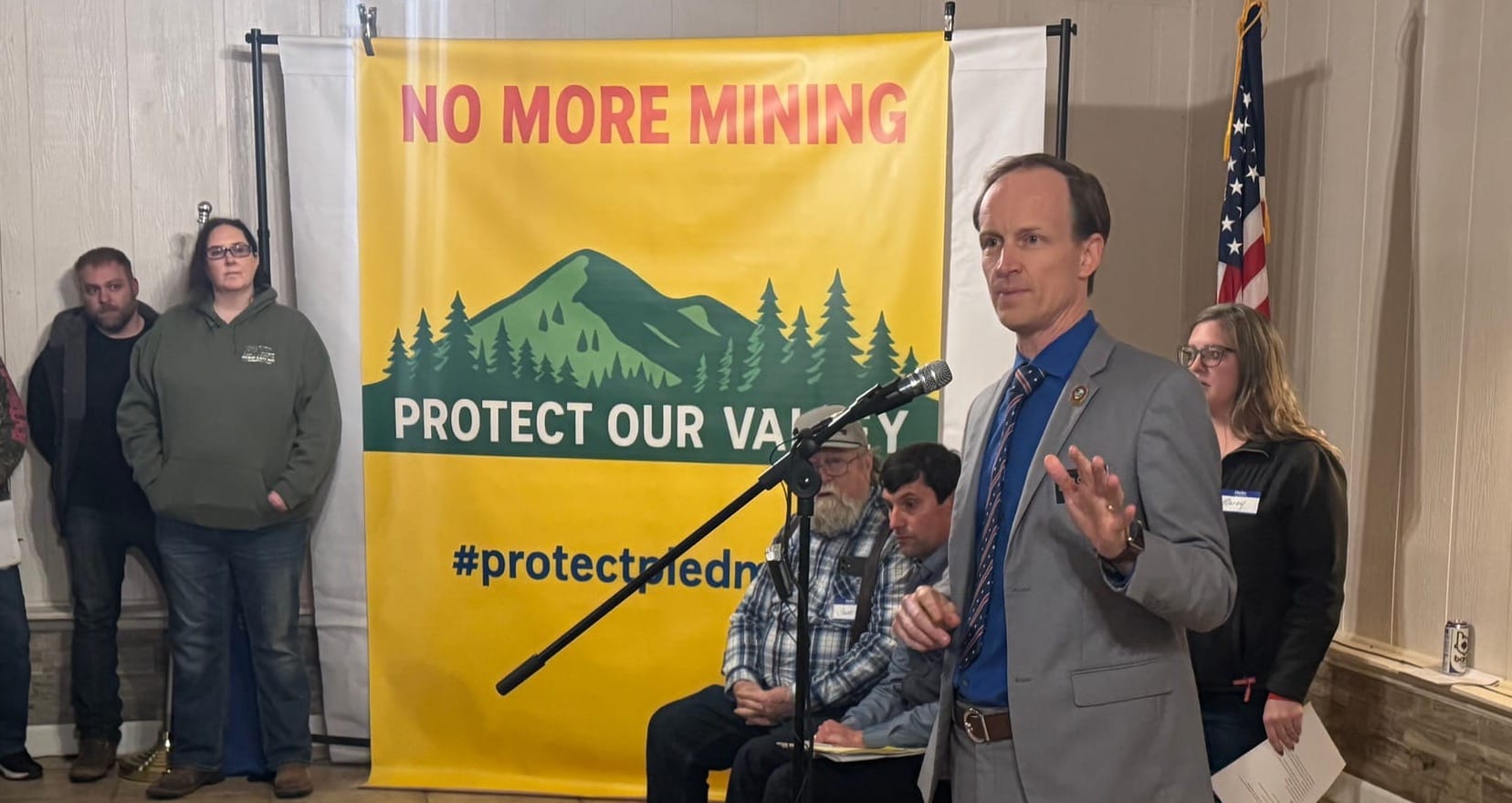
Under current state law, more invasive hard rock mines, including for silver and gold, require a full state permitting process that includes environmental studies, public notification and public hearing processes as well as approval by the state Department of Agriculture and Natural Resources.
The proposed limestone mine in Piedmont fell under state sand and gravel mining laws that allow a mine company to obtain a state license that enables them to mine anywhere in the state where they own land or have landowner permission. That law does not require prior notification of neighbors or local governments and does not require a public hearing or state or county permit.
Carley said he is researching a bill that would require notification of proposed mining operations to all property owners within a certain distance of the mine.
The Simon Contractors limestone mine also was not subject to county zoning ordinances that could have restricted where it was built. Meade County voters have rejected prior ballot measures to enact zoning ordinances.
Some residents suggested the county might need to revisit the possibility of creating zoning guidelines that could provide protections or distance setbacks for communities or individual landowners.
Carley said the Meade County legislative delegation also plans to seek regulatory changes within the DANR that would further protect existing homeowners.
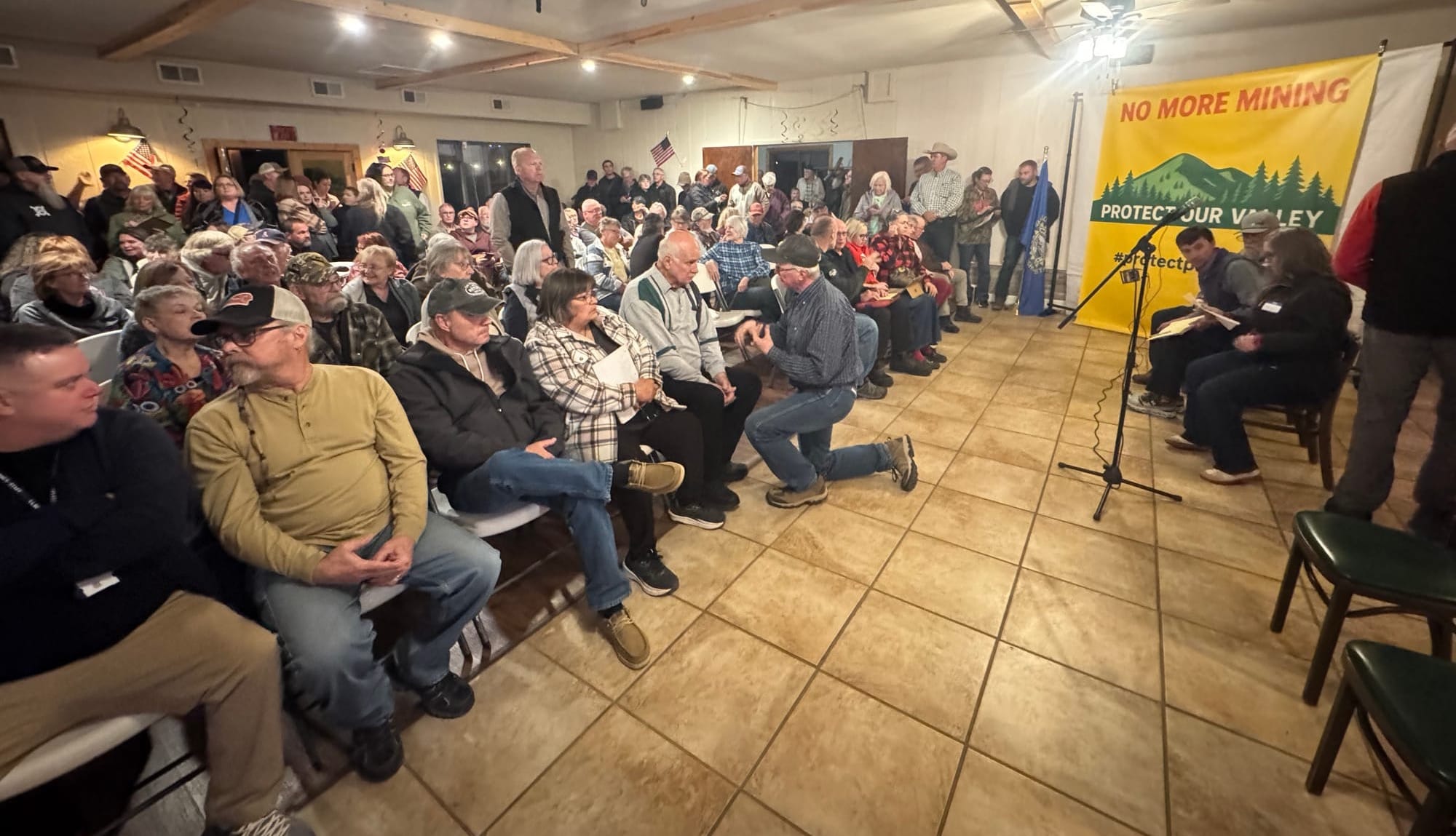
During an hourlong discussion on Nov. 20, attendees brought up a number of questions and concerns regarding the mine and the process of approval. Among them:
- Will property values fall and will it be harder for mine neighbors to get property insurance?
- How much noise will mining operations create?
- How will air quality be affected by dust and will drinking water wells be contaminated?
- Are mining operations expanding in the Black Hills and in the Northern Hills in particular?
- Why does Simon have a relatively small surety bond requirement for mine reclamation?
- Can watershed protection rules be used to block this mine or other proposed mines?
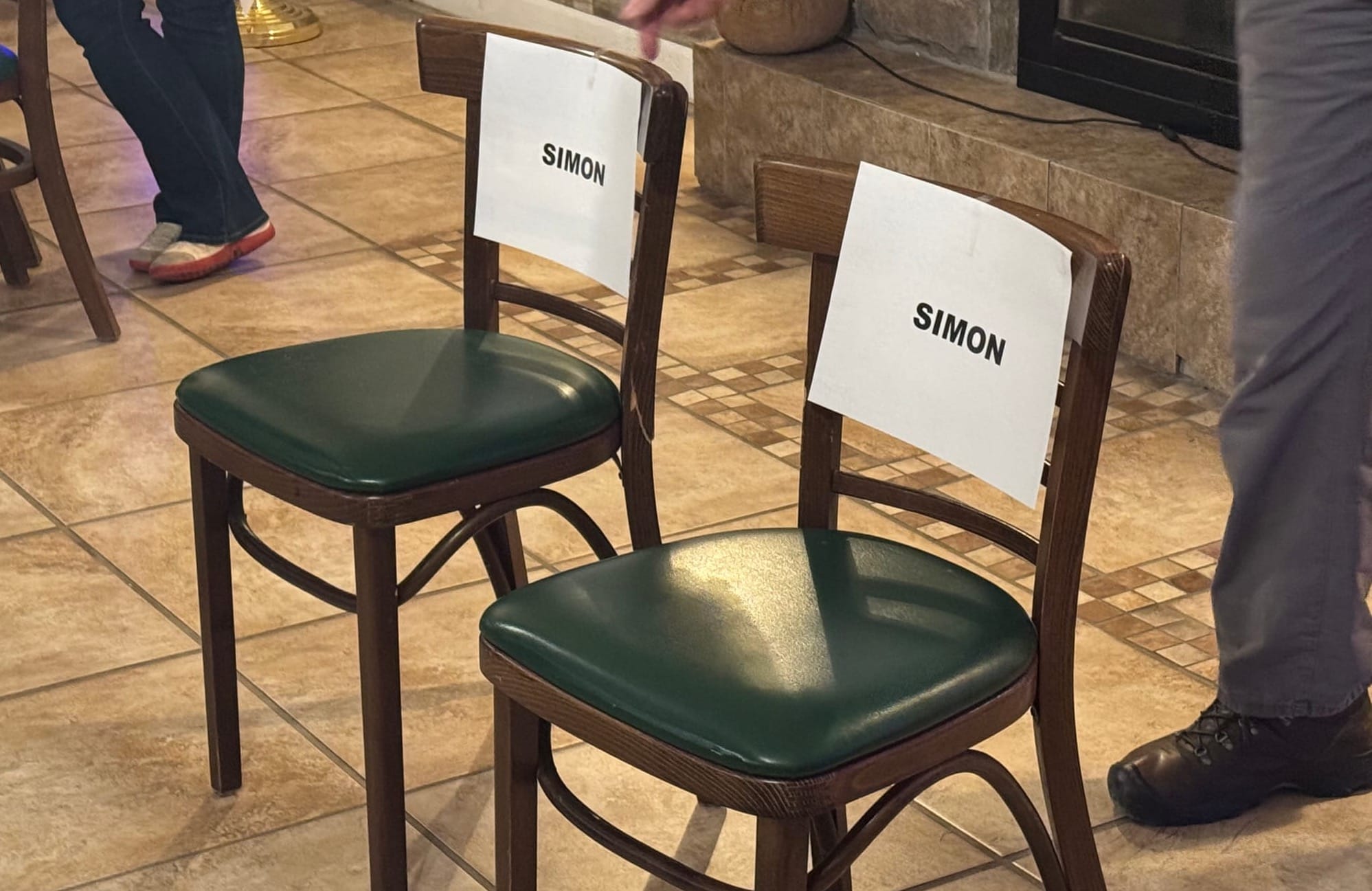
Two chairs were set aside at the front of the room to accommodate Simon Contractors representatives who were invited, but both seats were left empty throughout the meeting because they didn't show up. Simon did not return a call from News Watch seeking comment.
Some neighbors have hired Yankton attorney Nick Moser, who represented dozens of East River landowners in their mostly successful battle to stop the Summit Carbon Solutions carbon pipeline from being built on their land.
Attorney pushes grassroots pressure
Moser praised the residents for attending the meeting and urged them to continue to reach out to state and local officials to take action to prevent the mine from opening.
“Keep the pressure on and make your voices heard,” he said. “Be engaged, talk to your elected officials and encourage them to make reasonable policy that (prevents) things like the mine that is being proposed right in your backyard, (because) that’s not reasonable and that’s not what you want.”

Carley said he is hearing from concerned residents frequently but noted that most are not opposed to mining in general but want greater controls that protect neighbors and communities.
"Many of the calls go this way, 'You know, I’m not against mining, mining is an important industry in South Dakota that is doing well in this state,'" Carley said. "I’m against the mining when it’s in my backyard or when it’s going to cause noise or dust or watershed problems. That’s what I’ve heard the community is concerned with."
This story was produced by South Dakota News Watch, an independent, nonprofit organization. Read more stories and donate at sdnewswatch.org and sign up for an email to get stories when they're published. Contact investigative reporter Bart Pfankuch at bart.pfankuch@sdnewswatch.org.