
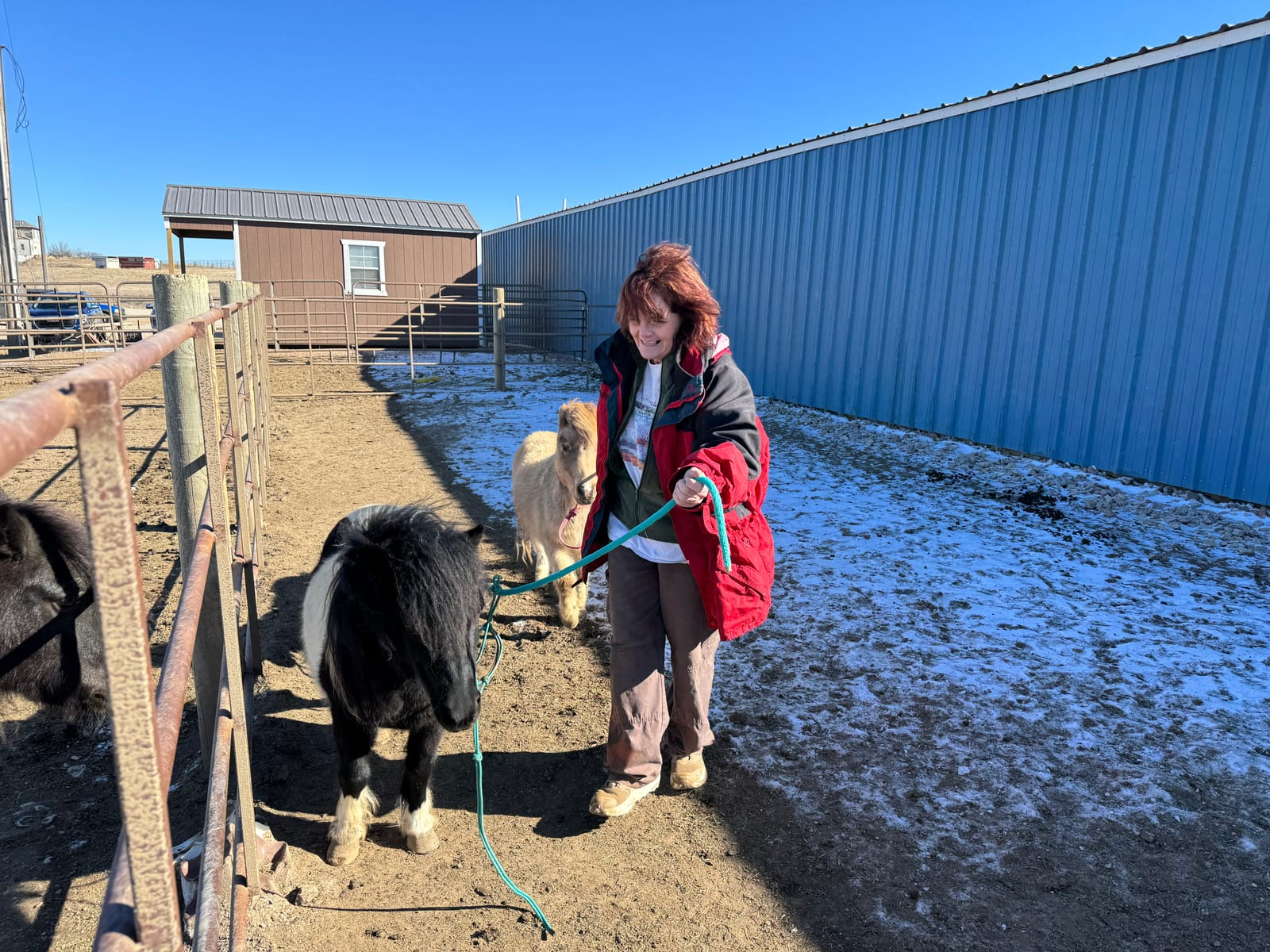
RAPID VALLEY, S.D. – Bridget Williams gathered a group of children together in her barn to show them how to safely give a horse a treat.
Williams told them not to hold the treat near the horse's mouth because it can't see the snack and could mistakenly bite a finger. Instead, she said, show the horse the treat and then lower it for gentle chomping by the appreciative animal.
The brief lesson was intended to build trust between the humans and the horses that were gathered on a recent Saturday morning in the barn at Red Horse Healing, the equine therapy practice run by Williams on a rural site in Rapid Valley, a neighborhood on the east side of Rapid City.
Animal-assisted psychotherapy is a form of mental and behavioral health treatment that uses horses and other animals to help adults, children and families to heal from trauma, to manage autism or to overcome anxiety, depression, grief or other emotional problems.
The therapy can help anyone but has been particularly effective in aiding Native Americans, who have a deep historical connection to horses as both working animals and companions.
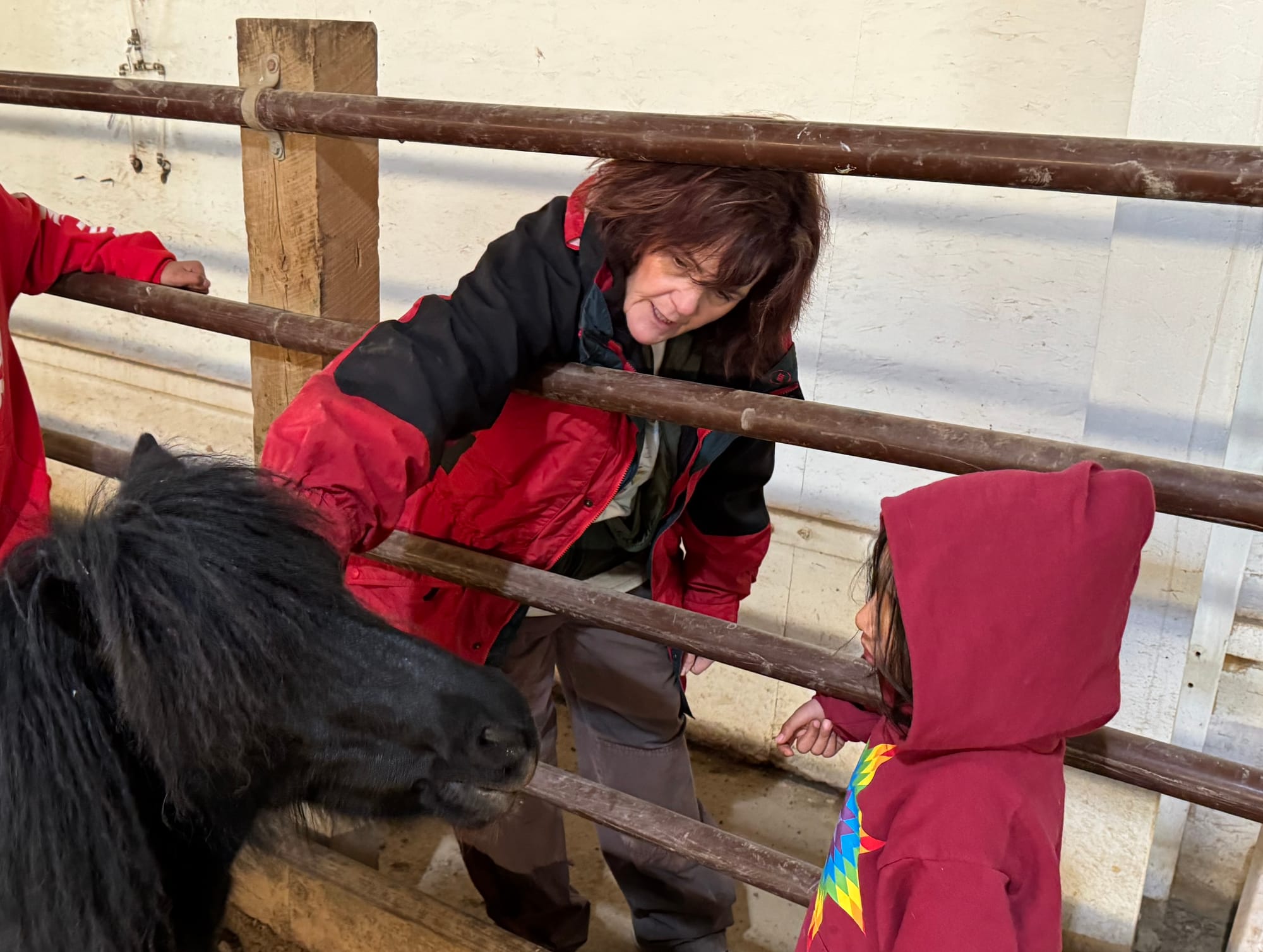
Williams, a licensed professional counselor, has employed horses in her practice for 15 years, the past 10 at Red Horse Healing. She said the treatment works because horses – despite their imposing height and weight over 1,000 pounds – are gentle, intuitive creatures that create a sense of calm comfort and mutual understanding for people suffering from emotional or physical ailments.
"Horses hear what is not spoken," she said. "They help create and maintain non-judgmental relationships."
Rising acceptance as therapy option
In recent years, equine-assisted therapy has become increasingly established as a bonafide therapeutic modality, with certification offered by several U.S. therapy organizations, including the Equine Assisted Growth and Learning Association.
The modality is supported by the National Association of Social Workers, and some U.S. colleges offer training in the practice, including through a graduate certificate offered at Colorado State University.
In a 2024 article republished by the Substance Abuse and Mental Health Services Administration (SAMHSA), an agency within the federal government, it was noted that "animal therapy incorporates animals into the therapeutic process, leveraging their presence to improve communication, reduce anxiety, and foster a supportive environment."
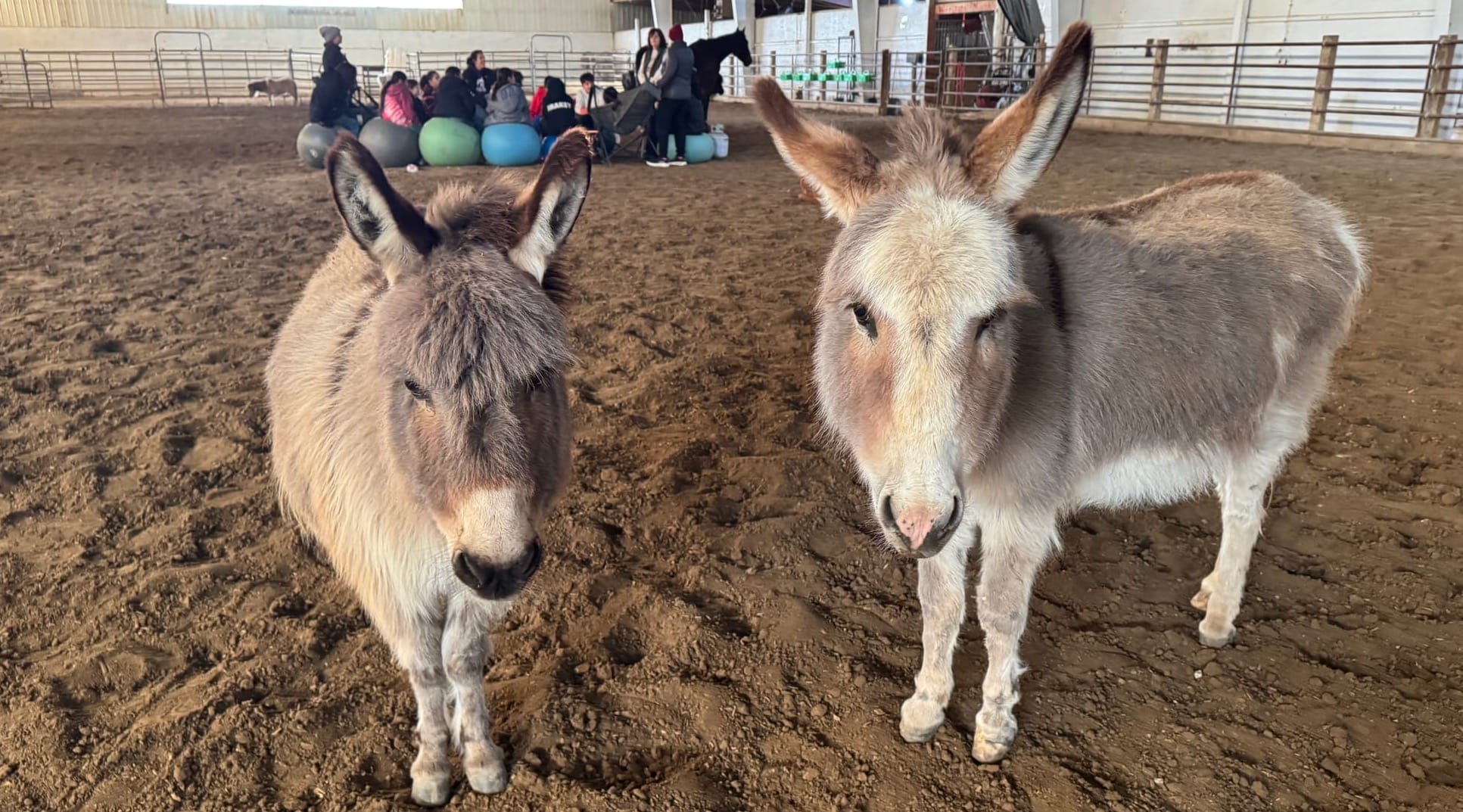
Equine-assisted programming is offered at numerous facilities across the state. Several sites are located in Rapid City and across the Black Hills. The therapy is also offered at several East River locations, including at Gentle Spirit sanctuary in Scotland, Helping with Horsepower in Mitchell, HorsePower in Baltic and at McCrossan Boys Ranch in Sioux Falls.
Williams, who currently has about 45 individual clients and also holds group or family therapy sessions with up to eight people several times a week, is expanding her practice with a new facility in Piedmont, just west of Rapid City.
Williams said equine therapy is covered by most health insurers and by Medicaid, the federal insurance program for low-income adults and children, senior citizens, pregnant women and people with disabilities.
Experiencing the 'charisma of the horses' by riding, petting, playing
The use of full-sized or miniature horses in behavioral therapy at Red Horse Healing can include a number of techniques, Williams said.
The horses can simply be present to create a calm, safe space for deep issues to be explored. Clients can pet or ride the horses in the barn as part of connection building. Horses can also be part of activities that build trust and the ability to form relationships.
At the recent group session in February, Williams led a dozen or so children through a four-hour journey of education and exploration with the horses.
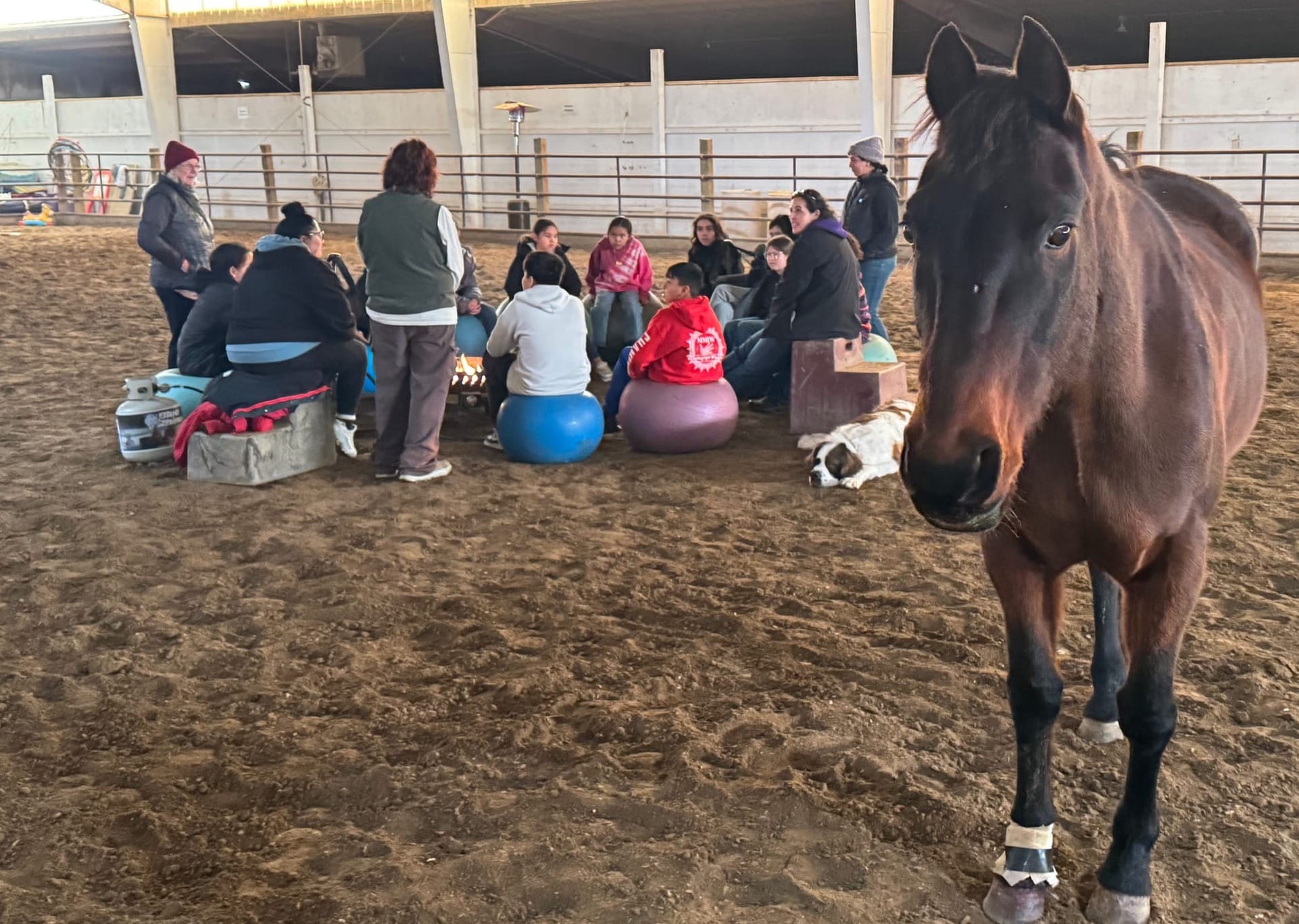
During the event sponsored by the Great Plains Tribal Chairmen's Association, the children met one another and the half-dozen horses present.
They used yoga balls, pool noodles and other toys to create rhythm and movement opportunities to help regulate emotions and better engage with the horses. They developed a bond with the horses that enabled them to share how they felt or express what was bothering them and to then discuss possible solutions or calming techniques.
Michel Melvin of Wounded Knee brought three of her grandchildren to the session to bond with horses and find strength through interaction with Williams and her staff.
Melvin, 69, has been around horses all her life, and her family has raced horses in South Dakota in the past.
"Sometimes kids need more than just one-on-one with a counselor," she said. "They get experience with the power and charisma of the horses."
Not being 'glued onto electronic devices'
Melvin said Williams has a unique skill set that provides a safe setting for adults but especially for children to break through trauma they may be suffering.
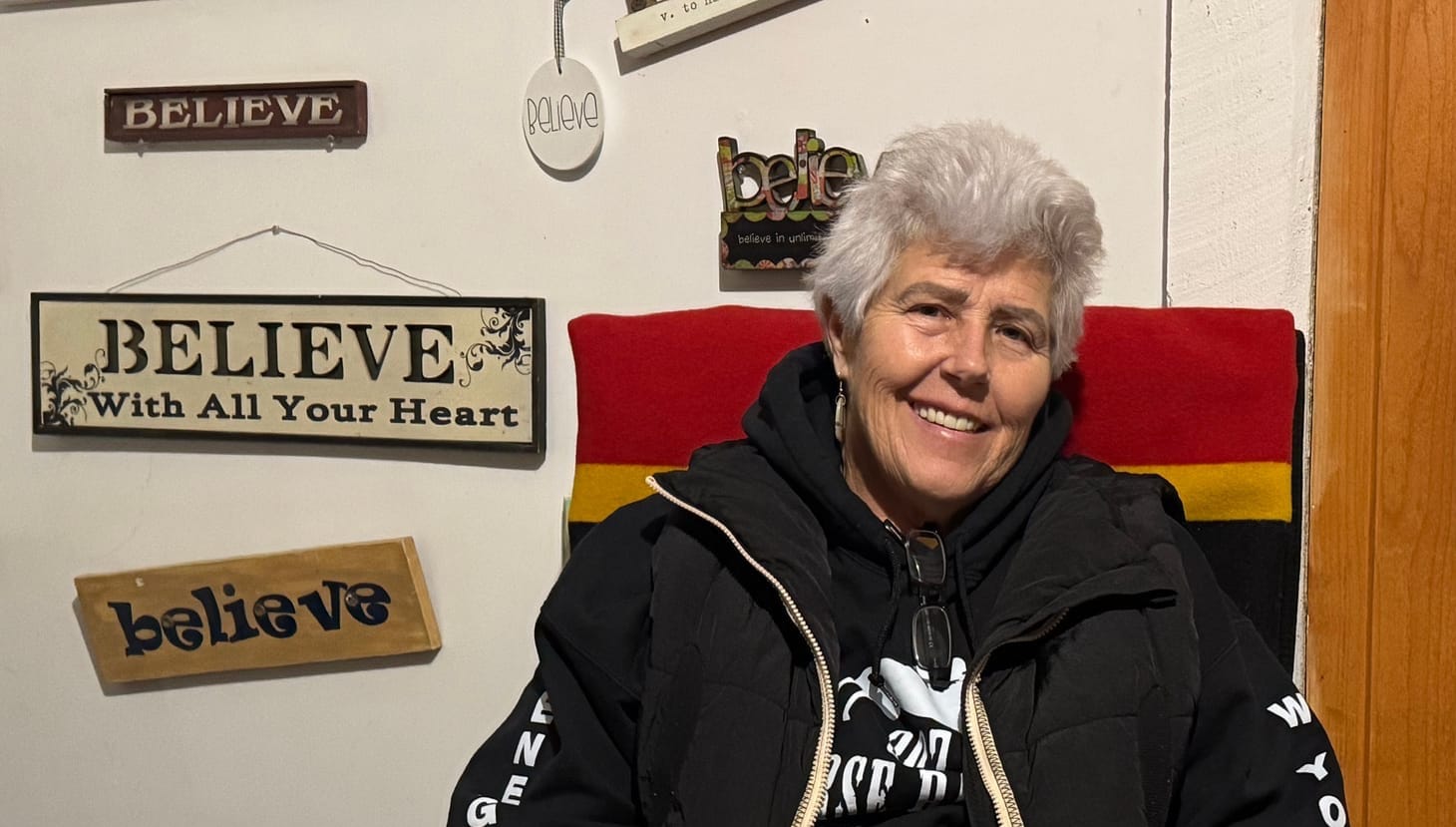
"I share a lot of love with my grandchildren, but I think there's a lot of children out there who don't get the love they need," she said. "It's an opportunity for these children to see something more than they usually see in the home setting where they are glued onto electronic devices."
Williams often incorporates elements of Lakota culture into her sessions. She provides placards with Lakota words and their meaning to create connections between clients and their culture. Clients sometimes use non-toxic paints to illustrate the horses, just as Native Americans used to do.
Some therapy horses at Red Horse Healing come from traumatic situations of their own and have been rescued by Williams.
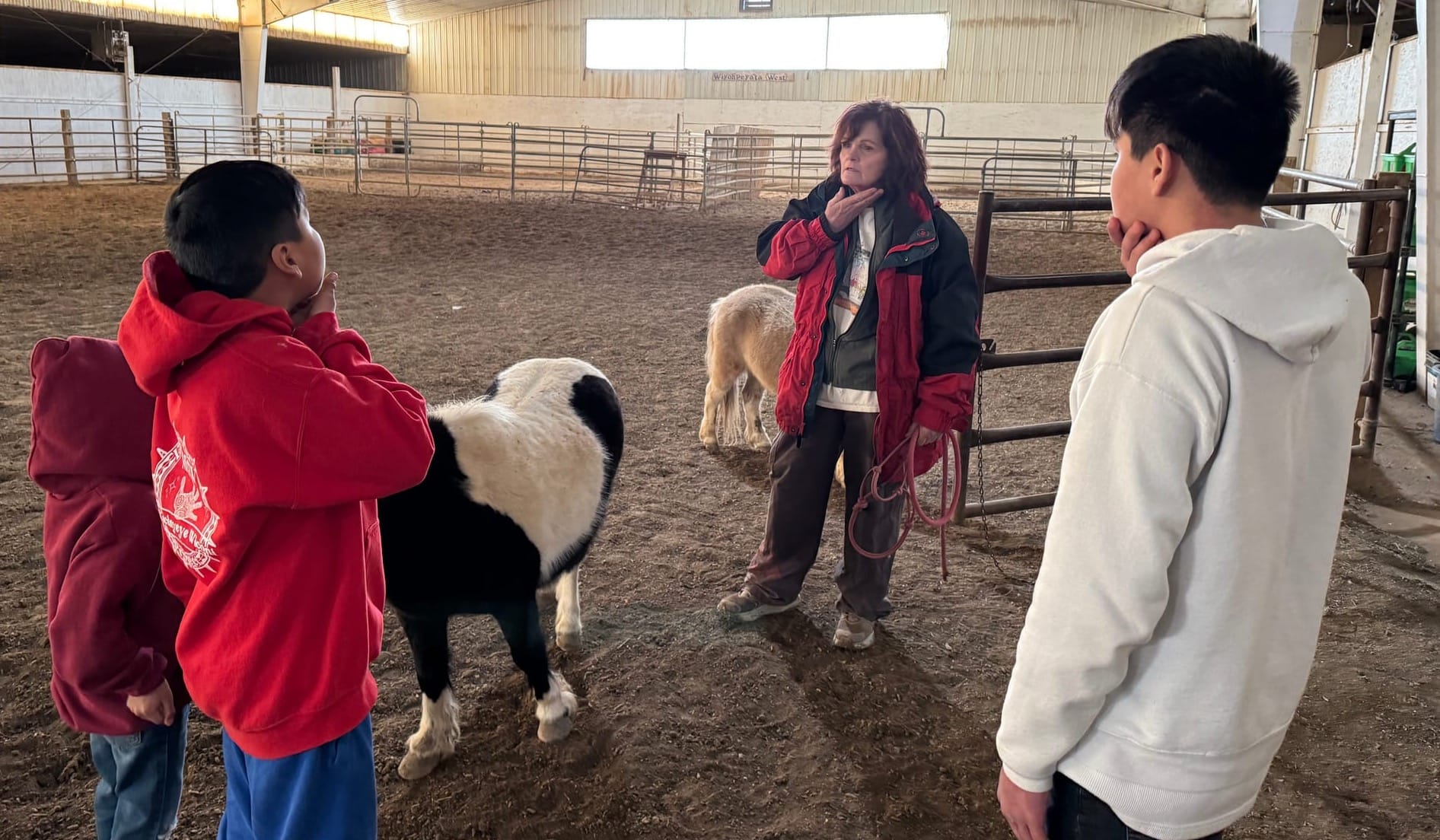
Clients give the horses special names, and the animals are never forced to do anything, such as being haltered or ridden without their full consent.
Treating the horses with respect and individuality enables clients to create a bond all their own with a horse, Williams said. Clients can then tap into the wisdom and intuitive nature of the horses and use them to project their own hidden feelings and problems, which can then be explored with the counselor.
"It's a lot safer for them to say, 'My horse is feeling this way,'" she said. "It allows them to discuss their own feelings more easily."
Bringing horses into the community
Williams has frequently brought her therapy horses to community events and gatherings to help people find solace.
Her horses have been part of Native American cultural events, such as neighborhood gatherings and day camps at the Lakota Homes and Knollwood neighborhoods in north Rapid City.
At times, Williams has brought horses to events sponsored by the Rapid City Police Department, including at the Star Village community that struggles with poverty and crime.
Trusted, independent sources of information are needed more than ever. Help us continue delivering timely, fact-based storytelling today.
Tyler Read has seen positive outcomes created by Williams and her therapy horses at some of those events.
Read serves as the community engagement specialist for the Rapid City police and has worked with Williams to help rebuild community pride at neighborhood events.
"They prayed together, they ate together and they got to ride horses together," Read said. "For some, it was an emotional release, and a way to express themselves and let go of some of their hurt."
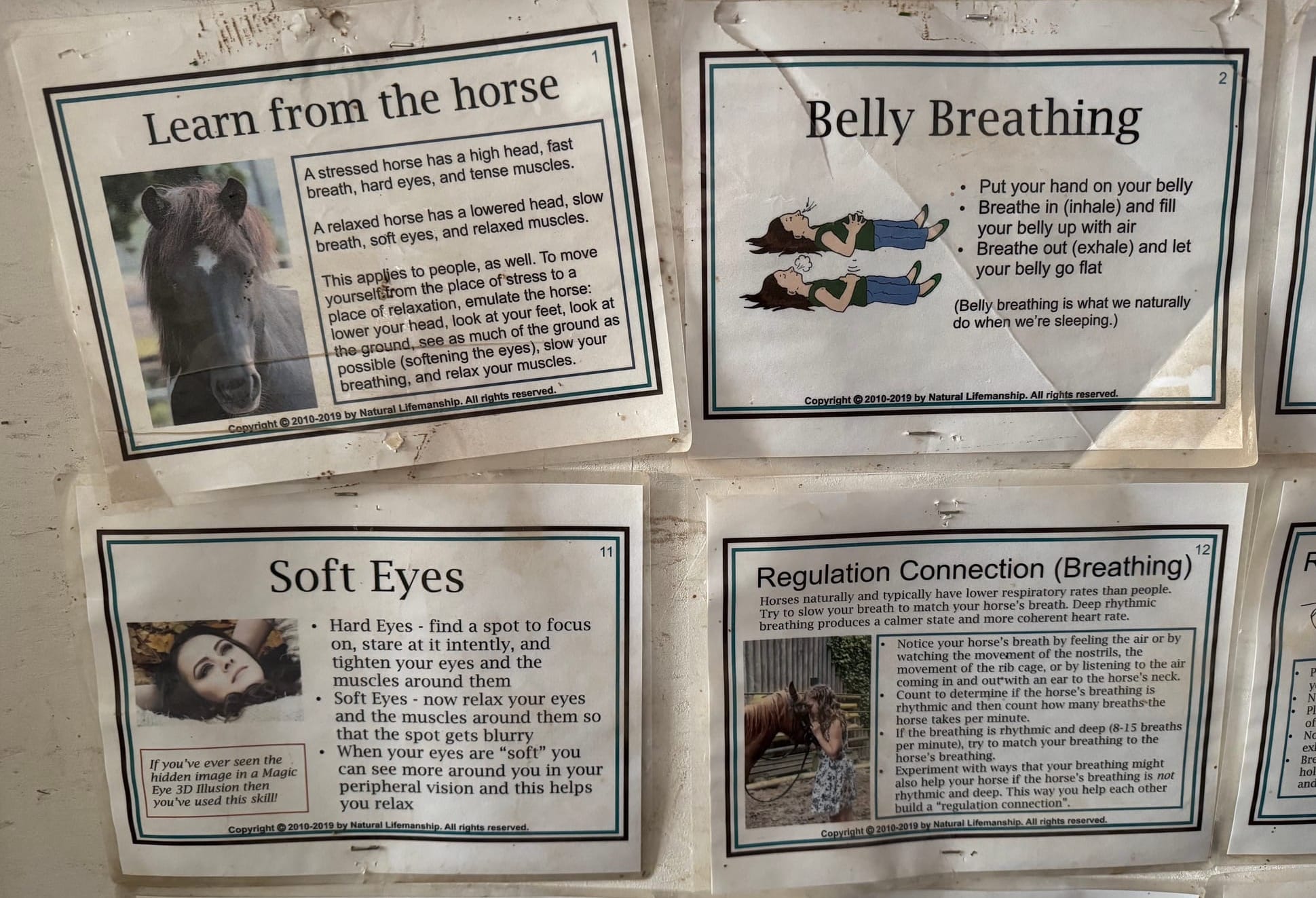
The equine therapy Williams provided made a noticeable impact on some of the children who attended the day camps and neighborhood outings, Read said. Several children who had impulse control, hyperactivity or anger issues changed their behaviors after riding or painting the horses.
"There’s a humbling effect and a reverence you have with the horse," he said. "To be able to ride on something so large, it kind of puts things in perspective and makes you more accountable for your behaviors."
 Molly Wetsch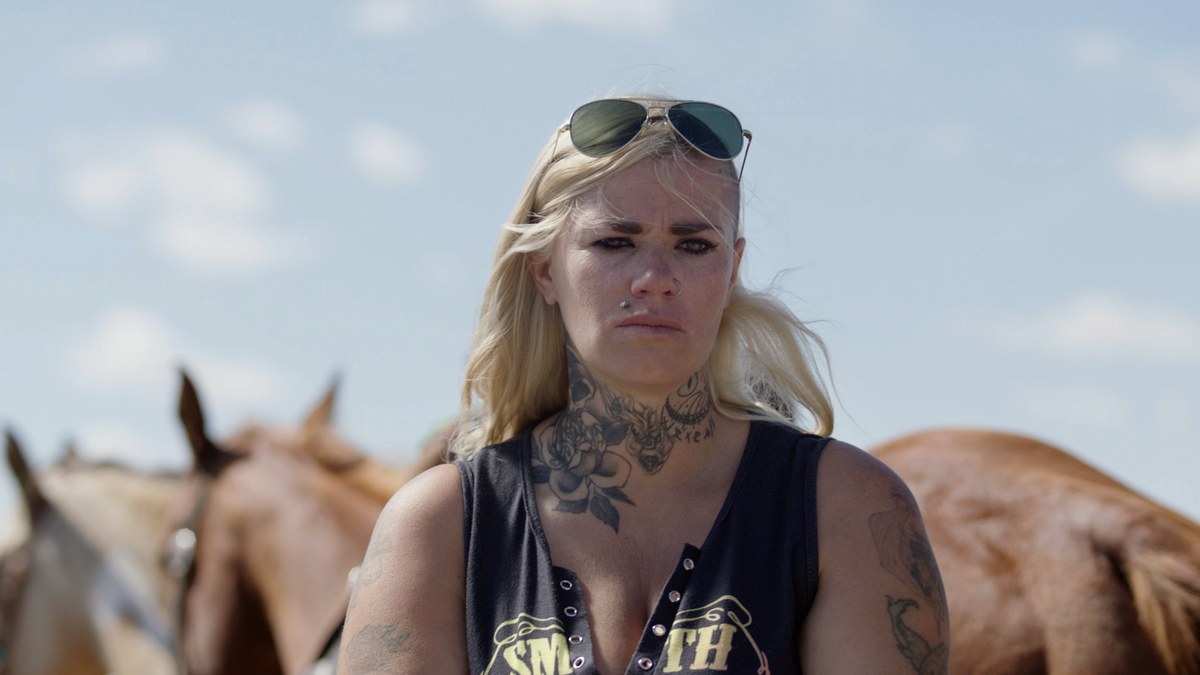
Read said that as a father, he took his daughters to therapy at Red Horse Healing when they were being bullied. Read said he was pleased to see how his children reacted to the horses and the therapy offered by Williams.
"There’s a level of honesty you want to keep with a horse and being in awe of nature," he said. "They’re very large creatures, and they've got those huge eyes and they’re very quiet and it’s kind of like they can look into a person's soul."
Read said Williams is providing an important service to individuals and the community at large that cannot be replicated through traditional counseling alone.
"When you see the impact it creates, it's special," he said. "It truly is a beautiful thing."
South Dakota News Watch is an independent nonprofit. Read, donate and subscribe for free at sdnewswatch.org. Contact content director Bart Pfankuch: 605-937-9398/bart.pfankuch@sdnewswatch.org.