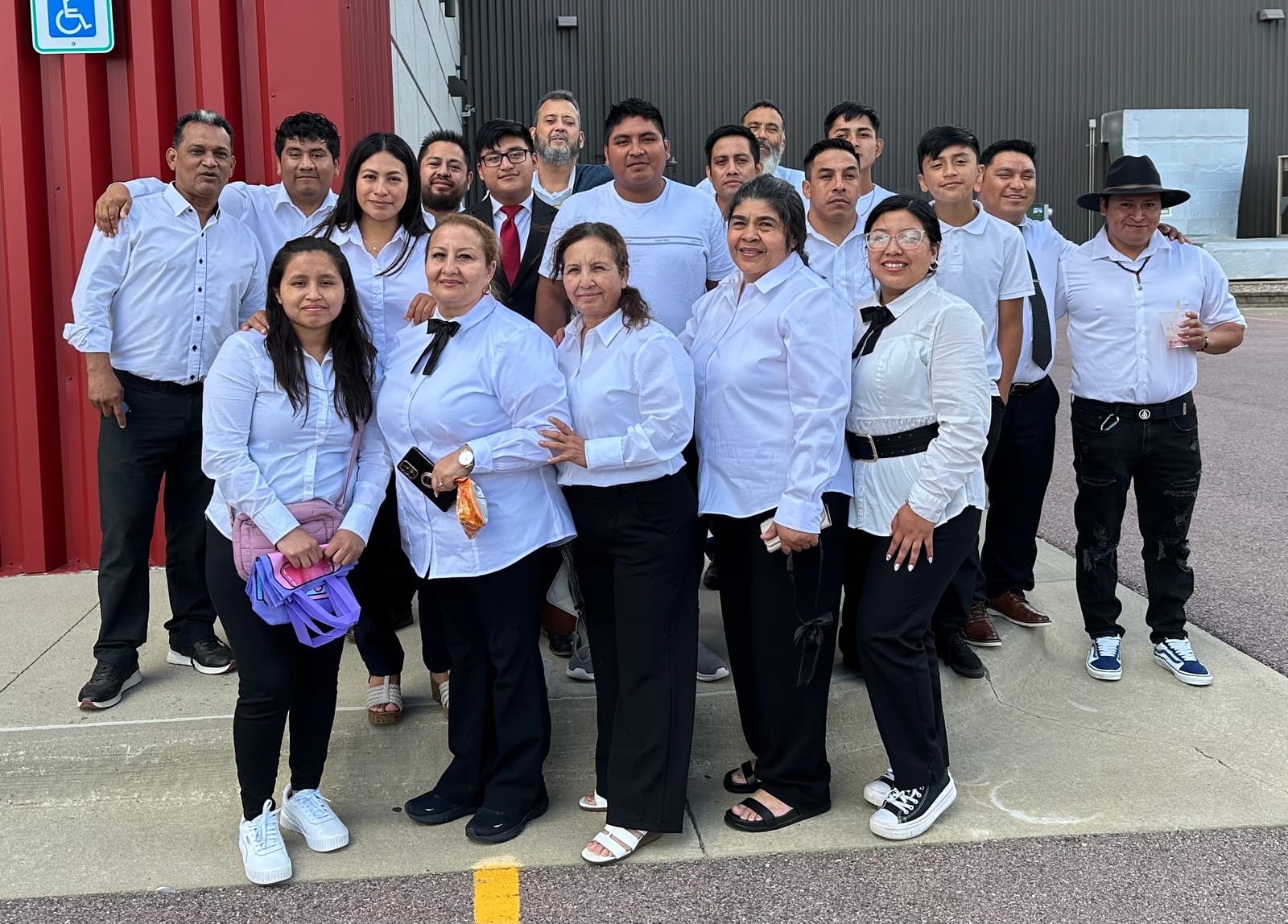

PLANKINTON, S.D. – Of the just 768 people who call Plankinton home, 163 identify as Hispanic, according to the 2023 American Community Survey. That's 1 in 5 people – far higher than the state's total proportion of Hispanic individuals, which sits at around 4% of the population.
Churches are working to provide Spanish language services and interpretation technology. The town’s elementary school is one of the few of its size in the state to have an English as a Second Language (ESL) education program. And non-Hispanic residents, at a recent city council meeting, said they are looking into starting adult Spanish classes to “reach out more effectively with our Hispanic neighbors.”
It’s indicative of a larger trend in South Dakota, where diversity in rural communities grows as job opportunities flourish, in part due to new agricultural processing plants popping up in the central part of the state. It also demonstrates how non-Hispanic community members are embracing the new diversity in their towns.

Huron, 60 miles north of Plankinton, is the seat of Beadle County, which has the highest percentage of Hispanic residents in the state. But Plankinton’s Aurora County, which has just one-seventh of Beadle’s population, is the second-highest.
 Stu Whitney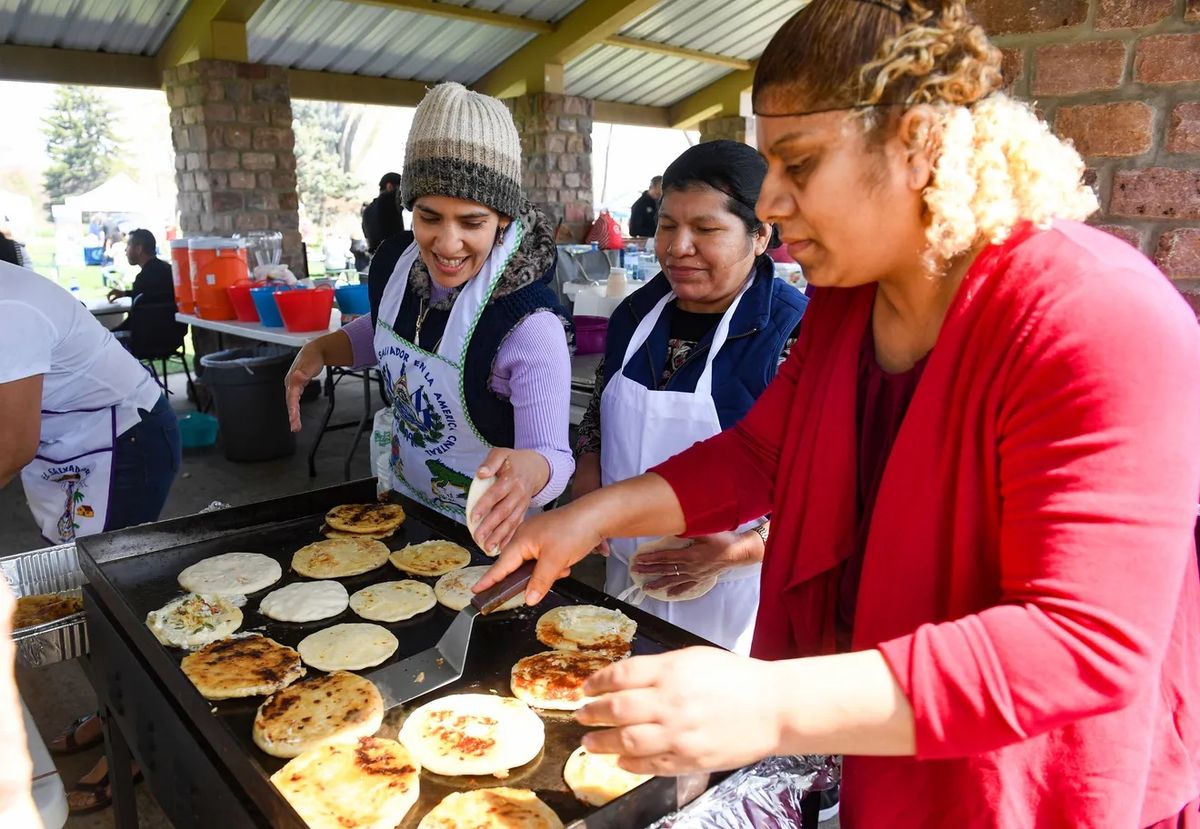
As diversity in rural areas increase, community members have come together to provide services that benefit those who speak Spanish as their primary home language.
More statewide interpretive and other Spanish services
Ivan Romero, vice president of the Sioux Falls-based South Dakota Hispanic Chamber of Commerce, said that statewide, people are seeing the benefits of increased diversity – even in small towns like Plankinton.
“In the past, it was really difficult for people to get services in their language. Going to the doctor you would need an interpreter and it would be difficult to find one. Daily necessities became difficult because of the language barriers that might've been there. But now, we do have a larger Hispanic population and not just people that cook. We also have people that are working professionals," he said.

"There's attorneys, real estate agents. There are doctors that speak Spanish, whereas a few years ago, even five years ago, we didn't see that. So that makes people comfortable. To have somebody that understands their culture and their language and is able to interact with them on a professional level. We have CPAs, we have accountants, we have just all kinds of folks that do speak Spanish, and are Hispanic as well, providing services through the wider community.”
Worship services a key site of community gathering
Herman Perez has called South Dakota home for over a decade. A native of Puerto Rico, he’s served missions across Central America, most recently in Mexico, but rural South Dakota has ended up an unexpected place for Spanish-language support needs.
Iglesia Renuevo, which means Renew Church in English, Perez’s Spanish-language church service, has partnered with Sunnycrest United Methodist Church in Sioux Falls and the United Methodist Church of Plankinton to offer regular services in Spanish.
Perez said that the services in Plankinton have drawn in people from surrounding communities of White Lake, Mount Vernon and Stickney as well as town residents.
“Sometimes we have 10, 15 people, but we sometimes have up to 80 people in one service,” Perez said. "Plankinton is a really small town. But they've got a really, really big population of Hispanics, and that's why we took advantage of that, started to open a service there once a week, and it's just a blessing for everybody."
Interpretive services have been available in larger cities for a while. But in more rural areas, gaps still exist.
Plankinton, because of its large community and availability of Spanish-friendly services, has become somewhat of a gathering space for Hispanic people from nearby communities where the population is smaller, Perez said.
 Bart Pfankuch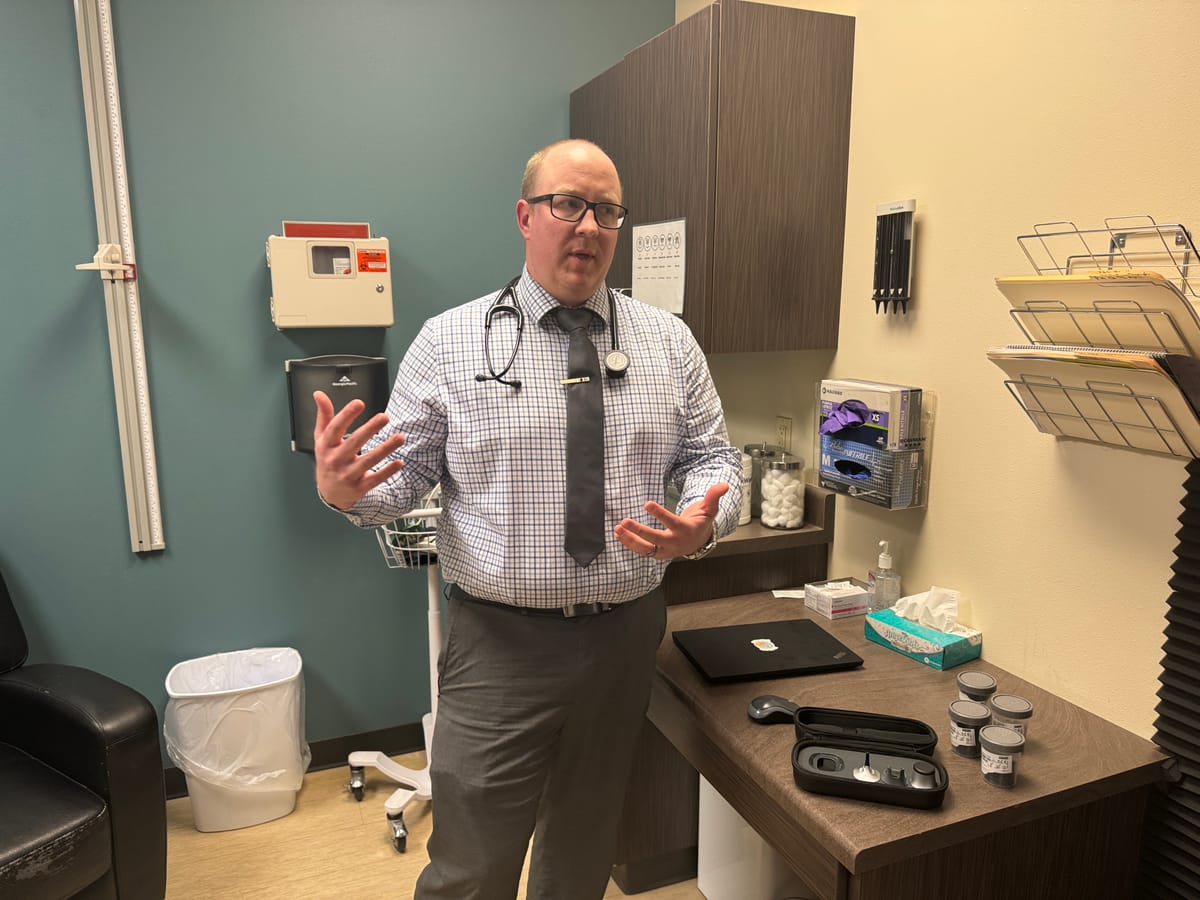
"Almost all of the people (in Plankinton) are very welcoming. You go to Mount Vernon, and they only have one Spanish family," Perez told News Watch. "You know, all of the little cities, like Kimball only has two families. But most of the people in the community (of Plankinton) are very welcoming, so they go there."
Romero said that, while the population is growing across the state, there are still barriers to be faced regarding the community's integration into conversation across the state. He said that many Hispanic people want to see greater collaboration between Hispanic and non-Hispanic people – even outside of important cultural times like Hispanic Heritage Month and Día de los Muertos.
“What I would want people to understand is that we are part of the community, we're not just an add-on to the community. We are the community,” Romero said.
“People want our voice and our number at that moment when it's needed and convenient, but then after that we get forgotten. That's the biggest thing, is that we also sit at the table because we are in the same kitchen.”
Immigration enforcement casts shadow, but ultimately brings community together
Immigration enforcement efforts have ramped up across the country in the past several months. In July, Gov. Larry Rhoden announced Operation: Prairie Thunder, a collaborative initiative focusing on both broadly targeting crime and working with immigration officials.
That operation was originally announced to run from August to December. But a spokesperson from the governor's office told News Watch that, "Our results remain impressive, and it is clear that this operation is keeping South Dakota strong, safe, and free — so we are going to keep it up!"
The majority of foreign-born people in South Dakota are Latin American, though other populations are not far behind, according to the U.S. Census Bureau. The title "foreign-born," though, does not indicate citizenship or other legal immigration status.
While those circumstances have caused some fear among residents, it has mostly created a sense of unity among the community that he serves, Perez said.
“People are in fear, but they cannot live in fear. In our case, we hear of more people coming to church after (immigration activity) happens,” he said. "Churches are a very safe place for people, and they feel very welcomed and very safe there. When things get difficult, it's where they go."
Romero said that Hispanic-owned businesses have told him that they are seeing a decrease in business activity, as their community members leave the house less for leisure activity. He hopes that other people living in areas with Hispanic-owned businesses step in to support the business owners who have been feeling the pinch for several months.
“I’d just ask that people come out and support local Mexican restaurants, Hispanic restaurants, ethnic restaurants because the traffic is down. So not only is that gonna hurt the business owner, but it also hurts the employees that are not getting their hours. And then it’s a ripple effect because now those people can’t come to the hair salon and get a haircut. People are cautious about going out. They’re also cautious about sharing information online, just because they don’t want to get in trouble.”
 Bart Pfankuch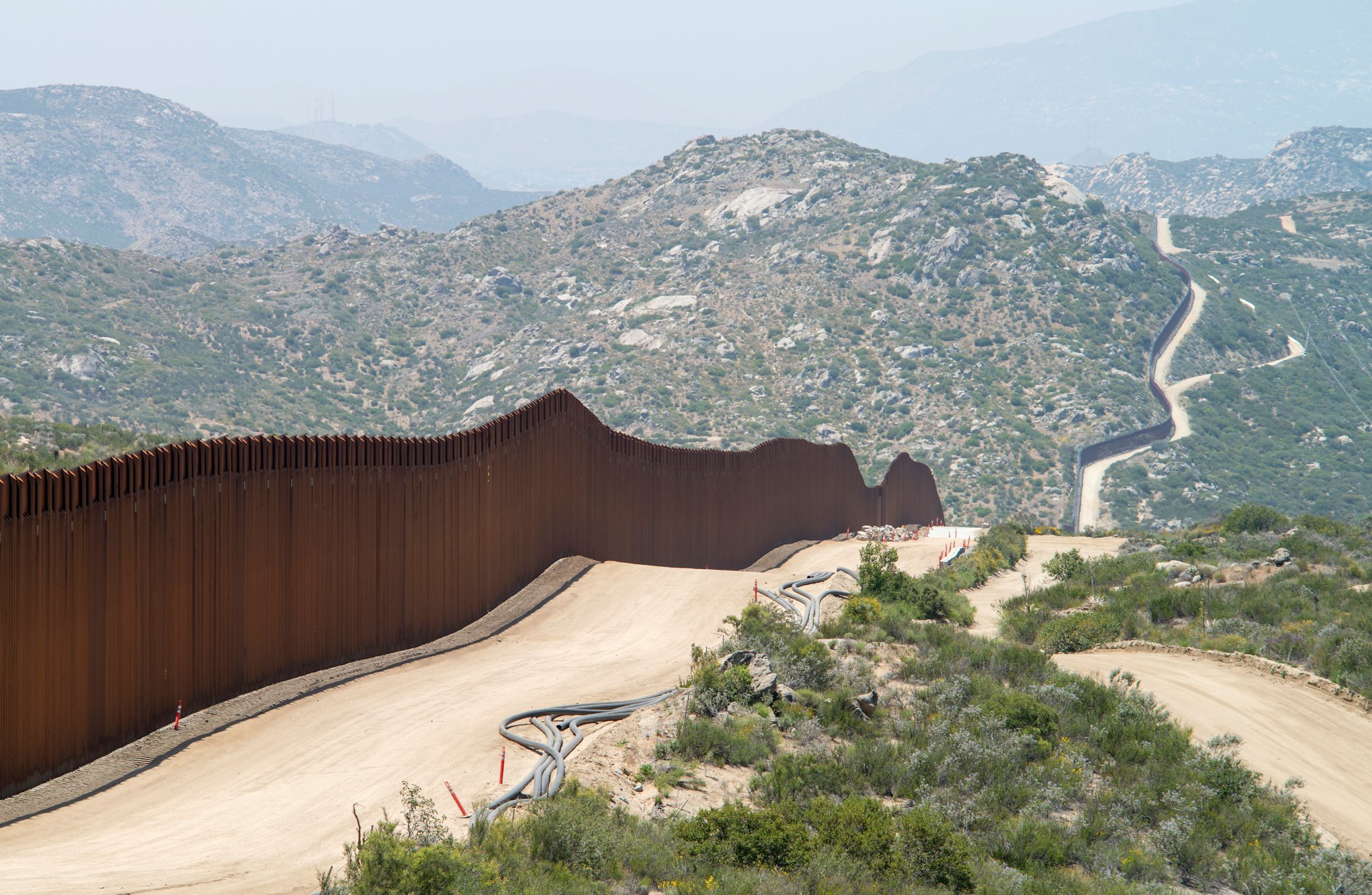
Romero said that while the day-to-day activities of the Hispanic Chamber of Commerce have changed, the mission remains the same: to uplift the Hispanic community in the state and provide services that allow businesses to thrive.
“We’re playing a different role now. We’re out advocating and trying to drum up more business. We’re playing a different role than we were six months ago, for sure.”
For Perez, towns like Plankinton remind him of the need to expand services in more areas of the state. He said that Iglesia Renuevo is looking to expand farther west in the coming months. But he hopes Plankinton's Hispanic community will continue to appreciate the services it provides.
"What a blessing, working with people in Plankinton," Perez said.

This story was produced by South Dakota News Watch, an independent, nonprofit organization. Read more stories and donate at sdnewswatch.org and sign up for an email for statewide stories. Investigative reporter Molly Wetsch is a Report for America corps member covering rural and Indigenous issues. Contact her at molly.wetsch@sdnewswatch.org.