Part 1 of a 2-part series.
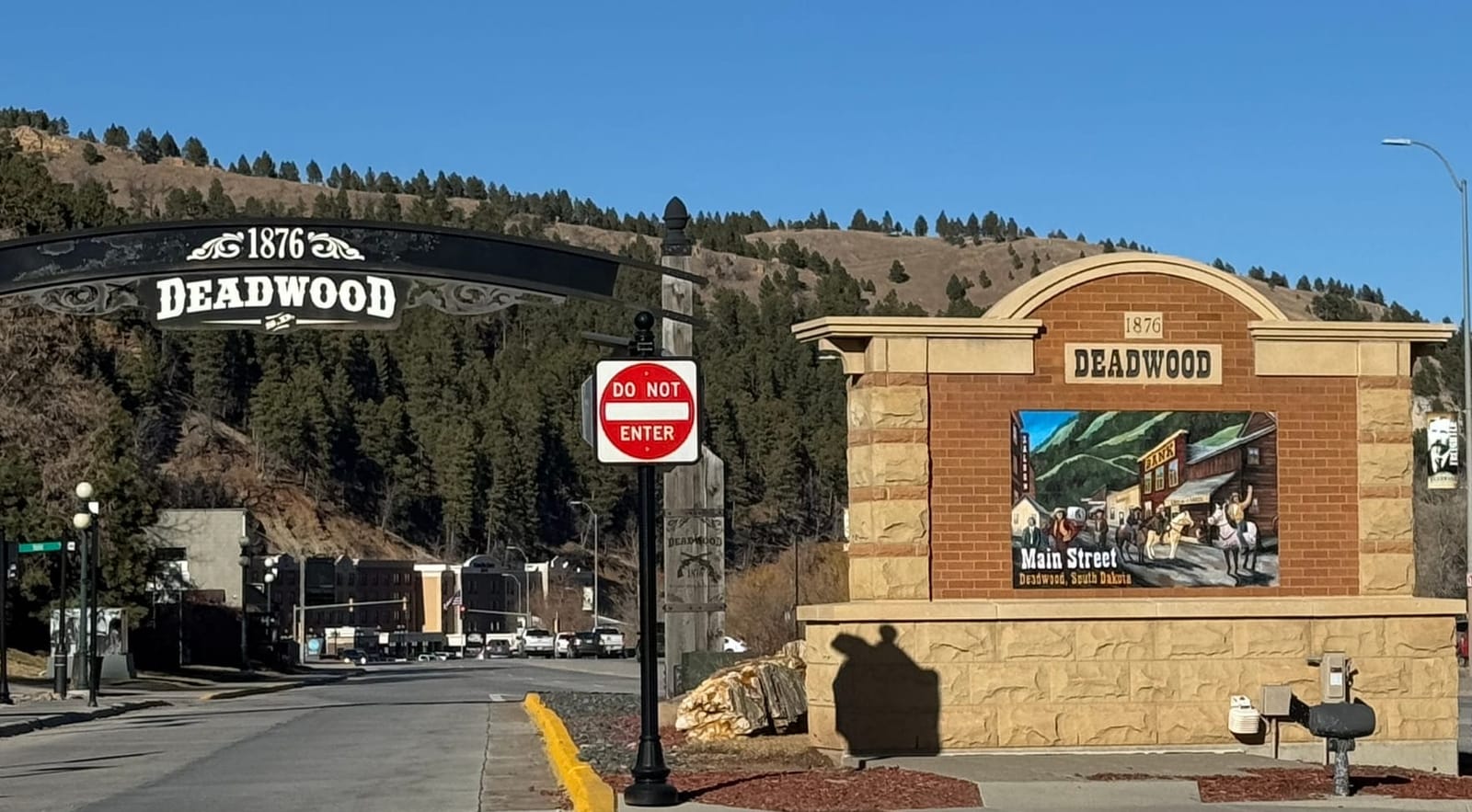
DEADWOOD, S.D. – After receiving more than $237 million for historic preservation over the past 35 years, this Black Hills city of 1,300 people wants a bigger share of annual tax revenues from legalized gambling.
Senate Bill 102, which appears headed for passage in the 2026 legislative session, would shift more gaming tax money to the city of Deadwood while reducing the amount received by the state general fund and some area school districts.
On the most basic level, Deadwood officials and other supporters of the change to the tax allocation formula said that even as gambling opportunities and tax revenues have risen steadily in recent years, the city's allocation for historic preservation has not kept up.
For example, even though overall gaming taxes rose from $14.7 million in 2014 to $18.9 million in 2024, a 17% increase, Deadwood's overall allocation remained steady at roughly $7.1 million.
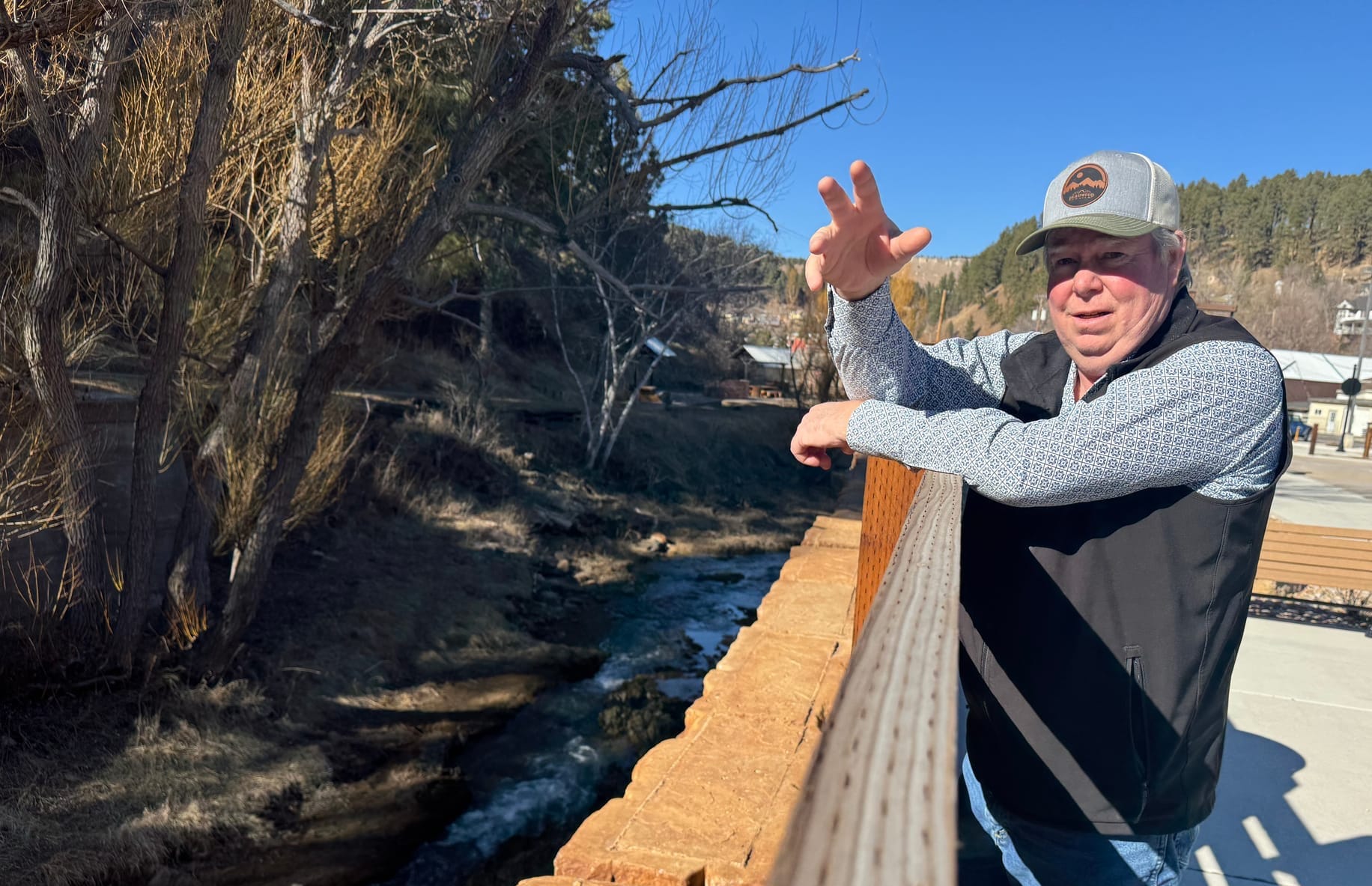
At a hearing on SB 102 before the Senate Appropriations Committee on Feb. 17, Kevin Kuchenbecker, Deadwood's historic preservation officer, said the city needs a larger share of gaming revenues to upgrade infrastructure and to maintain the city's cultural heritage, which is the main tourism driver for the city.
"Restoring Deadwood doesn't happen overnight and there's no end to it," he said.
As the debate over the funding formula progresses, one other historic Black Hills community is asking lawmakers to consider preservation needs in areas outside of Deadwood.
In a letter sent to all legislators, Hot Springs town leaders said they support preservation in Deadwood but believe that one city should not receive such a disproportionate share of money generated by gaming taxes.
"We respectfully urge that this moment also be used to evaluate preservation needs statewide," the letter said. "The original legislative objective, saving Deadwood’s historic core, has largely been achieved, and that South Dakota now faces a broader preservation challenge. Without adjustment, the current structure unintentionally concentrates preservation success in arguably the wealthiest second-class municipality, while historic assets elsewhere continue to disappear."
$33 billion wagered since 1989
Since gaming began in Deadwood in November 1989, billions in revenue and hundreds of millions in taxes have been generated, according to a News Watch analysis of state Department of Revenue data.
As of June 2025, bettors had wagered a combined $32.6 billion and won $29.5 billion. That leaves gross revenues of about $3 billion, of which gaming operators take a large cut.
Meanwhile, gaming has generated roughly $457.4 million in tax revenues, which was disbursed in the following ways (total may not add up due to rounding):
- City of Deadwood: $237.4 million for historic preservation and numerous other civic, infrastructural and commercial projects supporting tourism
- South Dakota tourism: $87.8 million for statewide promotion of visitation
- State general fund: $67.2 million, fueling a variety of state expenses
- State Gaming Commission: $27.3 million, operations and staffing costs
- Lawrence County: $23.2 million, support for county government
- Cities/schools in Lawrence County: $12.8 million, support for operations
- Statewide history grants: $3.1 million for preservation outside Deadwood
- Gambling helpline: $457,000 for statewide addiction prevention
A complicated formula
Distribution of tax revenues from Deadwood gaming follows a complicated formula last tweaked in 1995 in which 16 entities receive some of the money.
In fiscal year 2024, total gaming tax and fee revenues were about $19.3 million.
The overall allocation comes in two steps.
First, about $16.3 million was allocated to the city of Deadwood historic preservation fund ($6.8 million), the state tourism fund ($4.5 million), state Gaming Commission ($2.2 million), the state general fund ($1.4 million), Lawrence County ($1.1 million), the statewide historical grant fund ($100,000) and for the state gaming addiction program ($30,000).
The remaining balance of roughly $3 million was then divided up with 70% headed to the state general fund ($2.1 million) and 10% each to Deadwood for historic preservation, to four municipalities in Lawrence County and three area school districts.
"In the long term, Deadwood revenues grow at the expense of the state general fund's revenues." – Derek Johnson, state economist within the Bureau of Finance and Management
Senate Bill 102, as amended and passed by the state Senate, would change the percentage breakdown of the $3 million to give 70% to the city of Deadwood, 25% to the state general fund and nothing to cities or schools except for a small payment to the Deadwood School District.
As of March 9, the bill was awaiting a vote by the House of Representatives before final passage.
Derek Johnson, state economist within the Bureau of Finance and Management, said the amended version of SB 102 holds revenues for Deadwood steady for the next two years but would lead to increased income for the city afterward. The BFM supports the new proposed funding formula in SB 102.
Two school districts that receive Deadwood gaming money – Spearfish and Meade County schools – would lose their annual payments, which totaled about $260,000 in 2025, Johnson said. The Lead-Deadwood district would continue to receive annual payments because it does not get additional state financial support, he said.
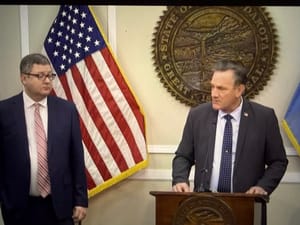
Sen. Taffy Howard, a Rapid City Republican who self-identifies as a fiscal conservative, asked which entity now funded with gaming revenues would get less in the future as the formula generates more money for Deadwood.
"Who is the loser in this?" Howard asked. "If somebody is getting a higher percentage, somebody is getting a lower percentage."
Johnson replied that under the new proposed formula, the state general fund would receive a lower percentage of gaming money than it gets now.
"In the long term, Deadwood revenues grow at the expense of the state general fund's revenues," Johnson said.
All boats rise with more betting
However, if gaming revenues continue to climb, all recipients still within the formula will eventually see more money, Kuchenbecker said.
"We need to feed the goose that lays the golden egg," he said, repeating a long-held Deadwood mantra.
"(SB 102) sets forth that we grow together rather than ... Deadwood falling behind with deferred maintenance and infrastructure needs that we need to continue to upgrade the community," Kuchenbecker said.
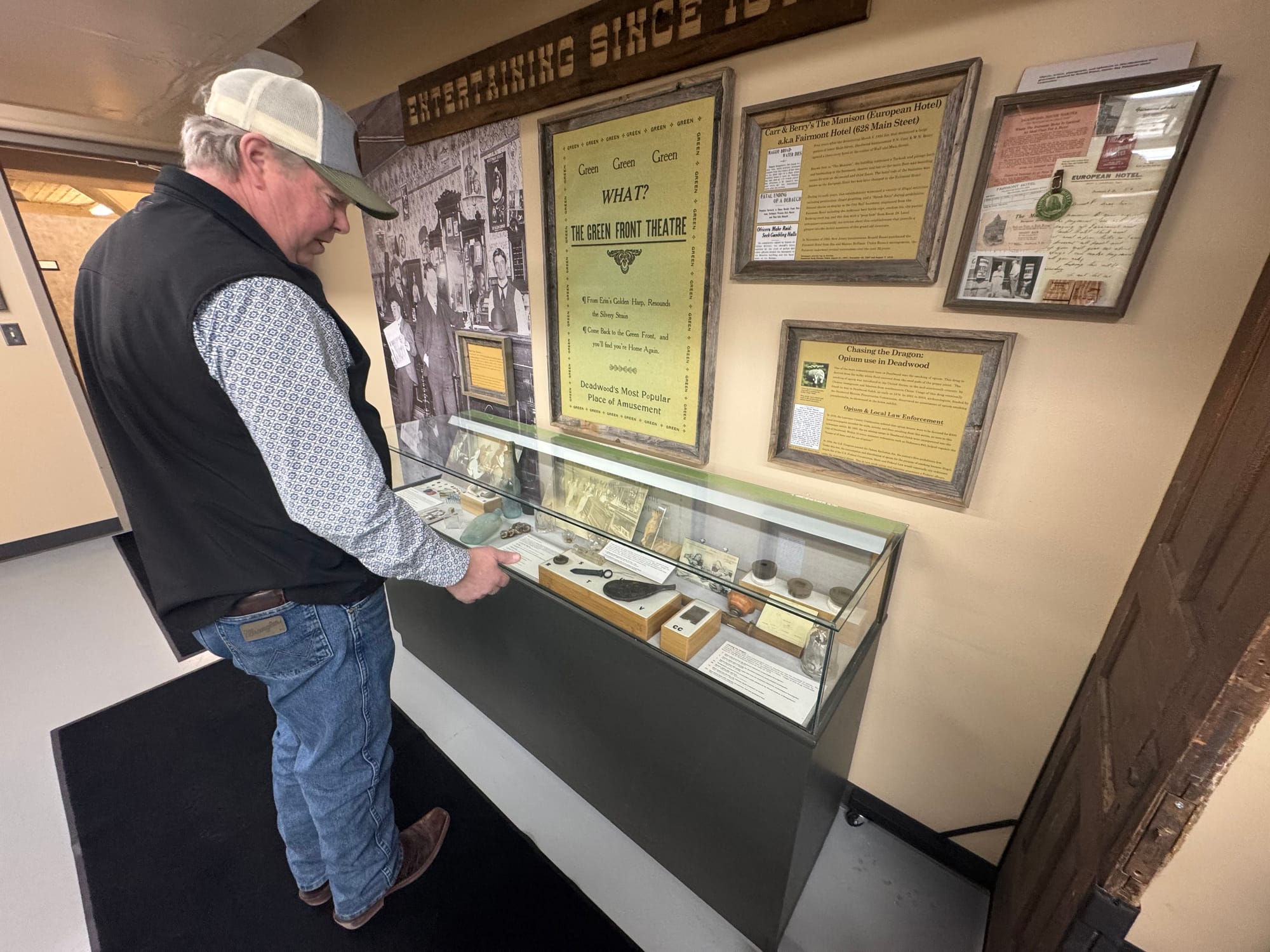
Kuchenbecker told News Watch that as the bill is written, no increase would be made to the statewide history grant program, which would remain capped at $100,000 a year, which is a decrease from the $250,000 annual funding level in place several years ago.
History, not gambling, the draw to Deadwood?
Throughout the debate over SB 102, Kuchenbecker and other proponents of the measure have made the argument that Deadwood's main draw as a tourism destination is historic relevance and not gaming.
Without a consistent – and increased – level of financial support for historic preservation, Deadwood could lose its luster as a tourism destination, they argued.
Justin Smith, a lobbyist for the Tourism Coalition of South Dakota, also spoke in favor of the bill.
"In Deadwood, historic preservation is not an enhancement, it is the product," he said. "The buildings, streetscape and authenticity are what draws visitors from around the country and from around the world."
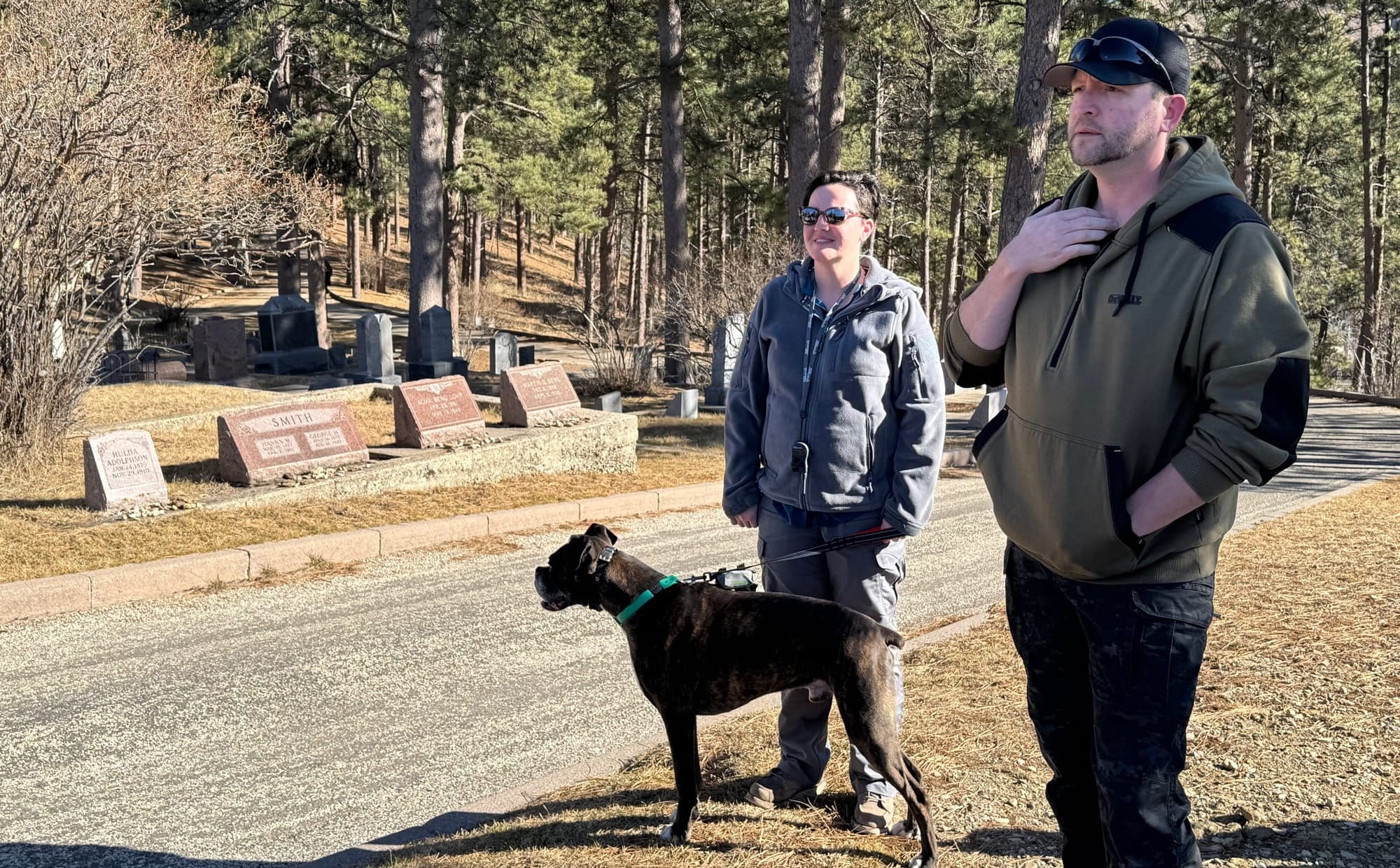
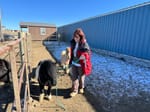
On a recent sunny afternoon, two of those visitors included Minneapolis tourists Desiree Weigel and David Holmberg. They had come to South Dakota to see Badlands National Park and added a last-minute visit to Deadwood to learn about the town's history.
"Neither of us are gamblers," Weigell said as they walked their boxer through the historic Mount Moriah Cemetery in the hills above Deadwood.
Homberg, whose hobby is collecting historic firearms, said the couple was aware of Deadwood as a gambling destination, though not for them.
"I'm an Old West buff, so I really wanted to see where Wild Bill Hickok was buried," he said.
 Bart Pfankuch
Kuchenbecker said that when the city hired a firm several years ago to help sharpen the branding efforts for Deadwood, he was a bit surprised to see the consultant's study reveal the importance of historical tourism. The study led to new Deadwood logos and marketing materials that focused on the Wild West far more than one-armed bandits.
Wide array of spending in Deadwood
The ways that Deadwood has spent its gaming revenue span a wide array of local projects.
State statutes provide the city with great latitude in how gaming money should be spent. According to statute 42.7B-05, "the term, historic restoration and preservation, shall be interpreted liberally in scope and effect."
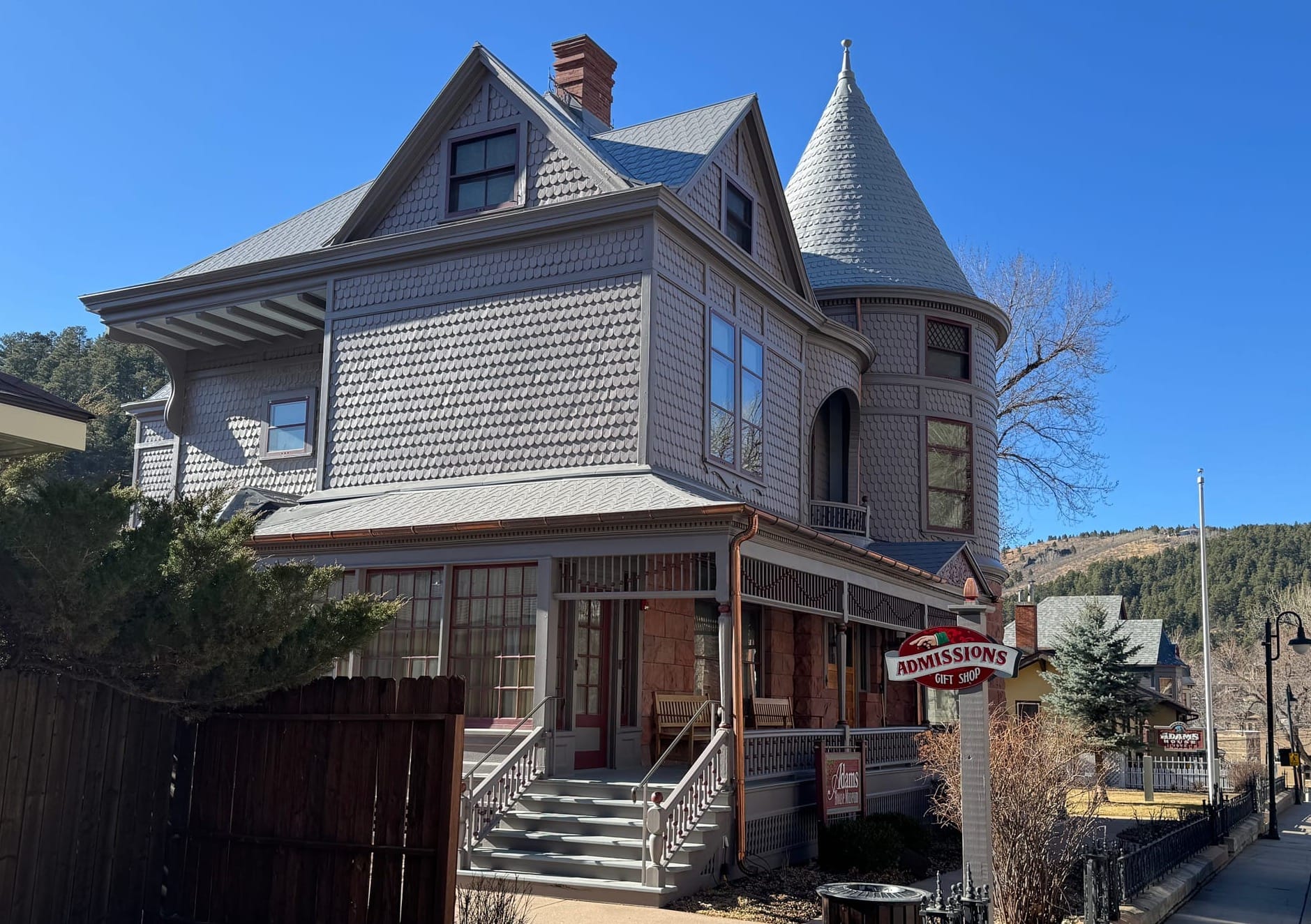
Over the years, Deadwood has funded obvious historic projects such as restoring the Adams House Museum, the Mount Moriah cemetery and the Days of '76 rodeo grounds and museum.
But Kuchenbecker said other projects provide indirect support to the historic preservation mission. For instance, a water line that provides service to historic properties could be repaired using gaming tax revenues, he said.
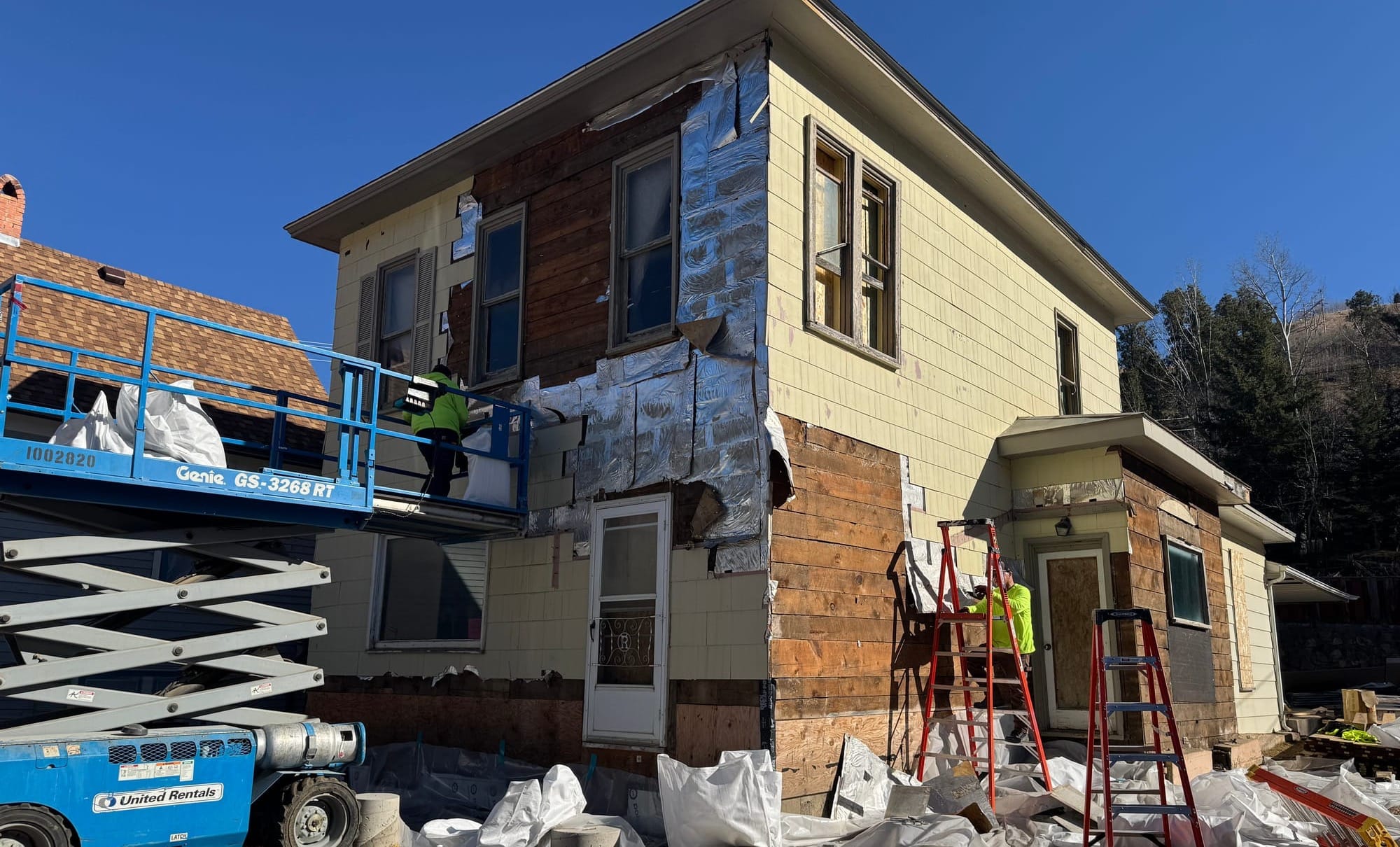
The city has also paid for or helped fund improvements to U.S. Highway 85, the restoration of the Deadwood Mountain Grand and The Lodge at Deadwood casino resorts and tourism projects including the local trolley and recently completed Outlaw Square public performance space, according to previous reporting by News Watch.
Gaming funds have also helped bury power lines and add period lighting, improve a city recreation and aquatic center and uncover thousands of artifacts from an archeological investigation into historic Chinatown.
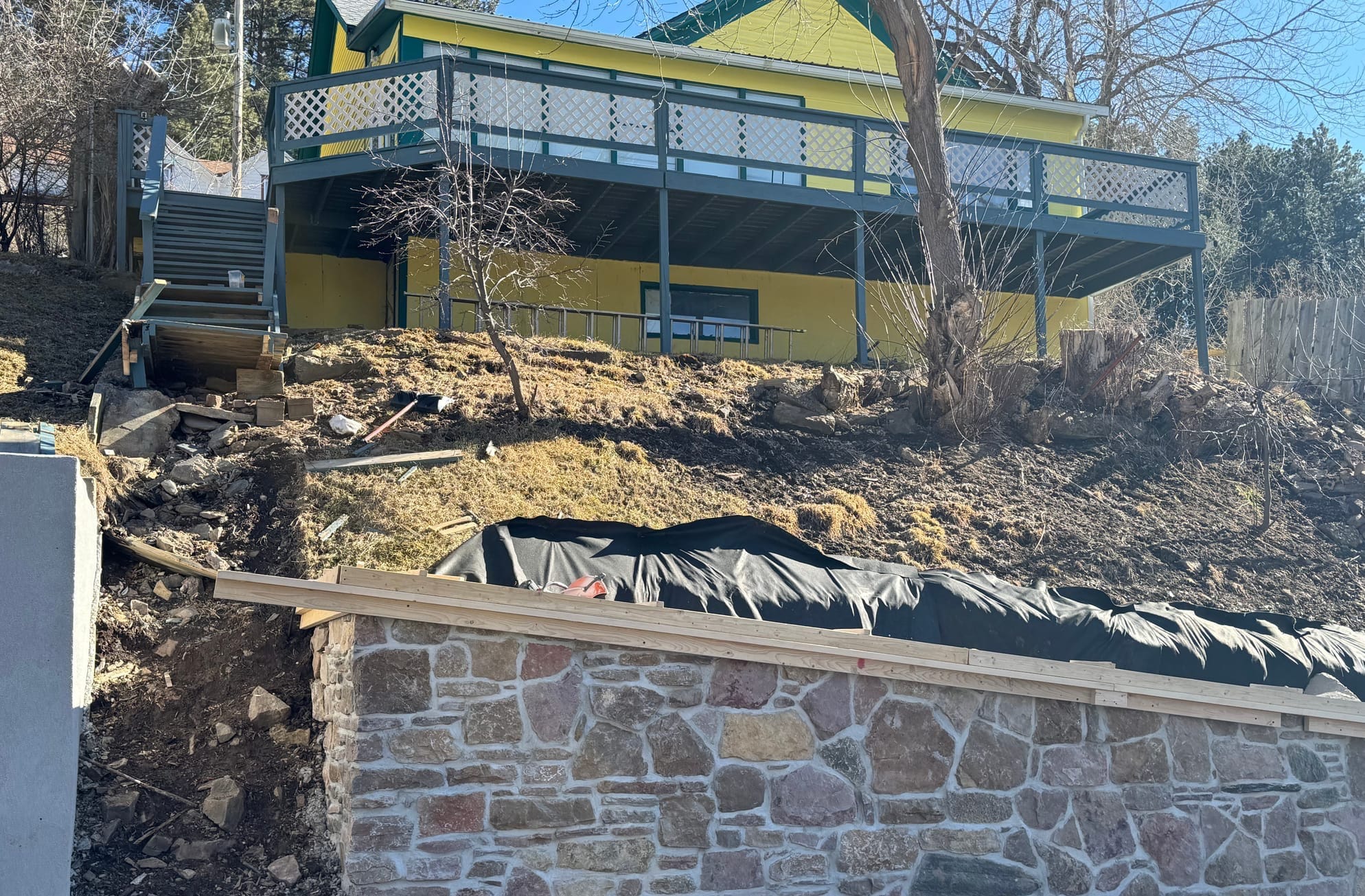
Ongoing efforts are being made to provide grants to homeowners to renovate homes built in the 1880s and to repair retaining walls that support houses built within the hills of Deadwood.
Kuchenbecker added that private funding has also helped expand historic preservation in Deadwood, including $7 million in private money spent recently to restore the Landmark Casino that opened in 2024.
Will you support South Dakota News Watch? SDNW is an independent, 501(c)(3) nonprofit that tells investigative stories, verifies claims and engages with communities to identify solutions. With your gift, we can do even more important stories like this one.
The more than 3.5 million tourists who visit Deadwood annually take a toll on the city's ability to maintain infrastructure, staffing and its historical focus, Kuchenbecker said. The city is limited by zoning and geography from attracting new residential or commercial development that could increase its tax base, he said.
The visitation generates increased costs for the city, he said, noting that the police department has a staff of 17, far greater than a typical South Dakota city of 1,300 people.
"We're a small town but we have big-city expenses because of the visitation," he said.
South Dakota News Watch is an independent nonprofit. Read, donate and subscribe for free at sdnewswatch.org. Contact content director Bart Pfankuch: 605-937-9398/bart.pfankuch@sdnewswatch.org.