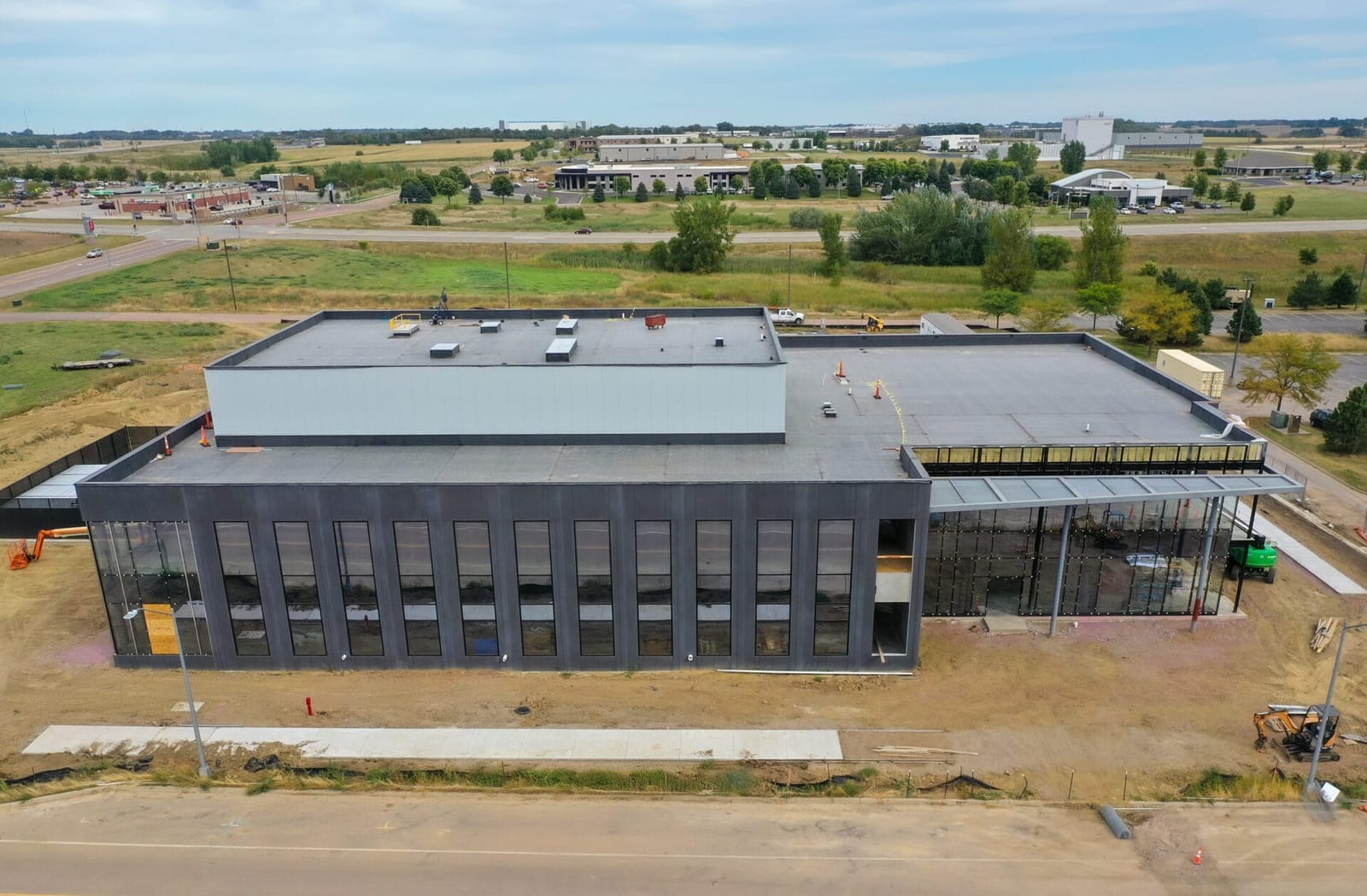

Biotechnology – and its potential space in South Dakota's economy – has been slowly developing nationwide for decades. With recent advancements in the state like the University of South Dakota Discovery District and research efforts by major health care providers Sanford Health and Avera Health, the biotech industry has emerged as a point of interest in many South Dakotans' lives.
Here's an explanation of biotech, how has it made a home in South Dakota and some of the top biotech companies across the state.
What is biotech?
Biotech is, simply, technology that harnesses biological components. The industry is also referred to as bioscience or life sciences, though that typically refers to the research or study of biology – which comes before technology development. Most biotech development comes out of rigorous research programs, which are often based in universities.
Tung Nguyen, who develops market studies of the biotech industry out of the University of South Dakota Discovery District in Sioux Falls, said "bioscience is the high, overarching category where it's the exploration of science and how that considers environment, health, etc. Biotech is the application of that science."
Some common examples of biotechnology are medical treatments like vaccines, gene technology, crop plant production and DNA testing services. Medical research, including that done at major statewide health care providers Sanford Health and Avera Health, are also considered biotech initiatives.
How do you start a biotech company?
The entrepreneurial process is different for biotech companies: Years of research must be completed before a product or service can be safely distributed to the public.
"Life sciences is different. And, yes, it's even more different in our state, but even (in) other states, it's hard. It's a tough industry, so we want to be able to be there, have them be successful. And honestly, some of them won't make it," Joni Ekstrum, executive director of the South Dakota Biotech Association, told News Watch.
Many of the challenges relating to biotech development, particularly in states with smaller population, relate to funding.
"These are high-risk technologies. And they generally come from the universities. Universities will help with filing provisional patents, they have the equipment, they have the resources within the university to prototype. But it's the funding piece of it," Ekstrum said.
"You have to have a lot of money. Many of these technologies to go through experiments. It takes expensive equipment, it takes a lot of time, and a lot of trial and error before you can even determine if this technology that might seem interesting as it's being developed will even work. And so it's a pretty long runway for investors."
How does the biotech industry impact the economy?
The 2025 BIO Best Practices Report said that the bioscience industry employed 2.3 million Americans in 2023-24. Overall, the industry's total economic impact as measured by overall output in the U.S. was estimated at $3.2 trillion in 2023, according to the report. Employment increased by 15% since 2019.
Federally, several grant programs are available to support biotech companies, including funding from the National Institute of Health (NIH). South Dakota received $56 million in 2024. Much of that funding went to university research programs or biotech companies like OmegaQuant. Other programs include Small Business Innovation Research (SBIR), which provides seed funding to startups to stimulate technological innovation. .
Several states offer tax credits or other incentives to support bioscience development, such as research and development tax credits or SBIR matching grants. South Dakota is one of two states without any incentive programs for the biotech industry.
 Molly Wetsch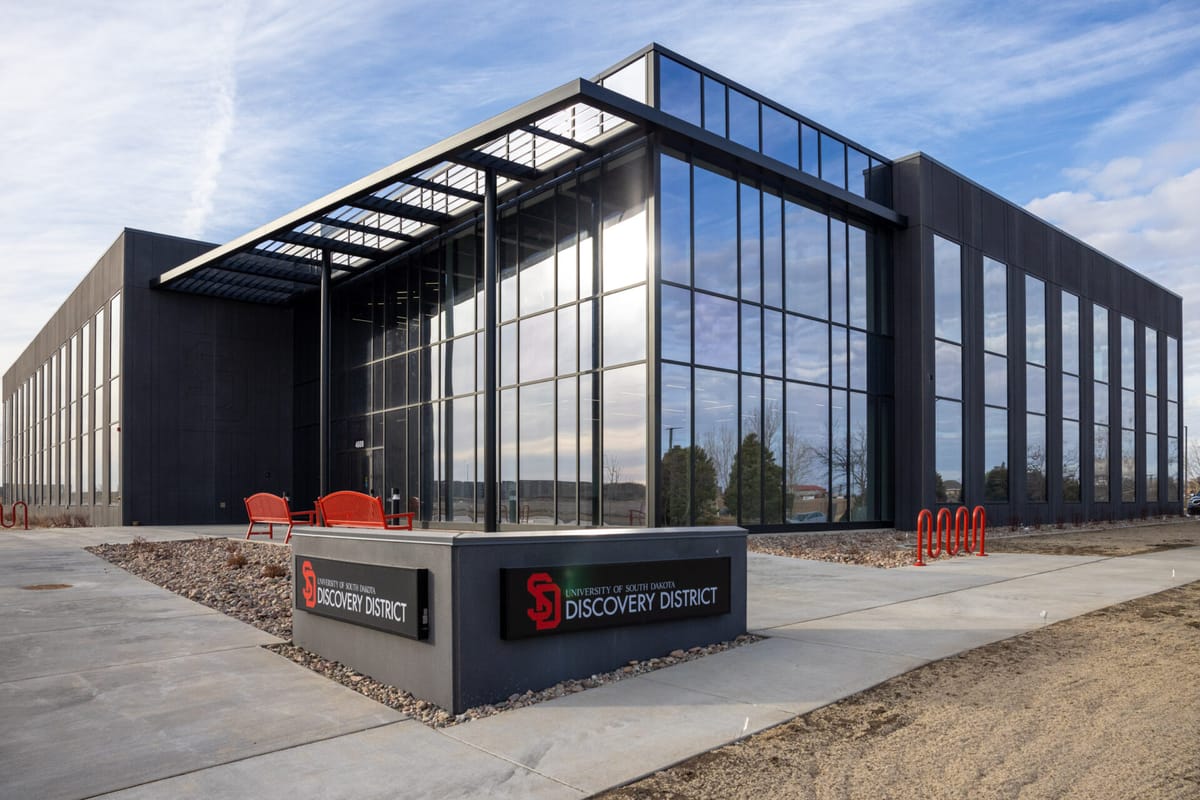
South Dakota biotech companies
A non-comprehensive list of some major players in the biotech and life sciences industries in the state and where they're located:
Brookings:
Canton:
Eagle Butte (Cheyenne River Indian Reservation):
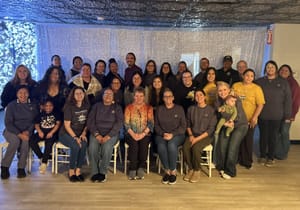
- Missouri Breaks Industries Research: Read how this Native-led research company bridges medical gaps in tribal communities.
Lead:
Rapid City:
Sioux Falls:
- Avera Health
- Axion (Bion)
- CEGA Innovations
- Cytion
- Epolleo
- Inanovate
- OmegaQuant, LLC
- POET
- SAB Biotherapeutics
- Sanford Health
- South Dakota Soybean Checkoff
Volga:
South Dakota News Watch is an independent nonprofit. Read, donate and subscribe for free at sdnewswatch.org. Contact reporter/Report for America corps member Molly Wetsch: 605-531-7382/molly.wetsch@sdnewswatch.org.